Zaragoza - provincia de Zaragoza - M1 2024
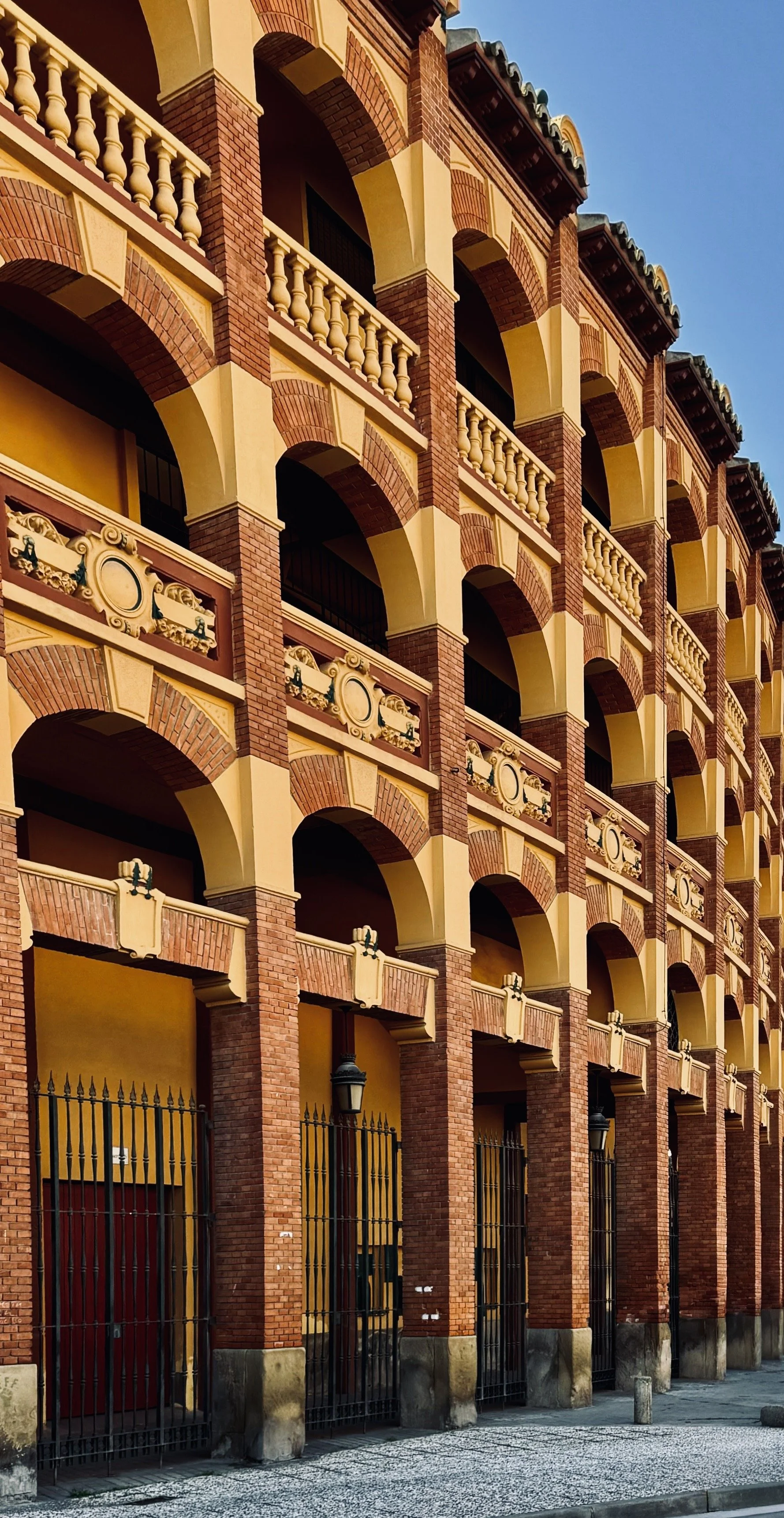
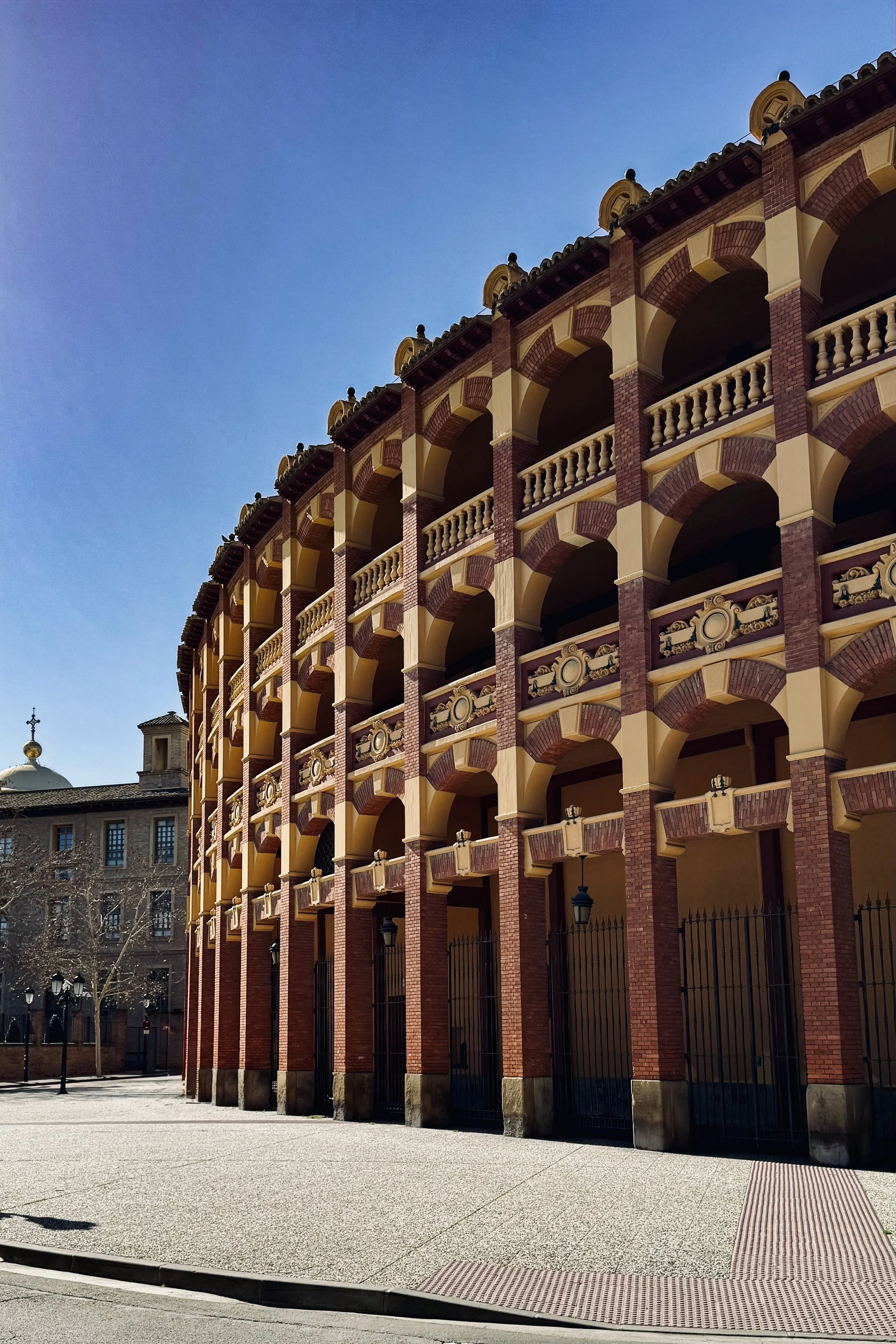
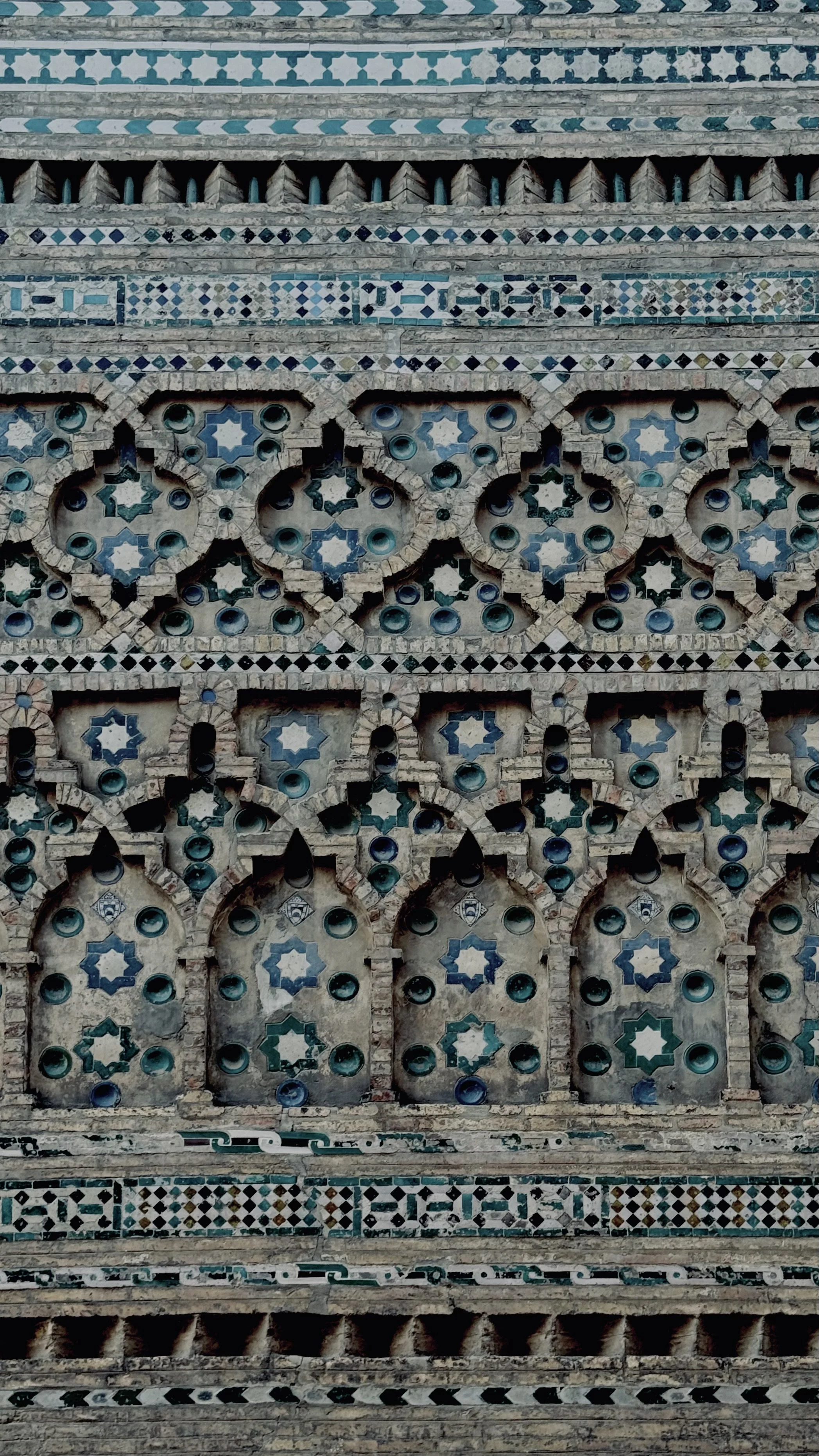
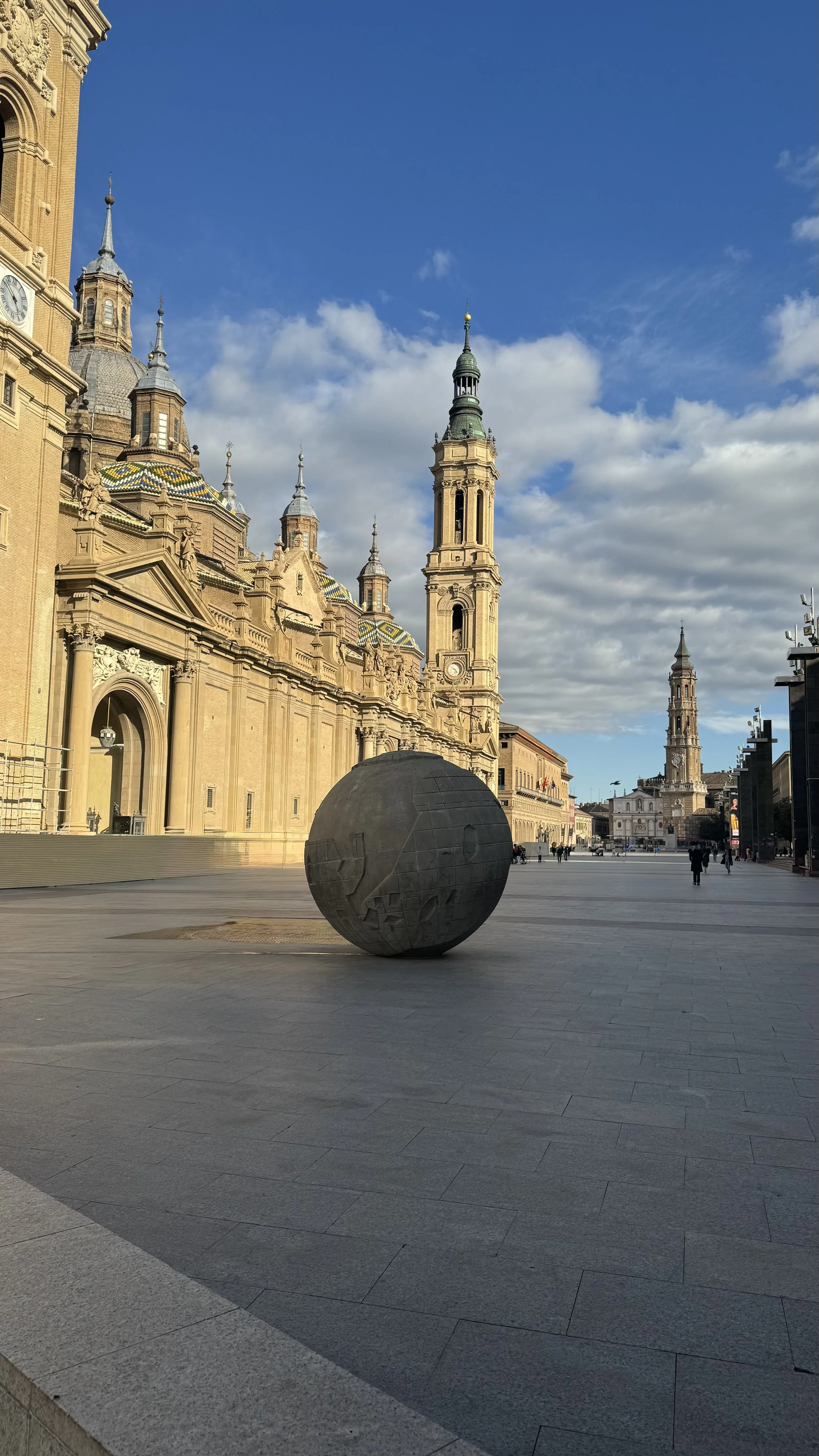
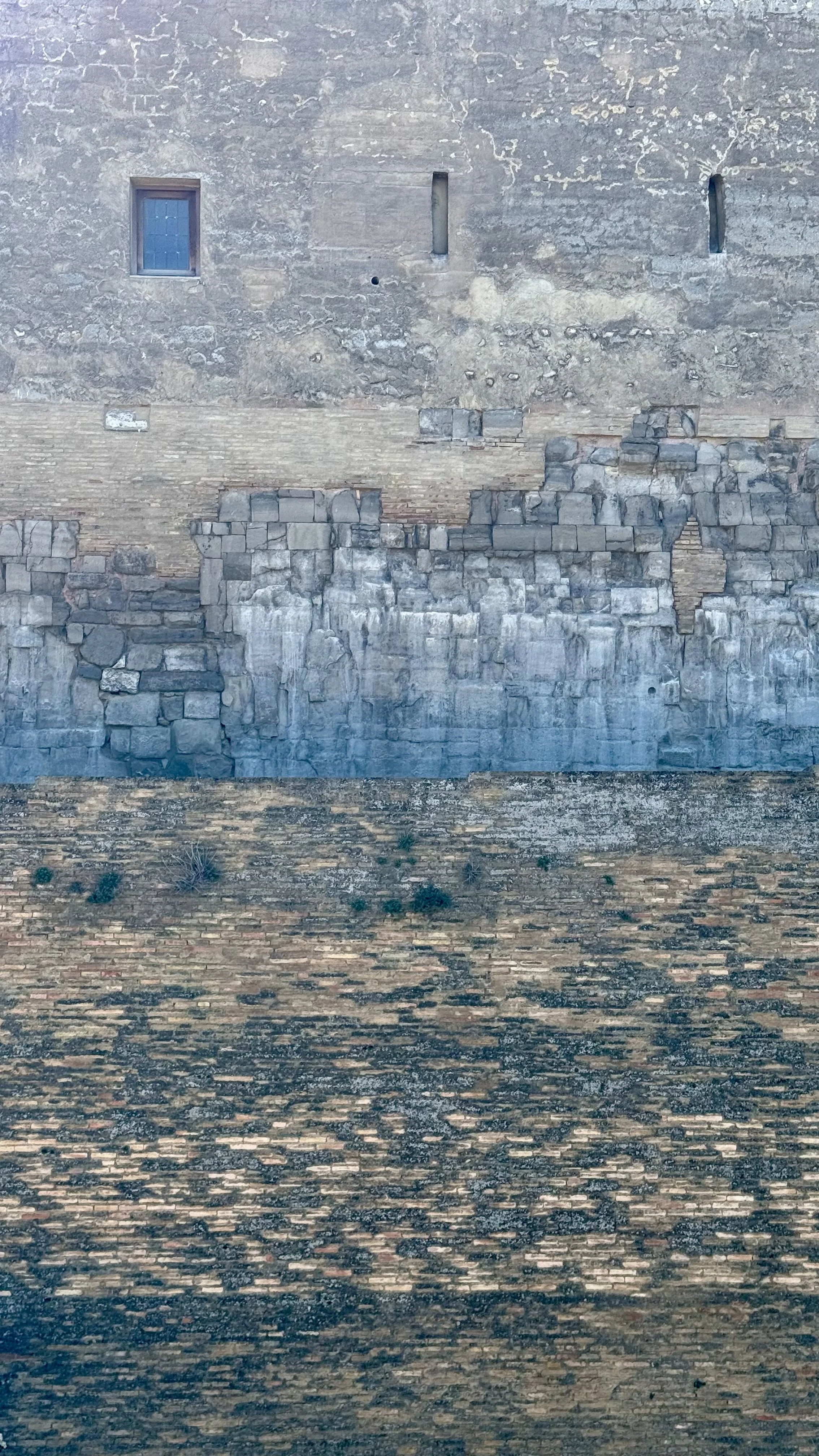
Zaragoza is the capital of the autonomous community of Aragon, situated on the banks of the Ebro River in north-eastern Spain, roughly midway between Madrid, Barcelona, Bilbao, and Valencia. Its vernacular architecture combines traditional Aragonese brick buildings with Renaissance townhouses and an outstanding legacy of Mudéjar architecture, reflecting the city’s Christian and Islamic heritage. Significant landmarks include the Basílica de Nuestra Señora del Pilar, the La Seo Cathedral, the Aljafería Palace, and the Roman remains scattered throughout the historic centre. The surrounding countryside is sustained by irrigation from the Ebro, producing cereals, vineyards, olive groves, fruit, and vegetables, while sheep farming remains important on the drier plains beyond. Zaragoza stands out from similar Spanish cities because of its remarkable layering of Roman, Islamic, Mudéjar, Renaissance, and Baroque heritage, together with its strategic position on the Ebro, which has made it one of Spain’s principal crossroads for more than two thousand years.
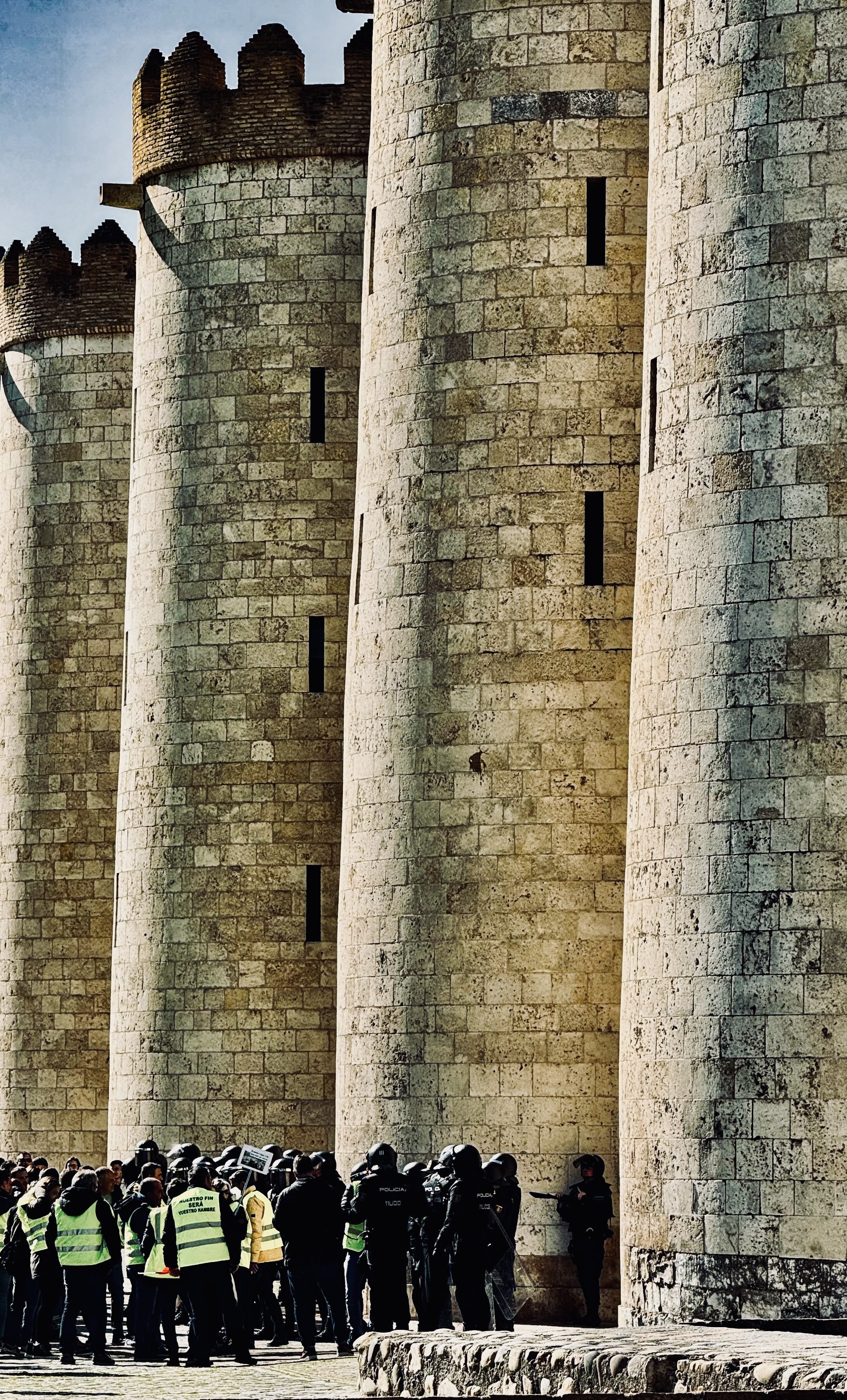
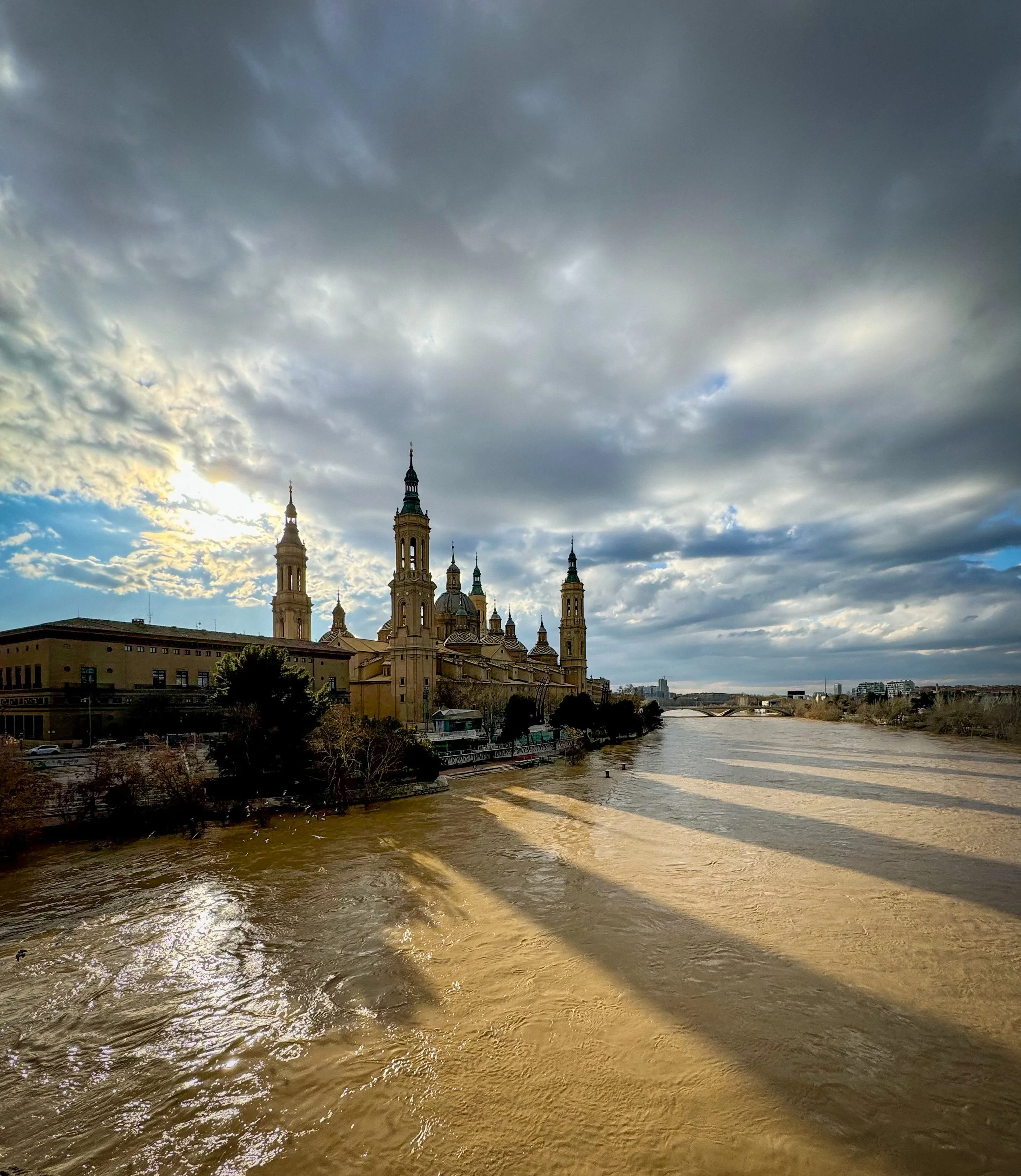
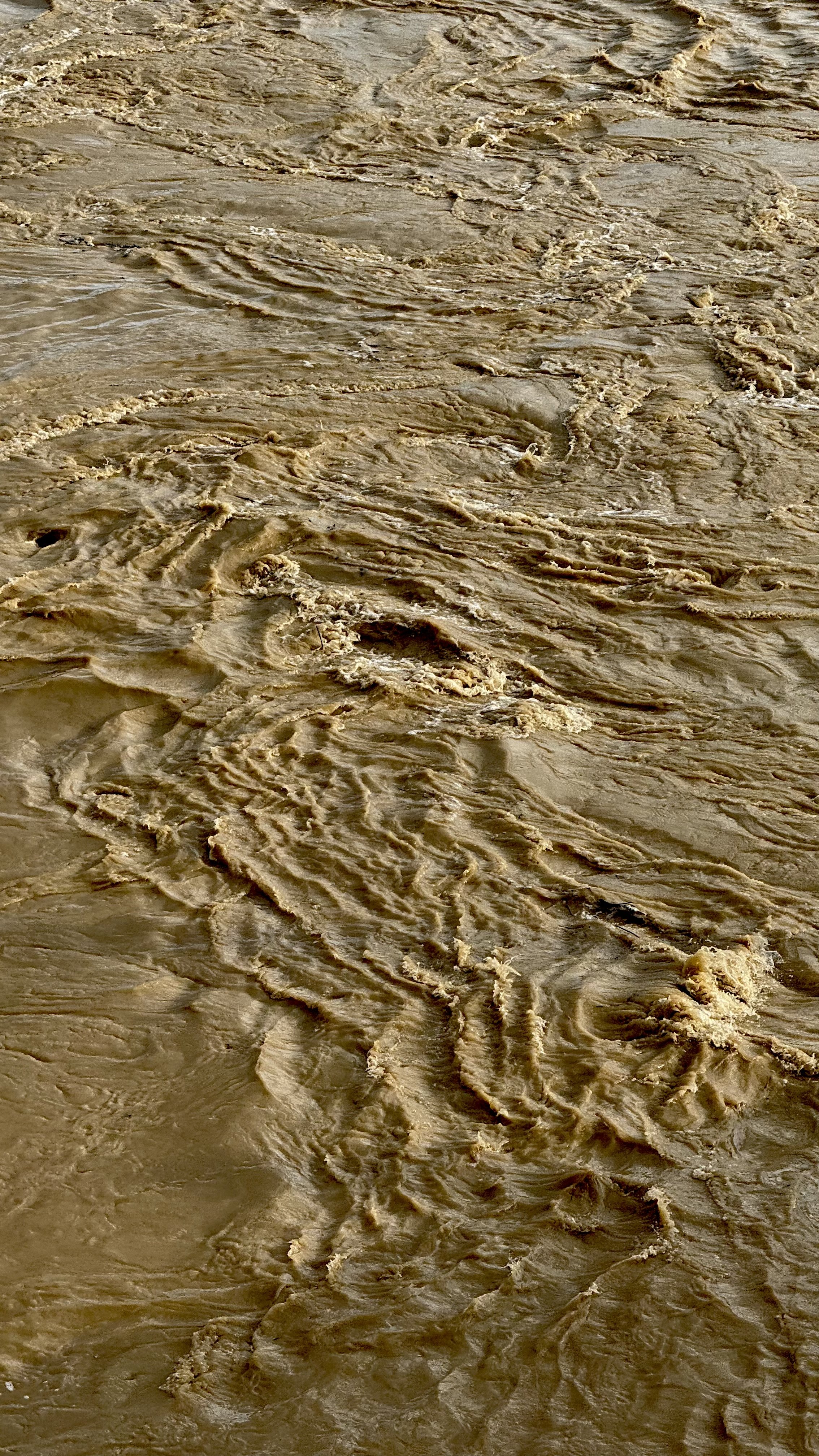
When we arrived in Zaragoza, the Ebro was in full spate, creating a dramatic backdrop to our visit. At the same time, the city was experiencing a large farmers’ demonstration, apparently linked to concerns about European regulations, which added a sense of energy and activity to the streets. Unfortunately, one consequence was that the Aljafería Palace was closed to visitors, so we missed one of the city’s great highlights. Nevertheless, we had a wonderful time in Zaragoza. We found the people exceptionally friendly, the city welcoming, and the food quite outstanding. It was a place that immediately felt lived-in and authentic, and one we would gladly return to explore further.