Pallarés - provincia de Badajoz - M1 2026
Pallares is a small village located within the landscape of the Sierra Morena foothills. Its vernacular architecture reflects traditional Lower Extremaduran rural life, with whitewashed houses, granite details, simple forms, and features such as vaulted interiors and agricultural buildings linked to farming and livestock. The surrounding economy has historically been based on vineyards, olive groves, small-scale cultivation, and especially the dehesa system of extensive livestock farming, including Iberian pigs, cattle, and sheep. What makes Pallares different from similar rural towns is its strong connection to the dehesa landscape and its long agricultural heritage, with a history shaped by traditional wine production, ancient settlements, and a close relationship between village life and the surrounding countryside.
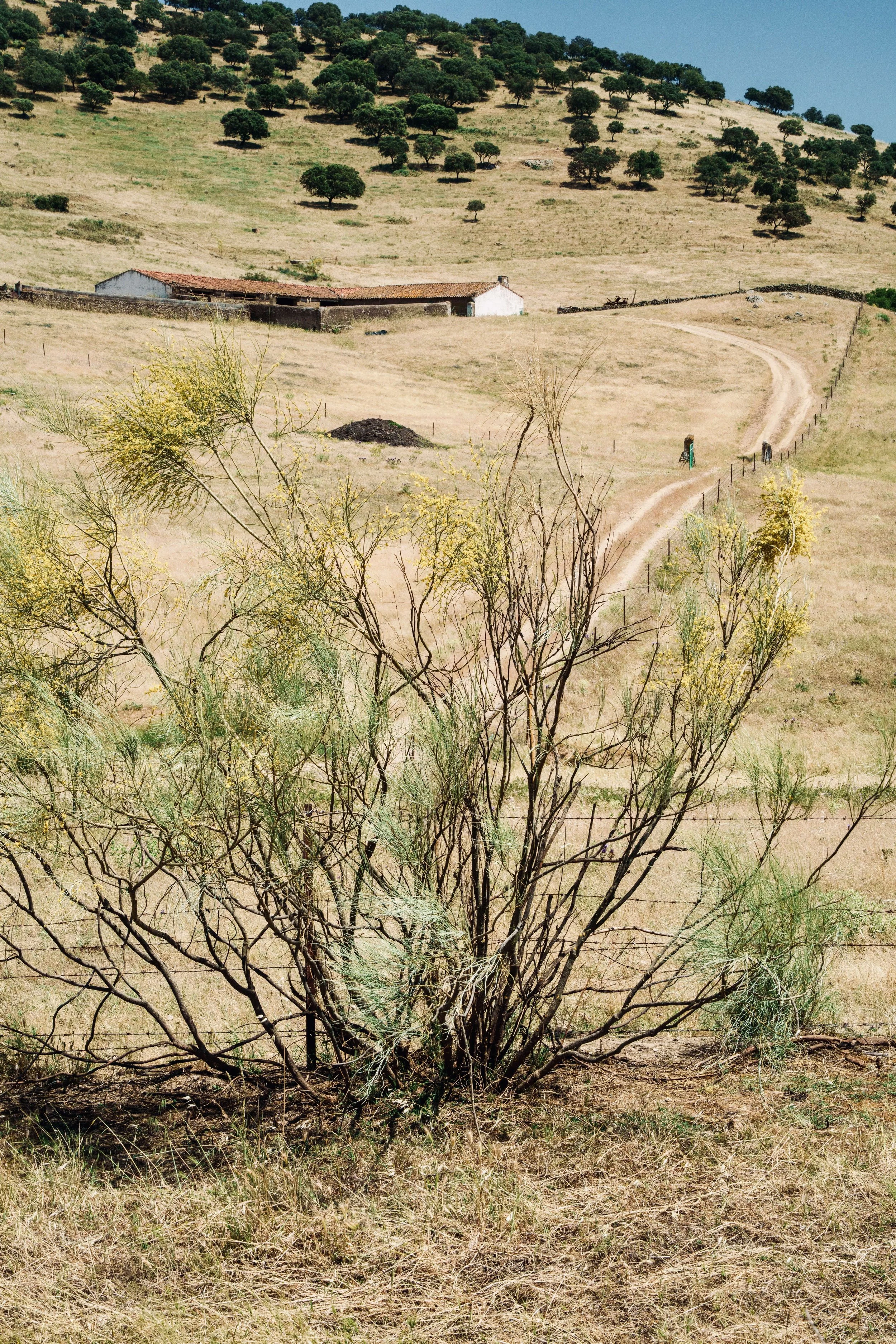
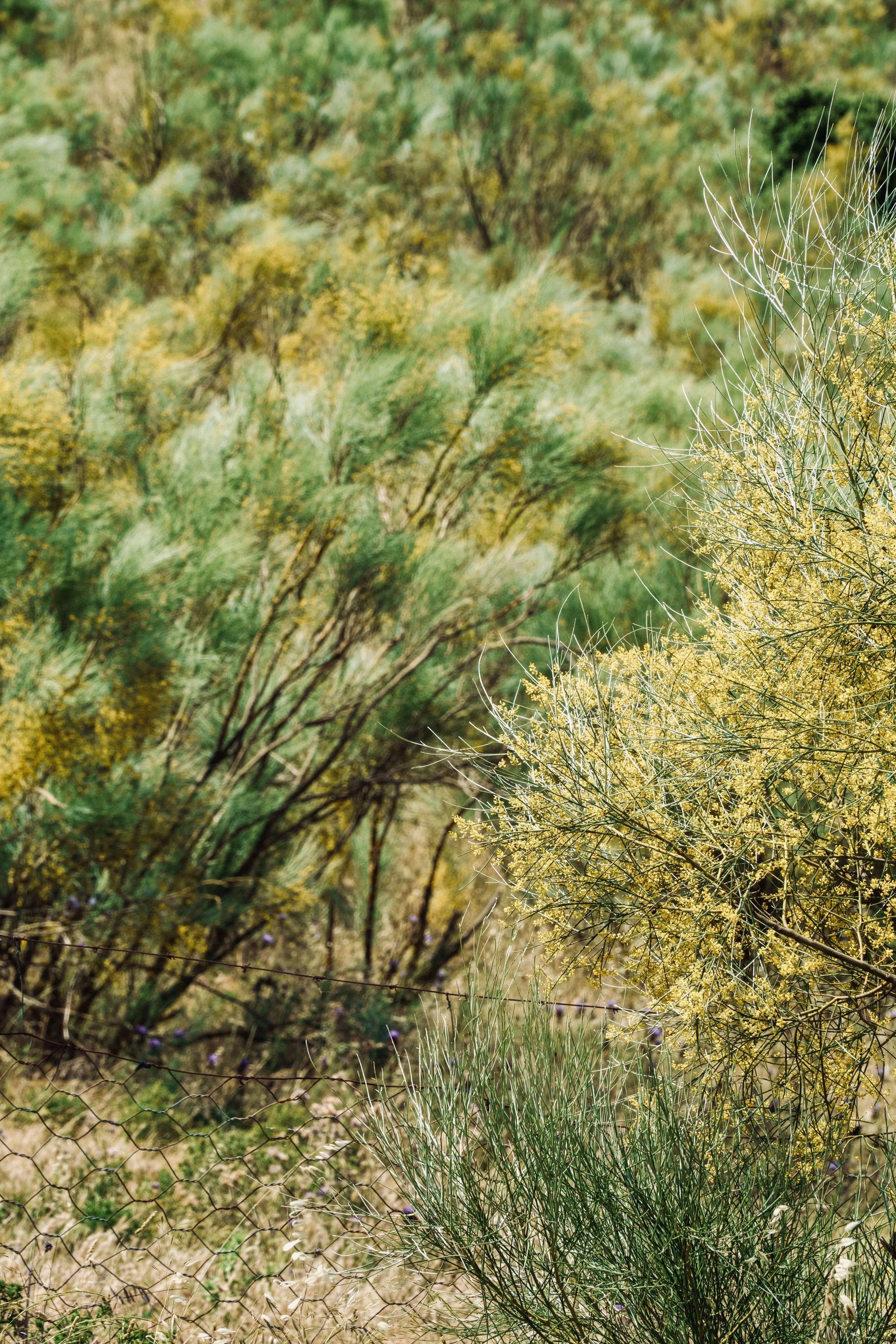
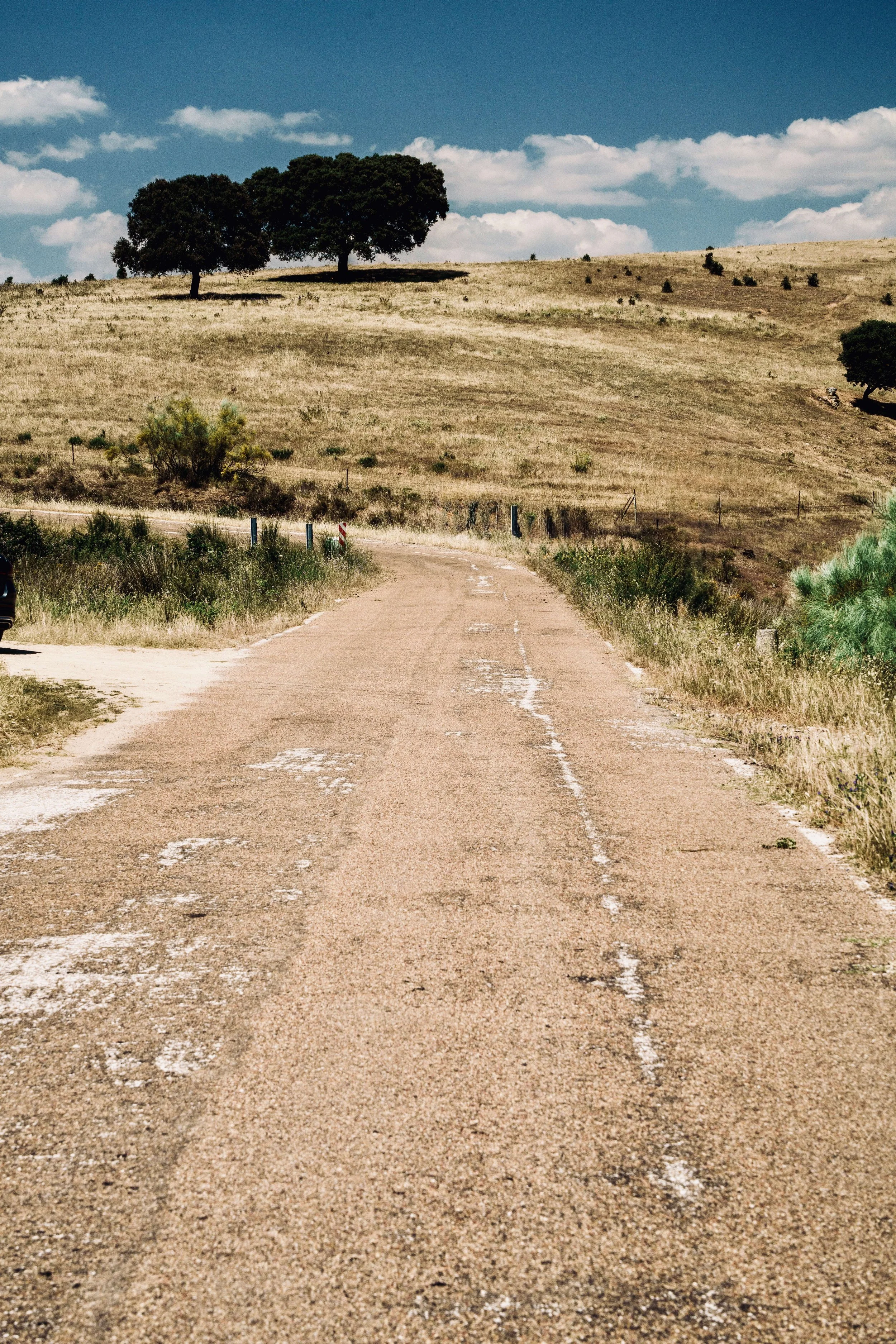
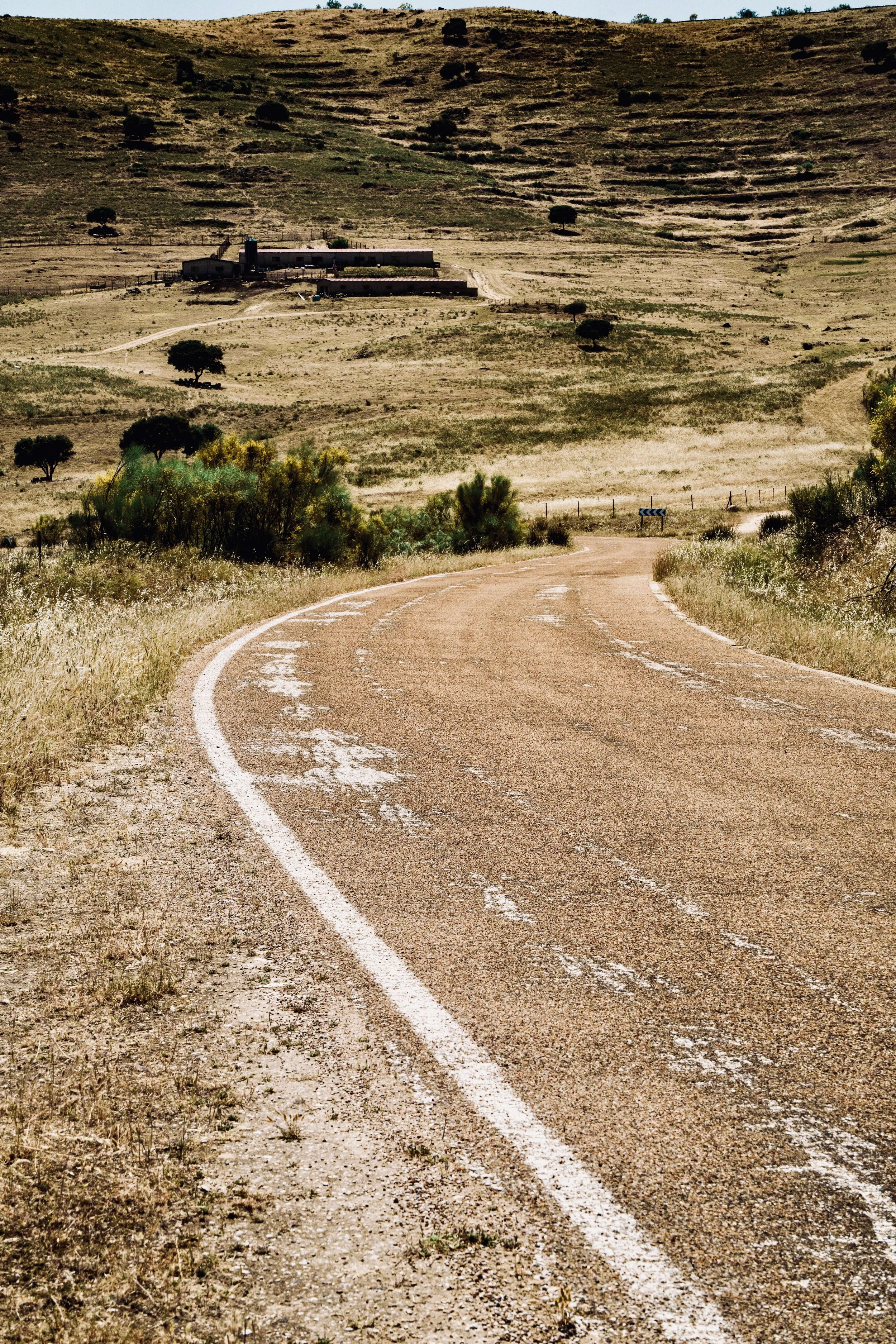
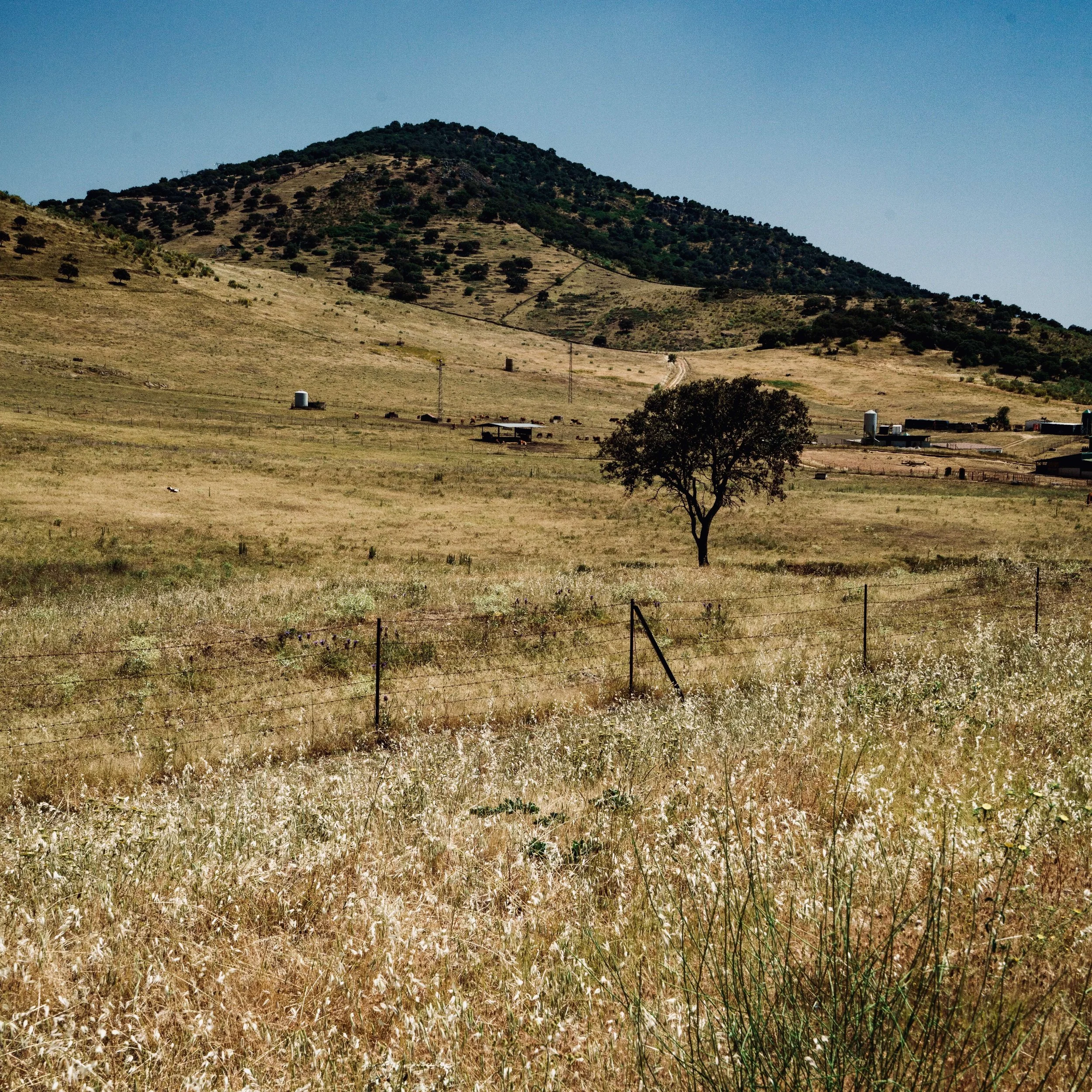
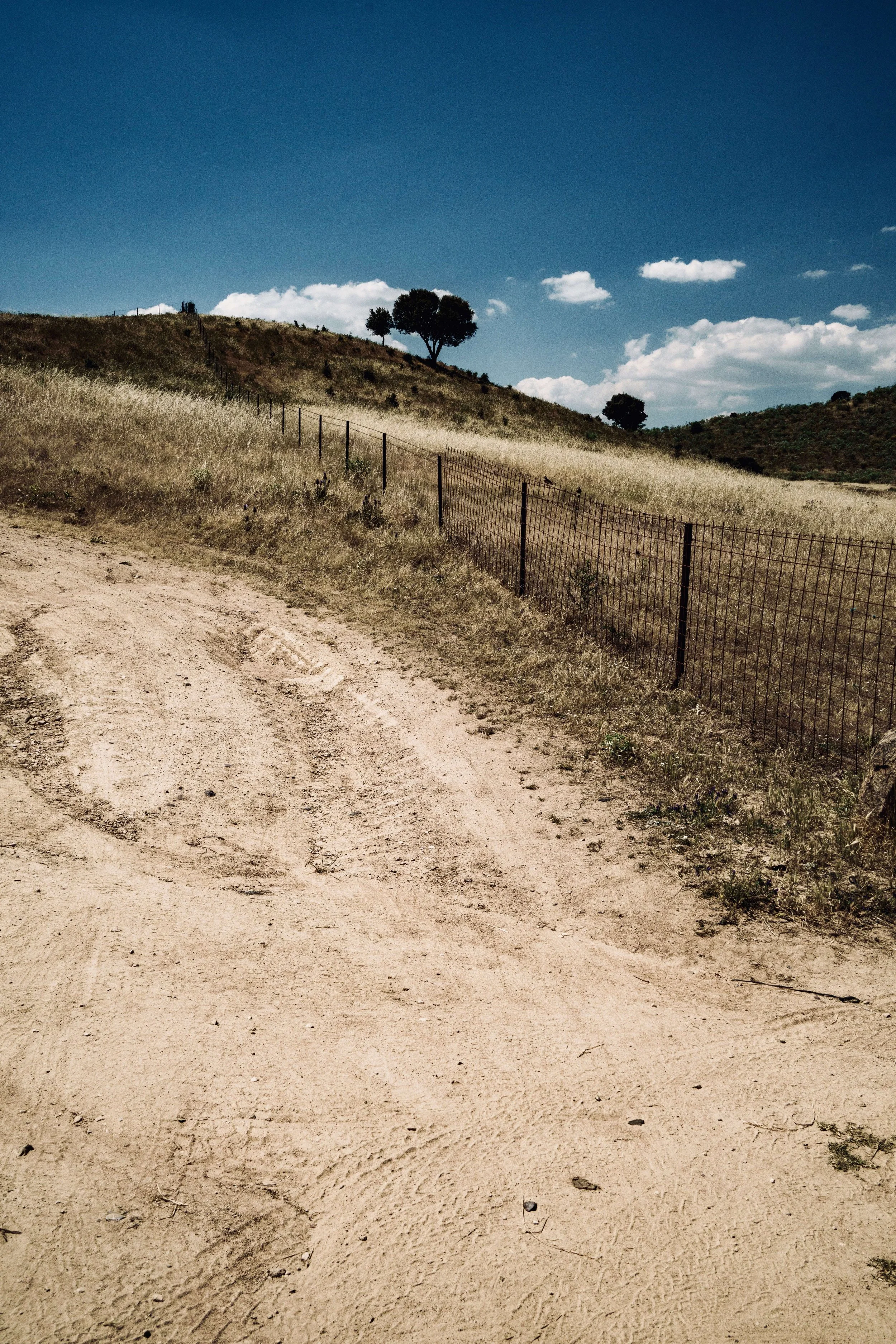
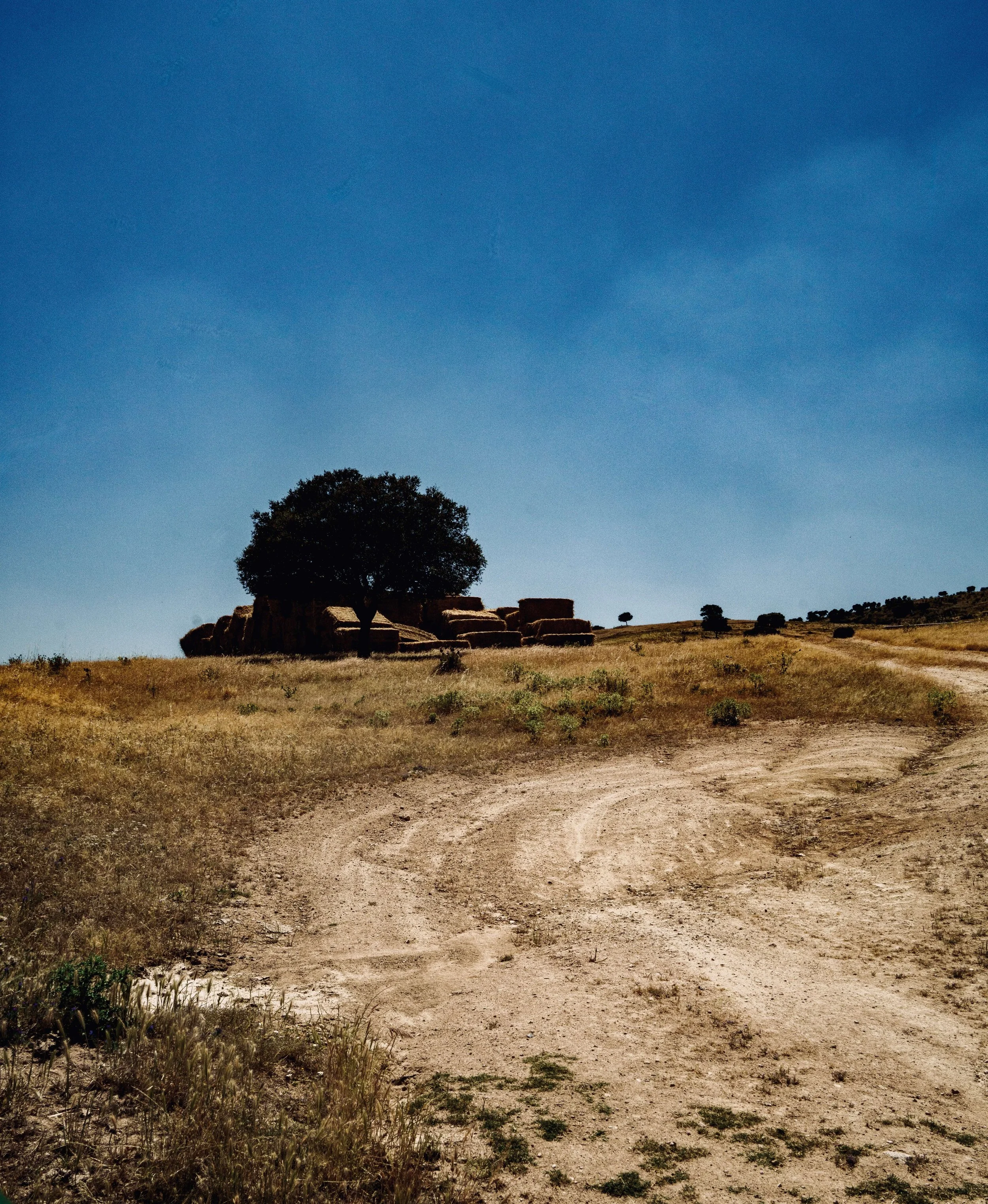
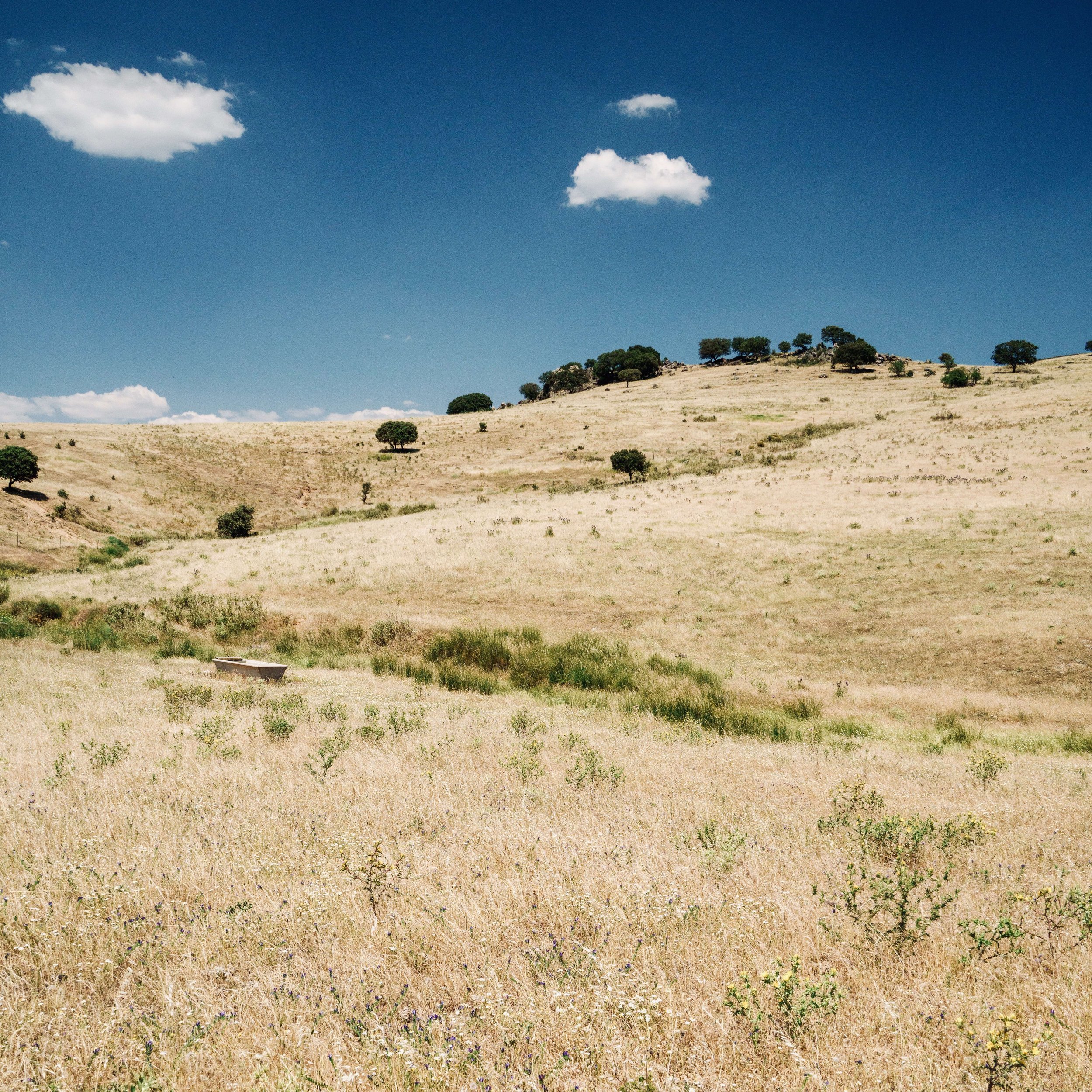
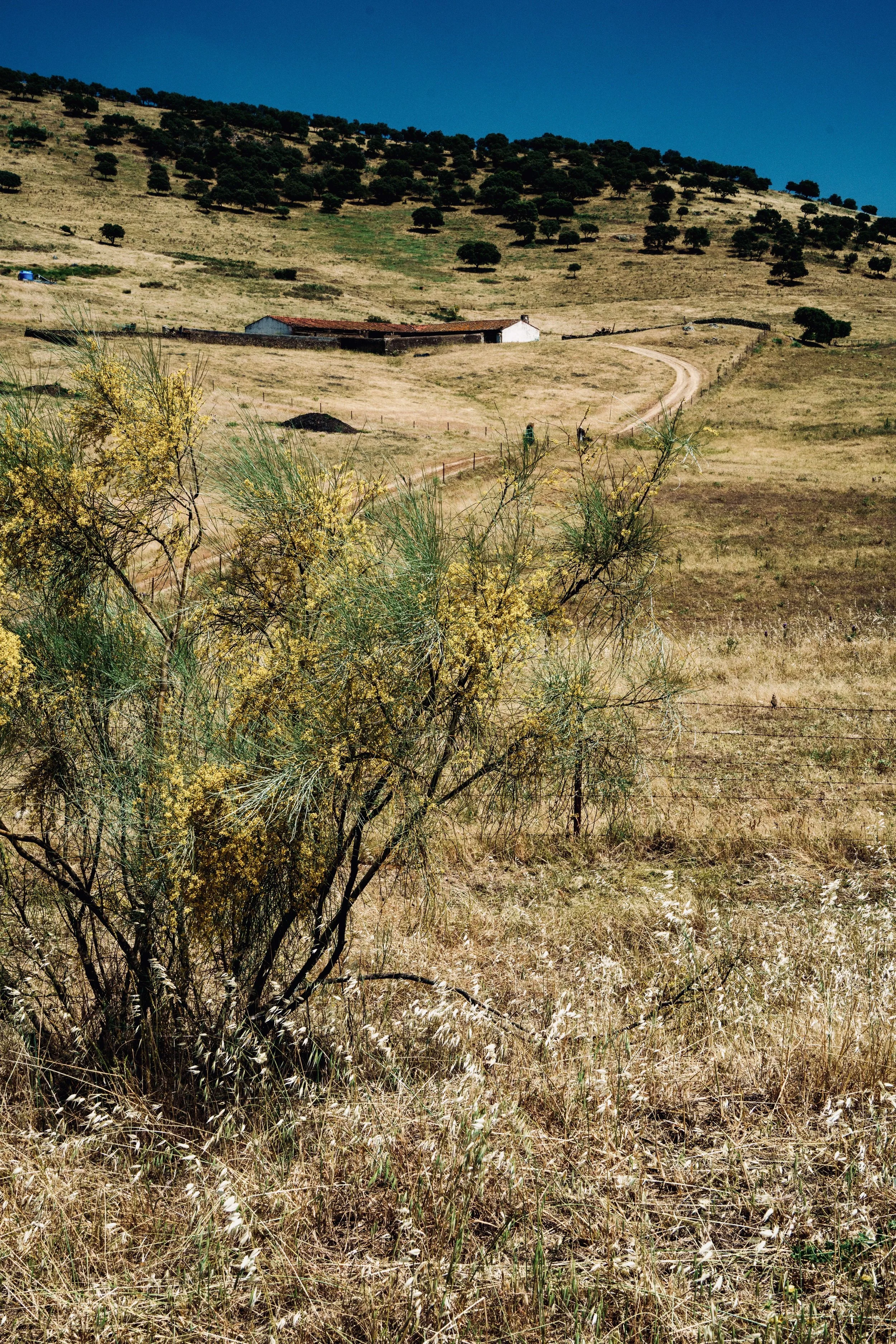
We left the Autovía de la Plata at Monesterio and followed the EX-103 through Pallares towards Llerena. The route took us through the heart of the dehesa landscape — open woodland pastures where holm oaks (encinas) and cork oaks (alcornoques) are scattered across gently rolling hills. The oaks, together with the flowering weaver’s broom, looked spectacular, creating a timeless Extremeño scene. Equally striking were the isolated farm buildings of the ganaderos, standing quietly among the pastures and reflecting the traditional rhythm of rural life in this region. We saw plenty of the local cattle grazing across the landscape, although we did not encounter any Iberian pigs on this particular stretch of road.The road was wonderfully quiet and remote, and we stopped several times to photograph the scenery, the ancient trees and the distinctive agricultural landscape of the Sierra Morena.