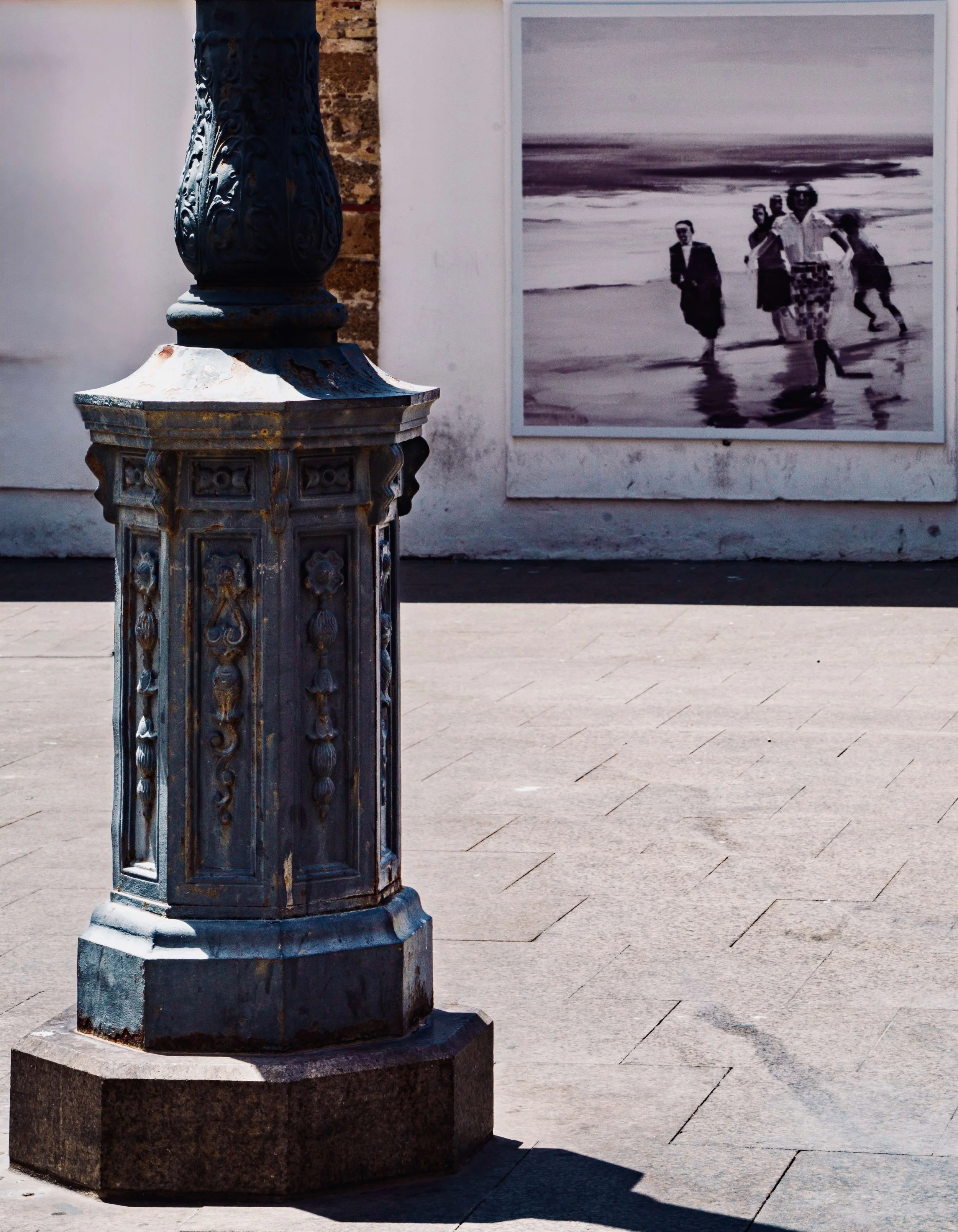
Cádiz - provincia de Cádiz - M1 2026
Cádiz, Spain is one of the oldest continuously inhabited cities in Western Europe. Jutting out into the Atlantic Ocean on a narrow peninsula, the port boomed in the 16th-century as a base for exploration and trade. On the waterfront is the domed, 18th-century Cádiz Cathedral, featuring baroque and neoclassical elements. Constrained by its peninsular geography, the city maximizes space through four-story, multi-family housing clustered around central courtyards. The design provides excellent cross-ventilation, shaded narrow streets, and unique solar-control elements to combat intense Atlantic weather. Cádiz’s historic residential architecture relies on several distinct, defining features: Traditional dwellings utilize verticality, organizing apartments around narrow, light-welcoming central courtyards. Many facades feature cierros—traditional projecting balconies enclosed by metal or wood-and-glass window structures. TowerHouses, historically used as merchant watchtowers to spot incoming ships, the 133 iconic watchtowers punctuating the skyline. Thick, high-thermal-mass envelopes coated in lime deflect intense summer sunlight while retaining heat to provide comfort during cooler nights.
.
We have been visiting Cádiz for over 30 years, yet somehow we still manage to get lost in its winding streets and unexpected corners. The locals call this part of the city “CádizCádiz” - the old town, and it remains a wonderfully intricate place to explore. The narrow lanes, hidden squares, ancient buildings and glimpses of the sea around almost every corner create a sense that the city is always revealing something new. After three decades of visits, Cádiz still has the ability to surprise us — a reminder that some places are never truly mastered, only continually rediscovered. This year there is an exhibition on the facades of the central market “Et in Arcadia ego” by Antonio Álvarez del Pino, showing scenes from the life of his family.
Mercado Central
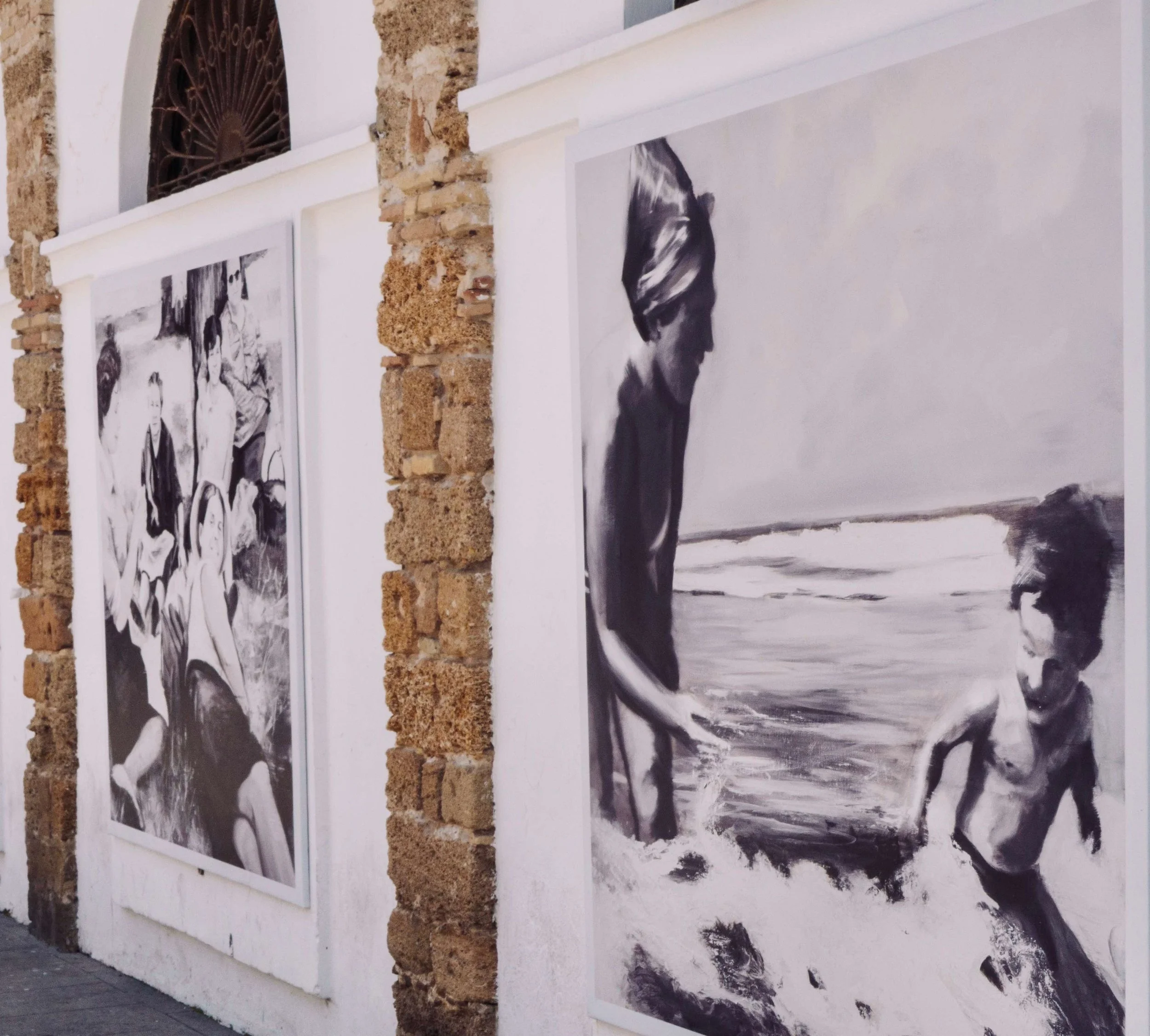
Mercado Central
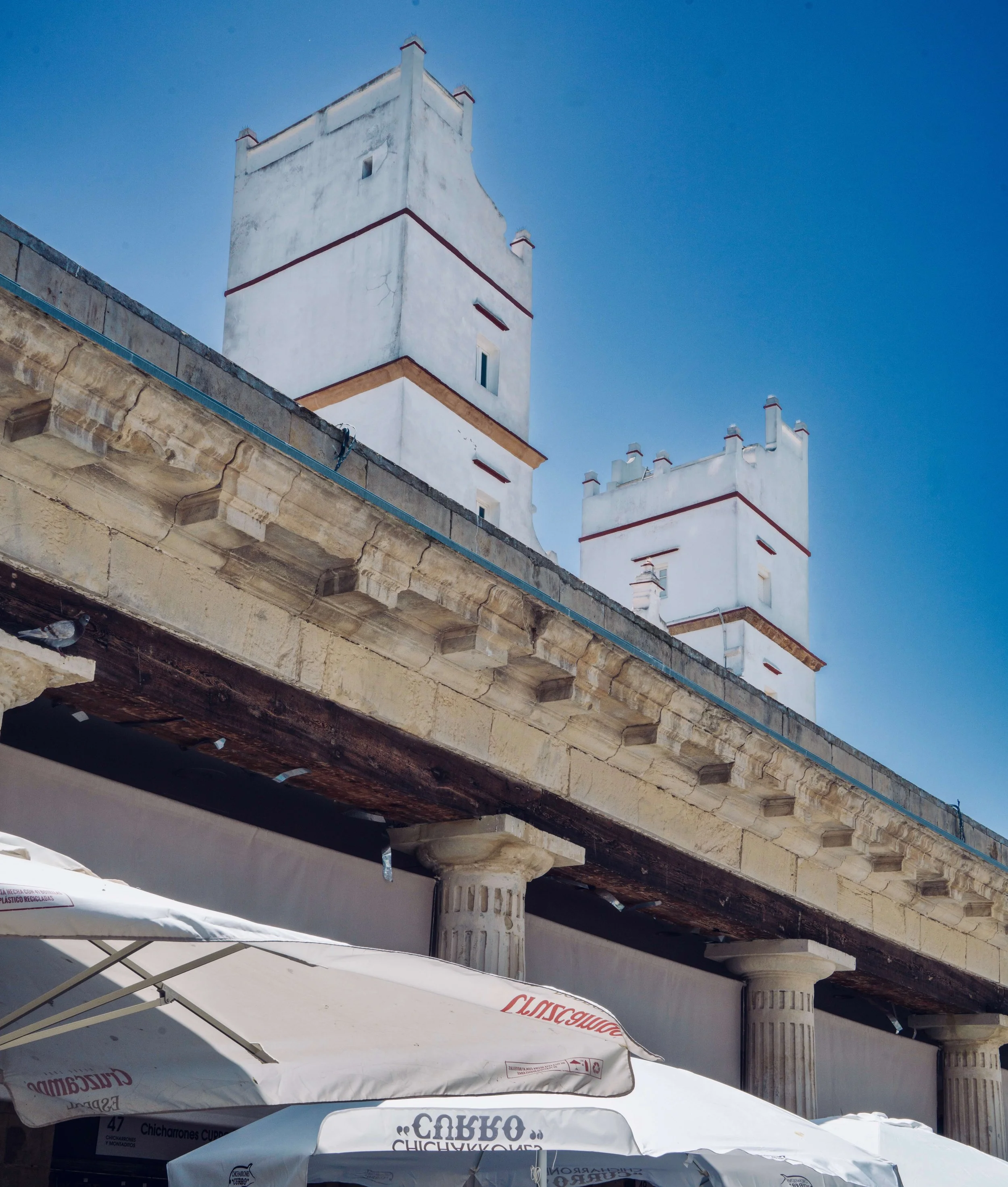
Mercado Central
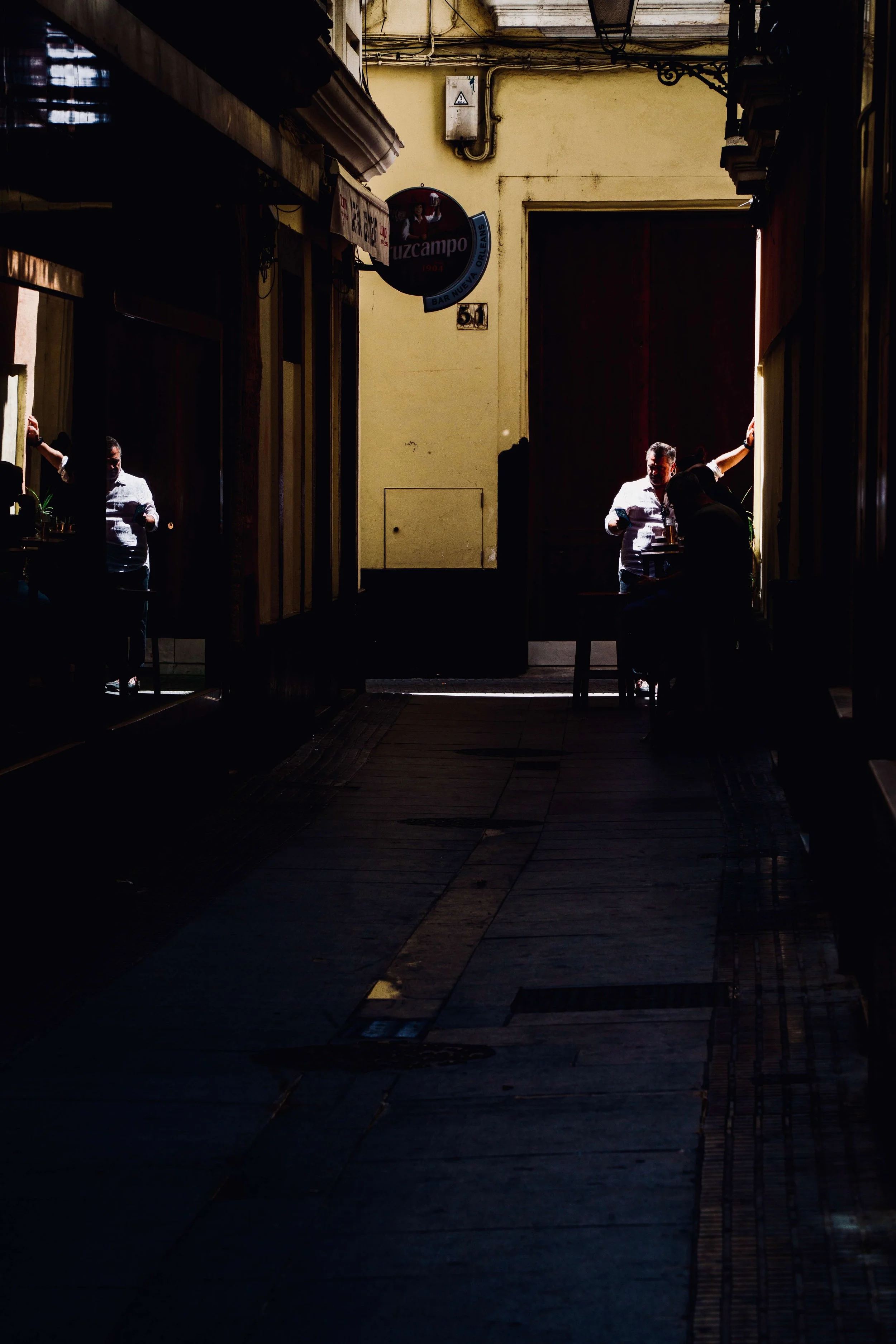
Calle Churruca
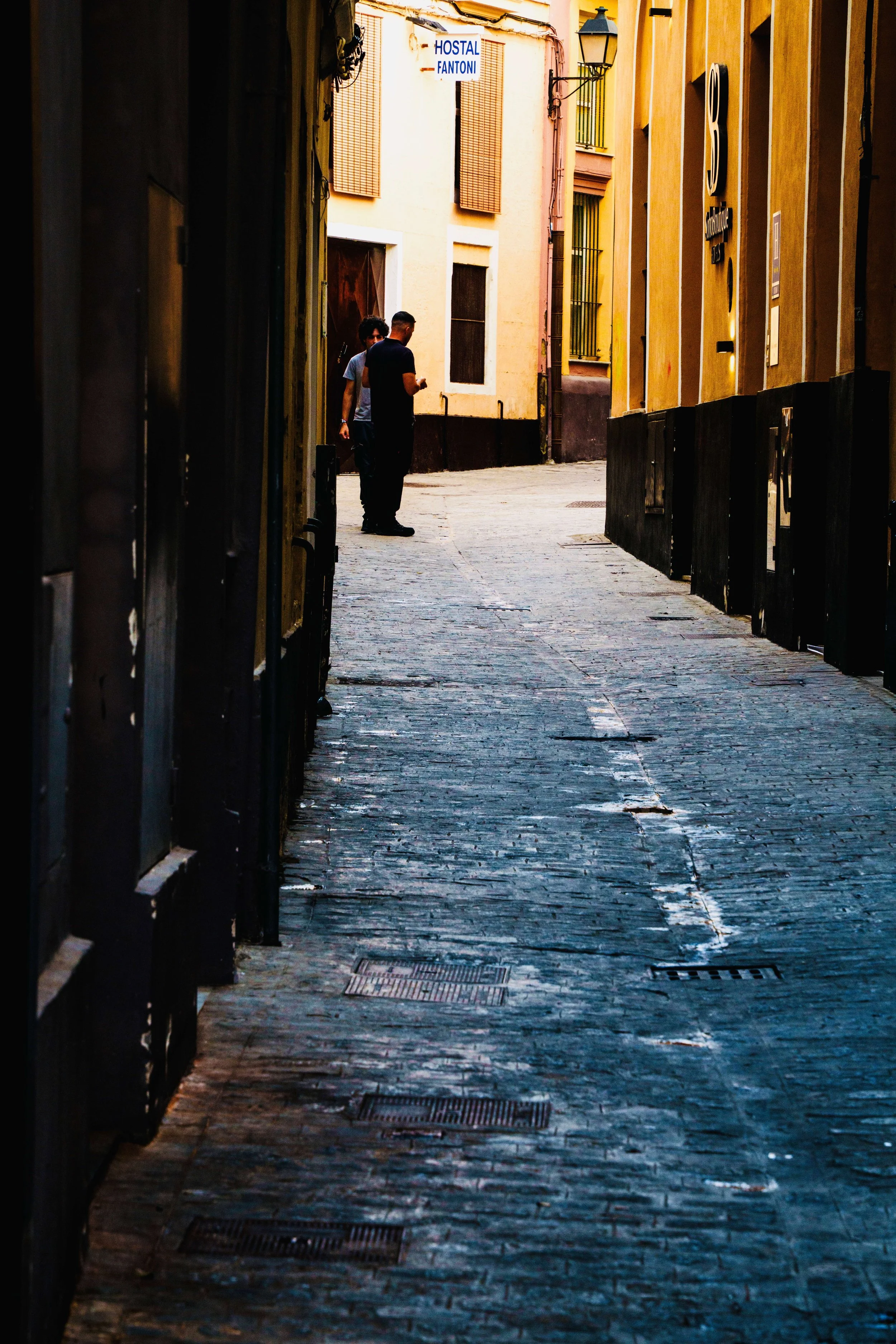
Calle Flamenco
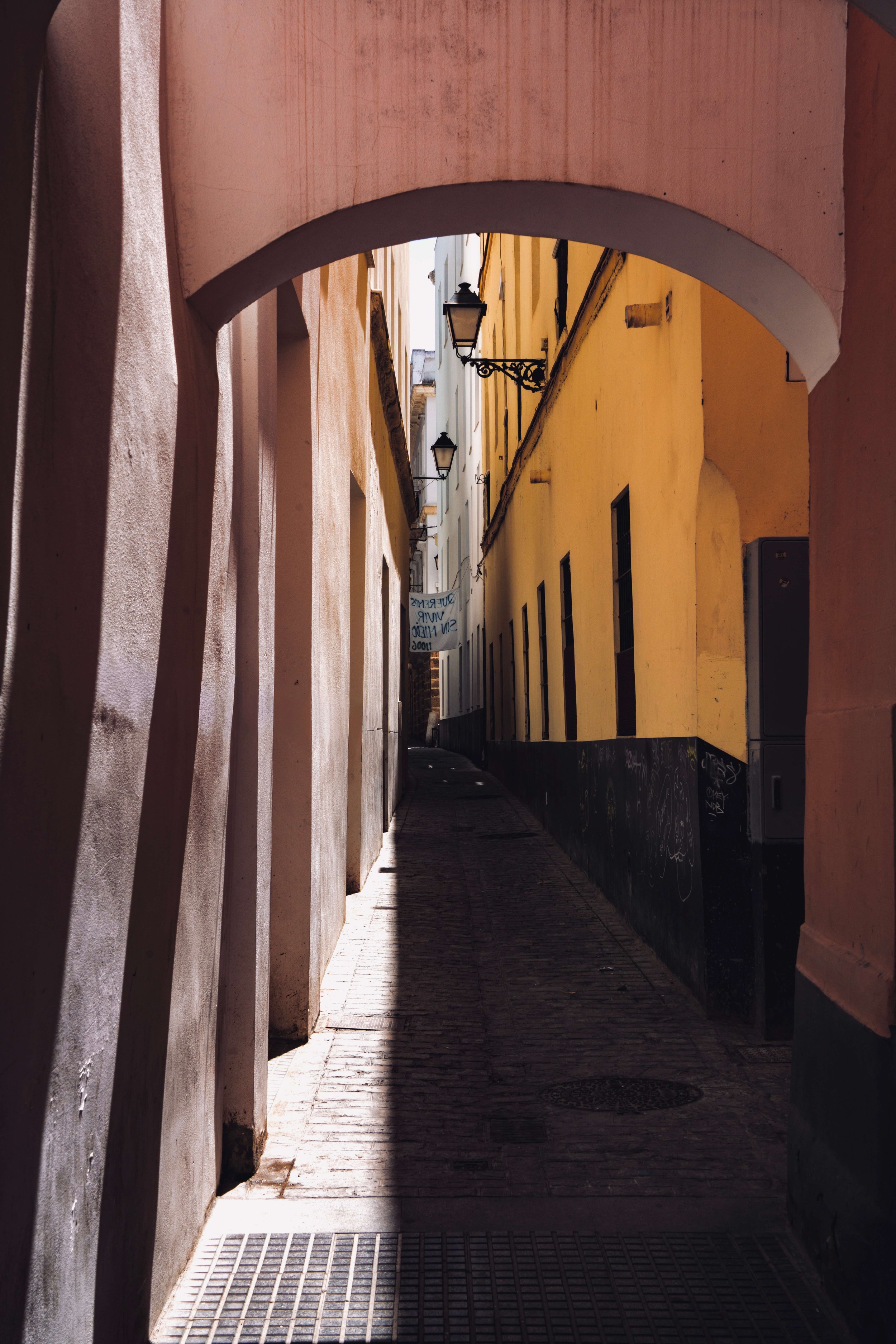
Calle Amaya
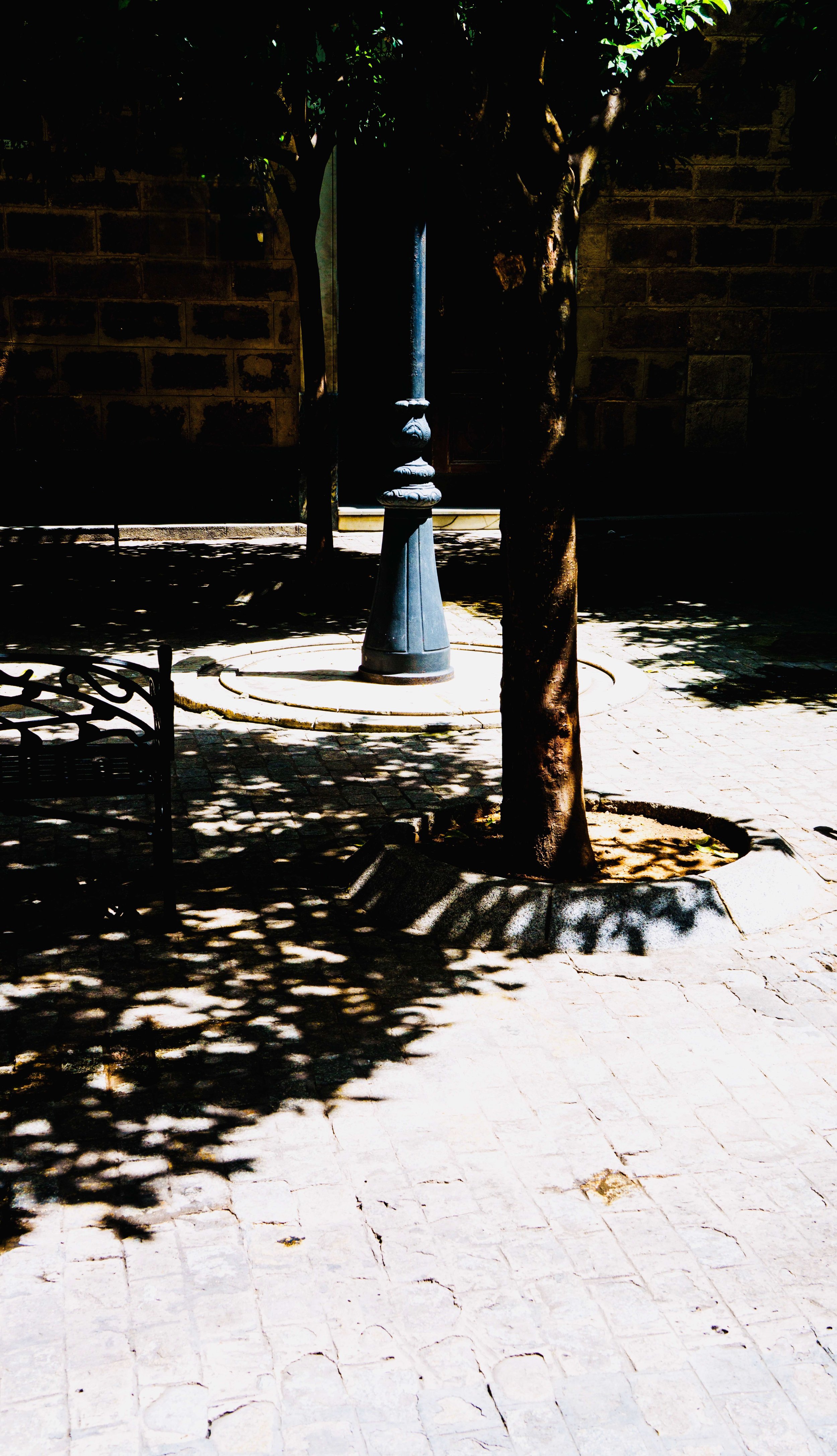
Plaza de San Augustin