Vejer de la Frontera - provincia de Cádiz M3 - 2025
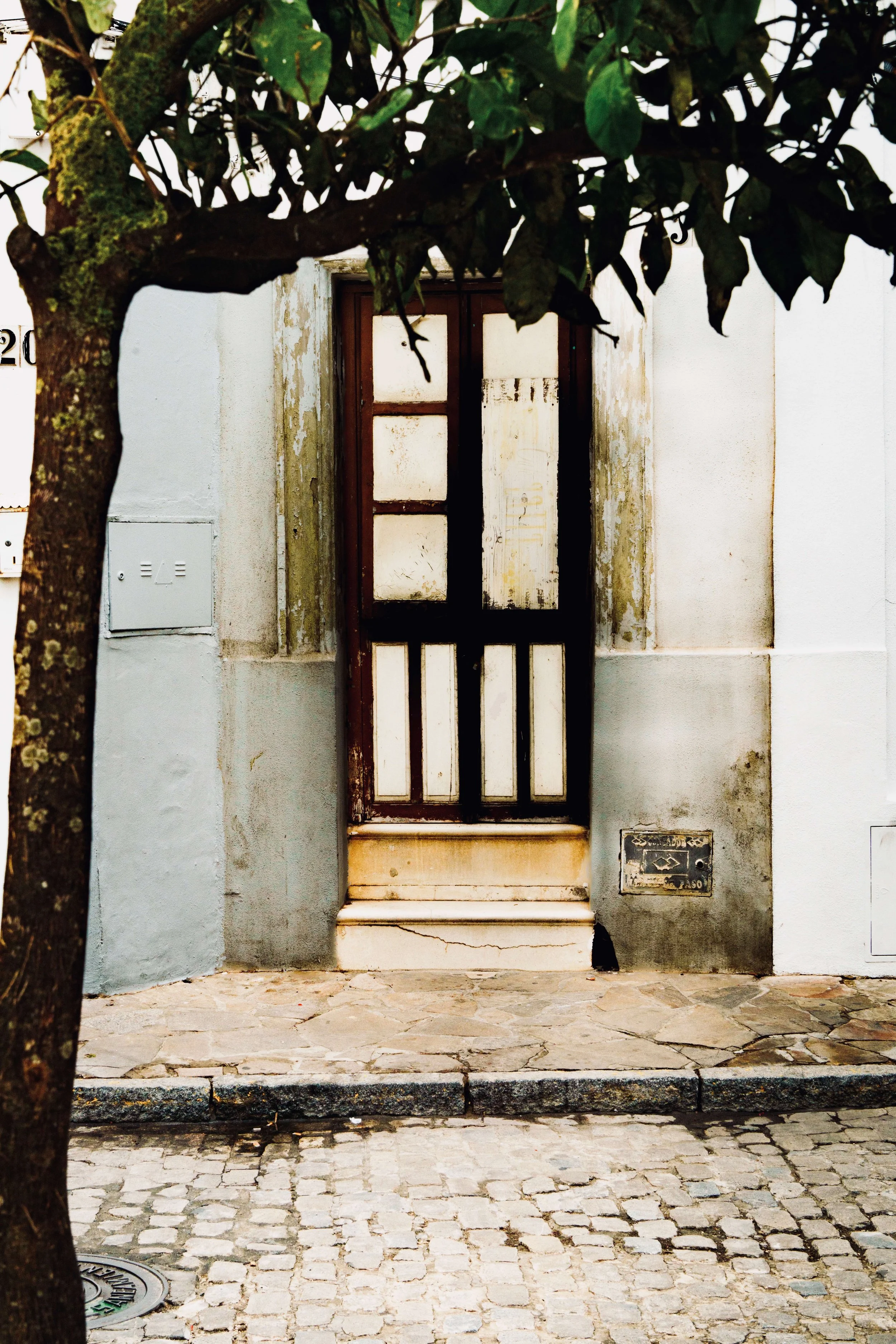
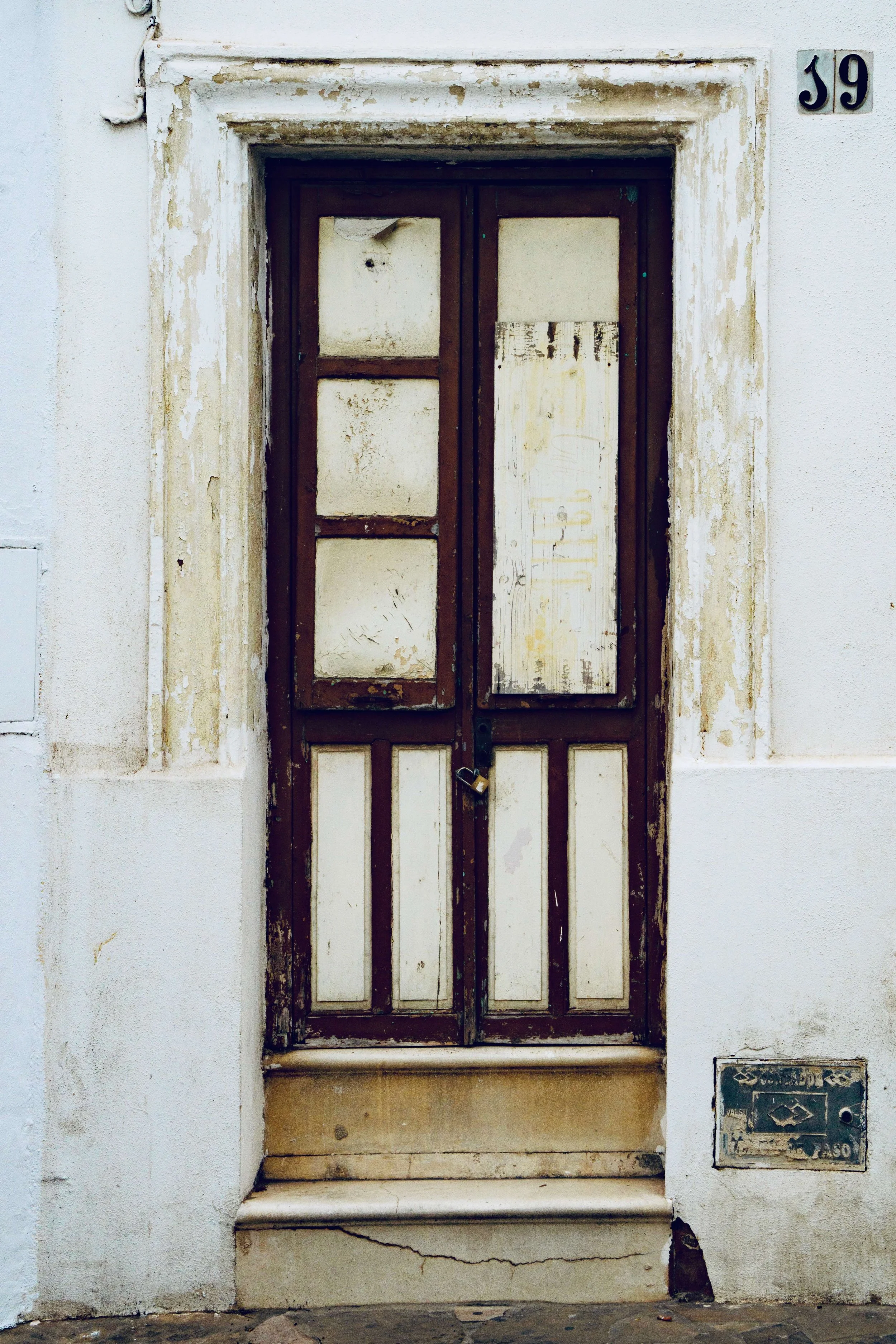
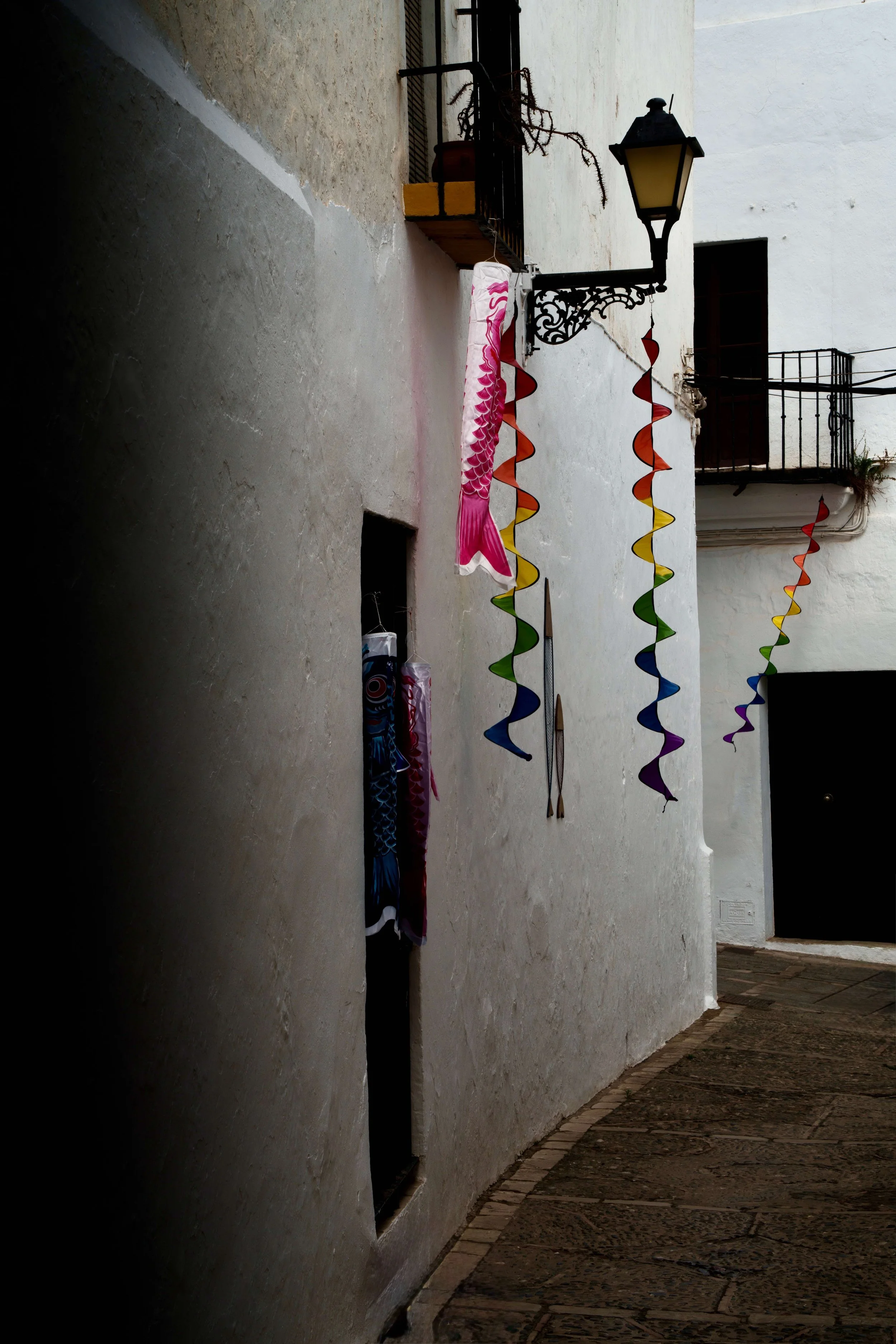
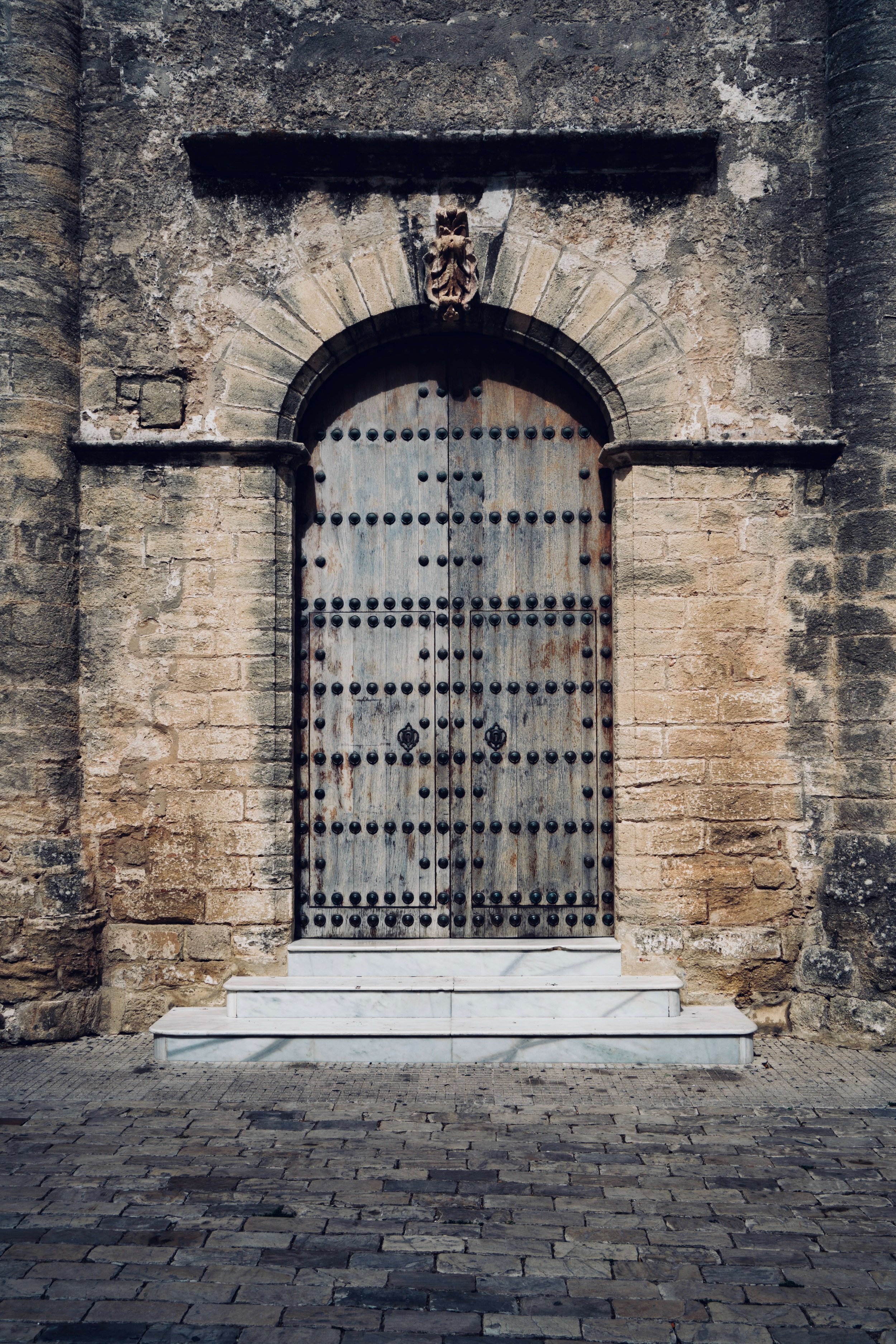
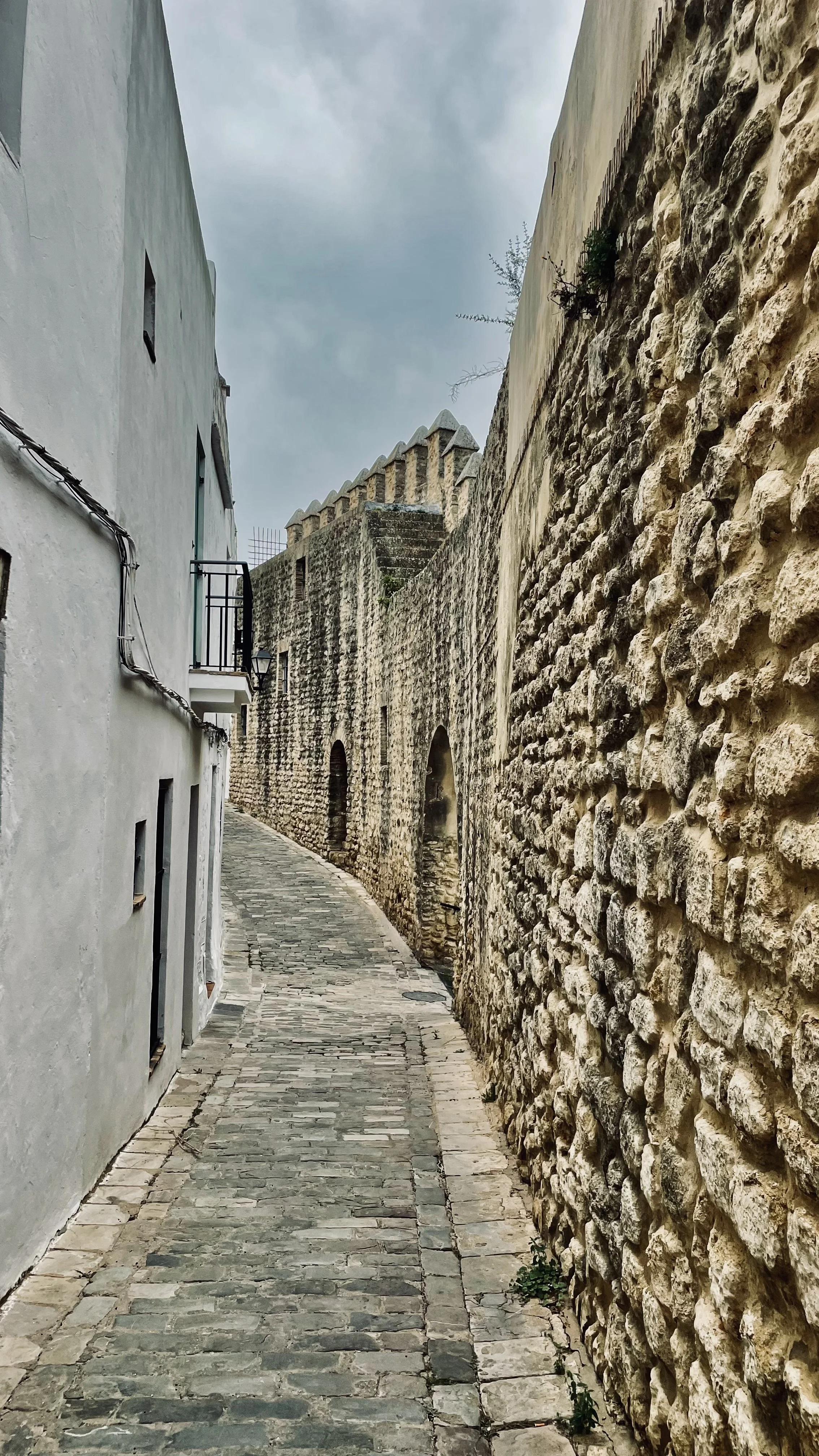
Vejer de la Frontera is a historic hill town (pueblo blanco) in the province of Cádiz, Andalusia, perched on a ridge above the Rio Barbate overlooking the surrounding countryside and close to the Atlantic coast. Its vernacular architecture is characterised by whitewashed houses, cobbled streets, enclosed patios, and traditional tiled roofs, reflecting a strong Moorish influence and adaptation to the warm climate. Important landmarks include the well-preserved medieval walls and gates, the Castle of Vejer, the Church of the Divine Saviour, and Plaza de España, one of the town’s most recognisable public spaces. The surrounding area supports agriculture centred on olive groves, cereal crops, vineyards, and livestock grazing, alongside more recent horticultural production. Vejer de la Frontera stands out from many other Andalusian white villages for its remarkably intact medieval defensive layout, its blend of Islamic and Christian architectural heritage, and its elevated position near the coast, which combines panoramic views with strong historical links to both inland agriculture and maritime trade.
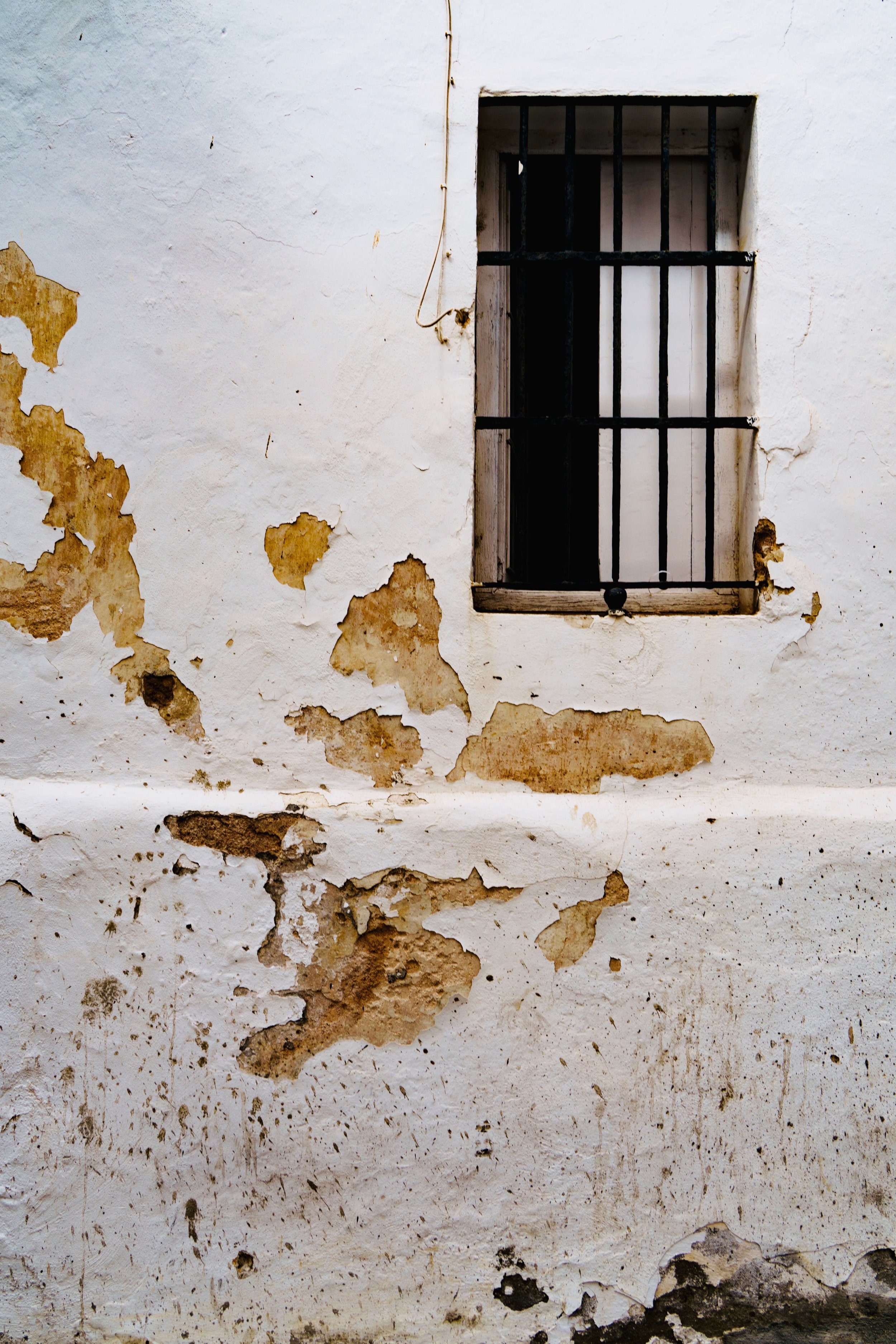
There is no doubt that Vejer de la Frontera is a beautiful town. Its whitewashed houses, narrow streets and carefully maintained public spaces make it one of the most visually striking villages in Andalucía. Yet there is also a sense that the town has undergone a considerable degree of gentrification. While this has undoubtedly enhanced its appearance and preserved much of its architectural charm, it has also softened some of the rough edges that give places their individuality and character. Walking through Vejer today, there are moments when it feels less like a living Andalusian town and more like a carefully curated version of one — almost a showcase of the “real Spain” rather than the untidy, evolving reality of everyday life. The beauty is undeniable, but with that beauty comes the question of what may have been lost in the process.