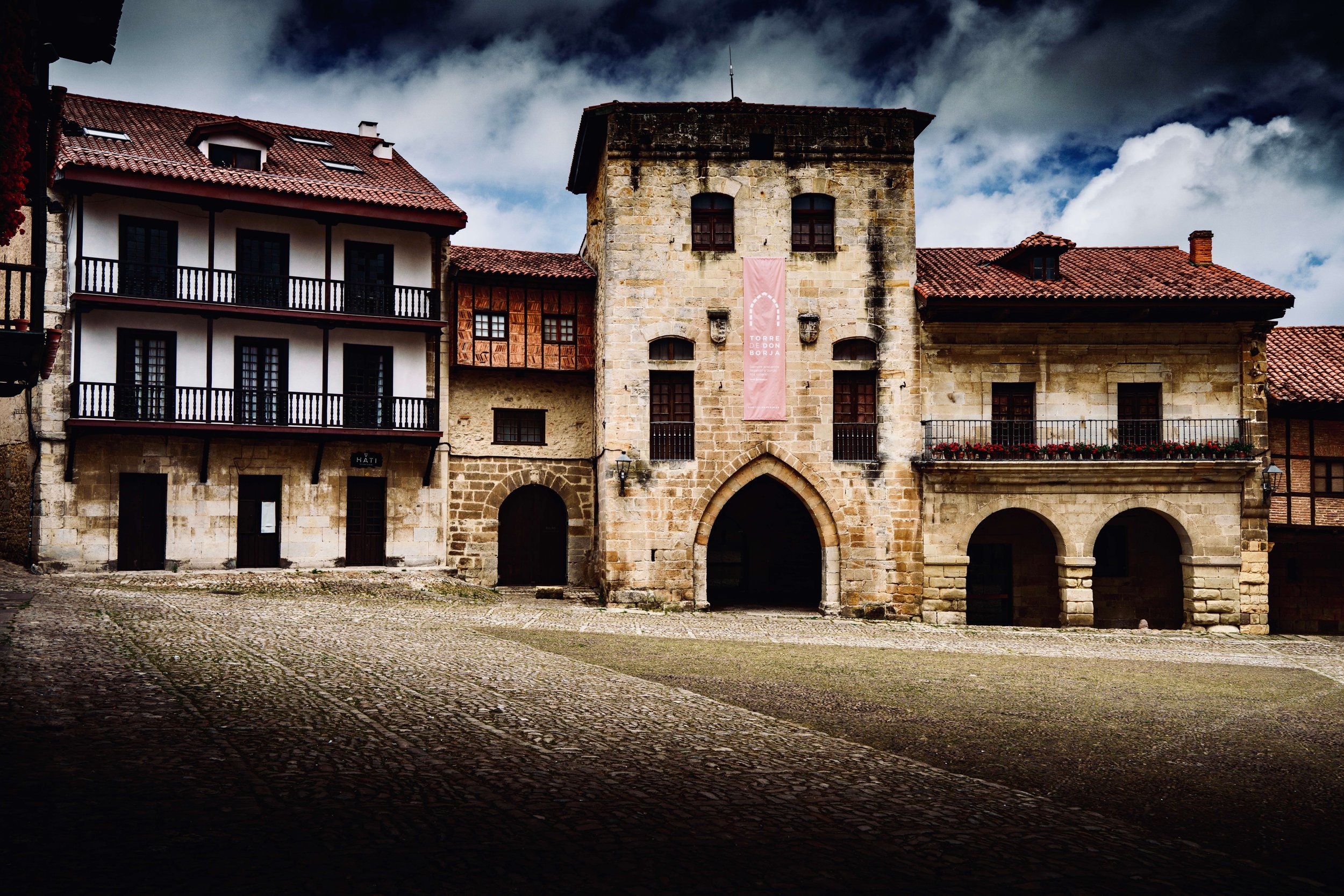
Santillana del Mar- provincia de Cantabria - M2 2026
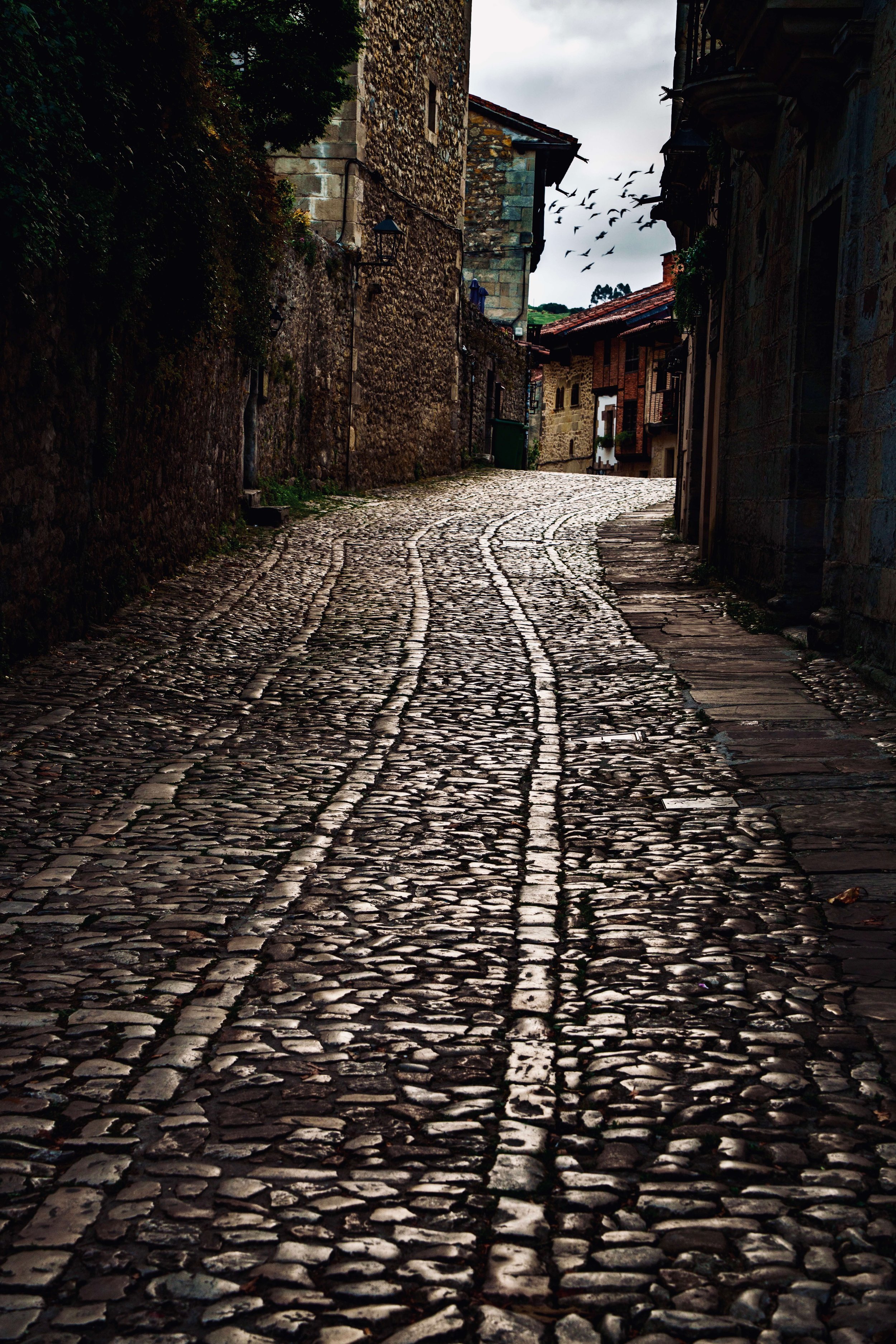
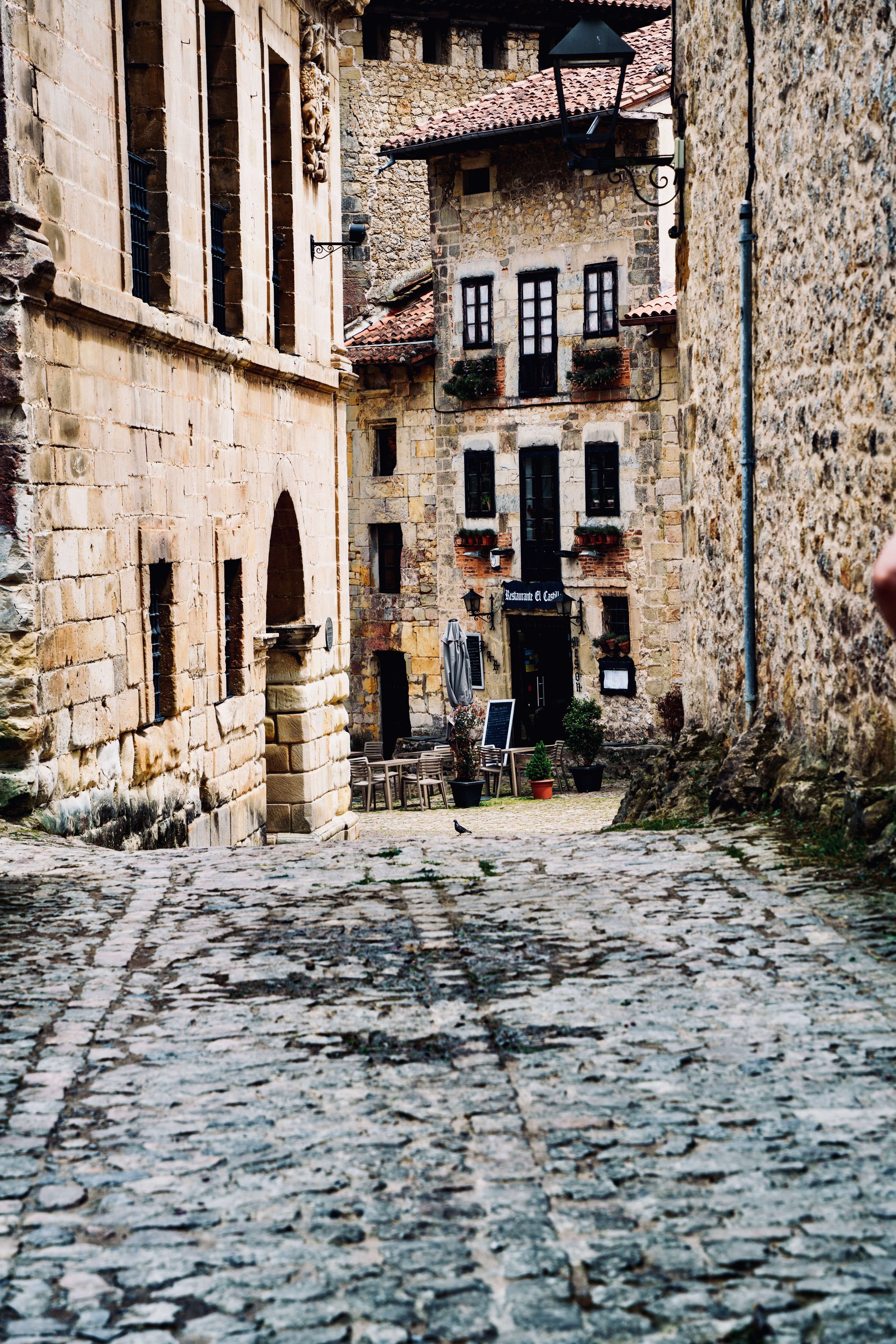
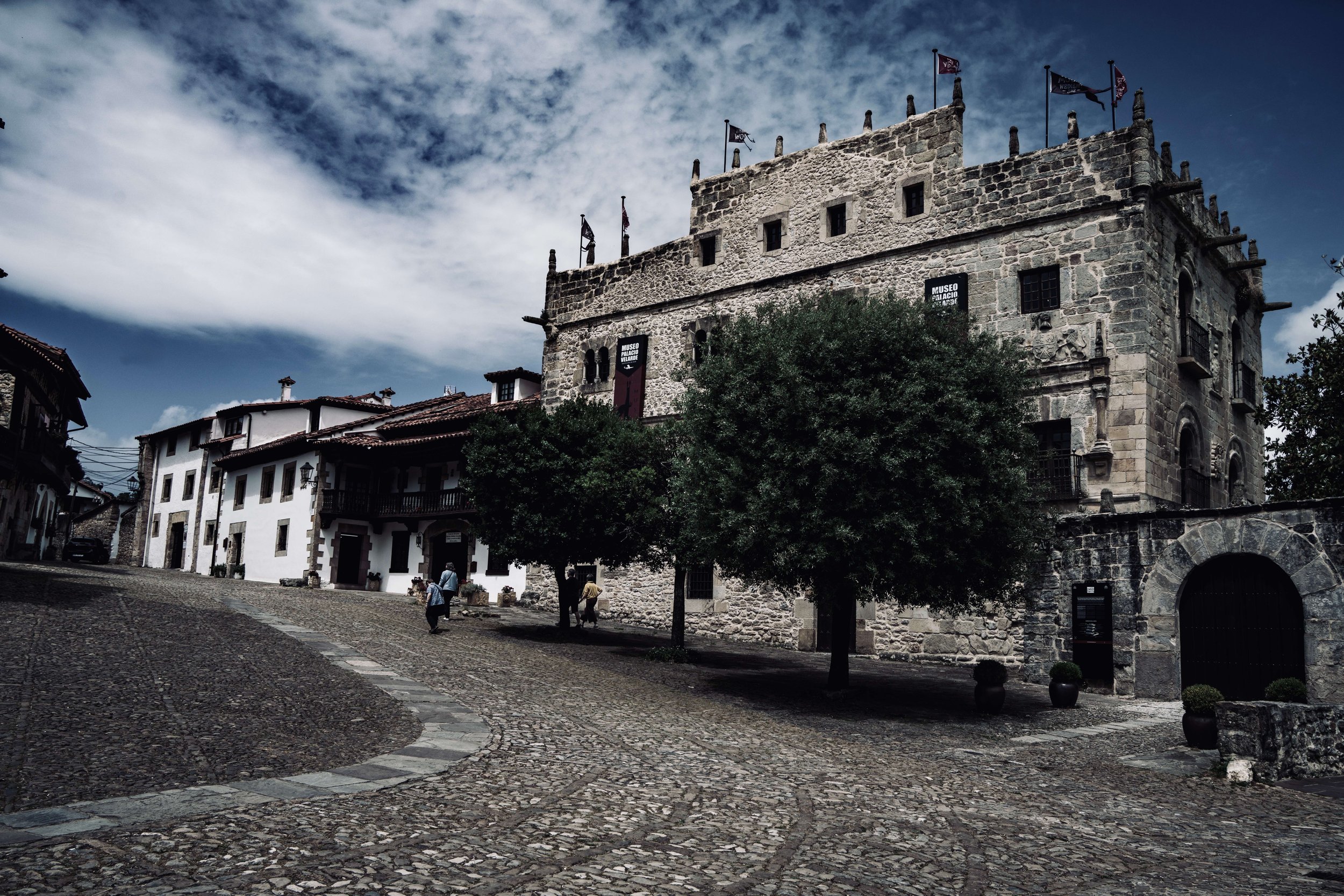
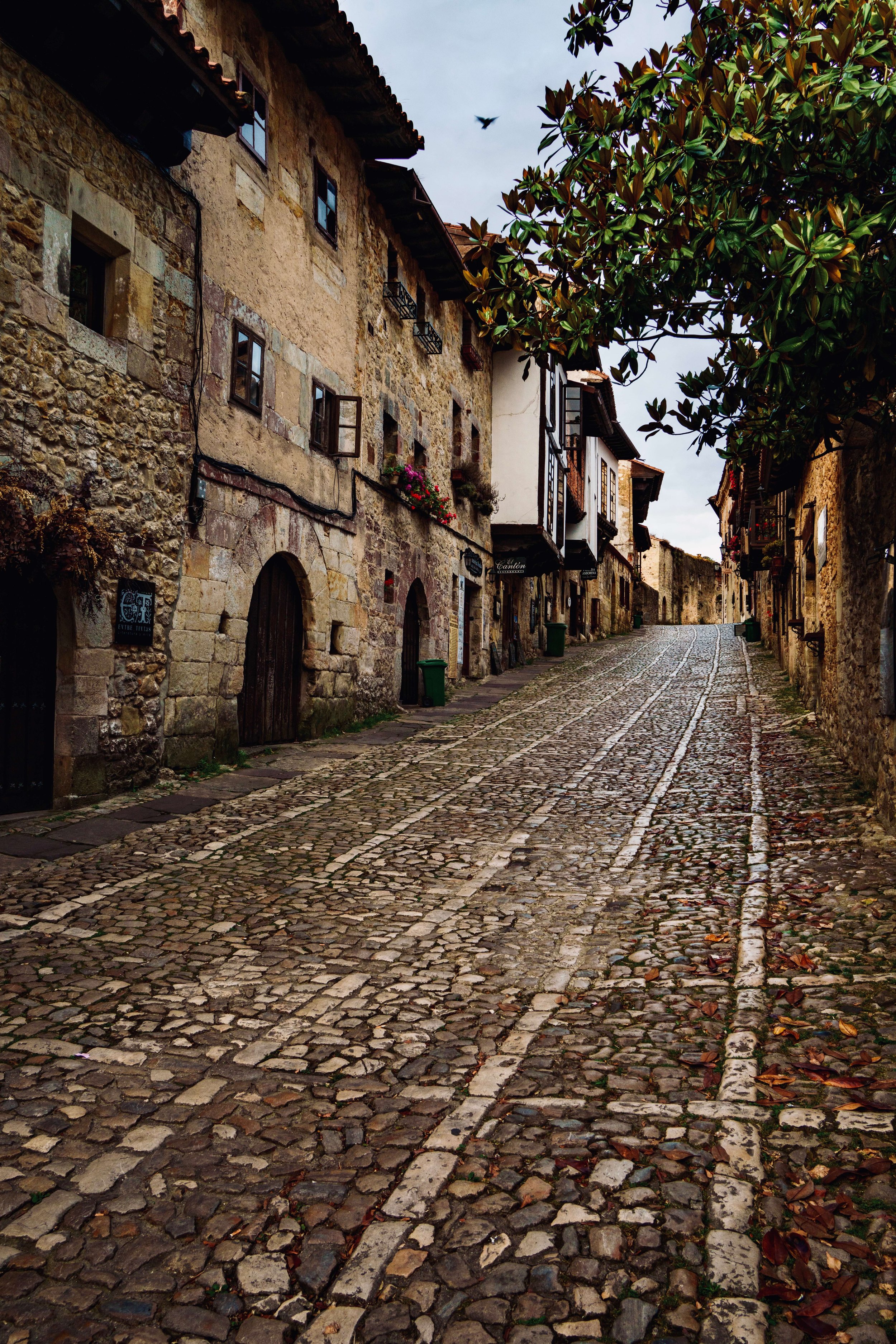
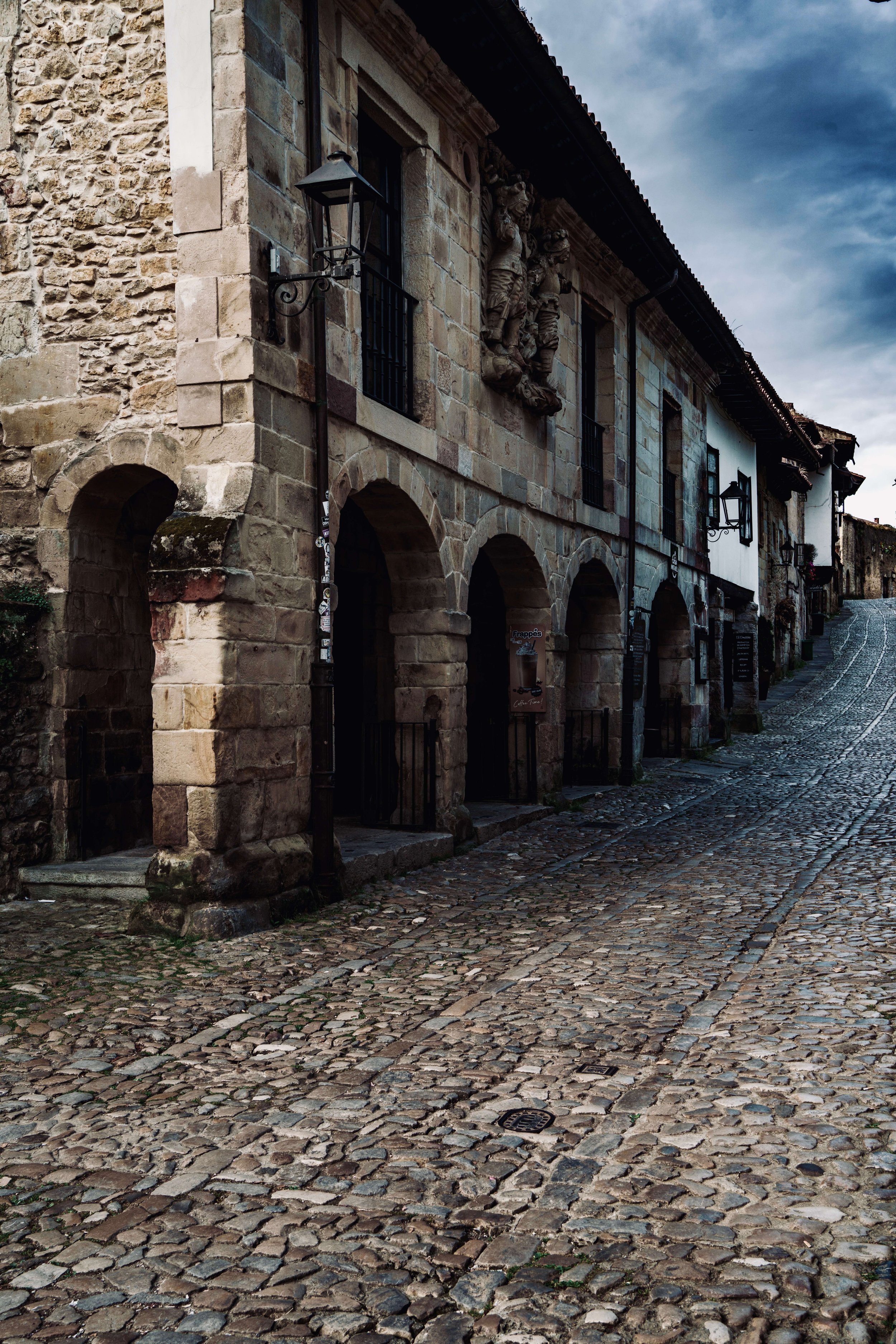
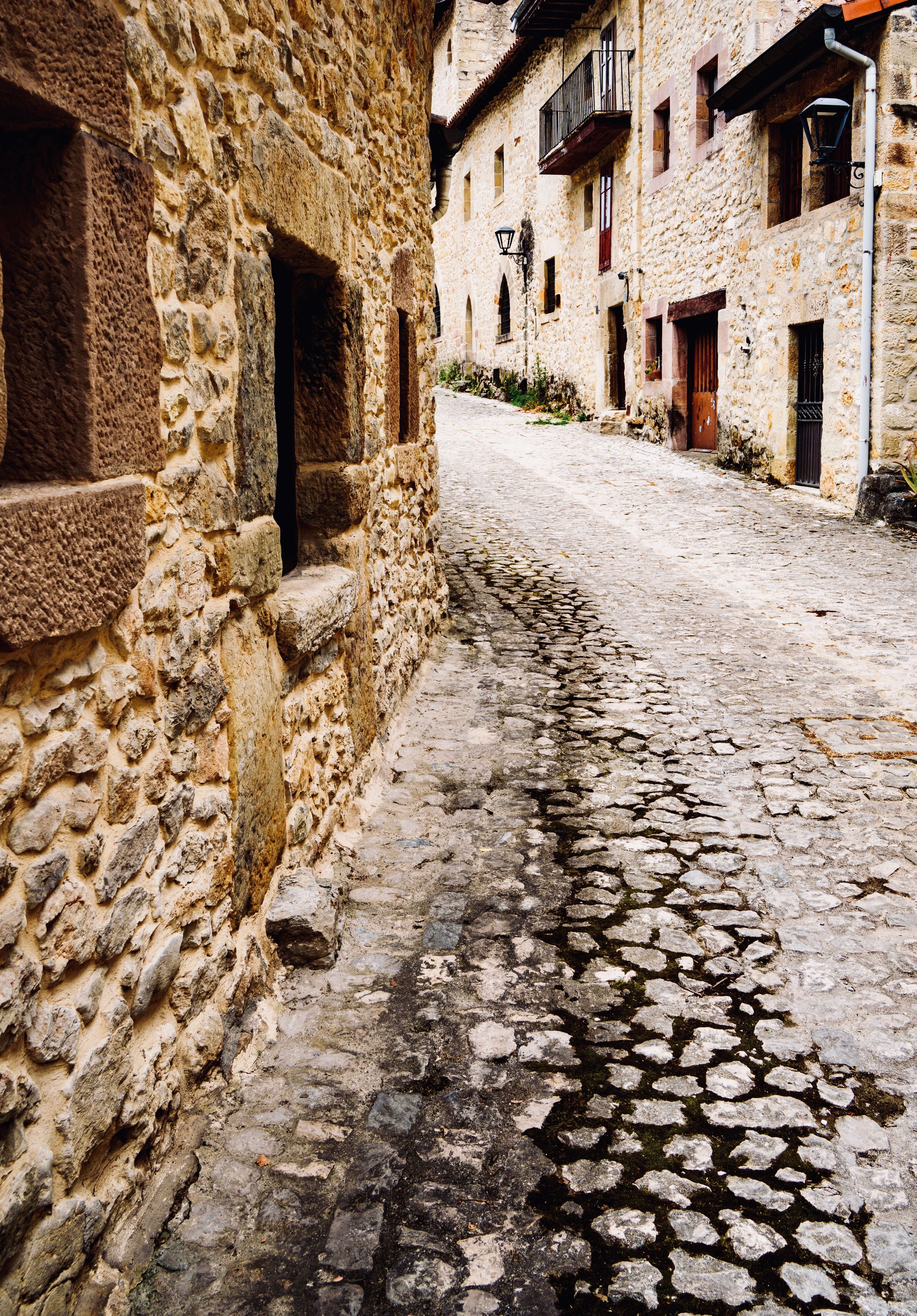
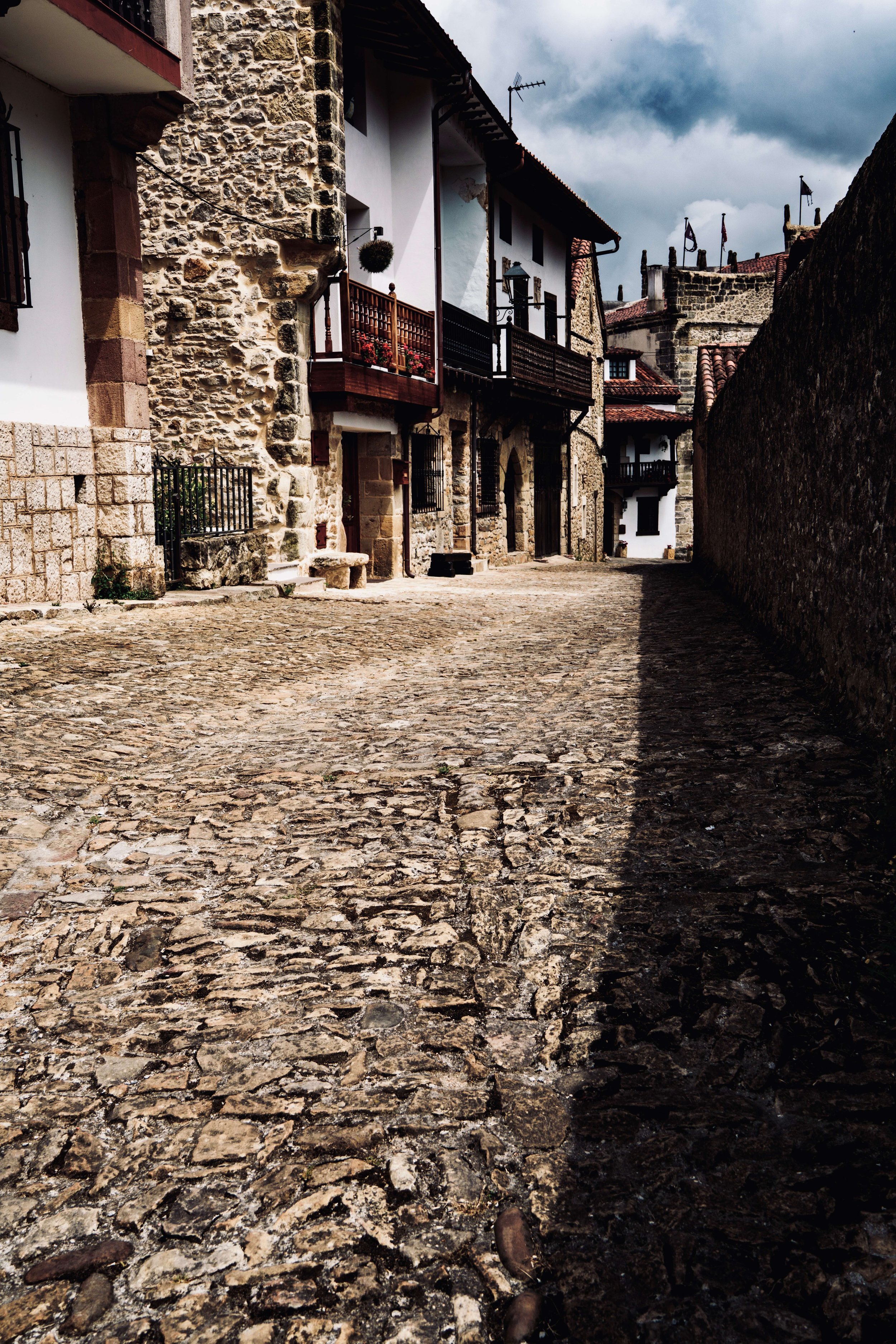
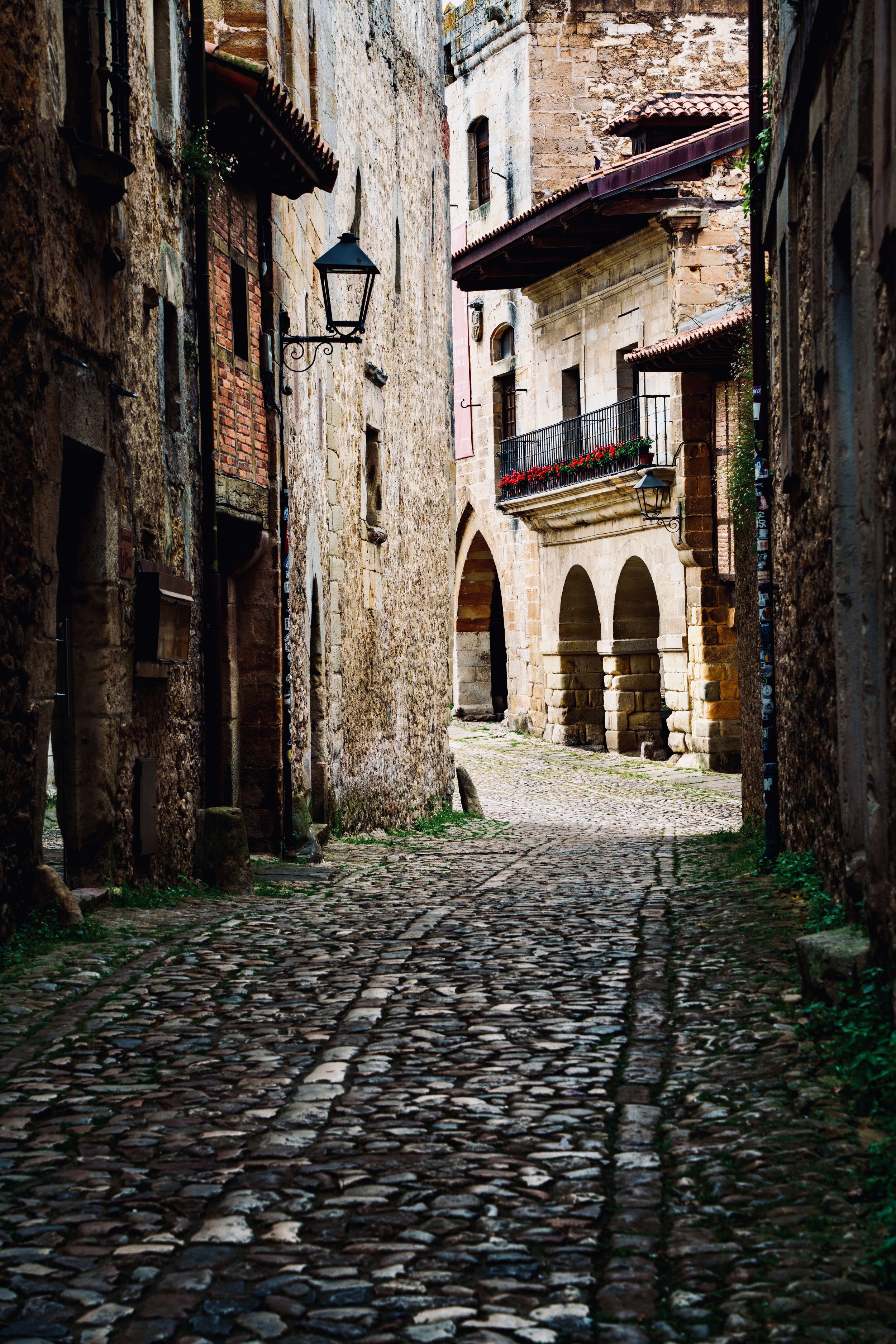
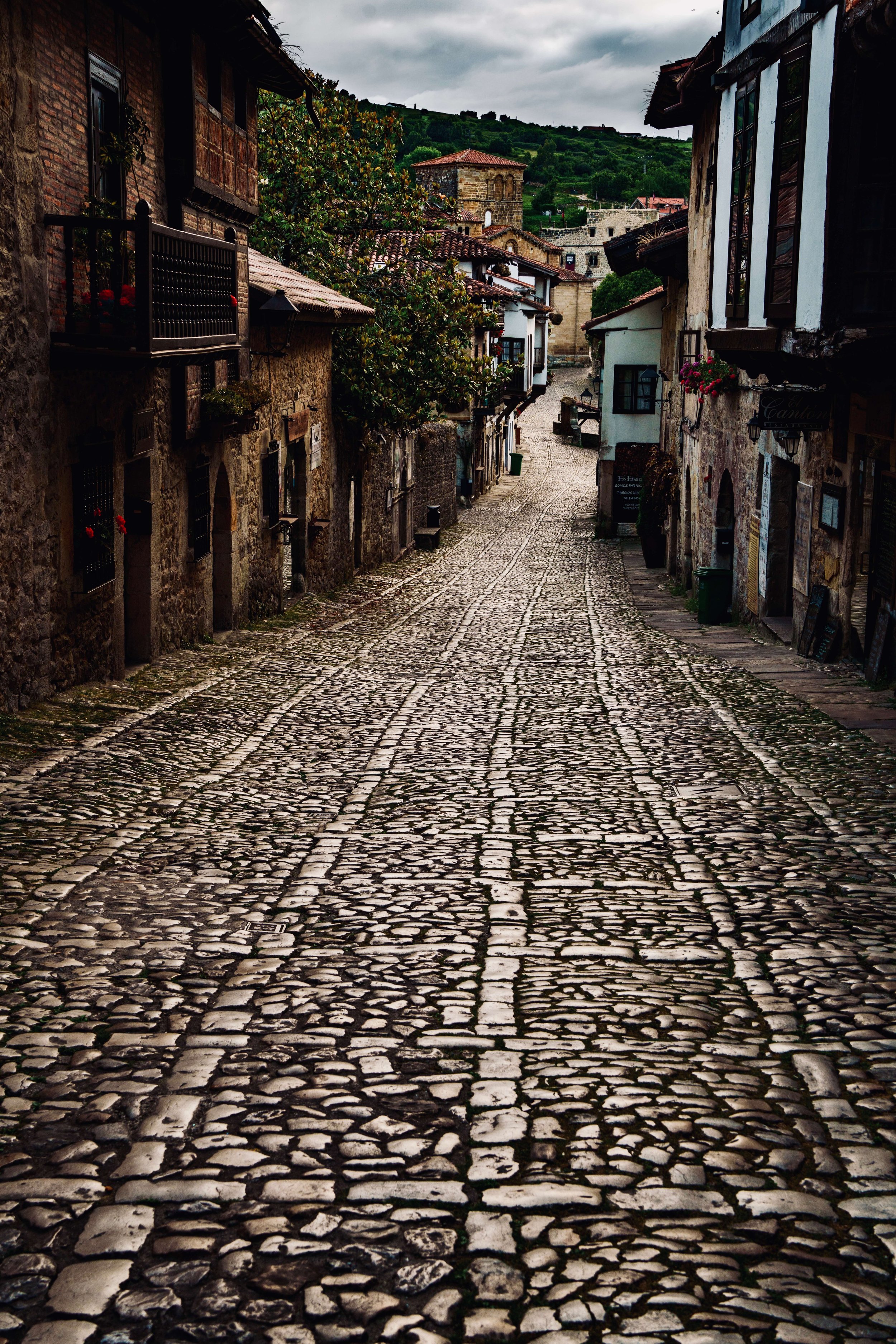
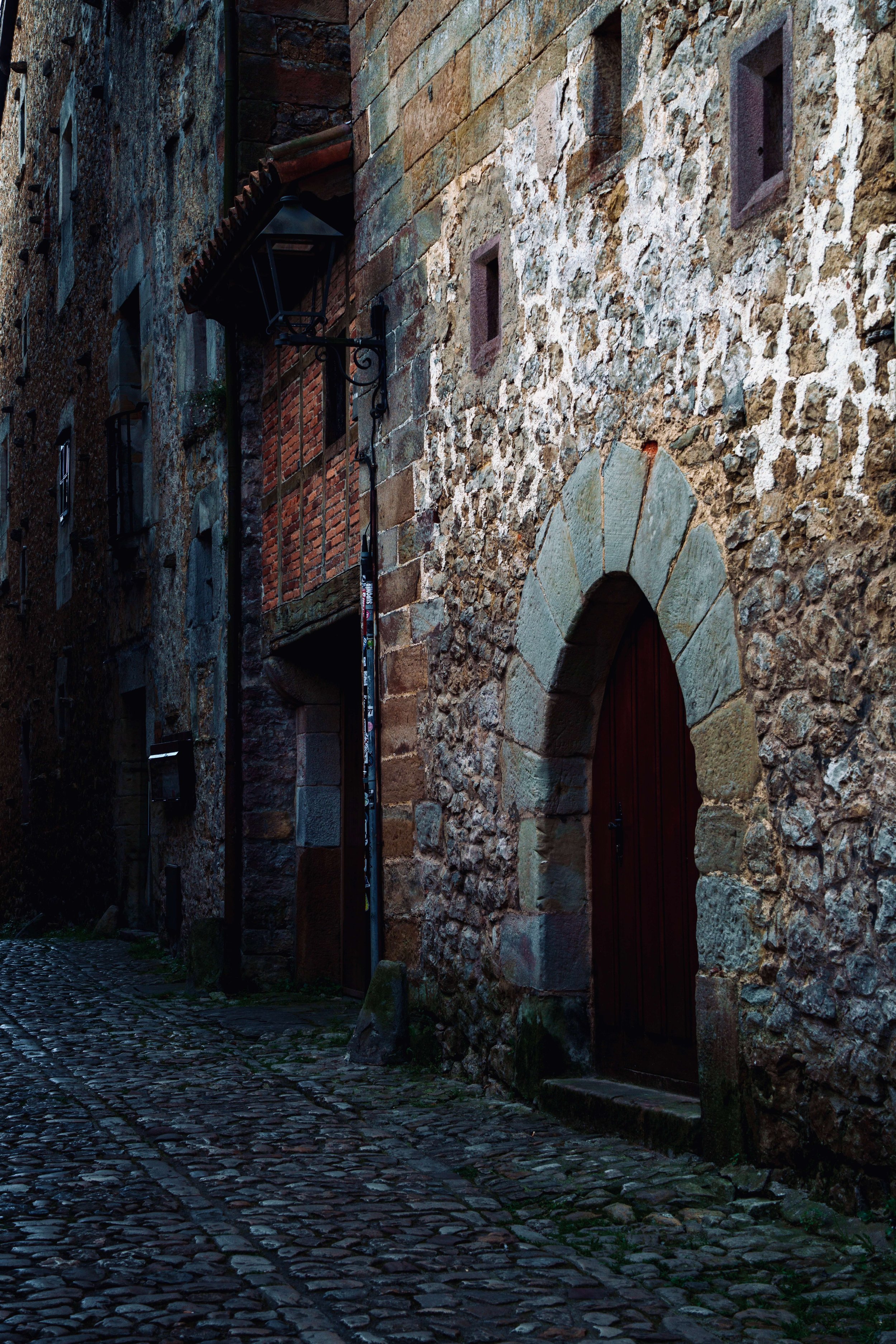
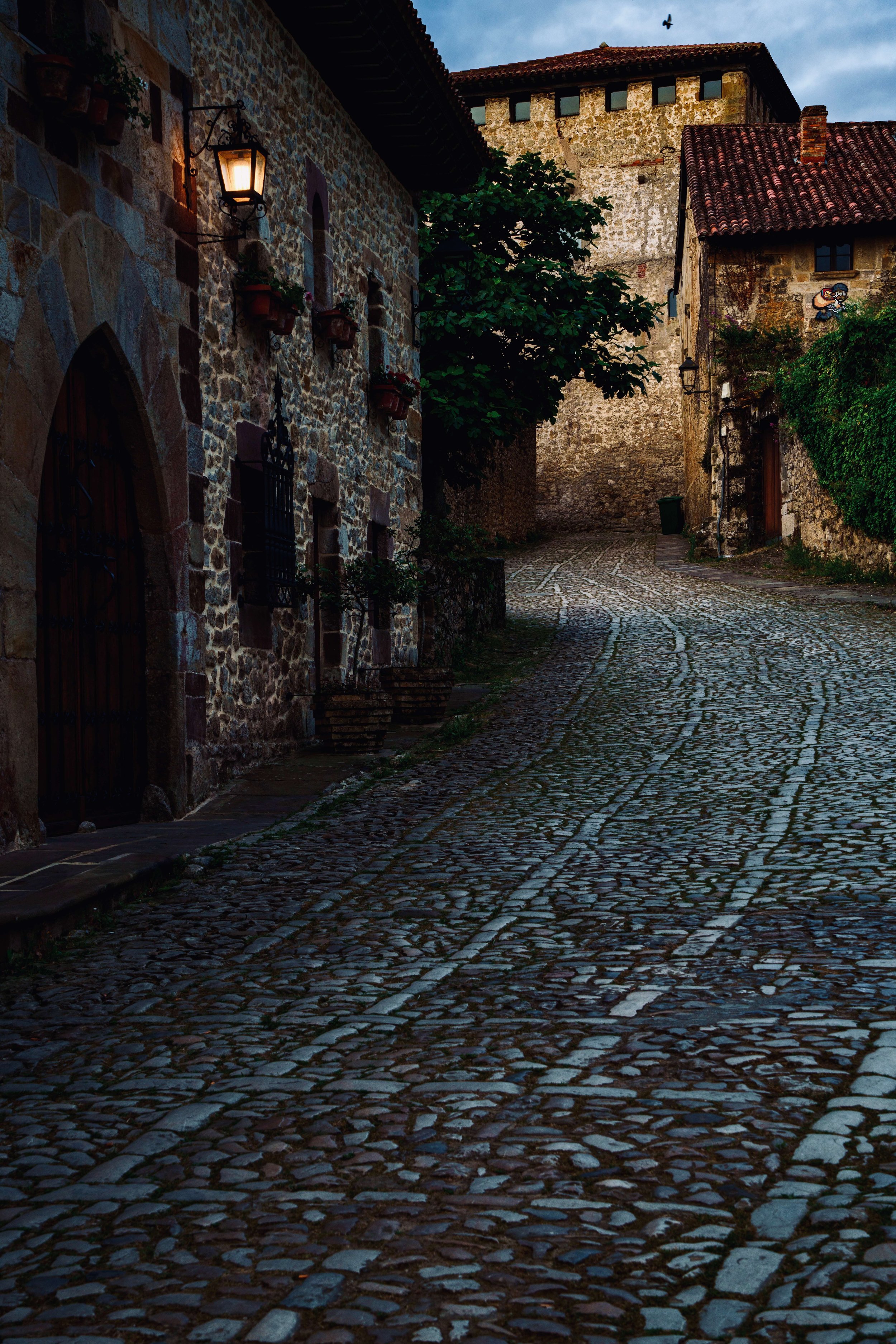
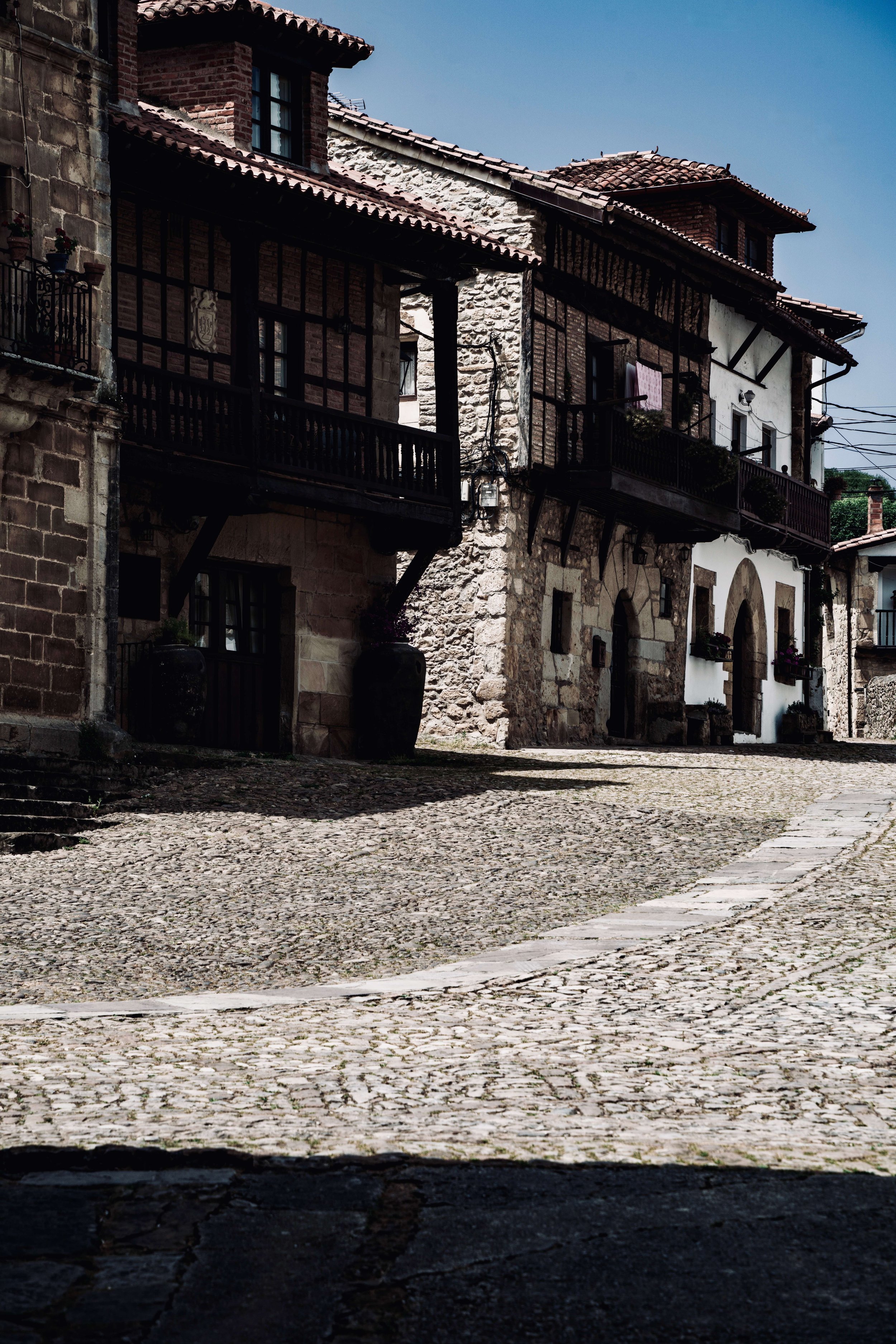
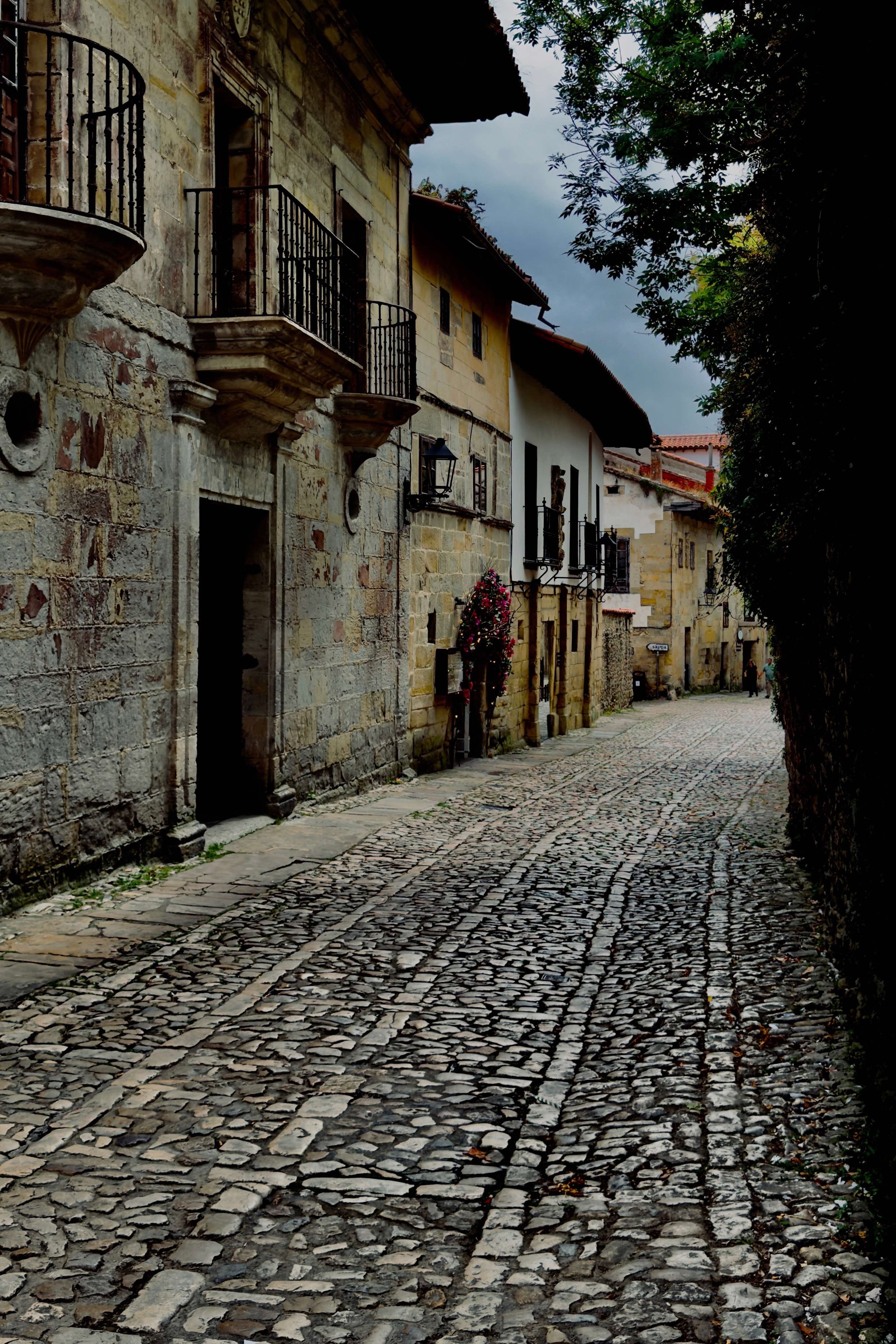
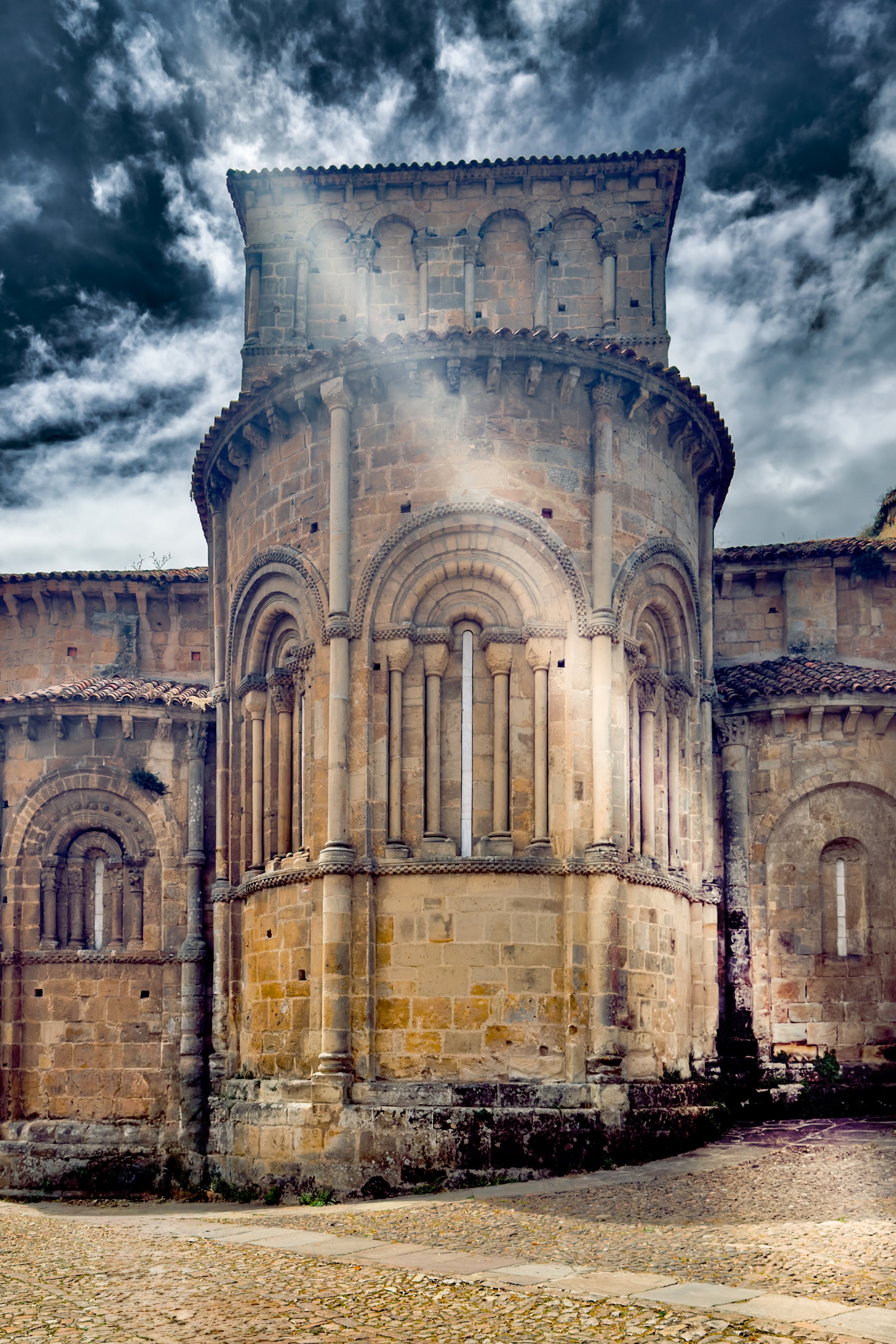
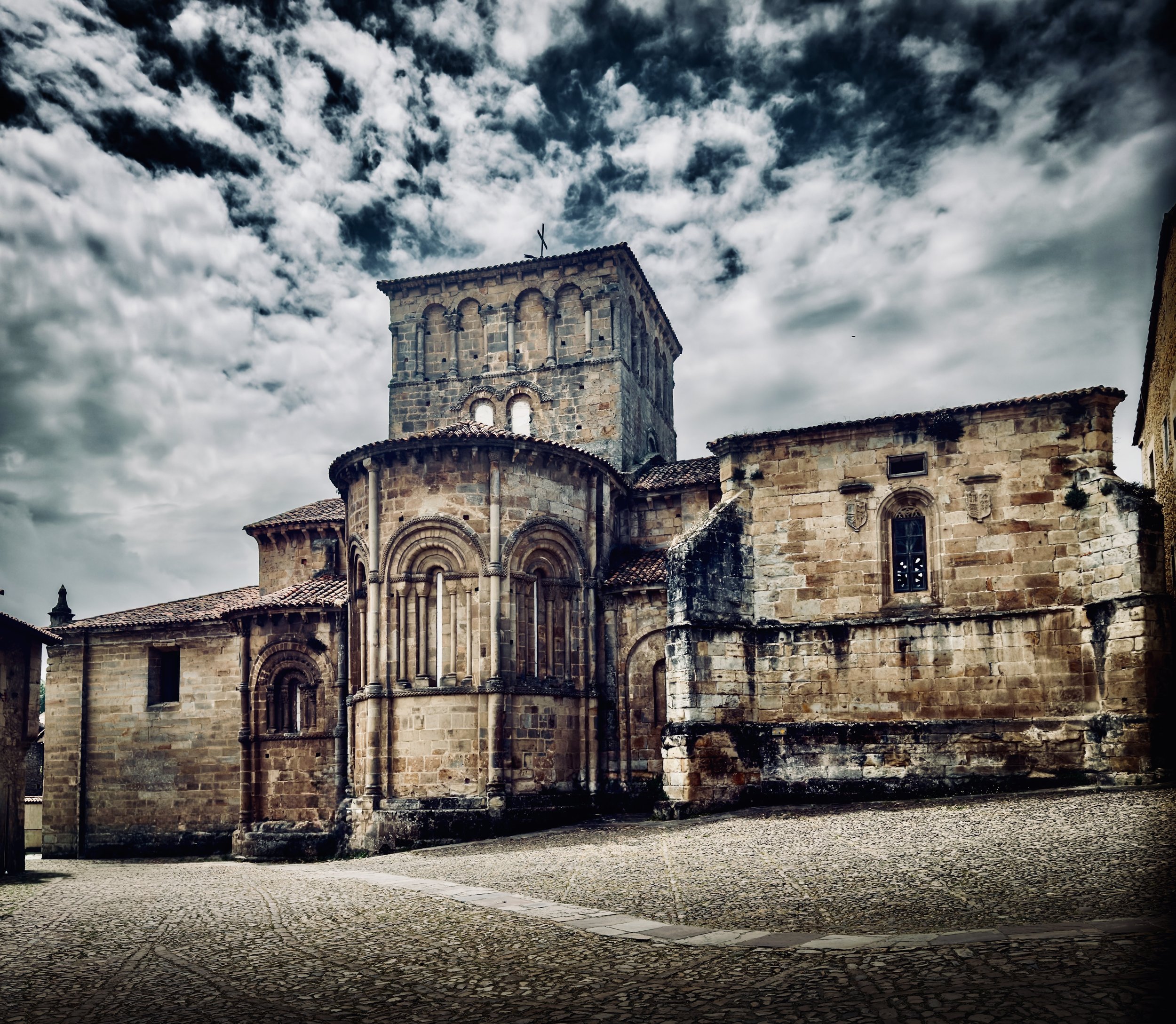
Well preserved vernacular architecture from the 14th to 18th centuries, characterized by rustic stone walls, red-tiled roofs, wooden balconies adorned with flowers, and grand mansions built by wealthy landowners. Typical homes feature half-timbered designs mixed with warm, local golden masonry. The roofing uses curved terra-cotta tiles specific to northern Spain's climate. Upper floors frequently feature wooden balconies (or pulpit balconies) designed to catch the sun, often decorated with cascading geraniums. Many of the larger Renaissance and Baroque stone manors feature huge, intricately carved family shields and coats of arms on their façades. The Collegiate Church of Santa Juliana is a masterpiece of Romanesque architecture originating from the 11th and 12th centuries
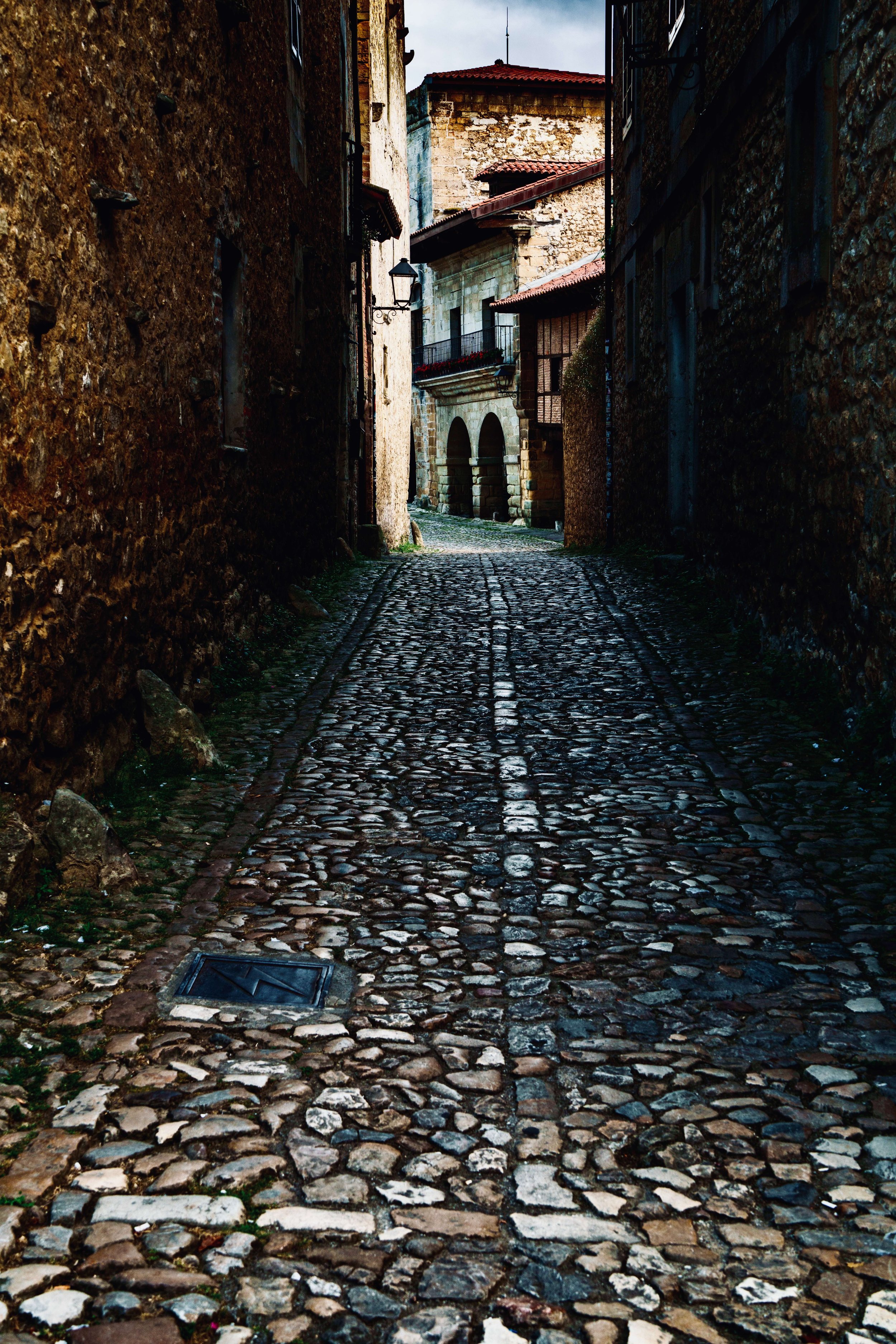
We arrived in Santillana del Mar, our third visit to this remarkable town. We found our way to the Parador and checked in. Over the years, the place has changed surprisingly little; it remains instantly recognisable from photographs we took some twenty years ago. A few of the shops and cafés have changed, but the character of the town endures. The interesting thing about Santillana is that beneath the slight veneer of tourist shops, cafés, and restaurants catering to visitors, there is still the old town itself. Each evening, as the day-trippers leave, that tourist layer simply disappears overnight. By the time you wake in the morning, the streets are empty, apart from the rubbish bins waiting to be collected, and the town reveals its true charm once again.
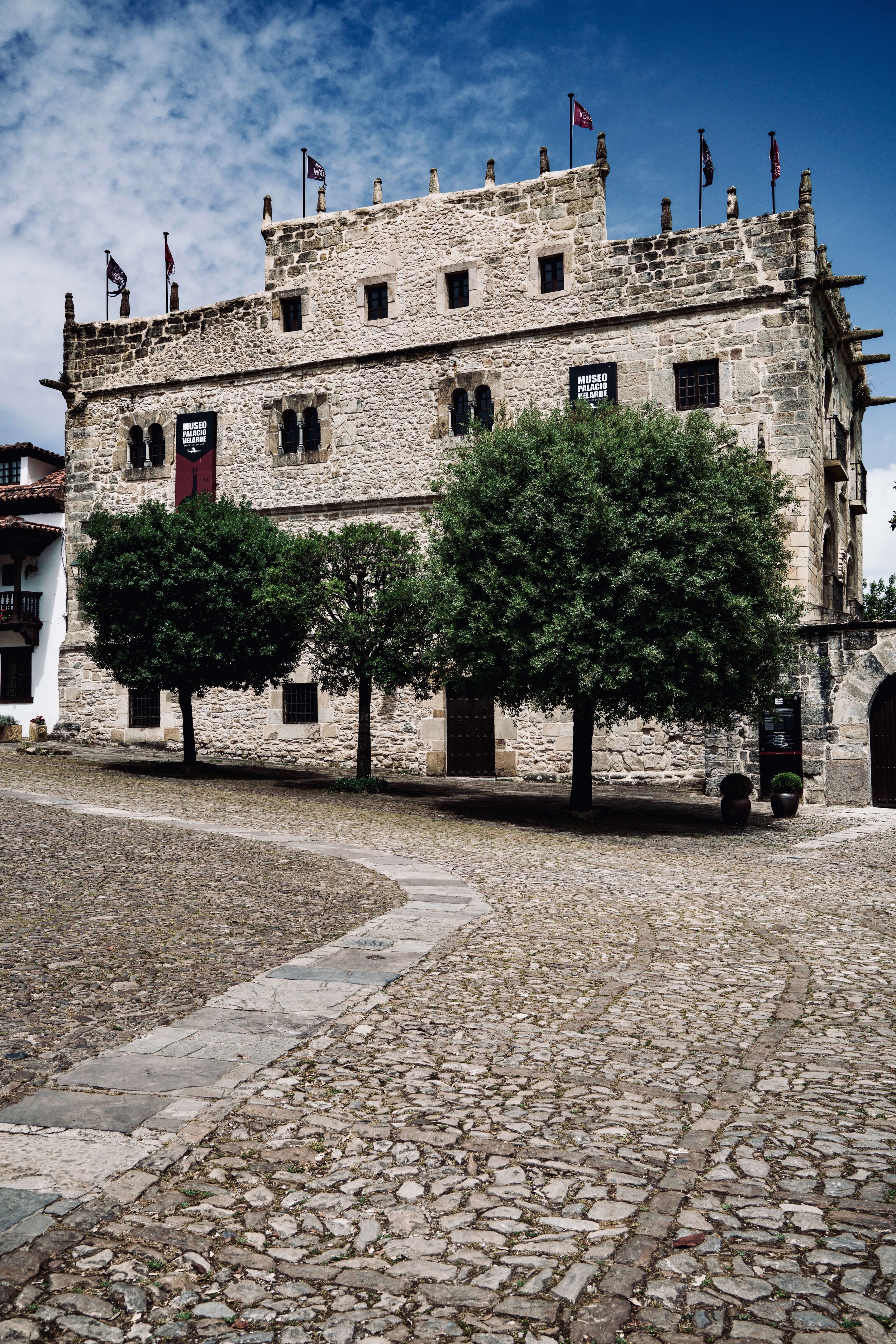
Palacio Velarde
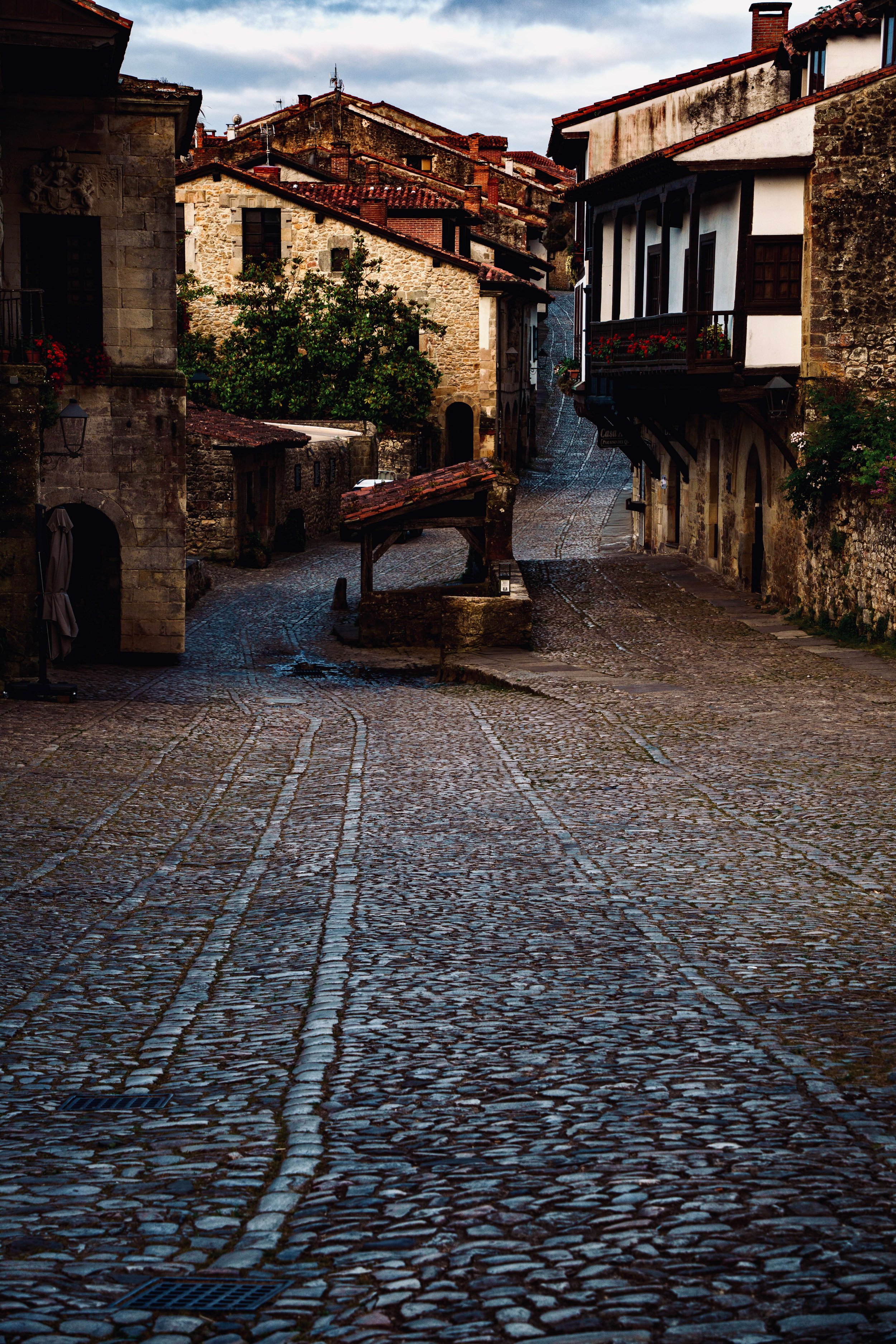
Fuente Lavadero-Abrevadero
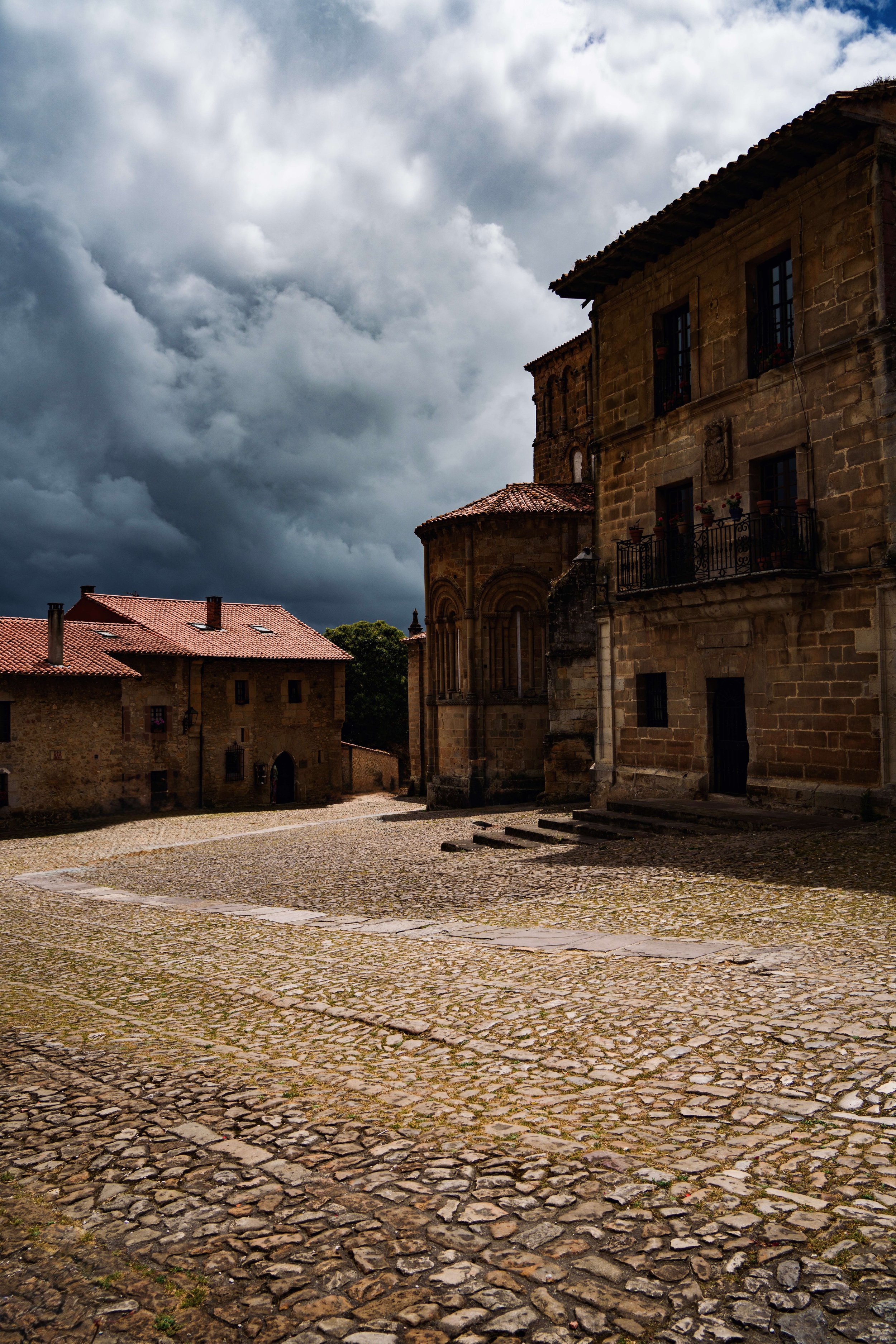
Colegiata de Santa Juliana
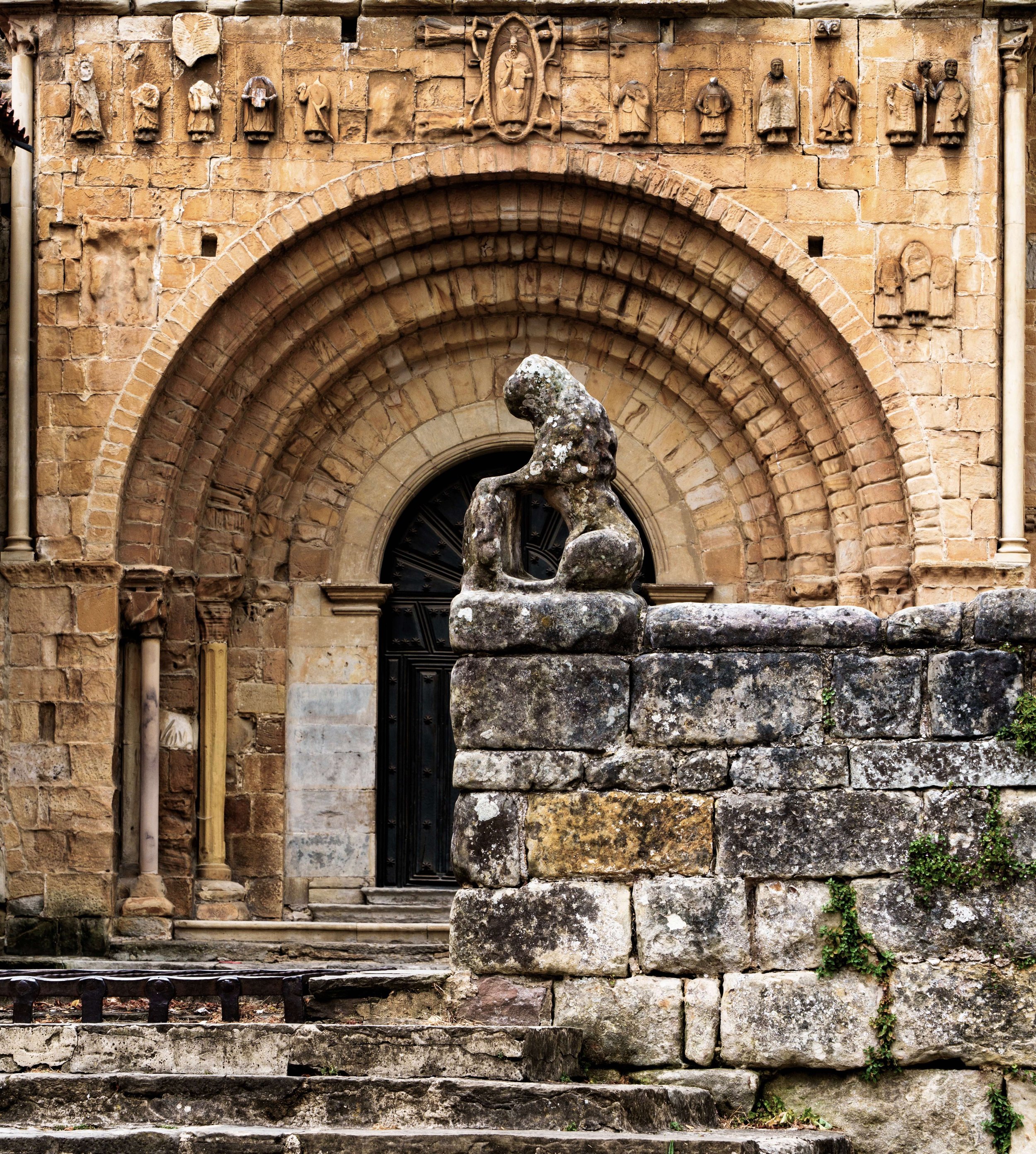
Colegiata de Santa Juliana
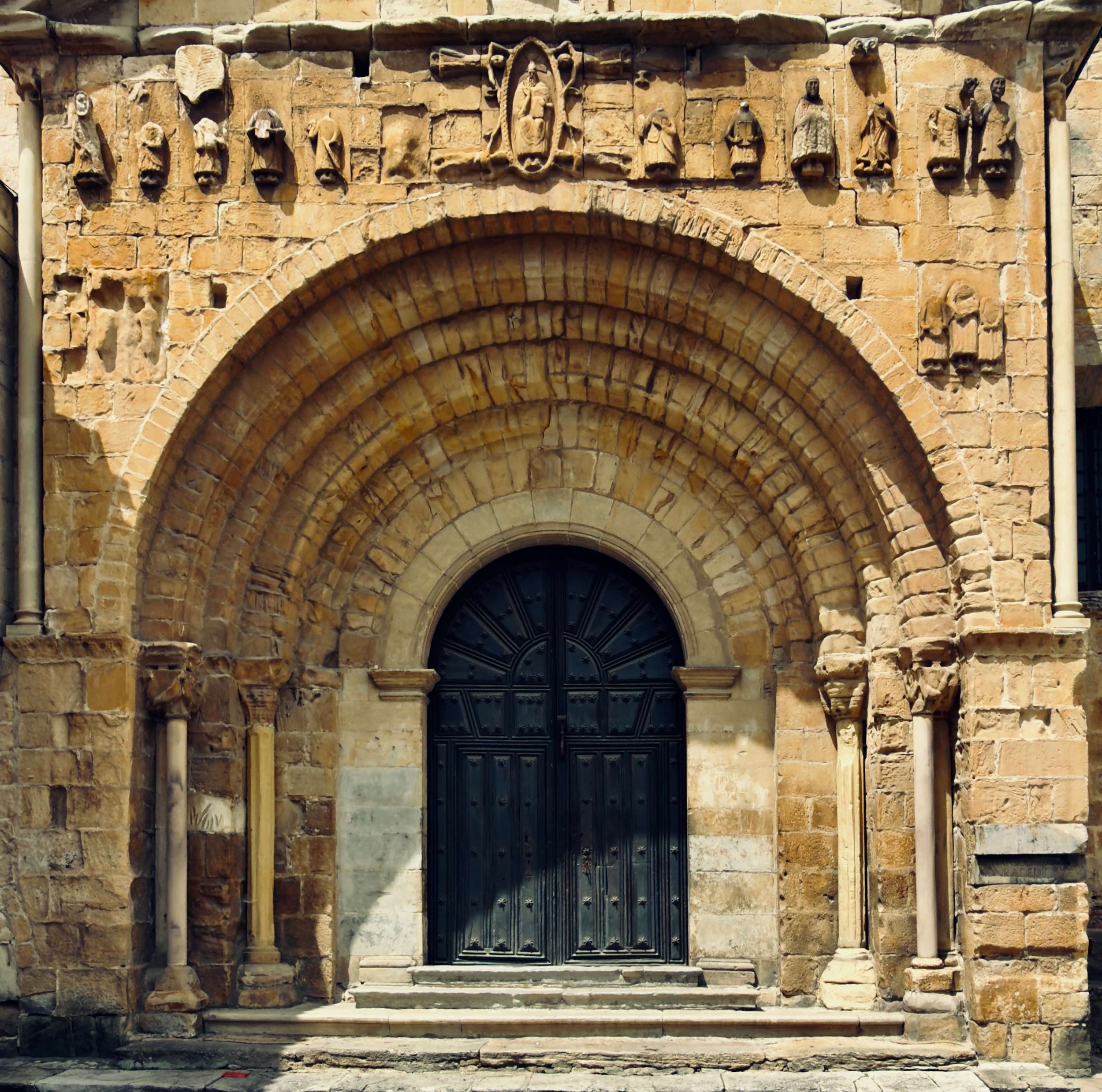
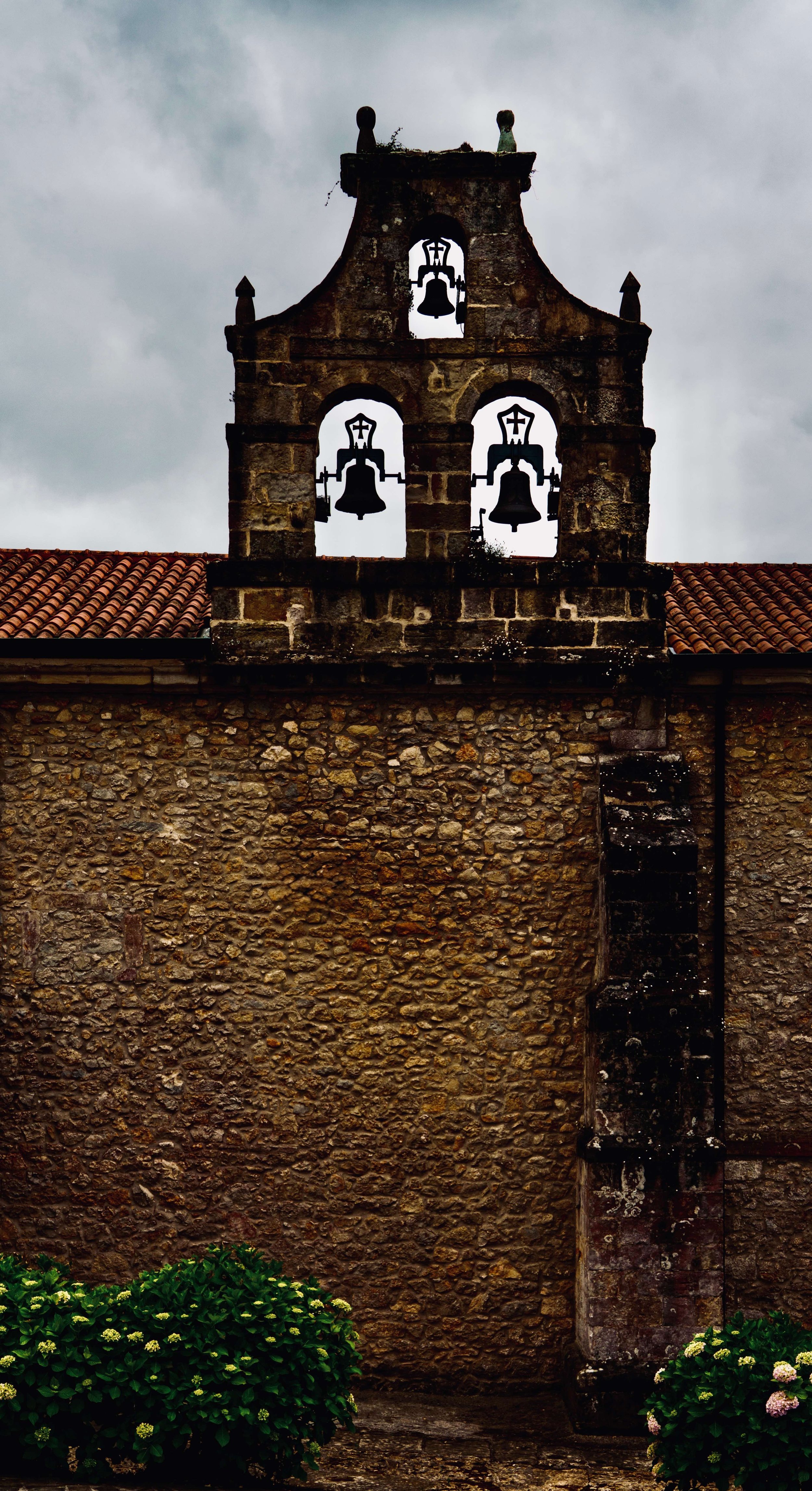
Monasterio Regina Coeli (Clarisas)