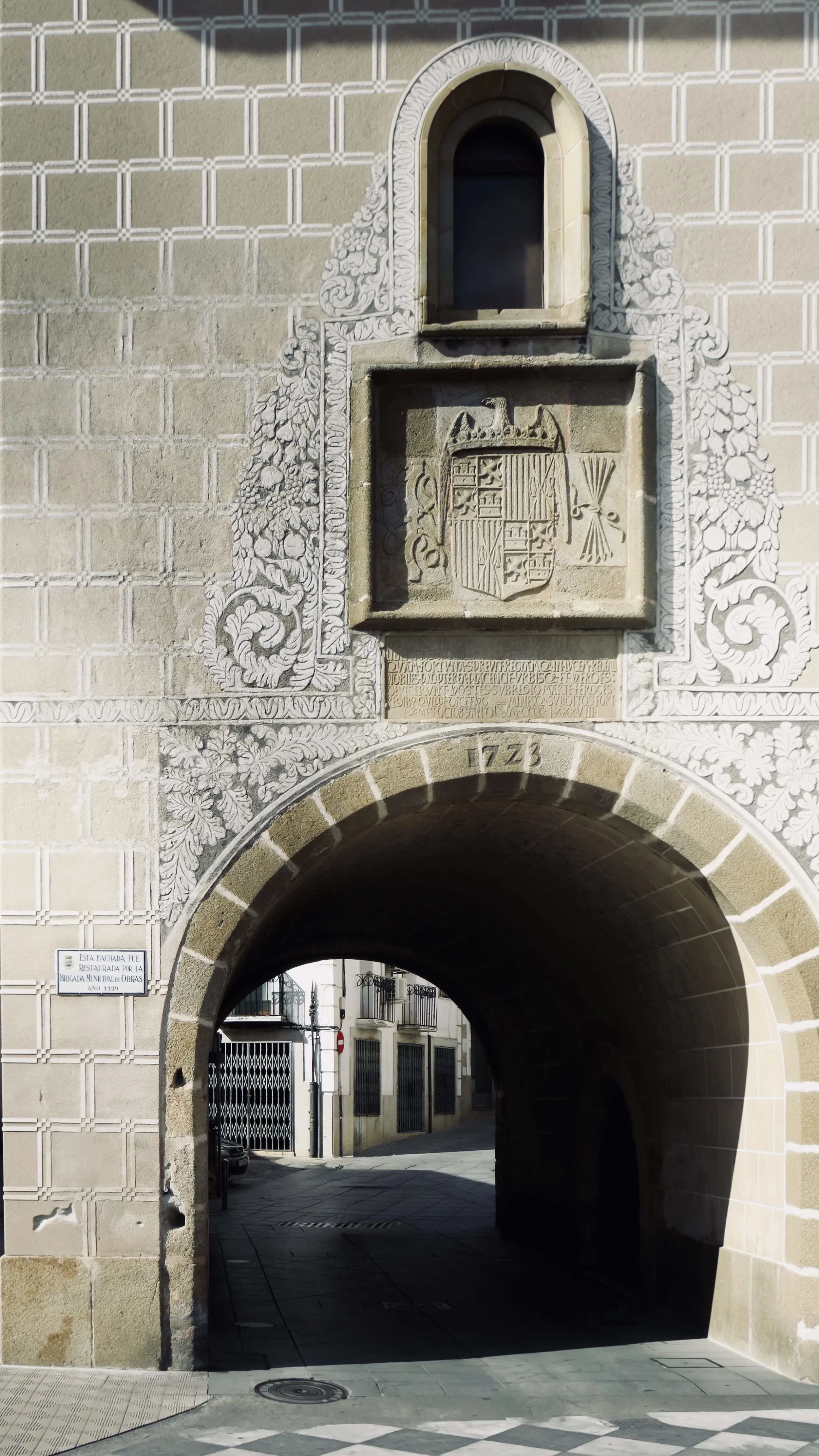
Plasencia - provincia de Cáceres M2 - 2015
Plasencia lies on the banks of the Jerte in northern Cáceres, at the northern end of the Ruta de la Plata and at the entrance to the Jerte Valley. Its old town retains a strongly medieval character, with stone houses, narrow streets, arcaded squares and substantial noble houses and palaces, reflecting the wealth that came to the city from the fifteenth century onwards. The great landmarks are the Old and New Cathedrals, built side by side in contrasting Romanesque-Gothic and Gothic-Renaissance styles, together with the medieval walls, Palace of Monroy, Palace of Mirabel and former Dominican convent, now the Parador. The surrounding countryside is particularly fertile, with cereals, olives, vines and livestock, while the nearby Jerte Valley is famous for its cherry orchards. What distinguishes Plasencia from many other provincial towns is the concentration of monumental architecture within its remarkably intact medieval walls, combined with its position as the historic gateway between the agricultural plains of Extremadura and the mountain valleys to the north.
We stopped for one night in Plasencia on our way back to Santander, staying at the Parador and having just enough time for a quick walk around the old town. It was hardly enough time to do the place justice, and perhaps because we were tired and only passing through, we came away with the impression that parts of the town felt a little unloved. That is probably unfair, because there are some lovely buildings, atmospheric streets and impressive stretches of the medieval walls, which we barely had time to explore properly. It was really just an introduction to Plasencia, and I suspect we should have stayed longer.
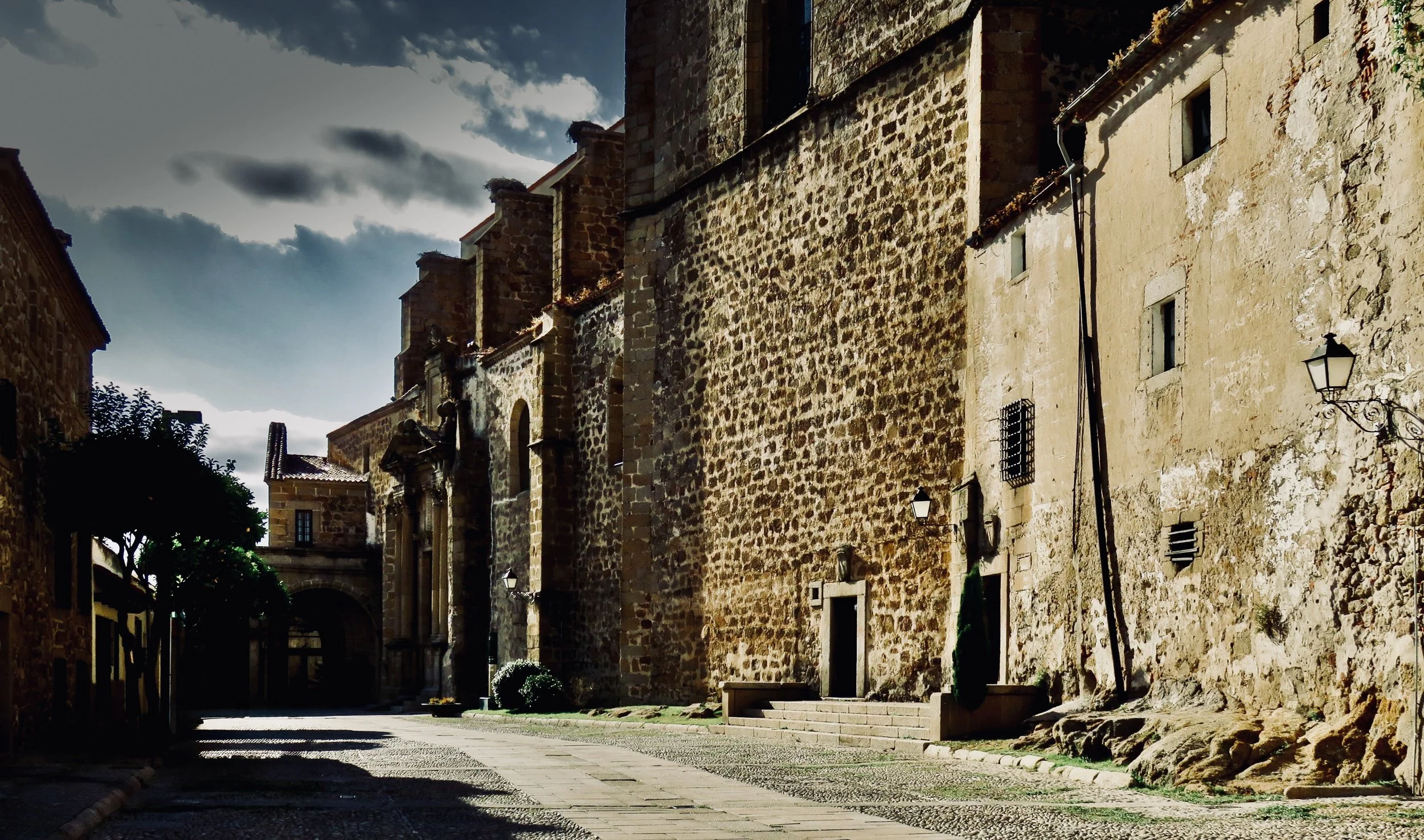
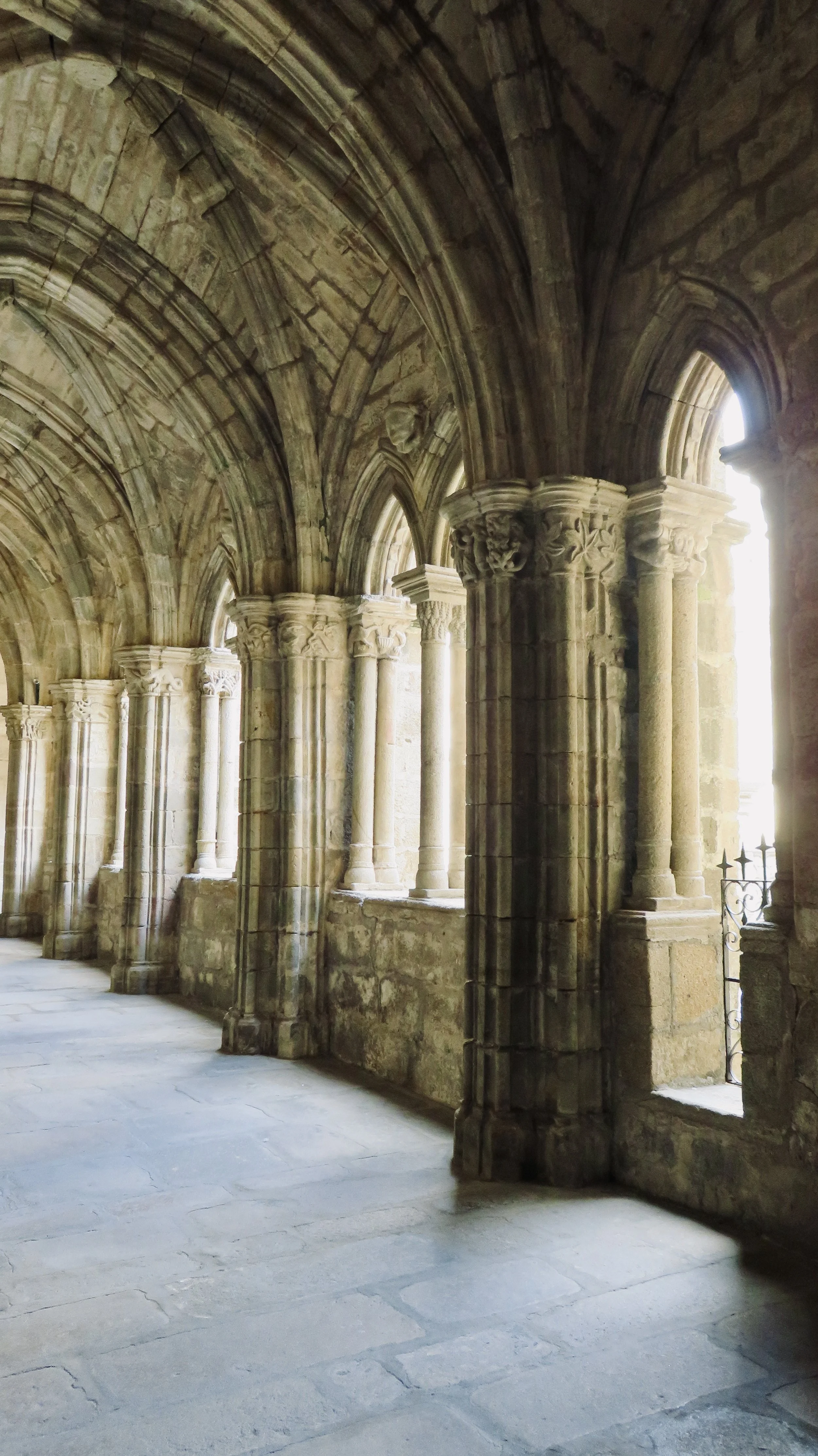
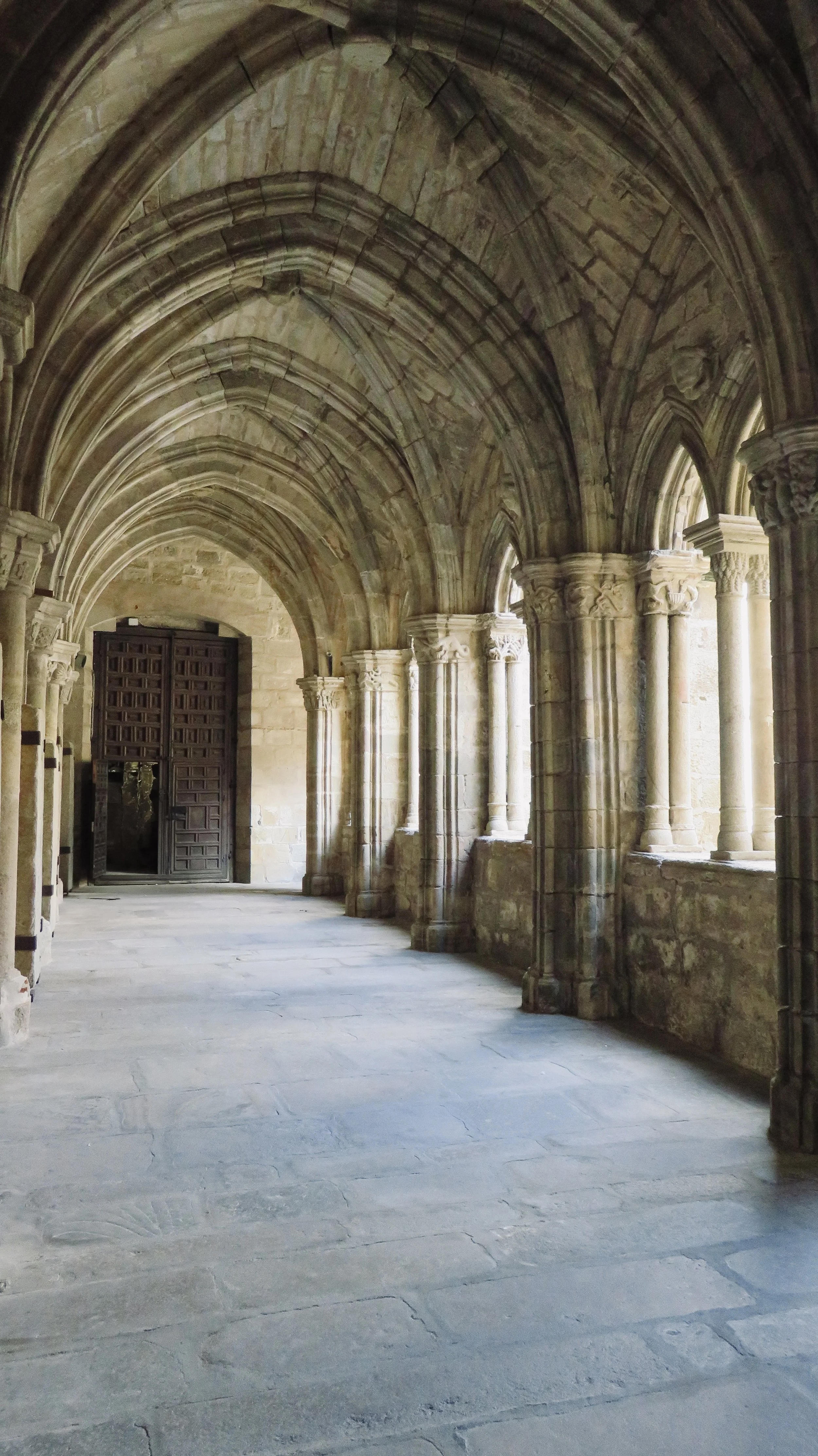
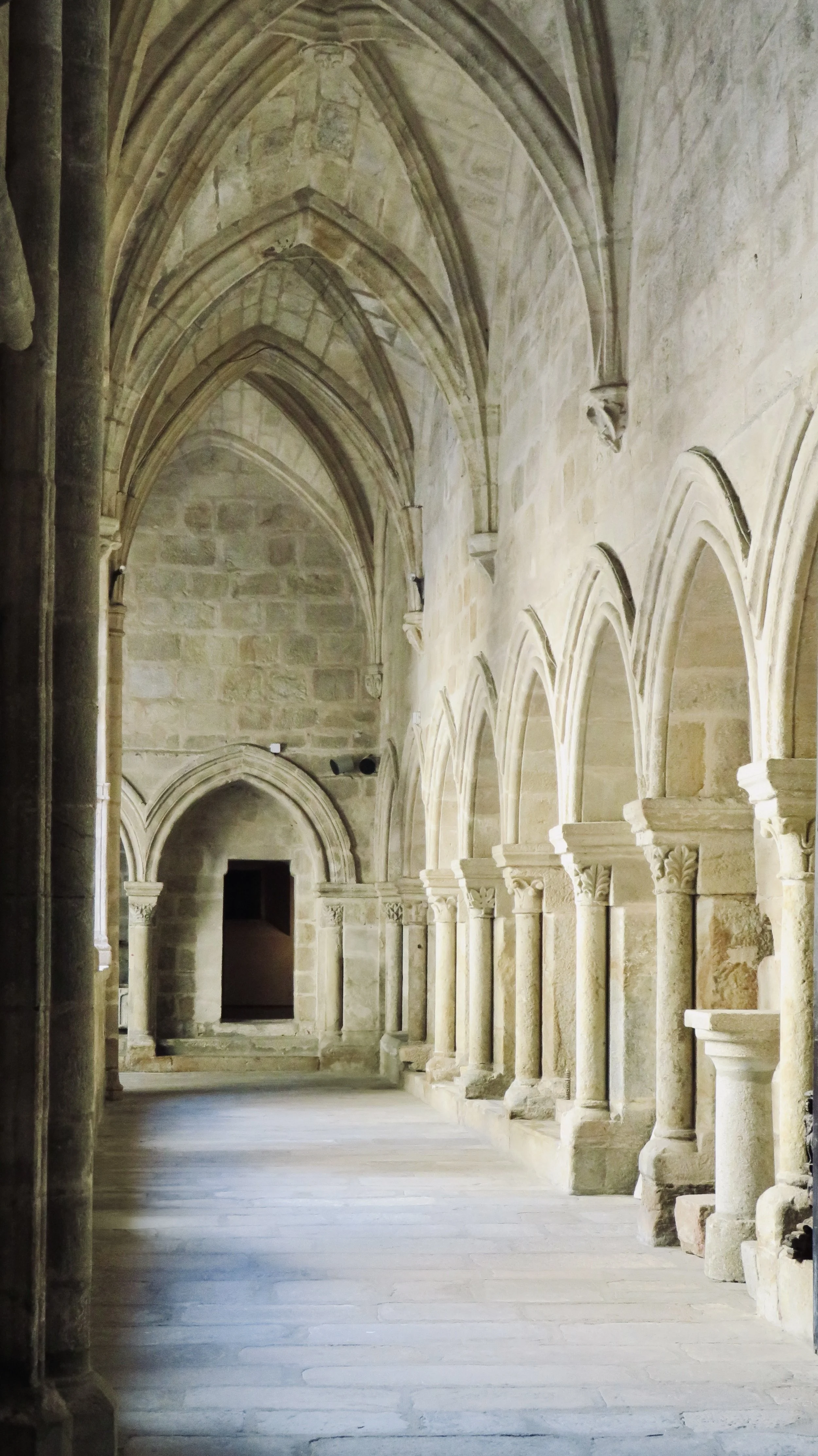
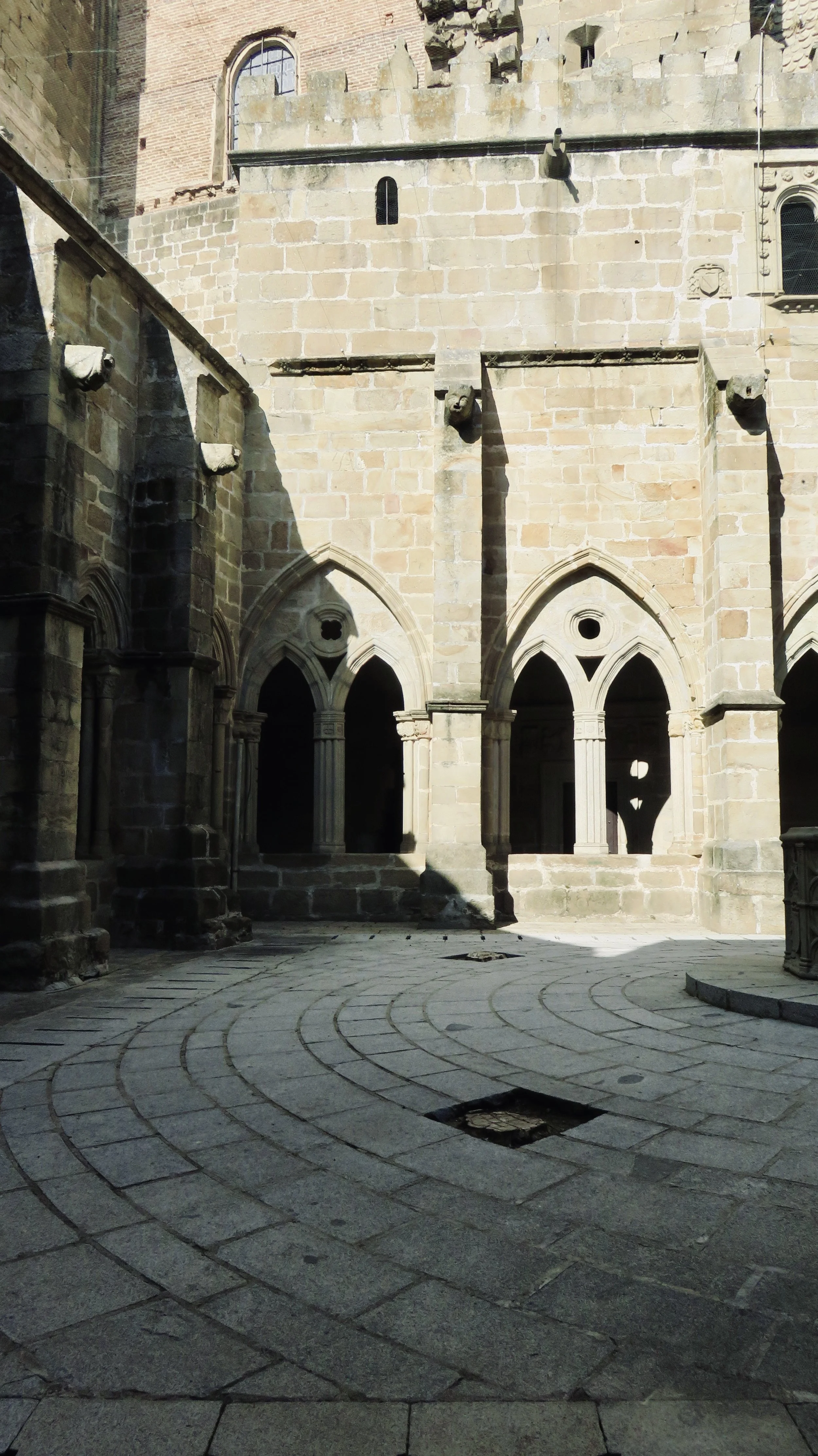
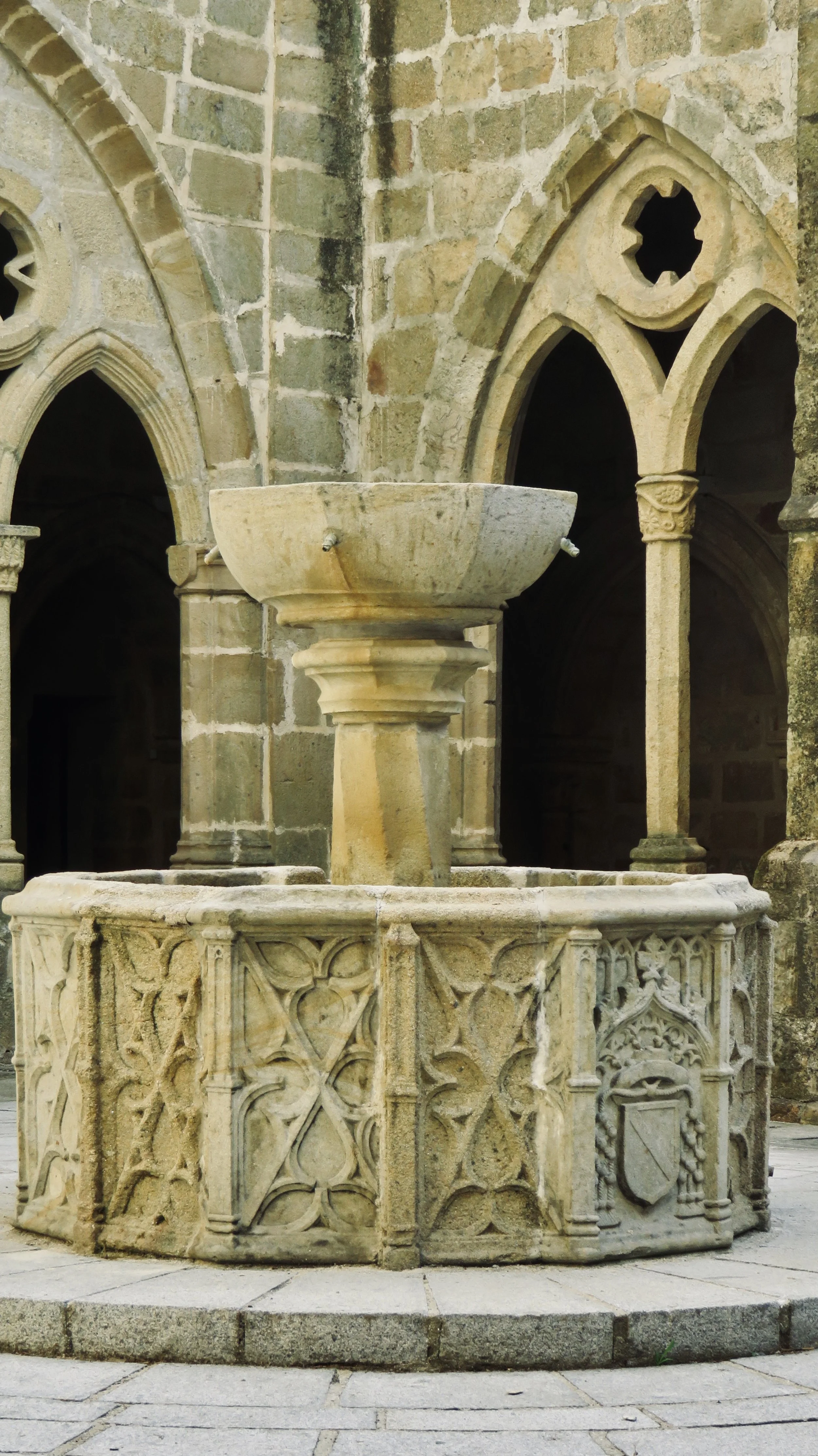
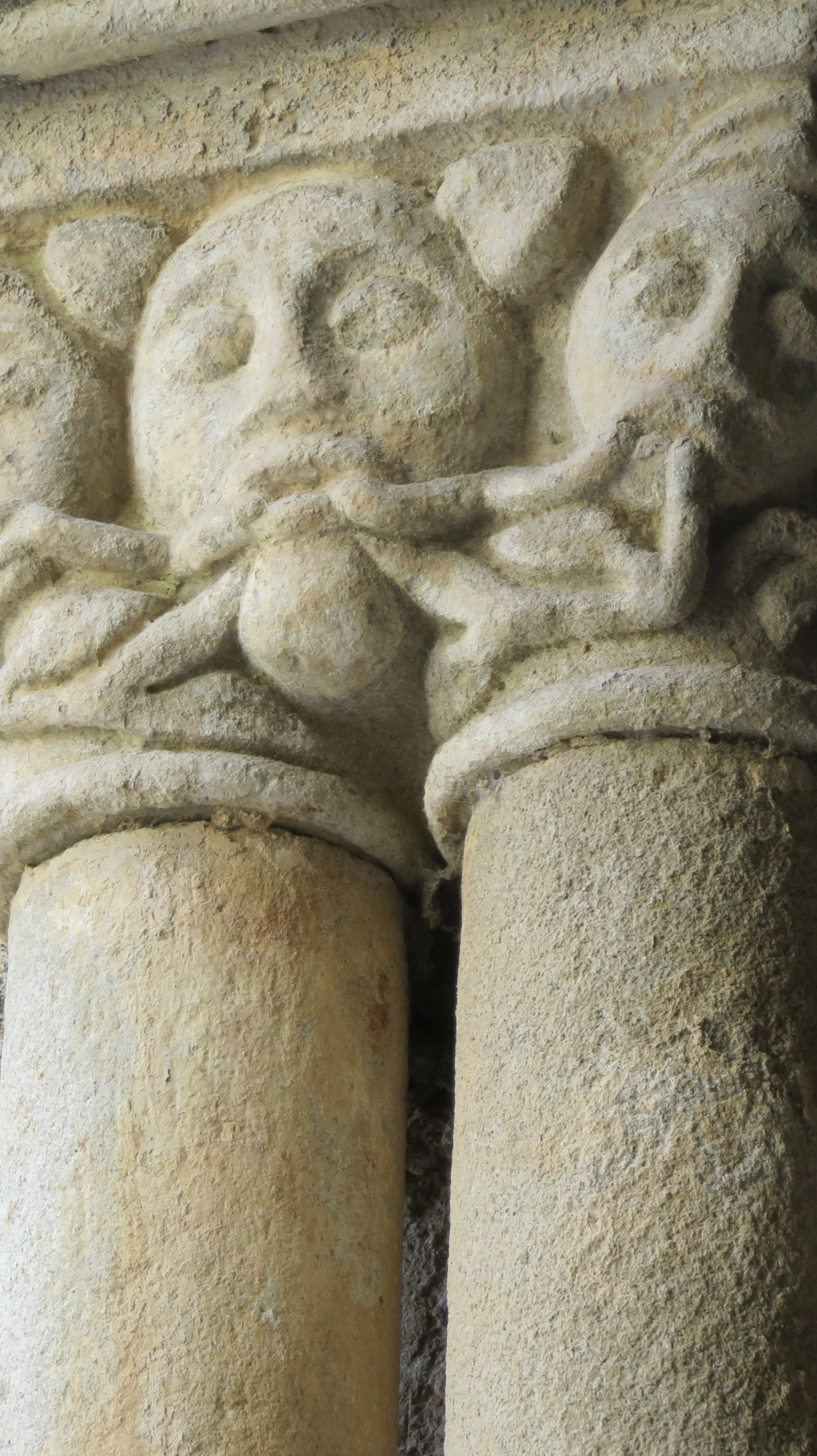
Convento de San Vicente Ferrer
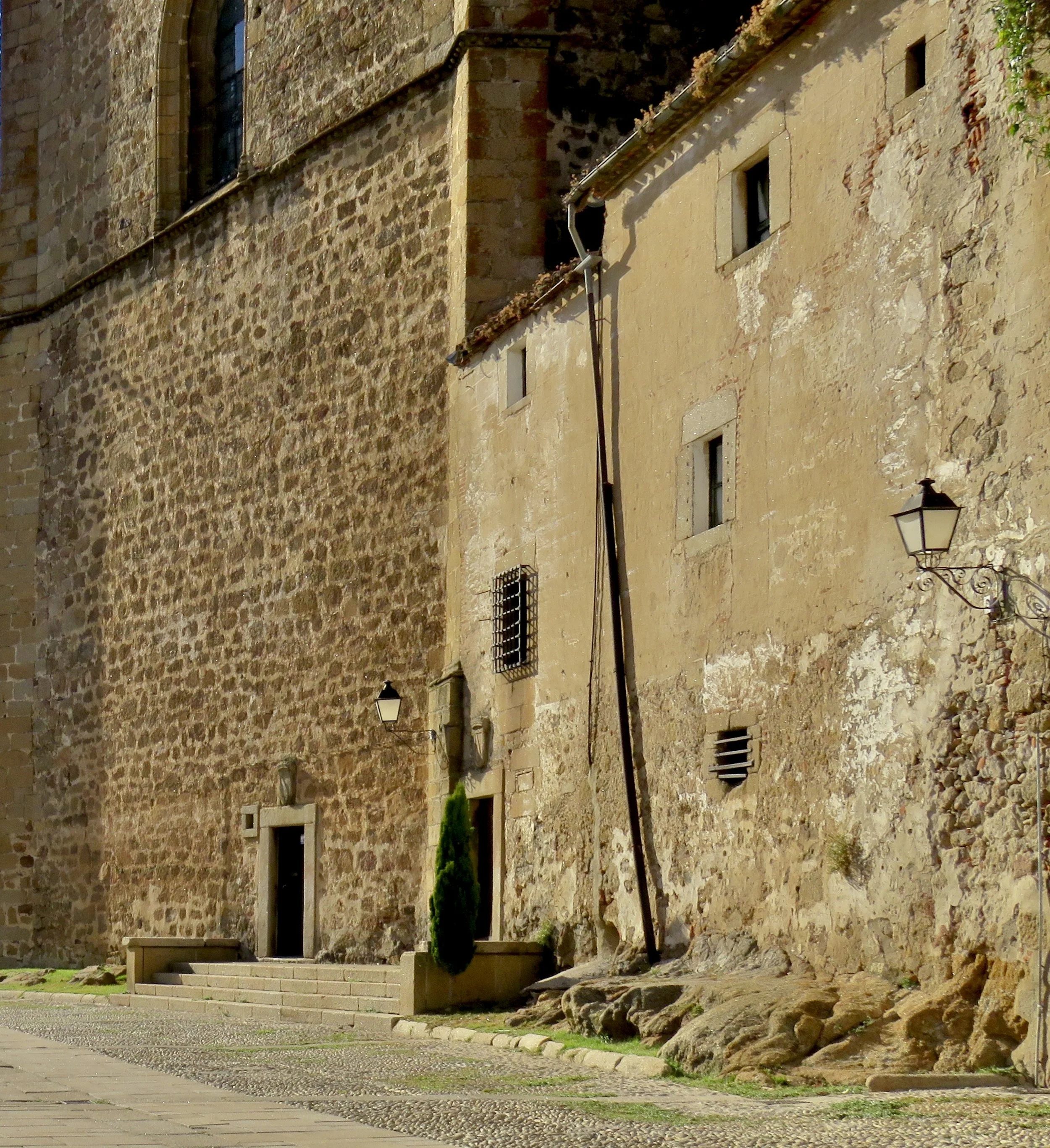
Convento de San Vicente Ferrer
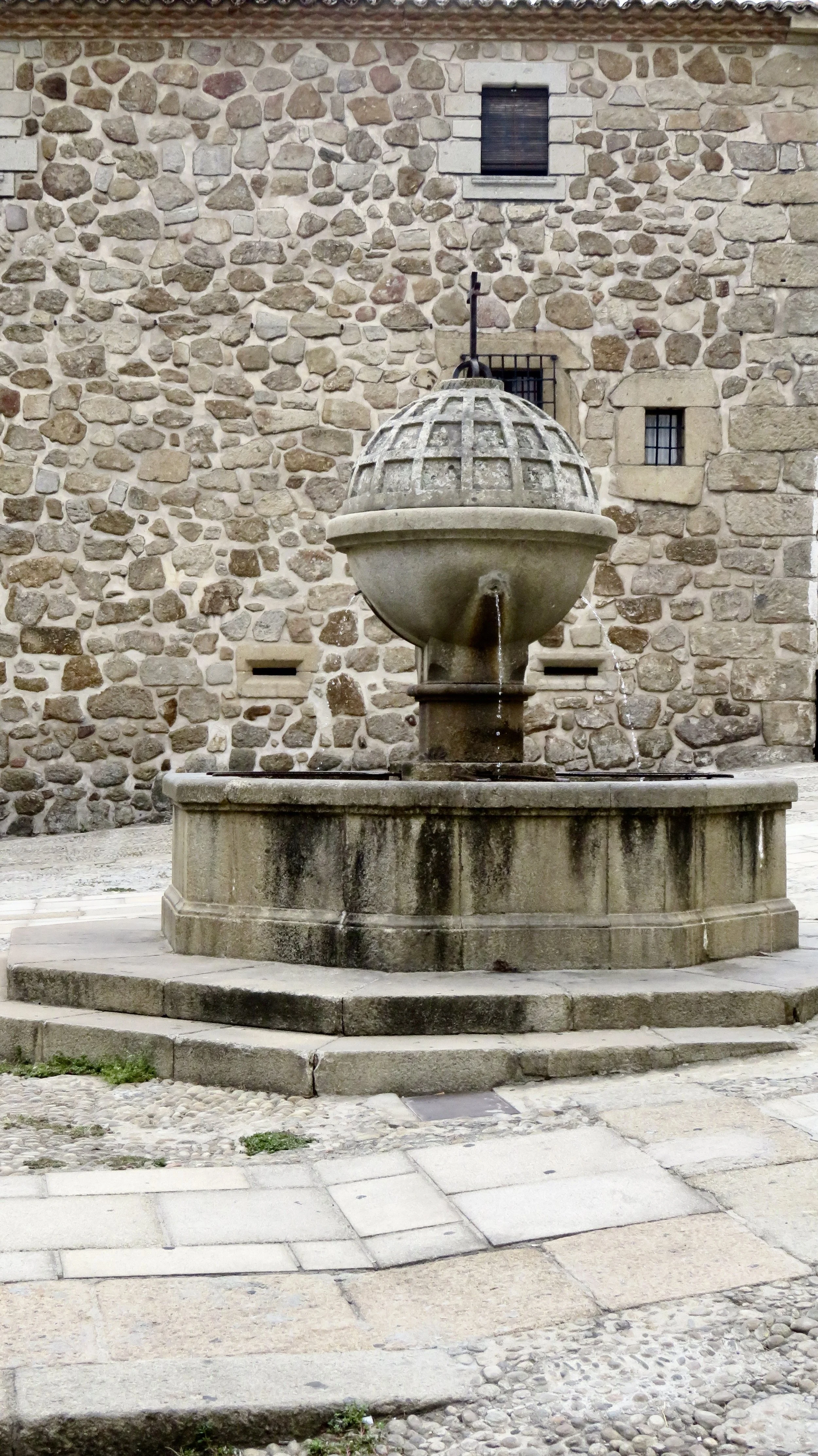
Palacio del Marqués de Mirabel
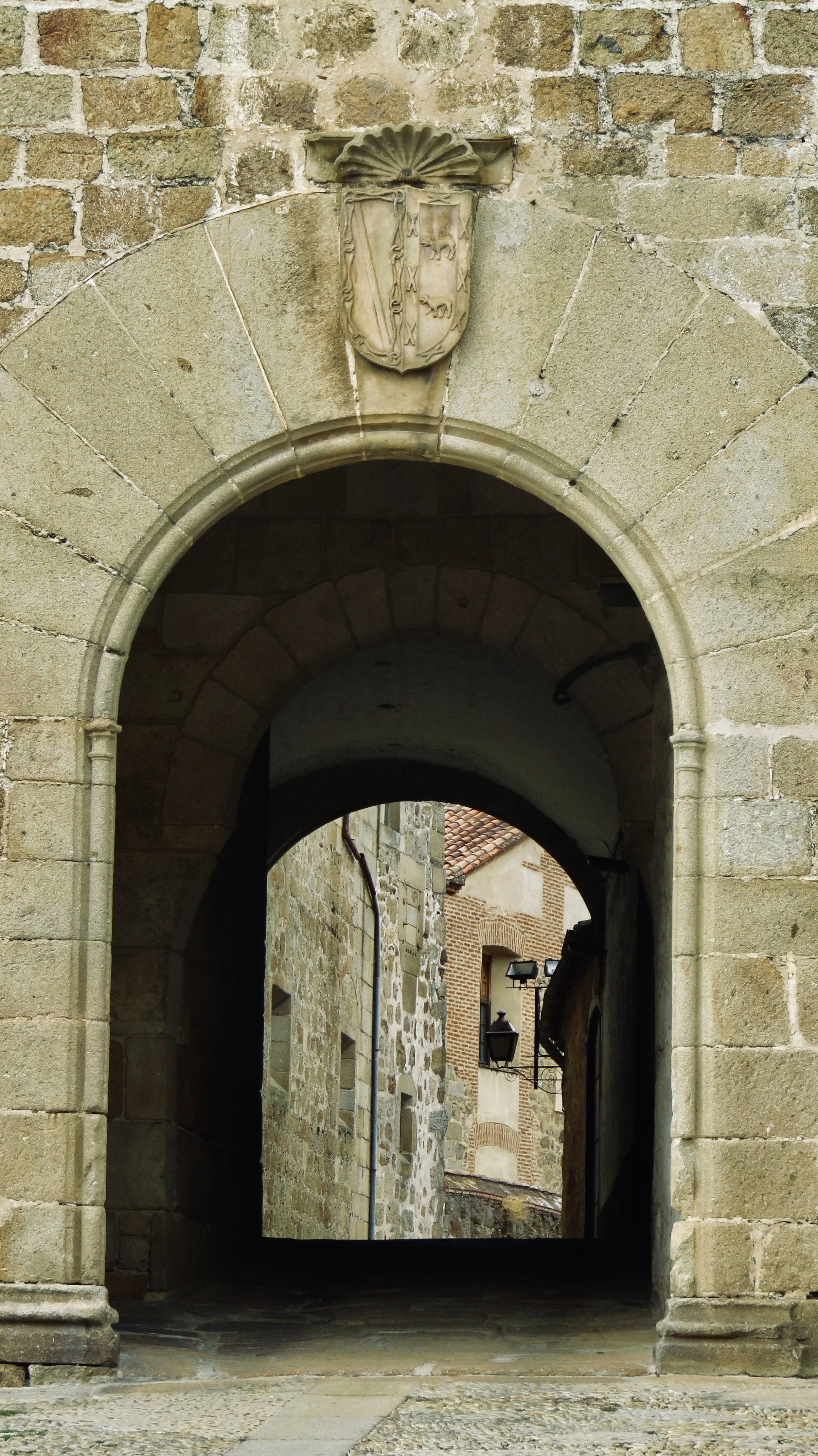
Palacio del Marques de MirabeL
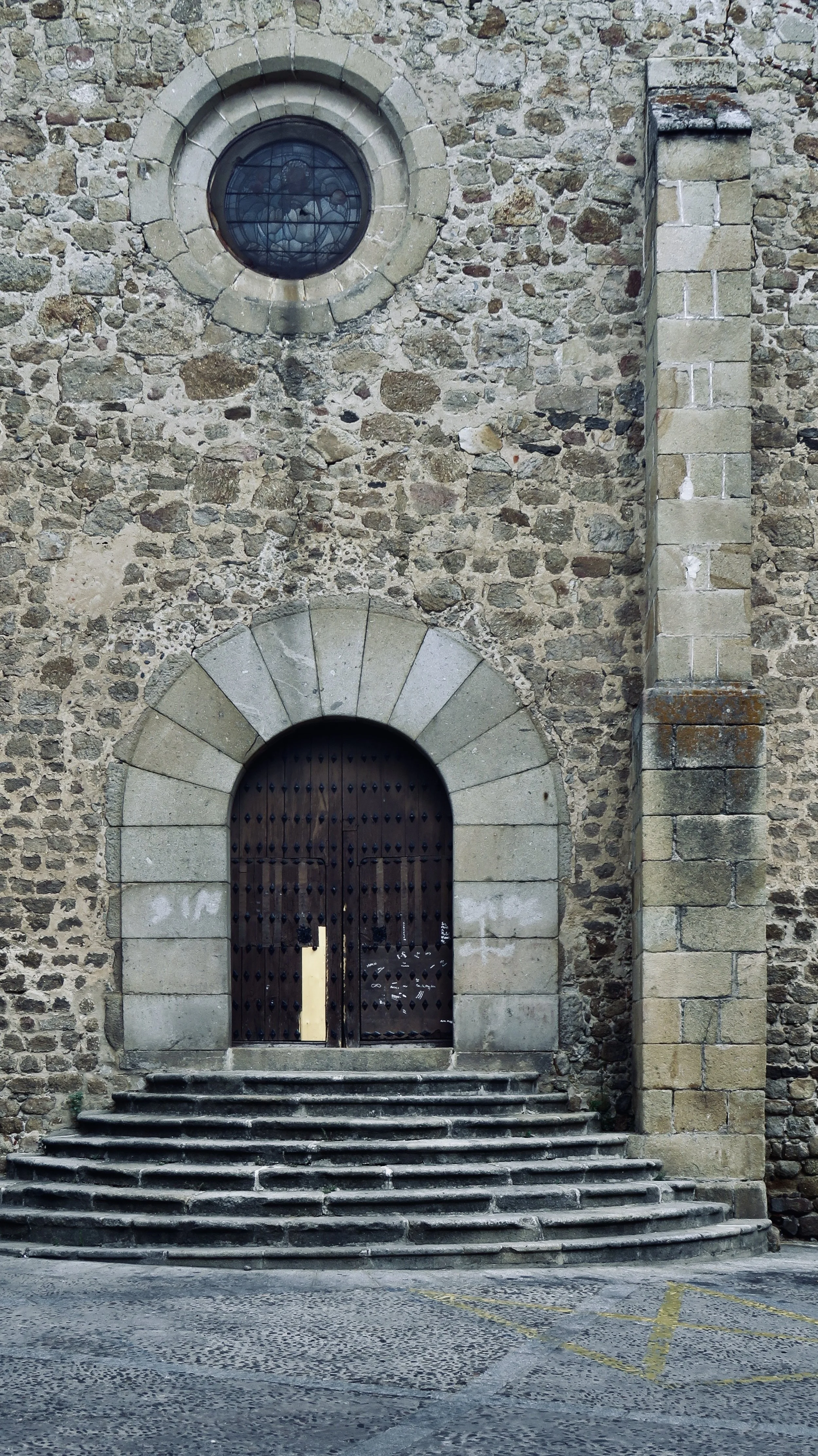
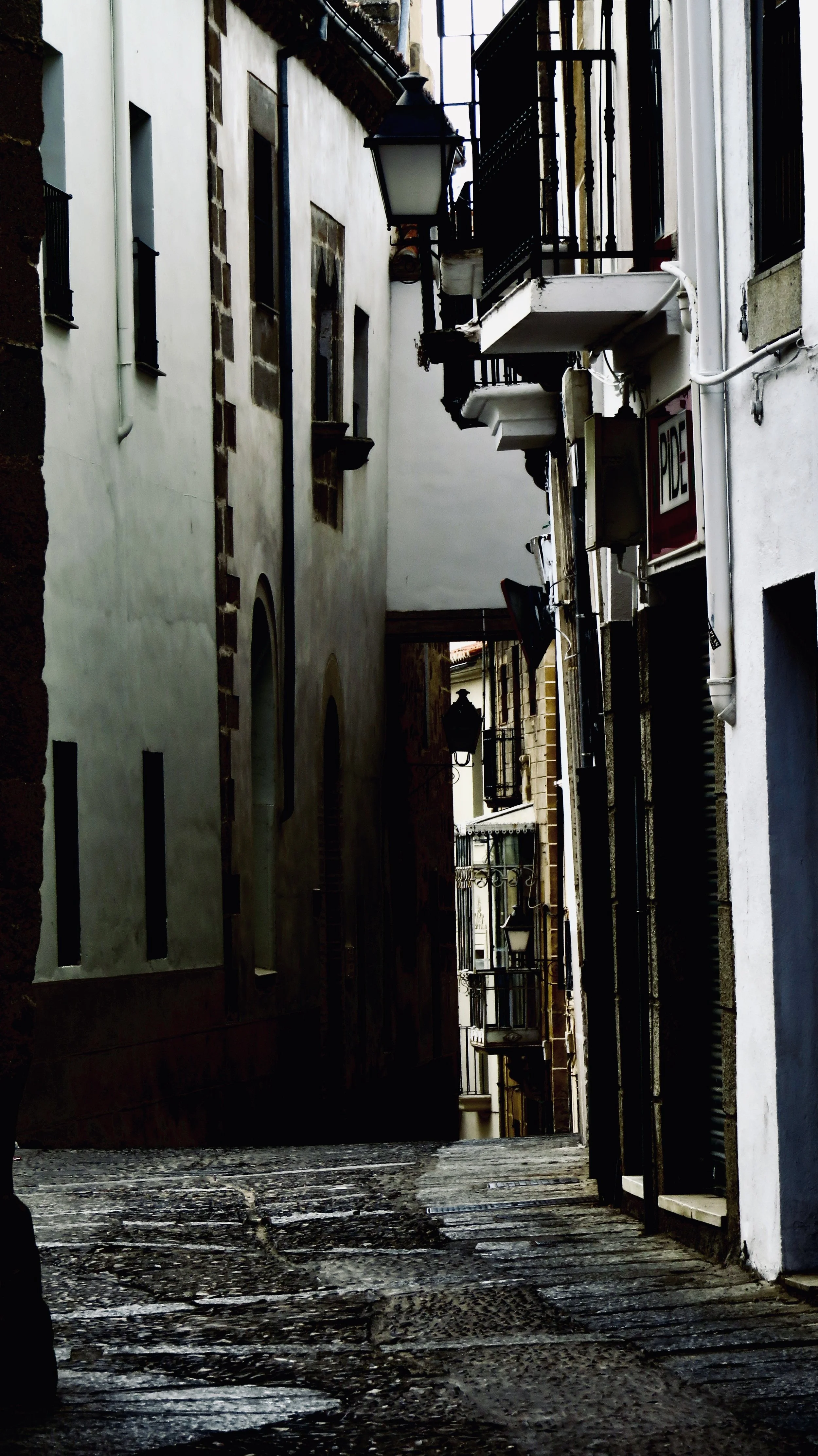
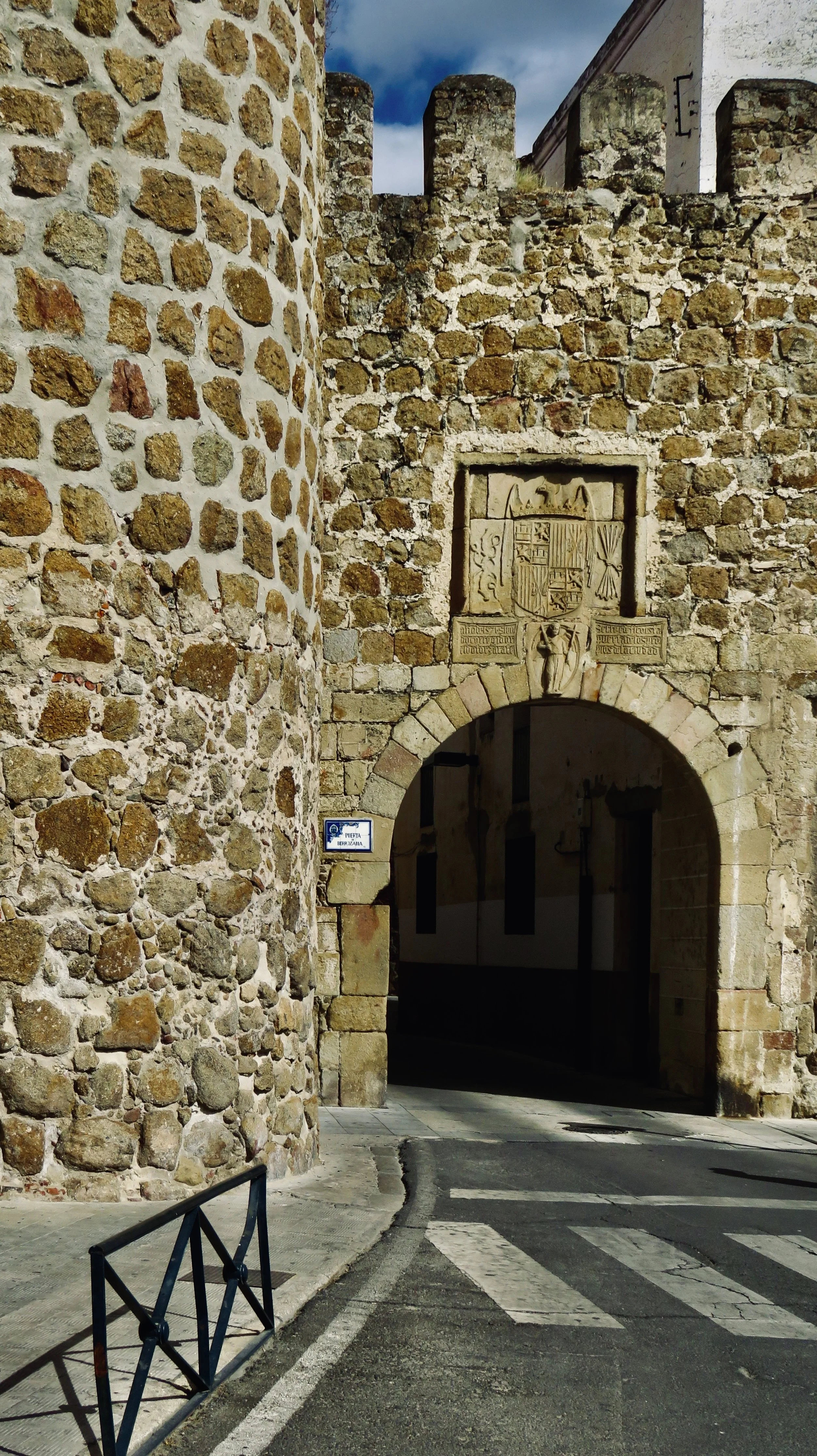
Puerta Berrazana
Puerta de Trujillo
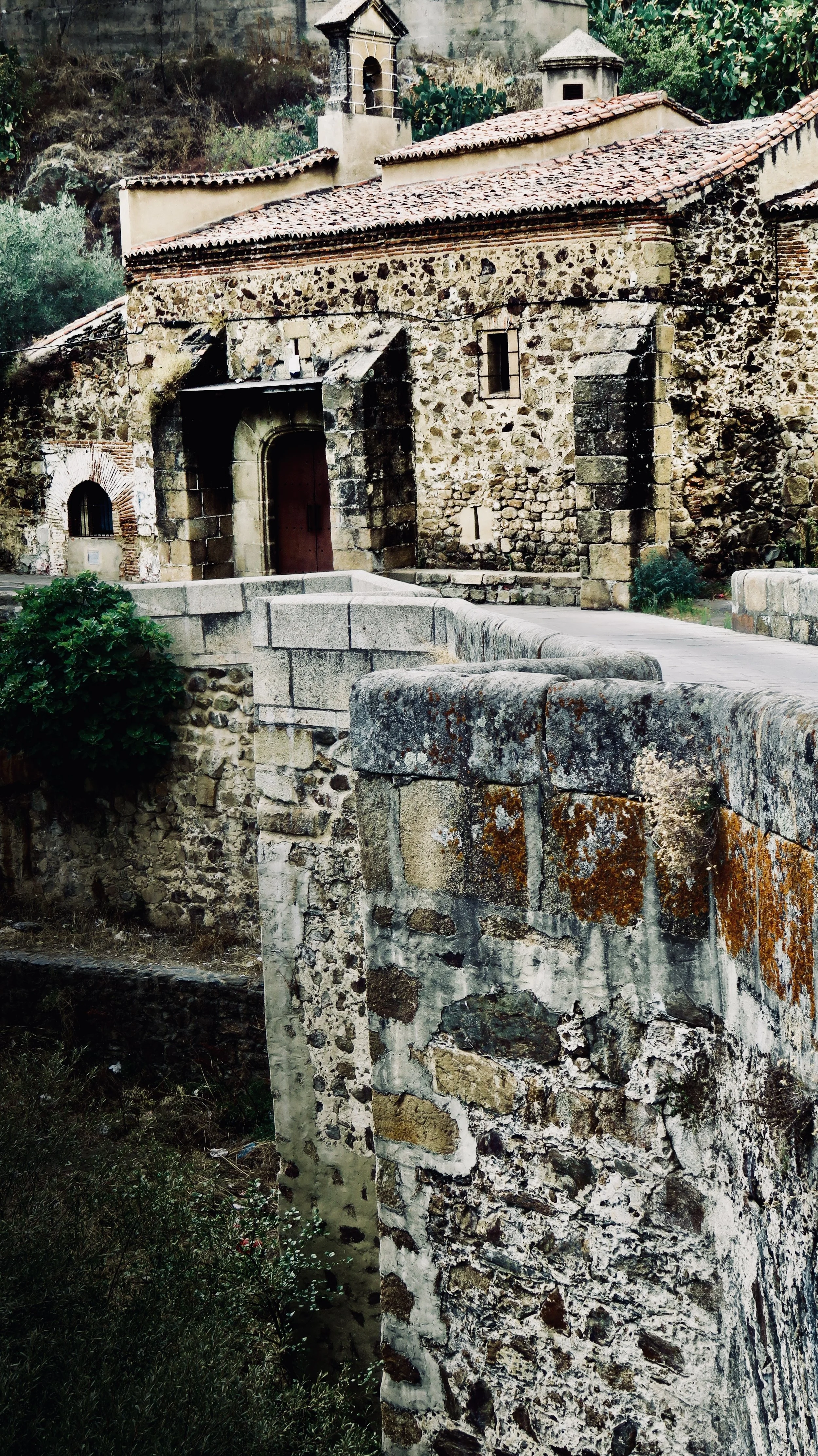
Puente de San Lazáro