Palencia - provincia de Palencia M3 - 2026
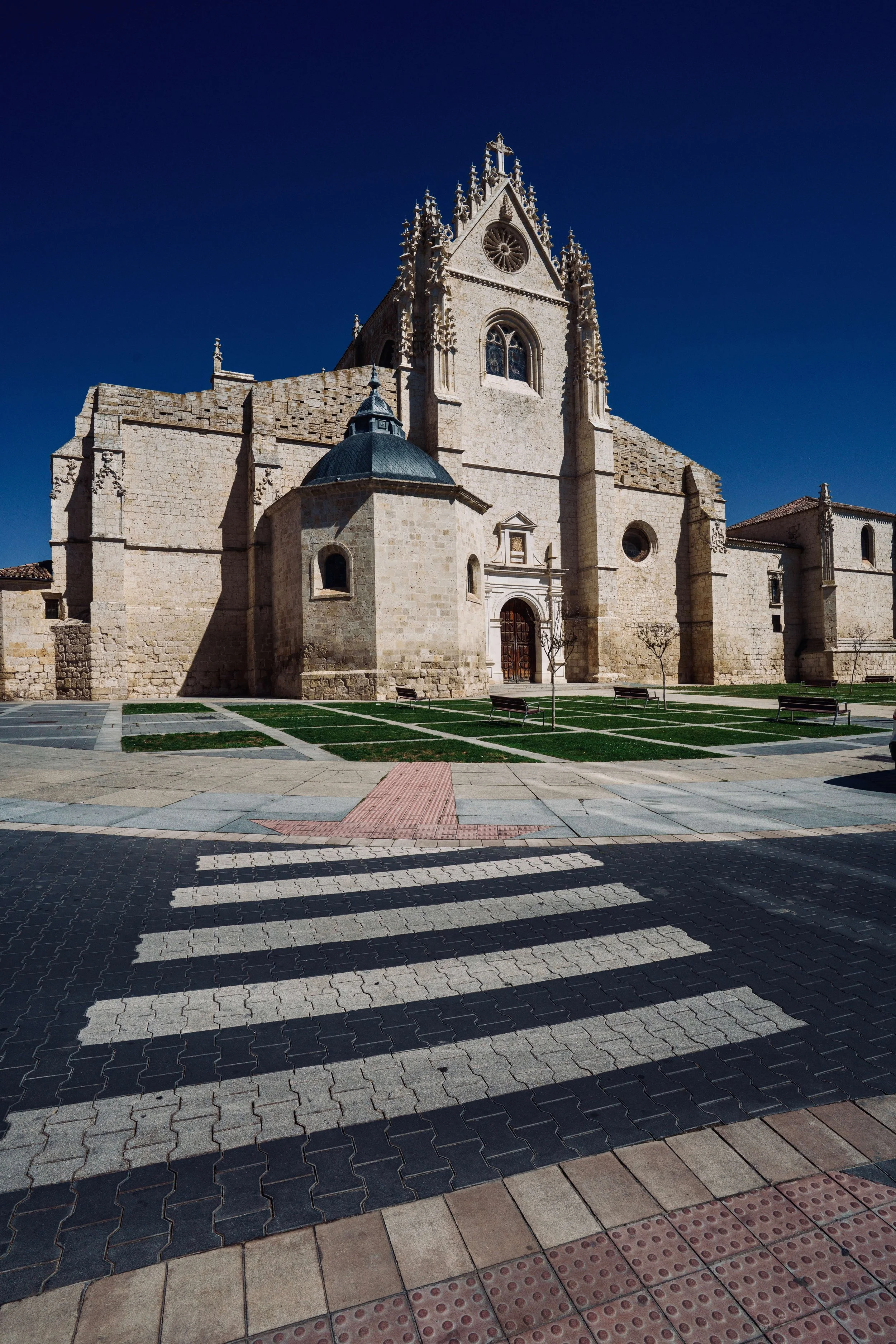
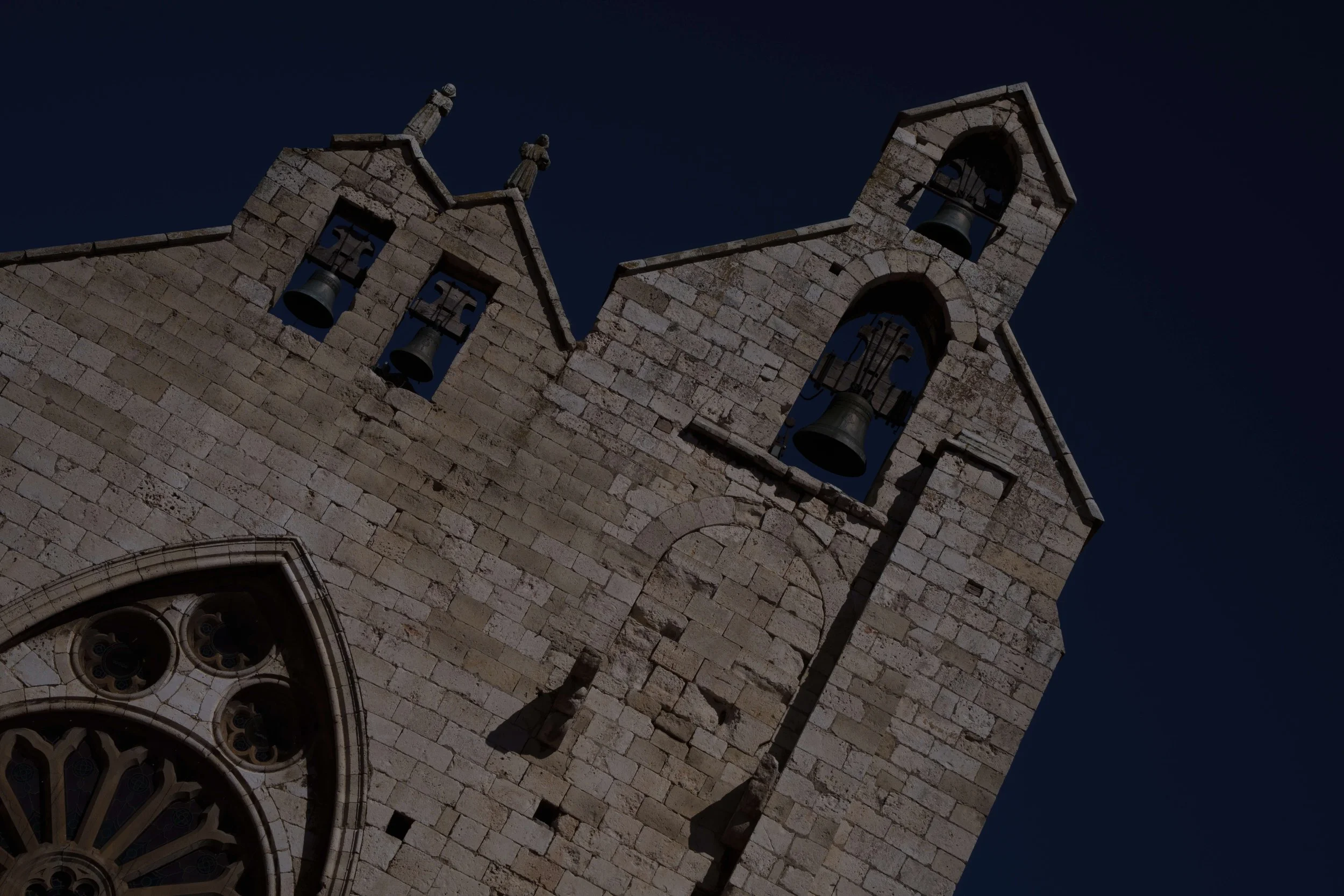
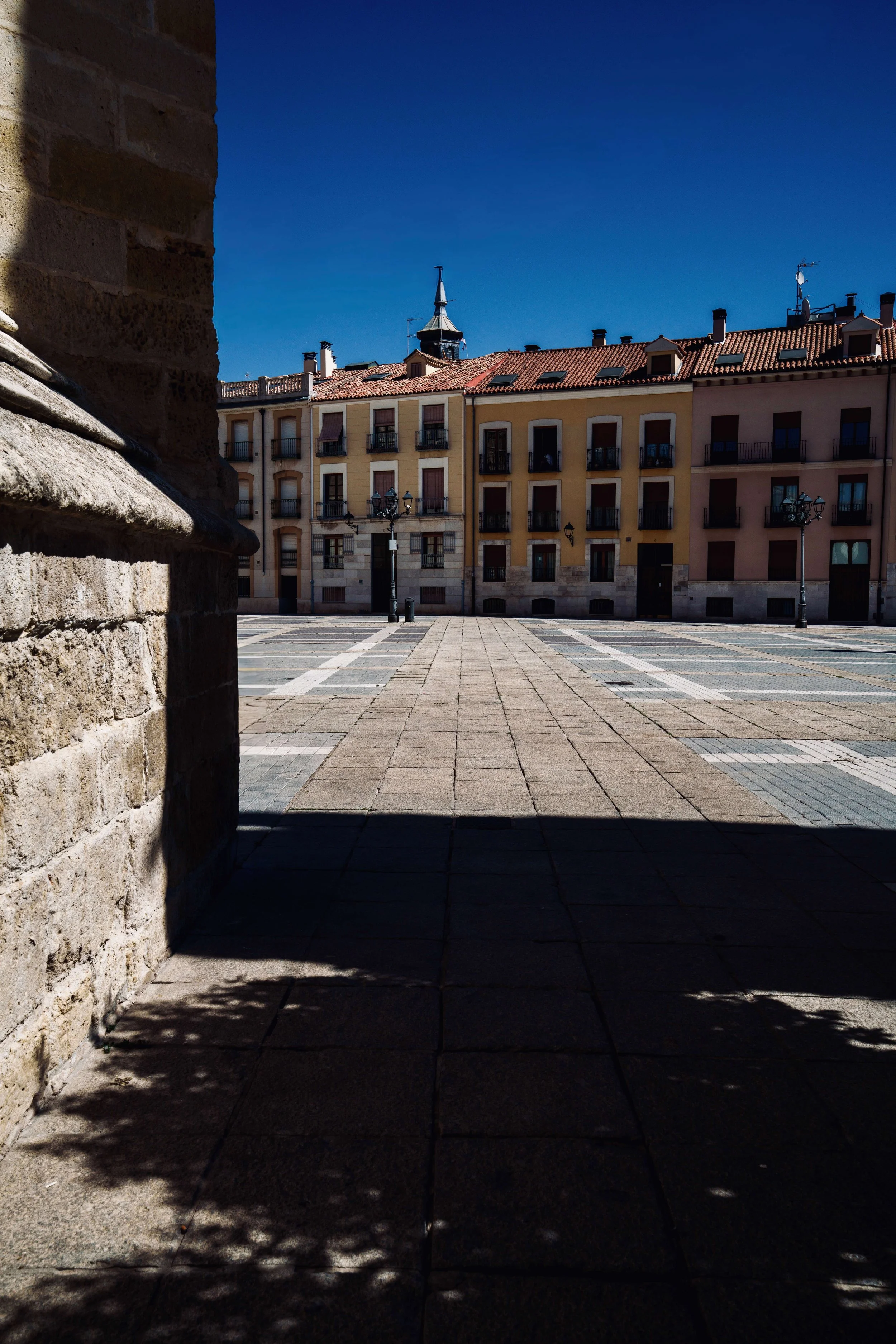
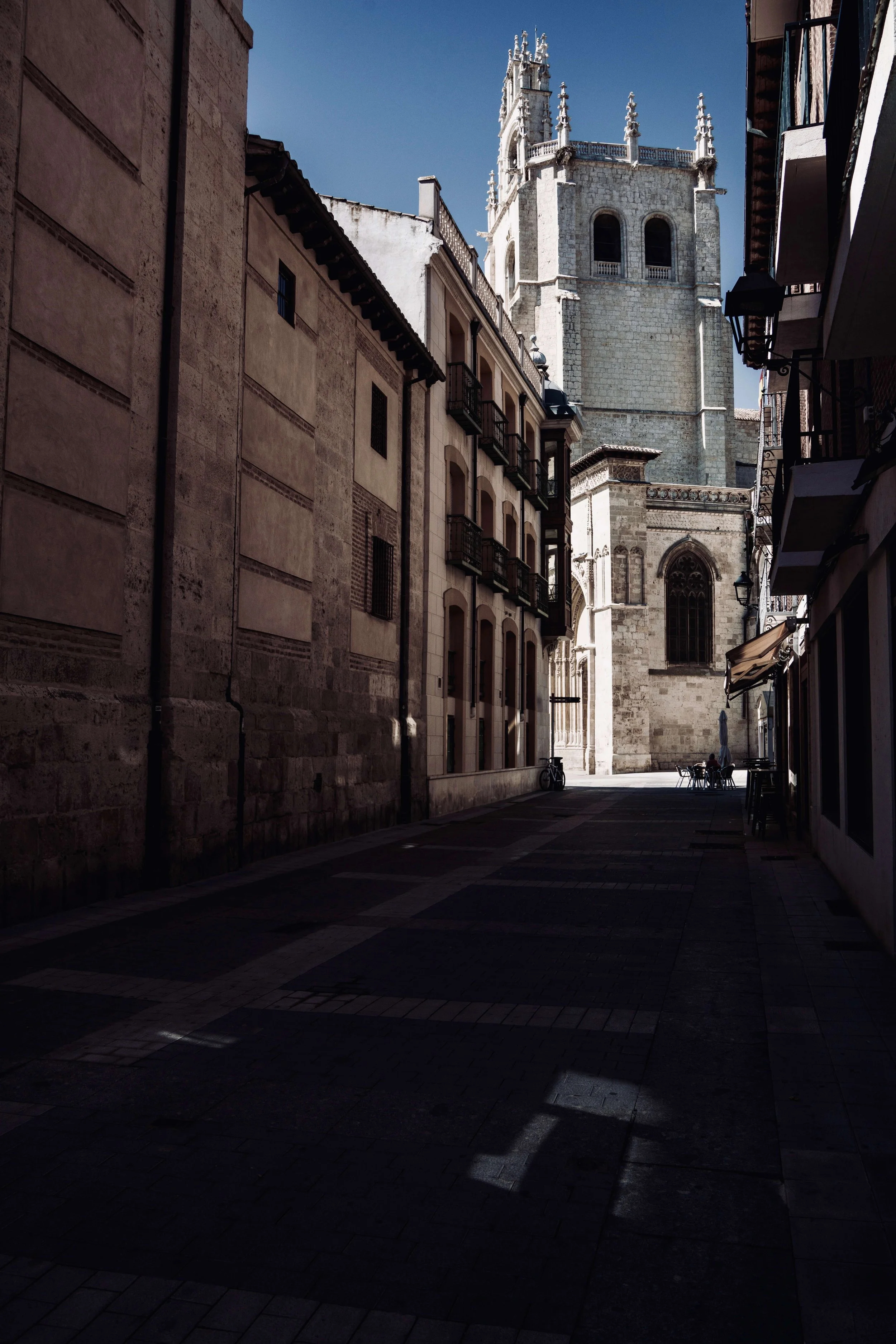
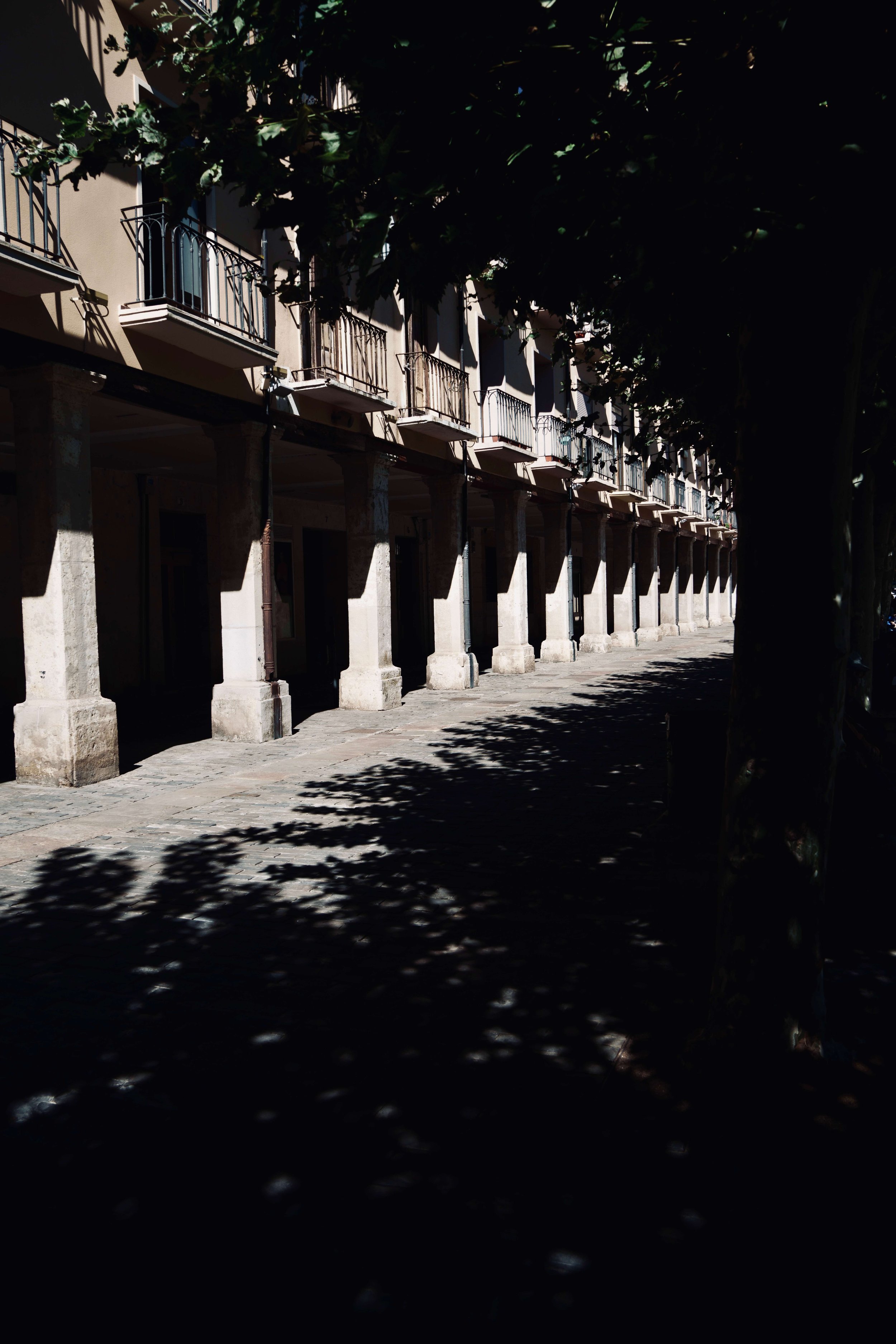
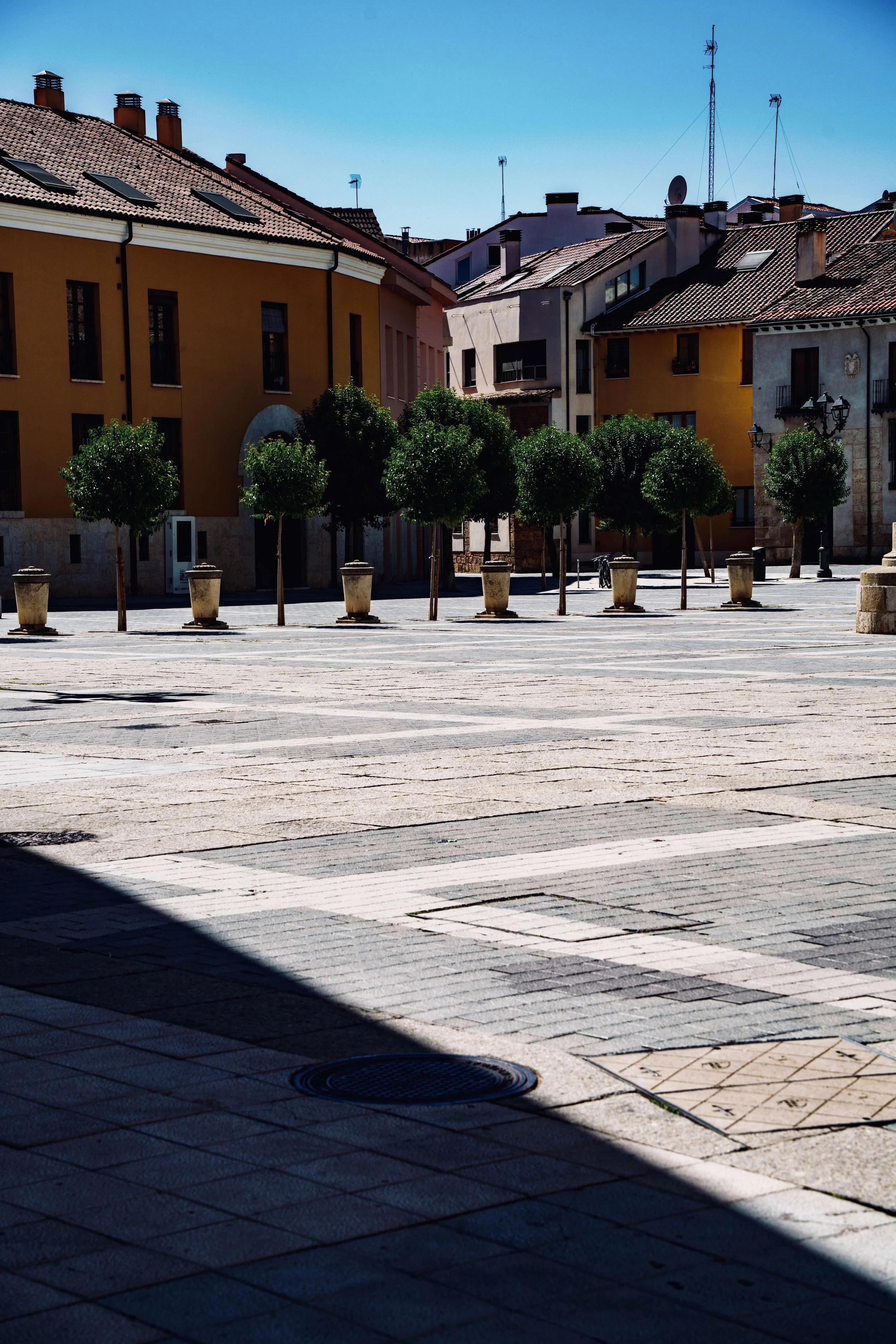
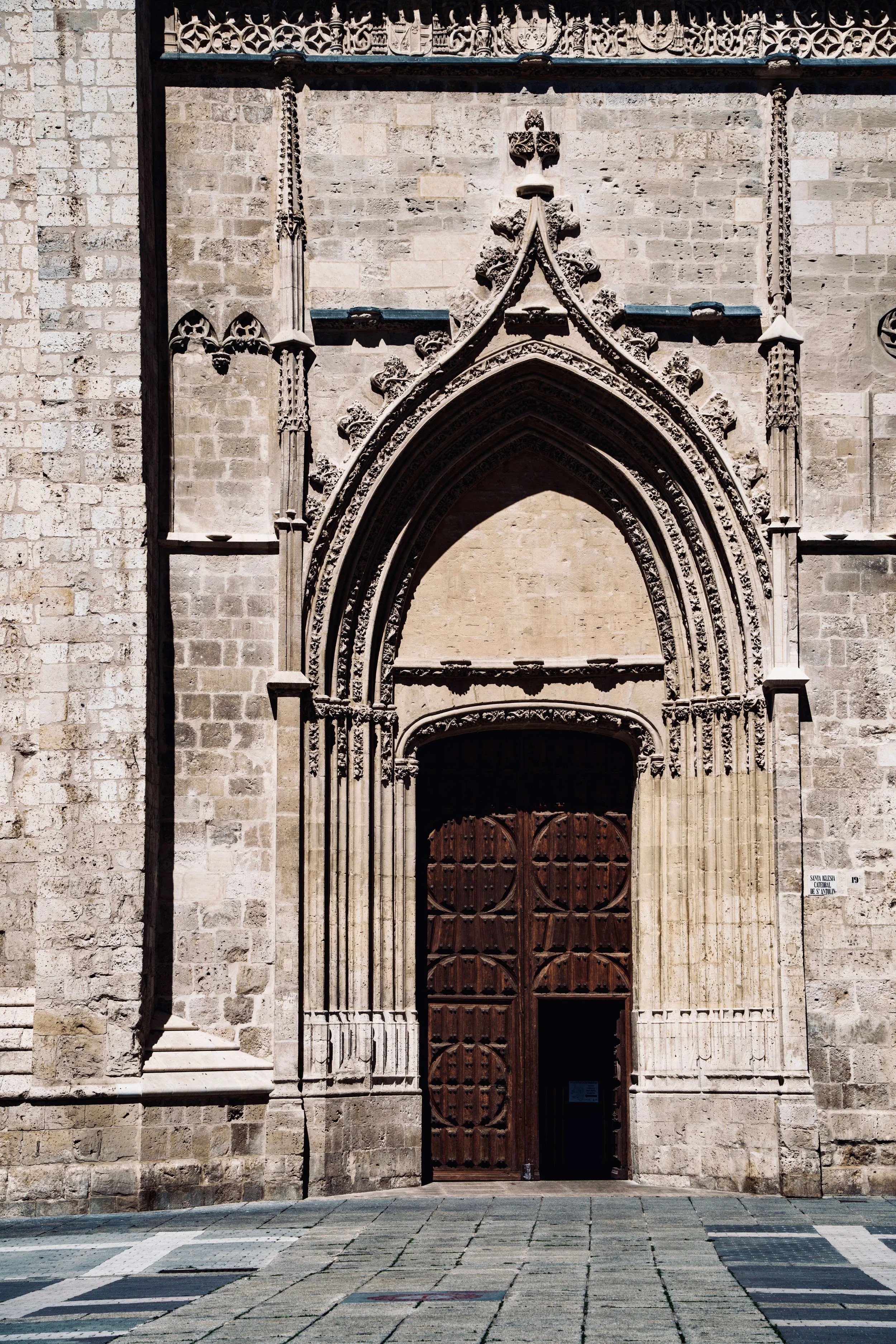
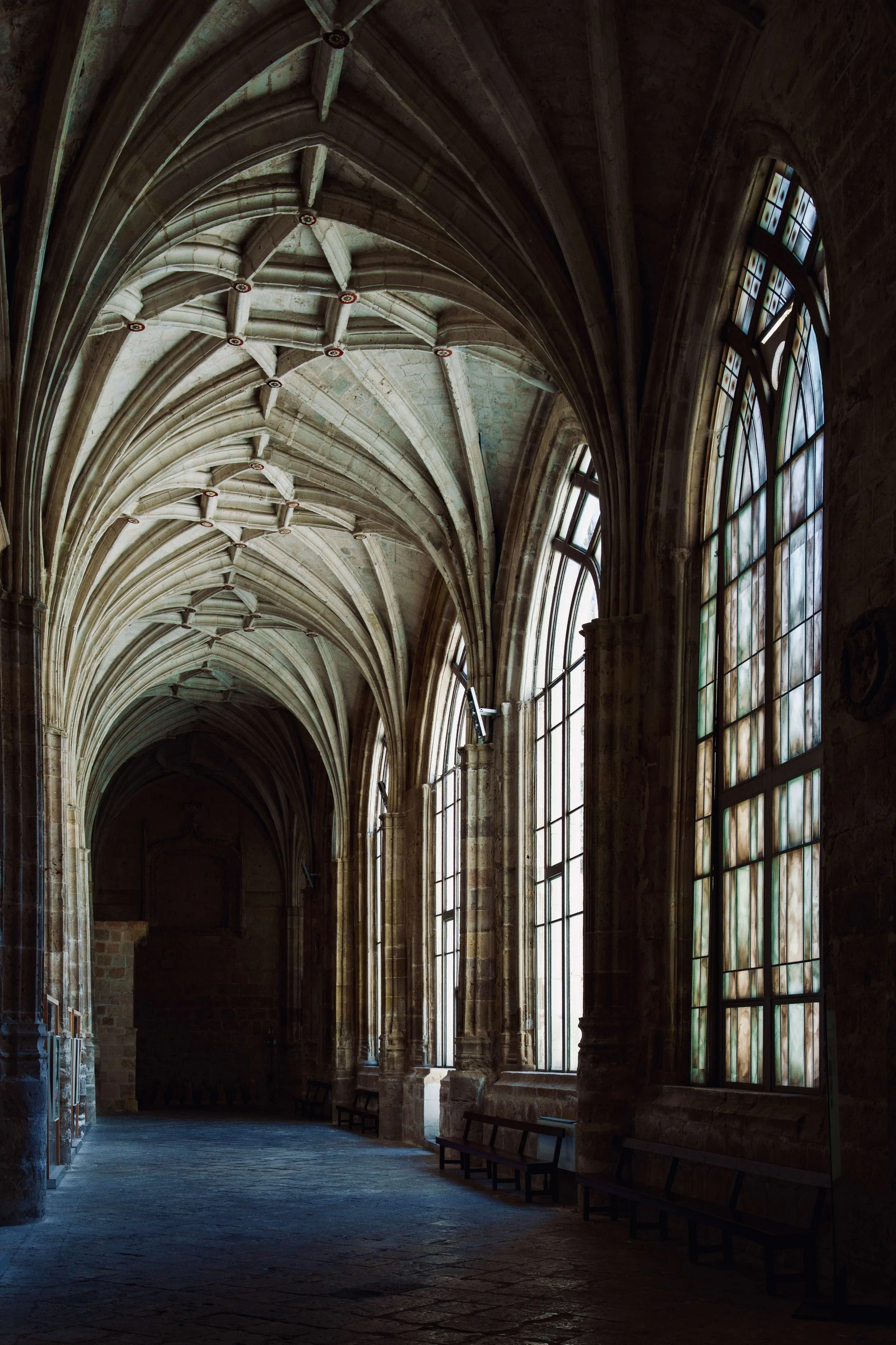
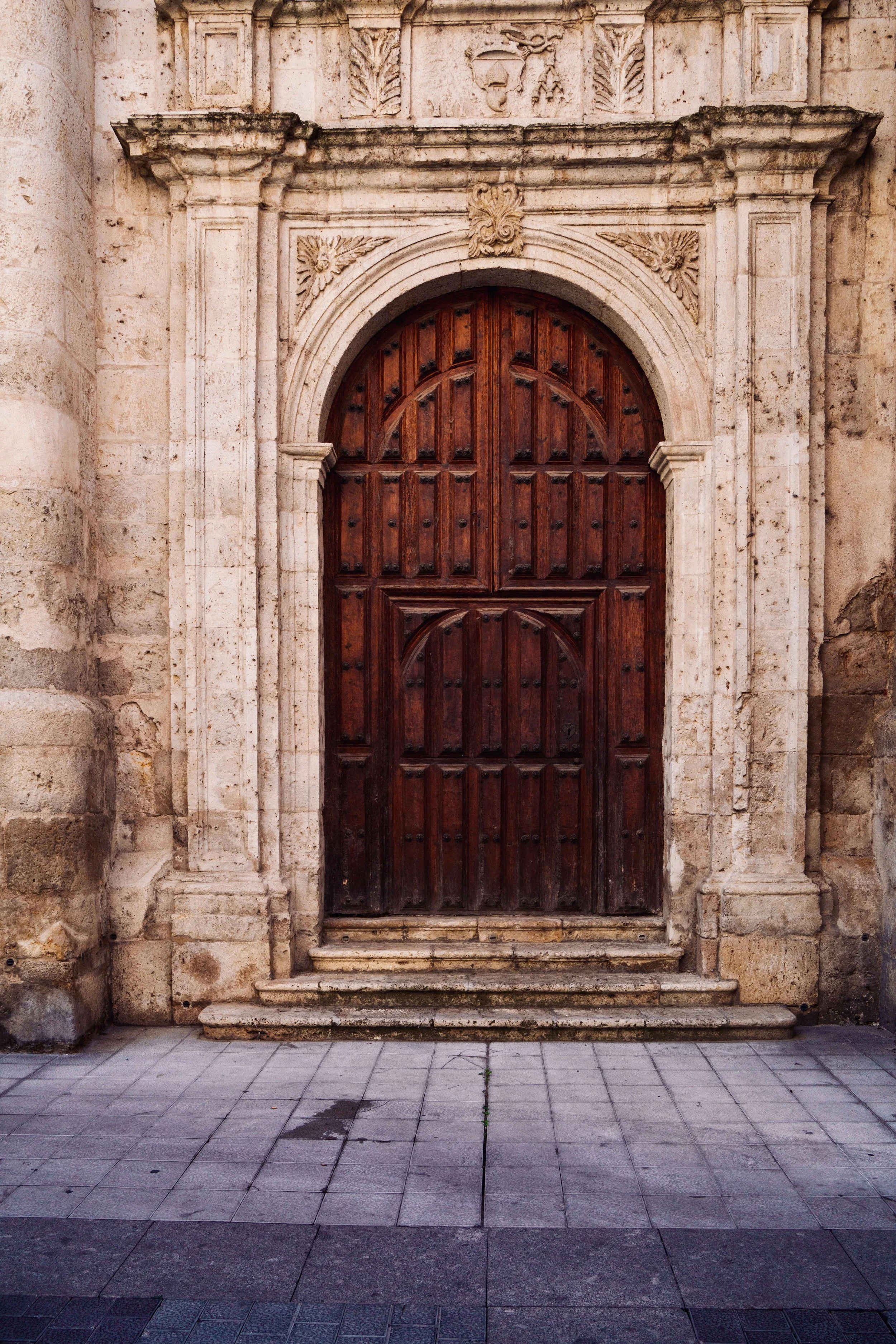
Palencia is a historic city in northern Castilla y León, lying on the banks of the River Carrión amid the fertile plains of the Tierra de Campos. Its architecture combines traditional Castilian houses of brick and stone, arcaded streets and squares, and substantial Gothic, Renaissance, and Baroque buildings. The great Cathedral of San Antolín, known as the “Beautiful Unknown”, is the city’s outstanding monument, while the Romanesque church of San Martín de Tours and the Cristo del Otero statue are also significant landmarks. The surrounding countryside is predominantly agricultural, with extensive cereal cultivation, sugar beet, vegetables, and livestock farming. Palencia is rather different from the more celebrated historic cities of Castilla y León: it has a quieter, more workaday character, yet contains an impressive concentration of historic architecture and sits at the heart of one of the region’s great agricultural landscapes.
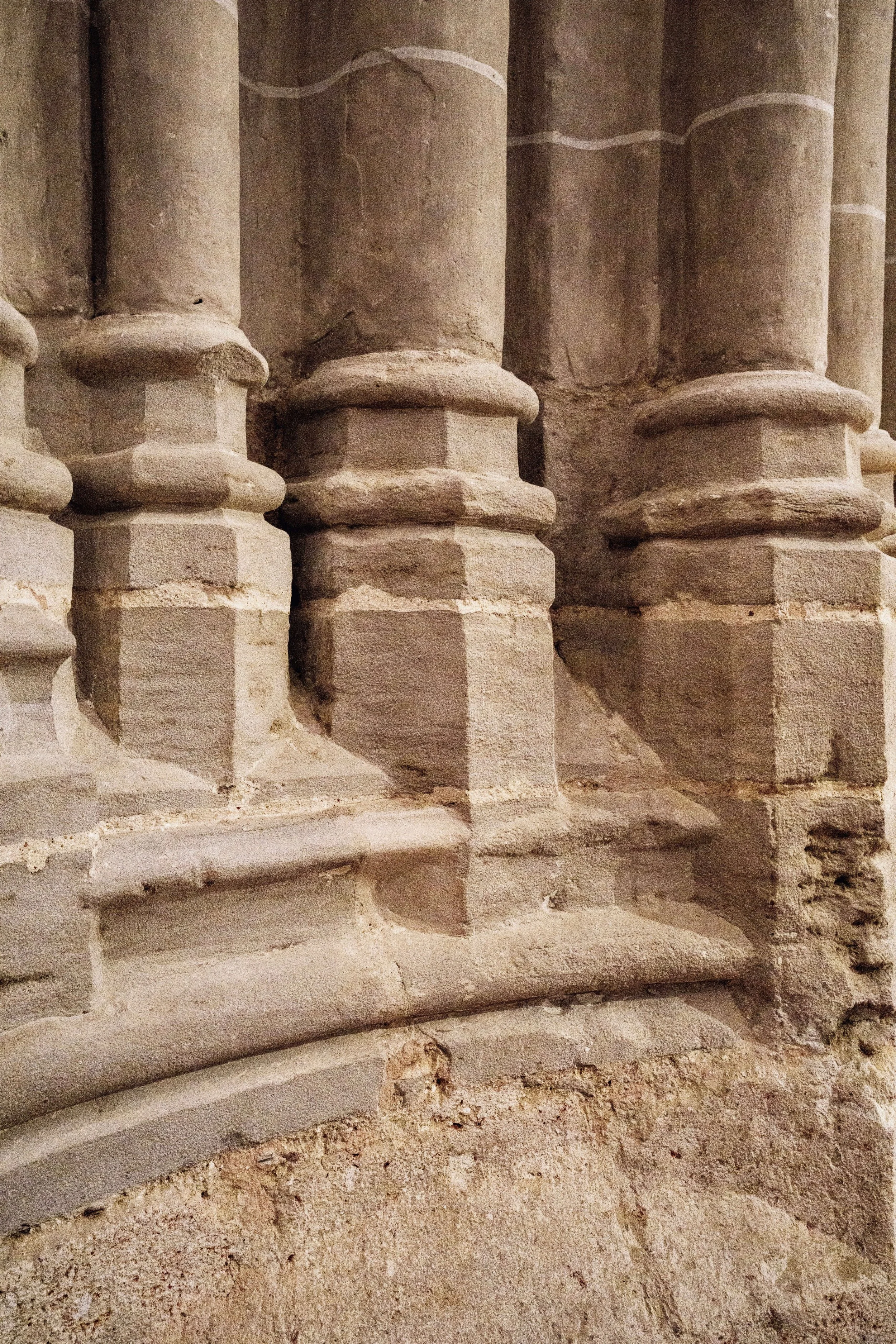
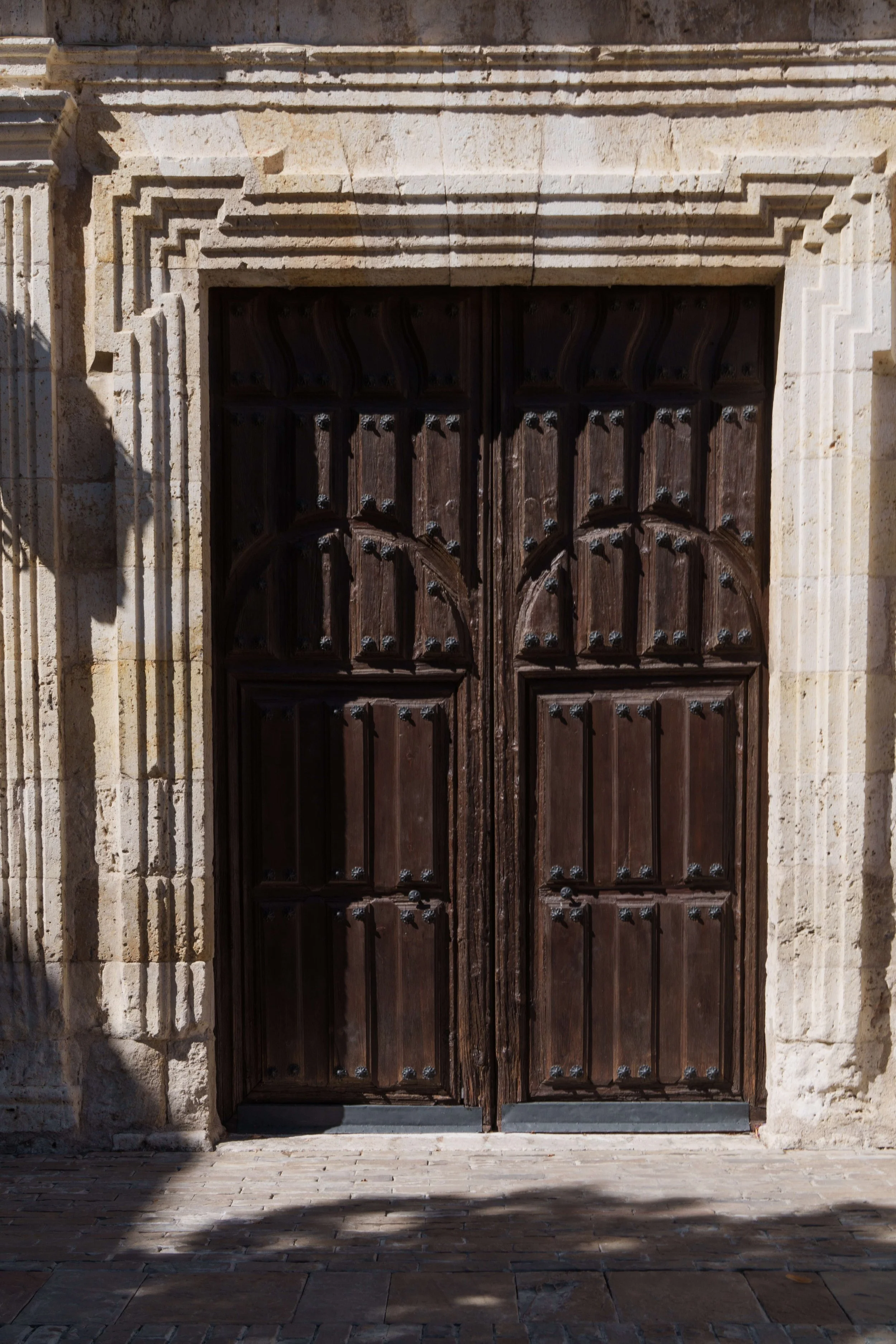
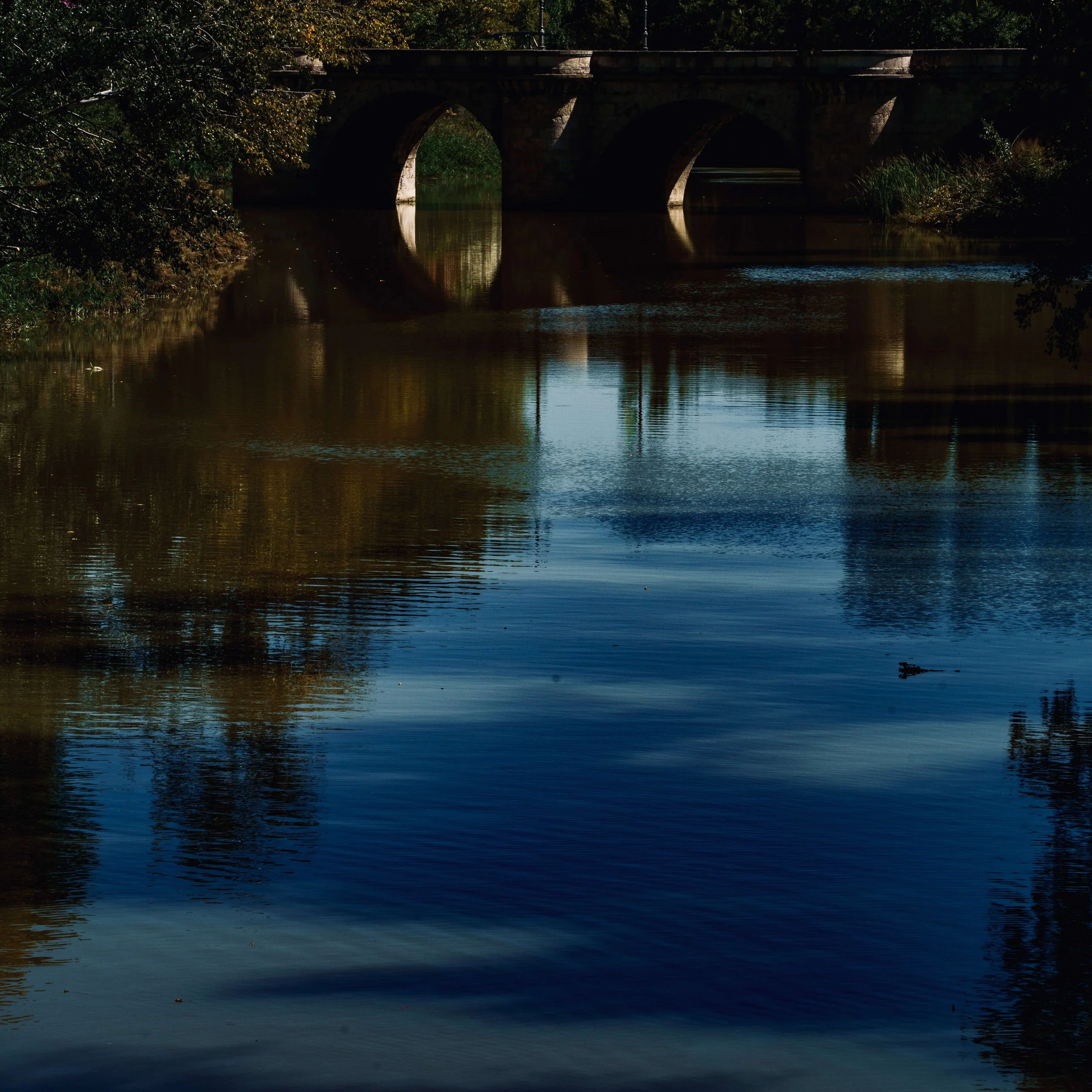
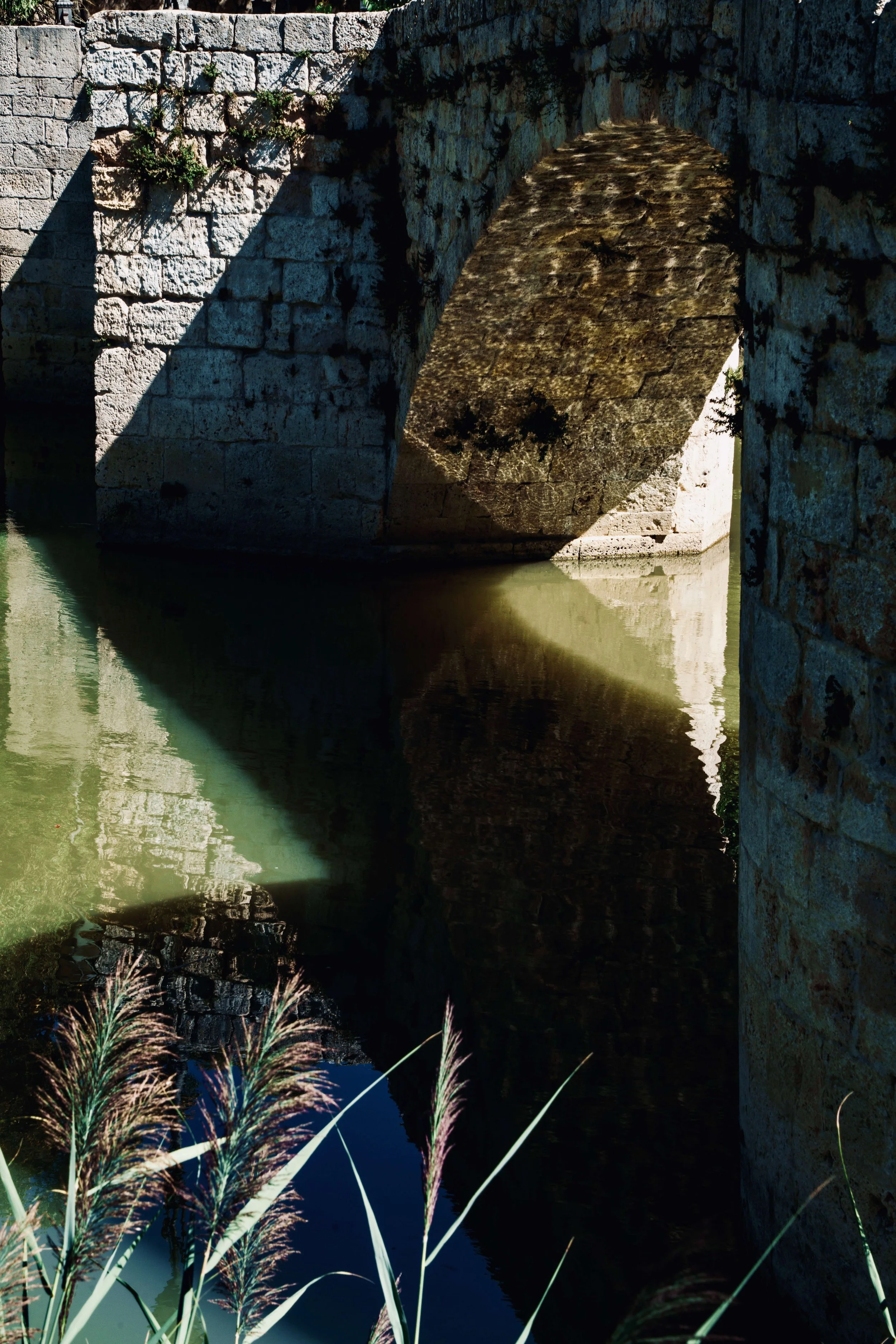
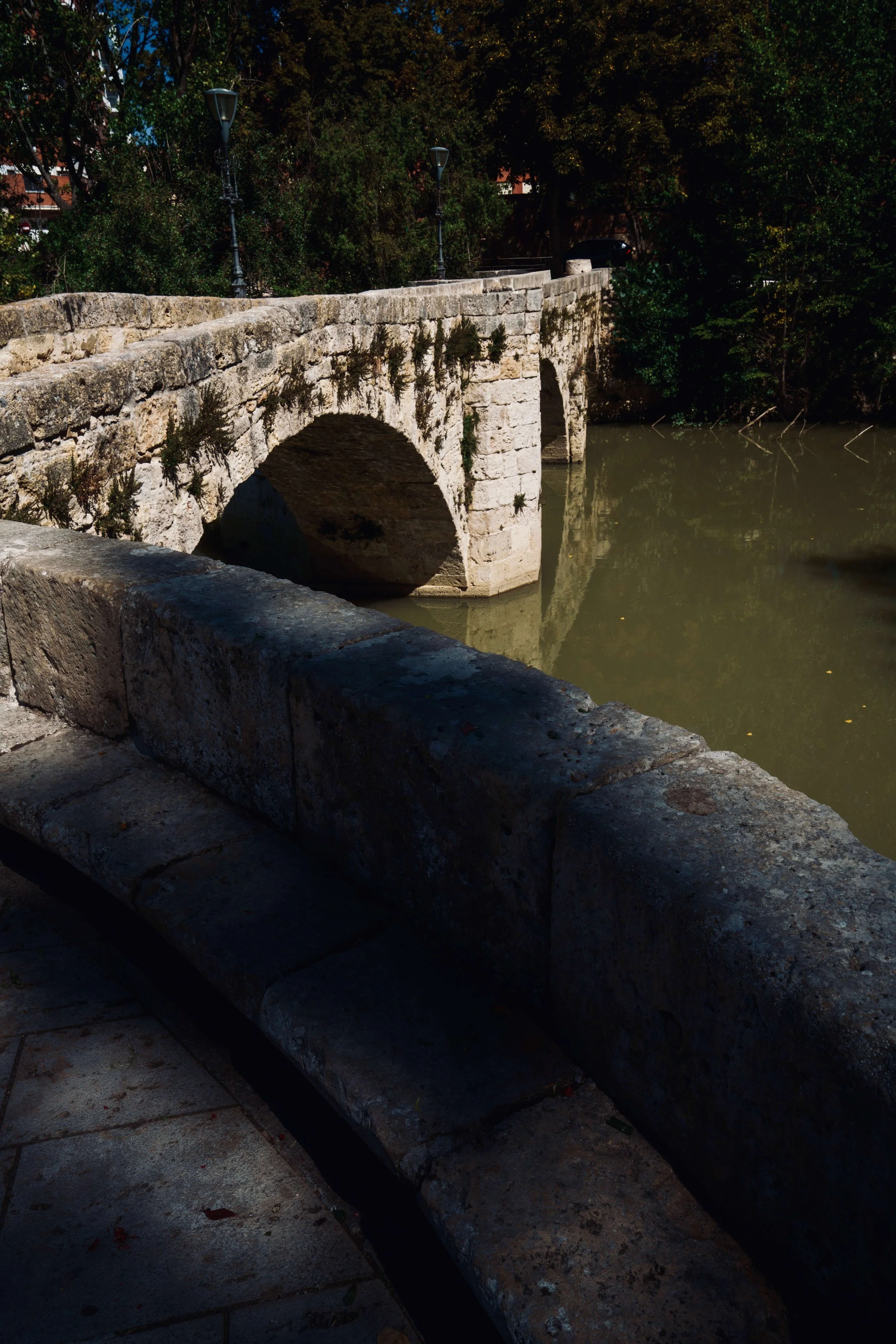
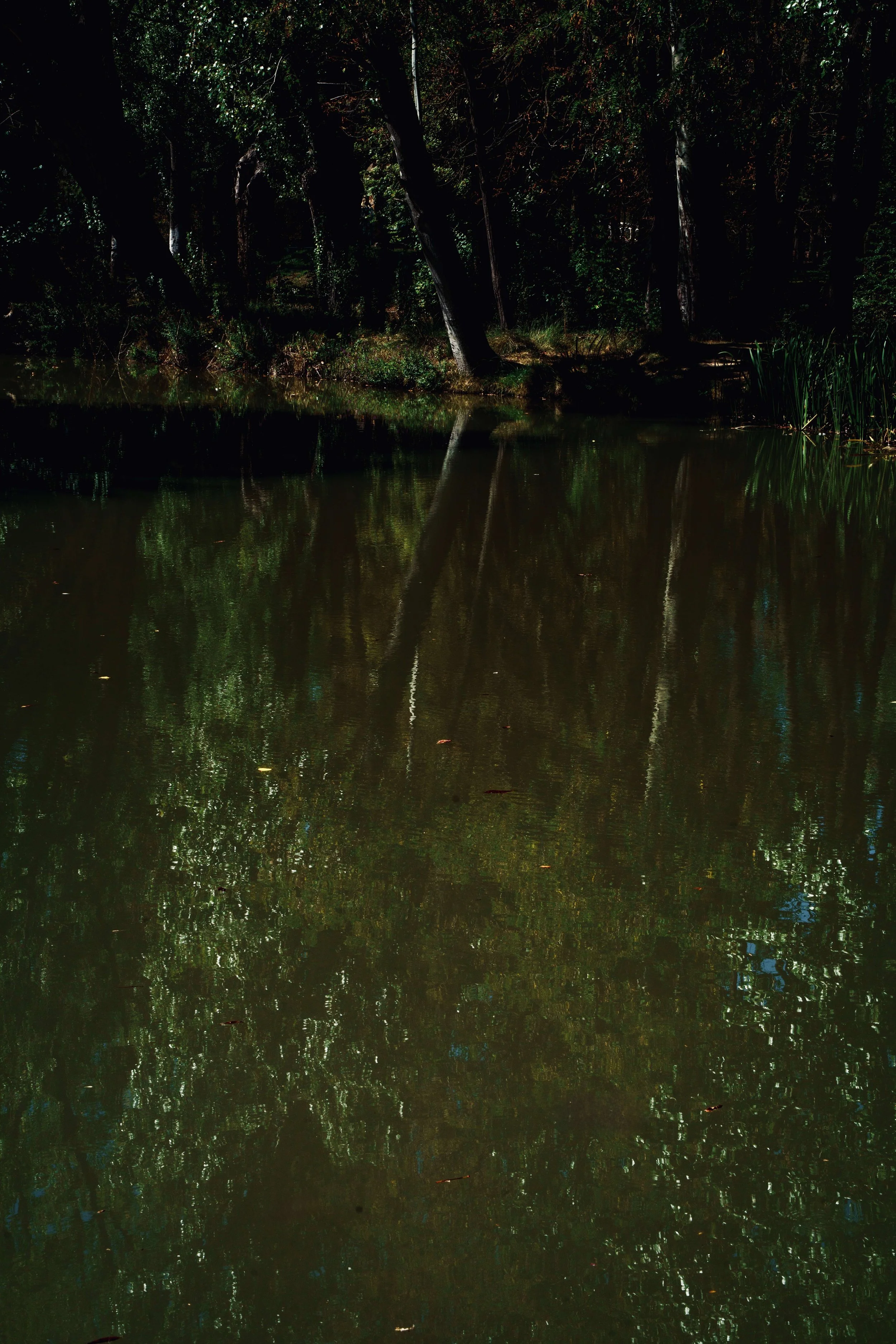
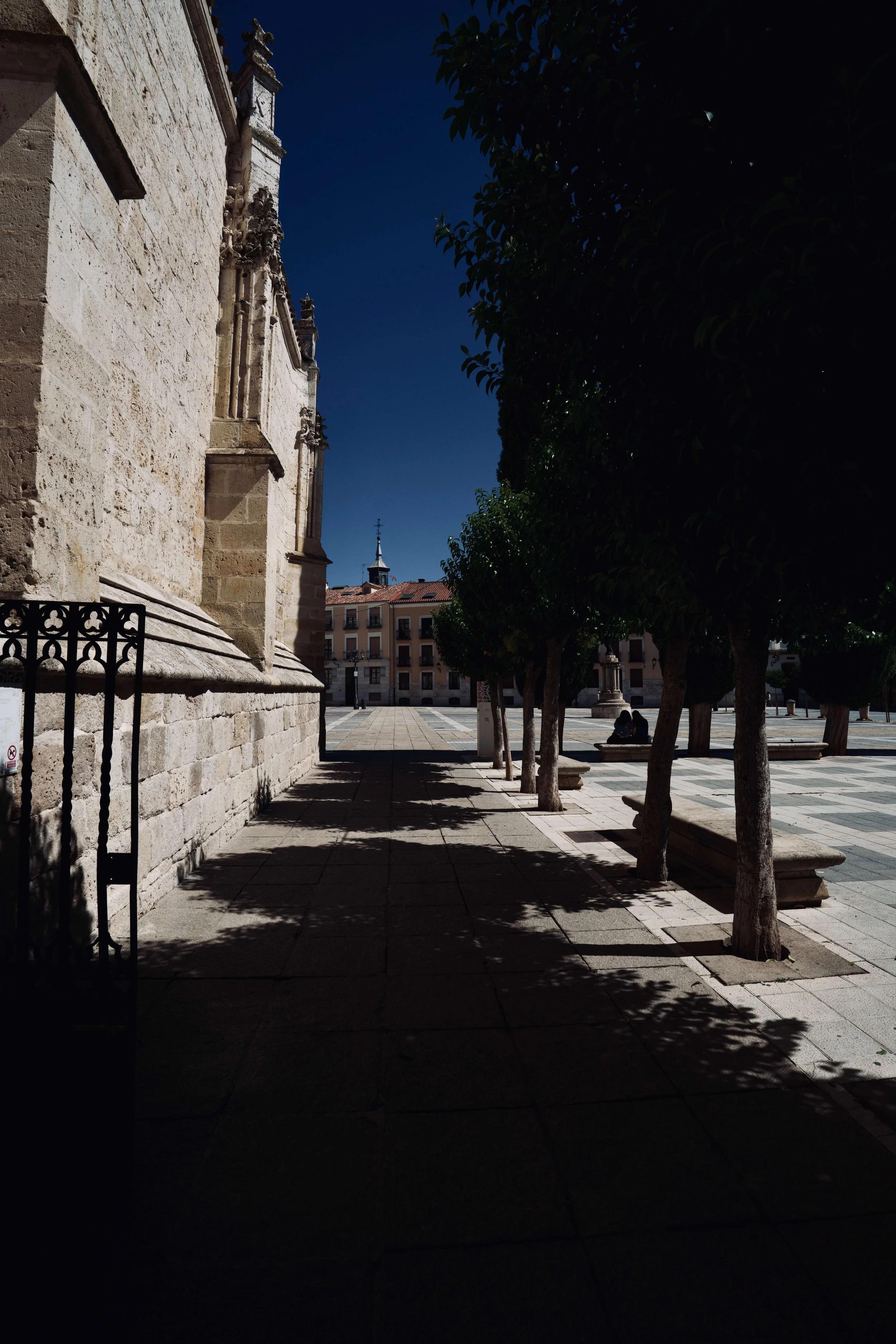
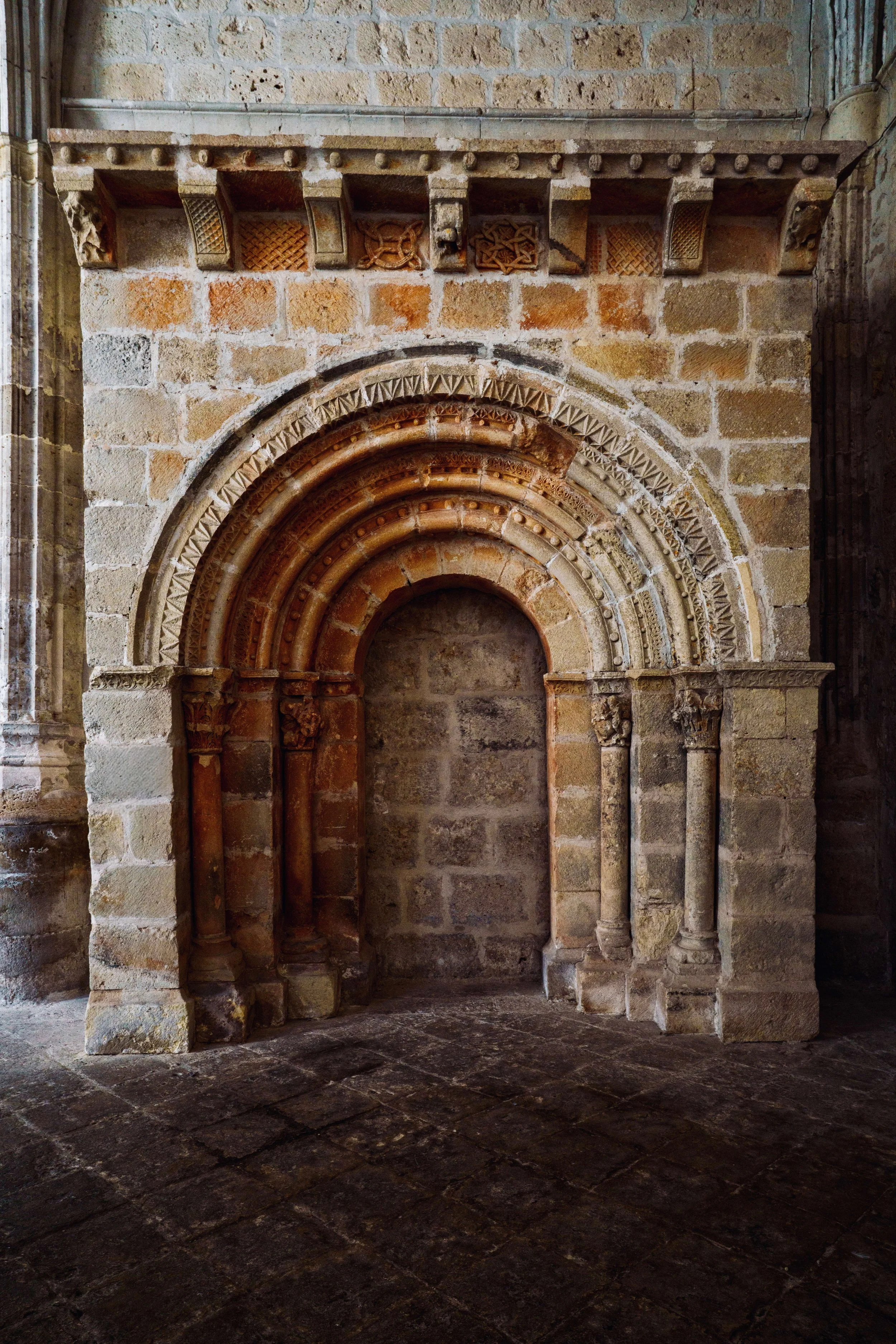
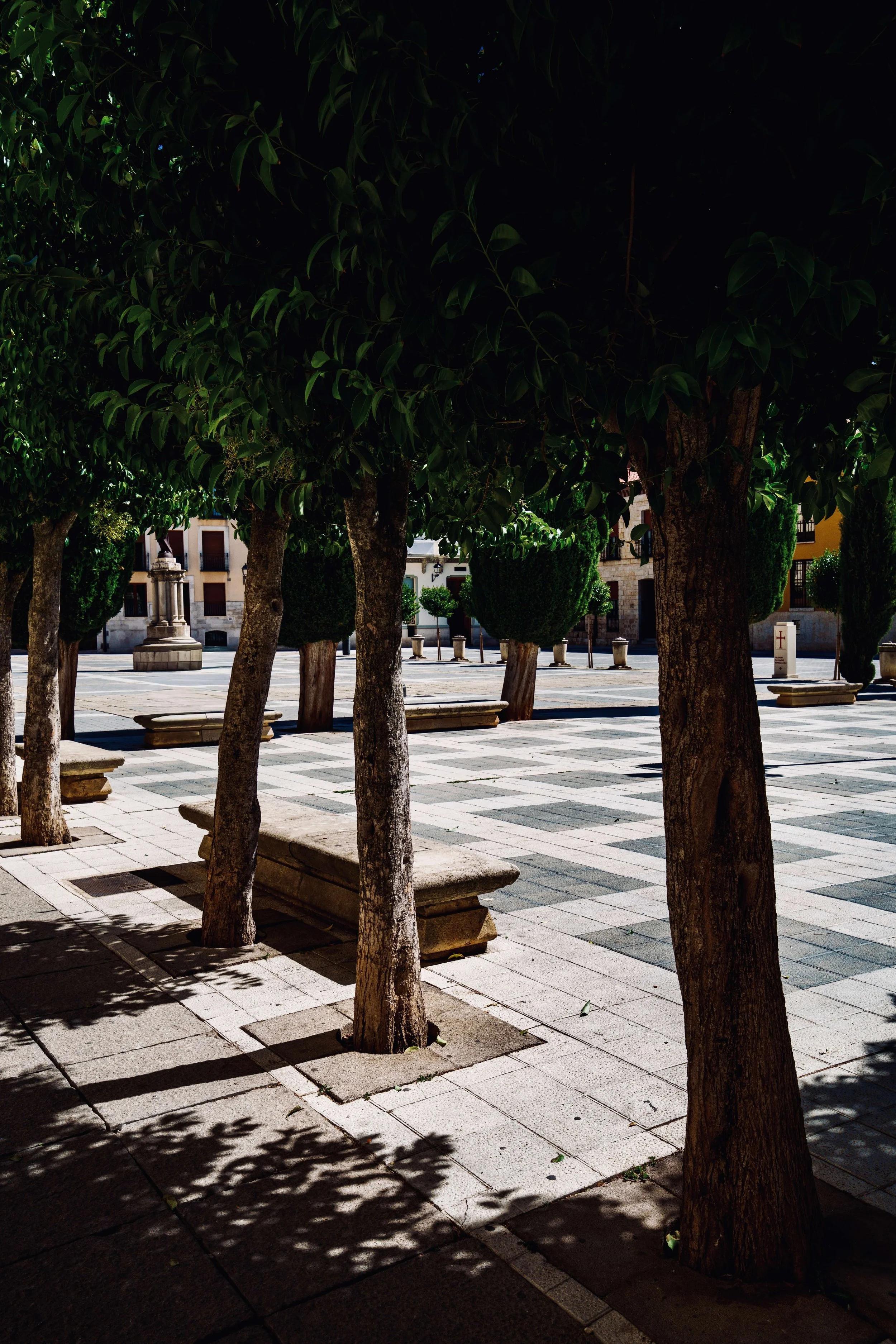
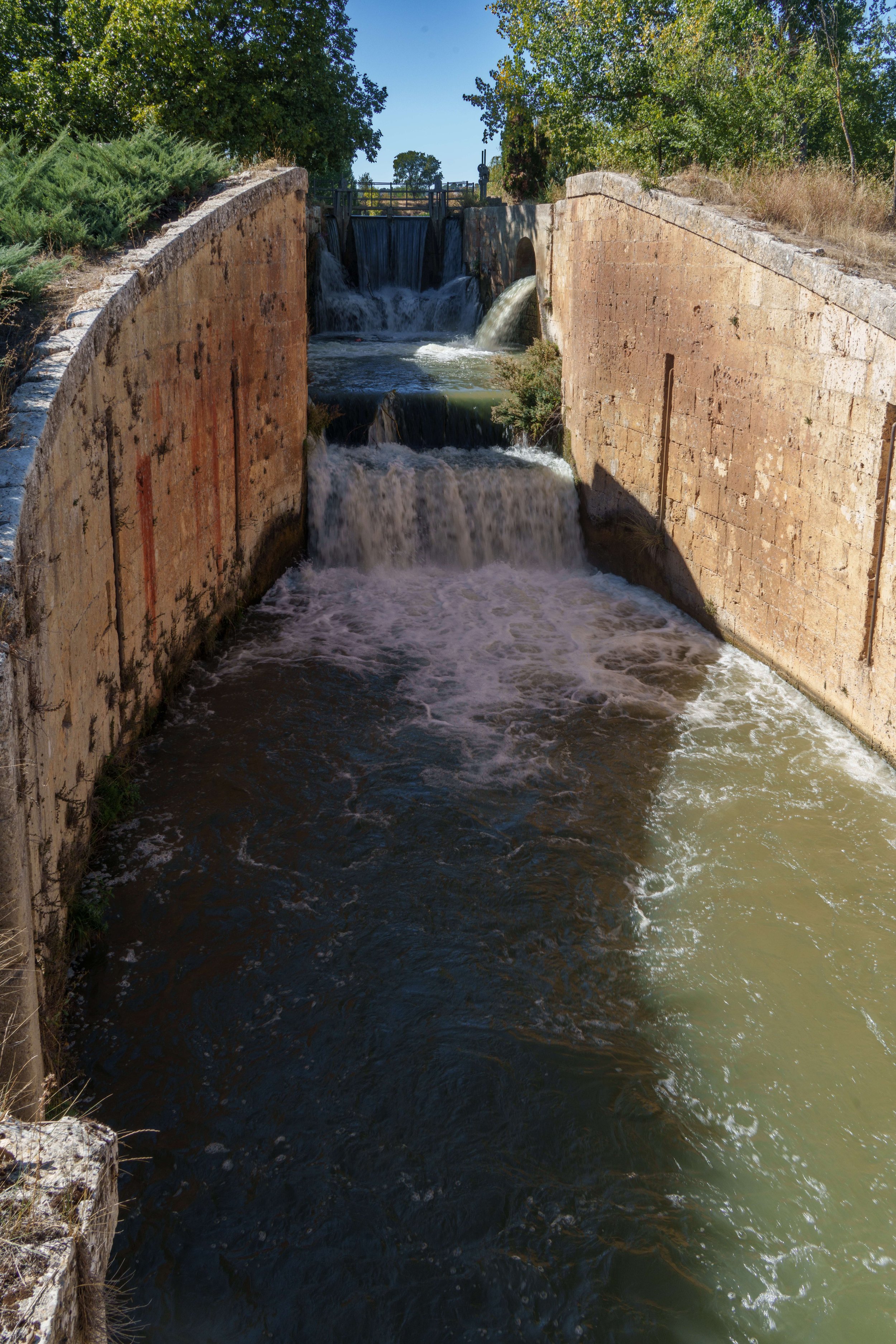
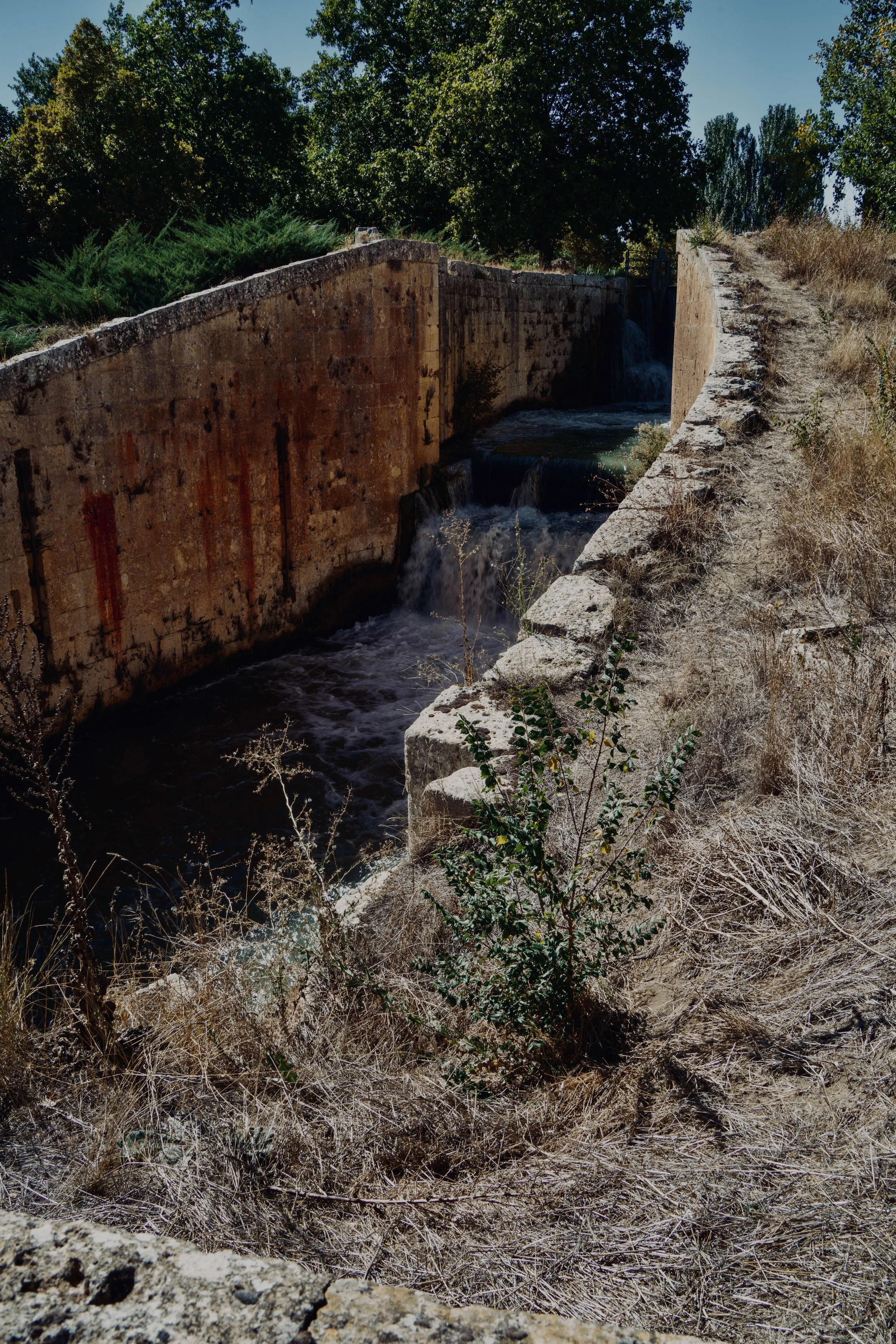
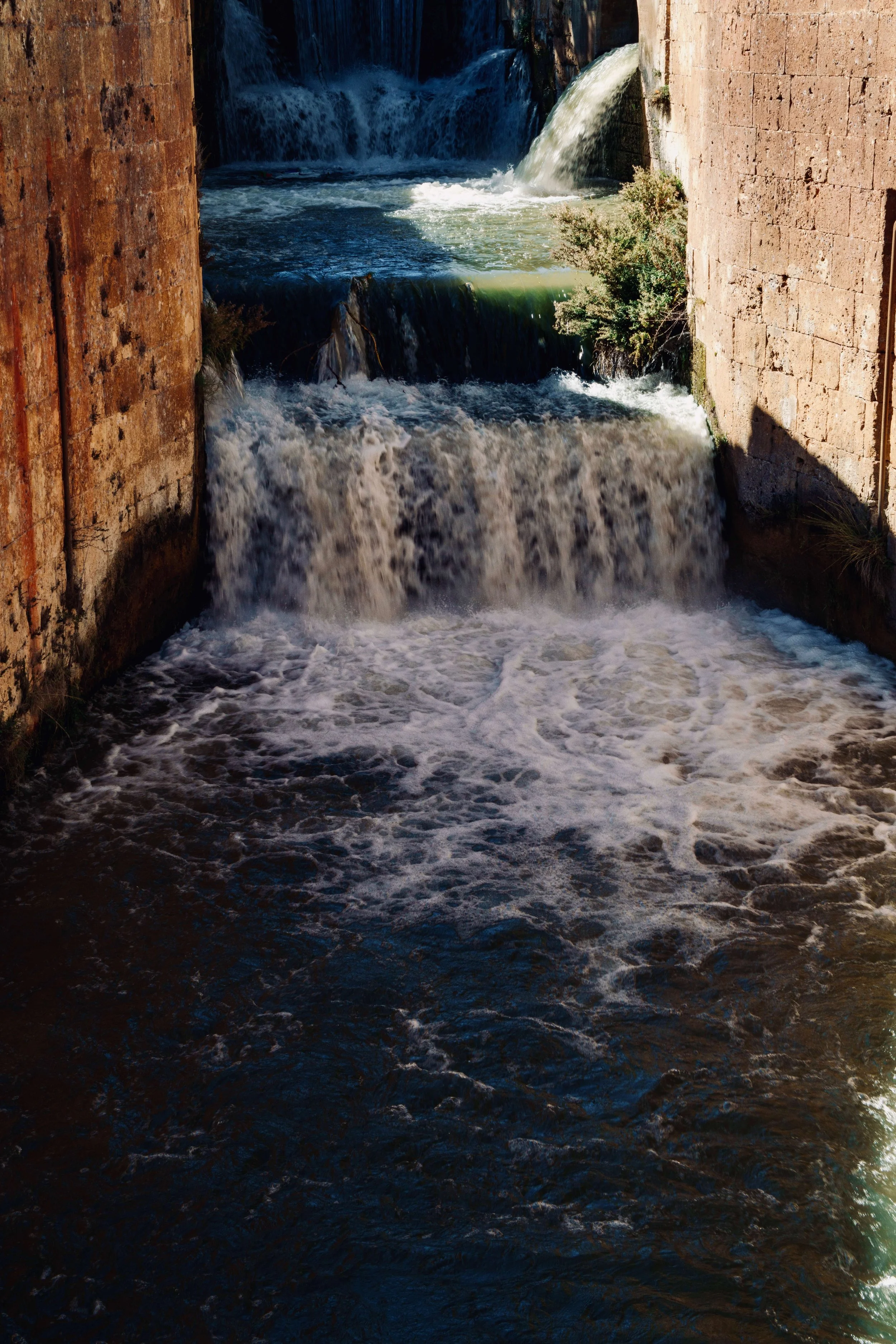
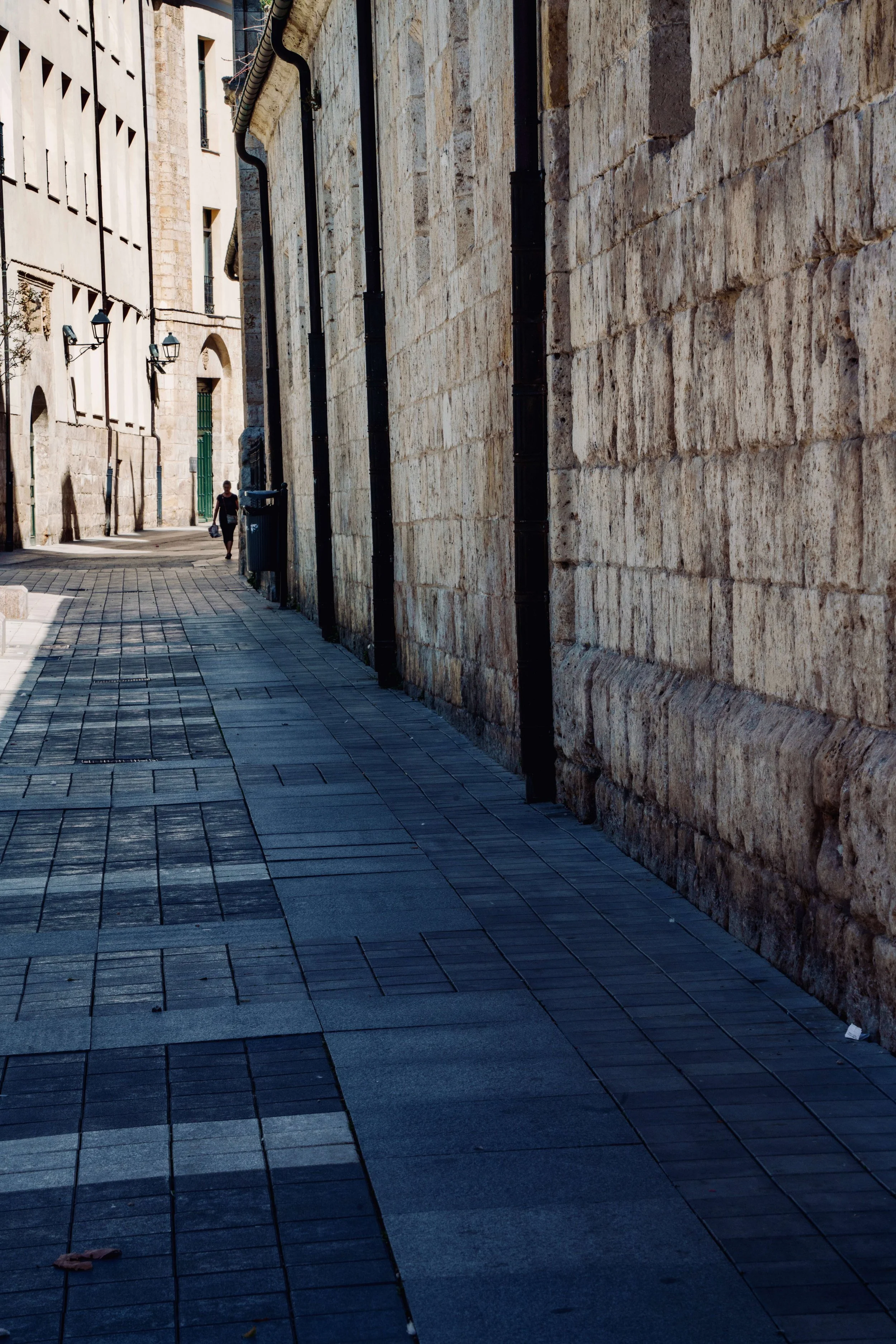
We drove down from the north of the province to spend the morning exploring Palencia and were immediately struck by what a beautiful city it is. It felt exceptionally clean and well cared for, with hardly a trace of graffiti anywhere —something that is surprisingly unusual in Spain. The cathedral is quite extraordinary, both inside and out, and unlike anything I can remember seeing elsewhere. From the cathedral, we made our way through the city towards the River Carrión, where the urban streets opened onto the water and the old Puente de Puentecillas. Crossing this ancient stone muleteer’s. bridge. As we left the city on our way to Ampudia we stopped to admire one of the locks at the northern end of the Canal de Castilla. The morning unfolded naturally from the city’s architecture to the river and bridge, and finally into the wider agricultural landscape surrounding Palencia.