Olleros de Pisuerga - provincia de Palencia M3 - 2026
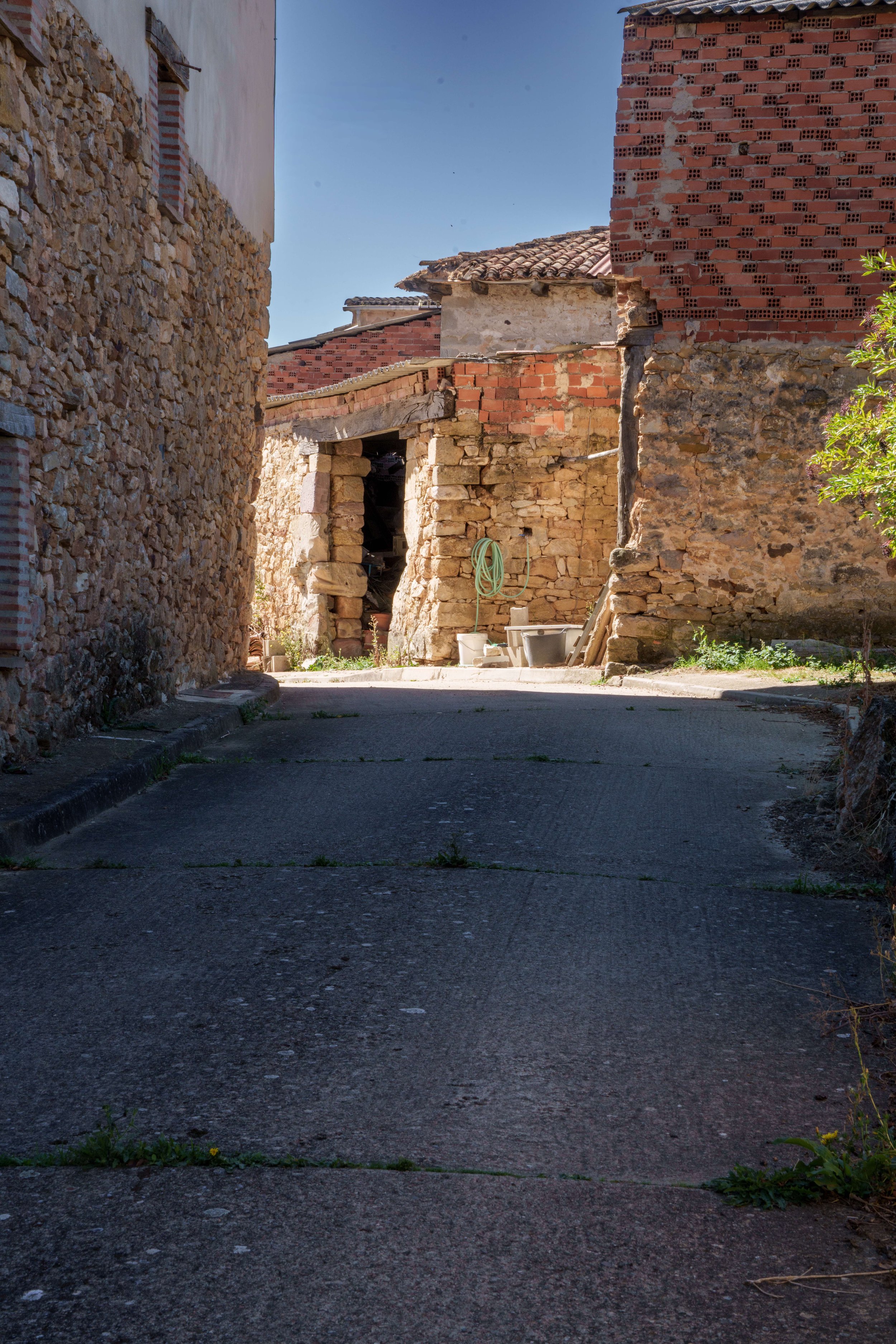
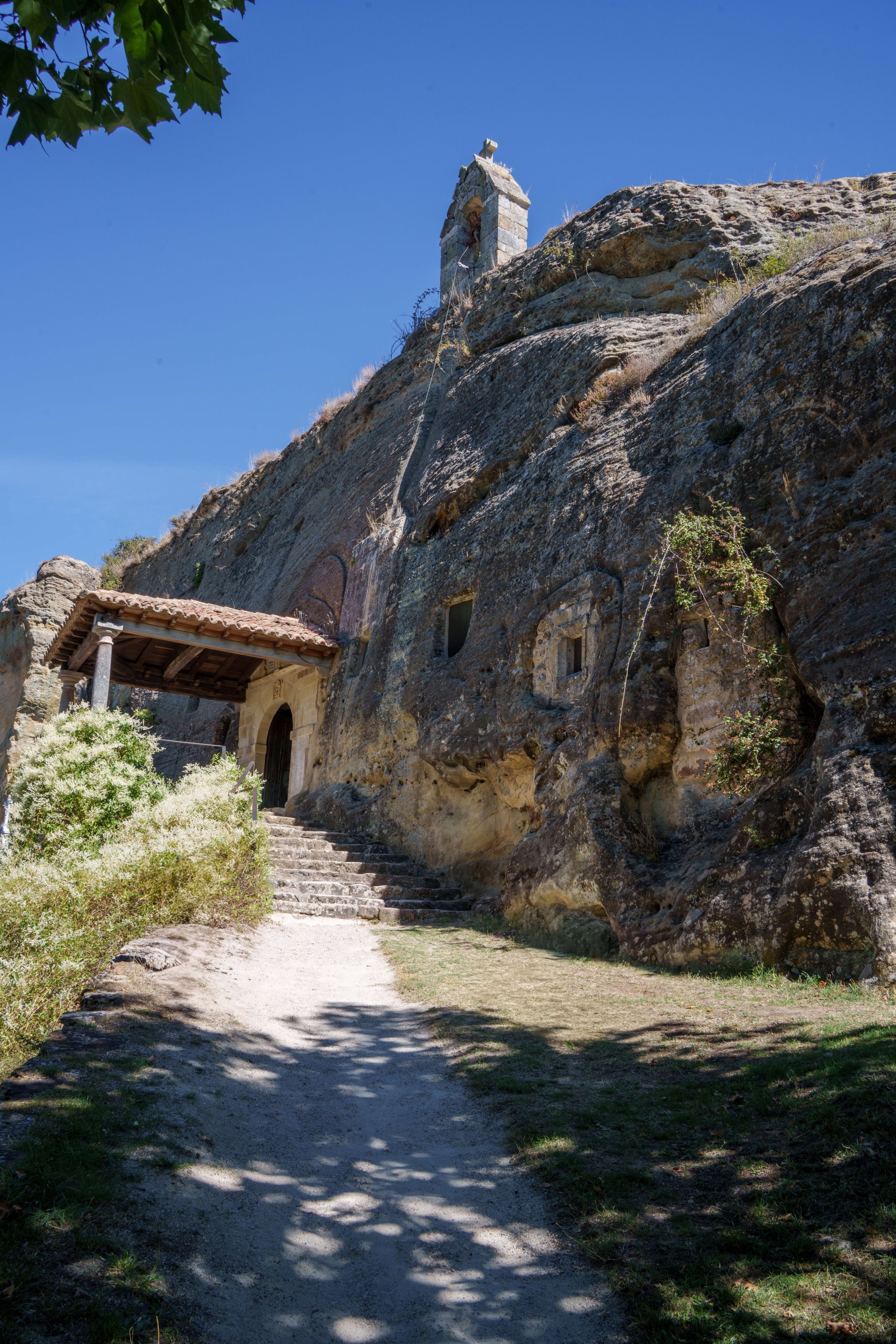
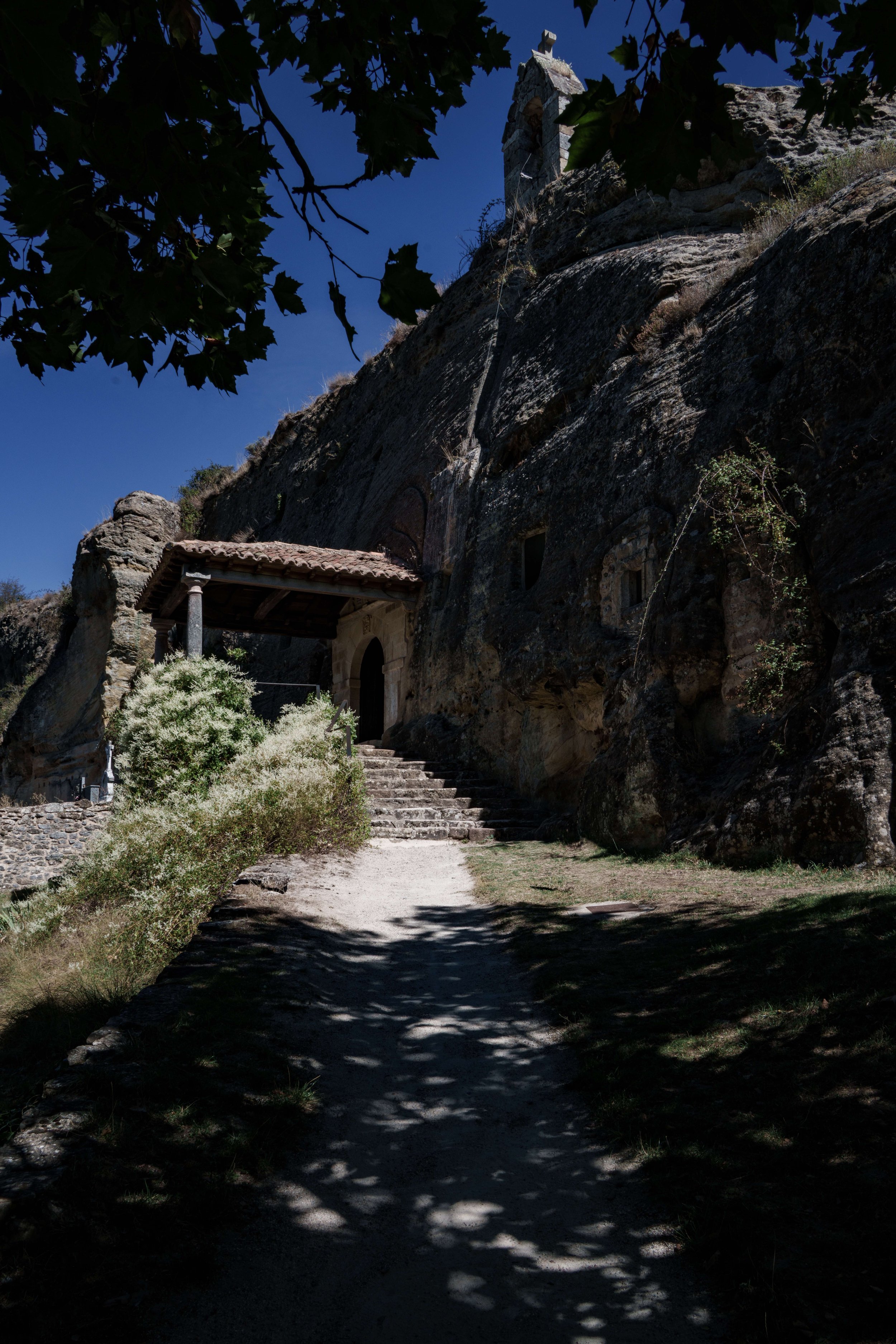
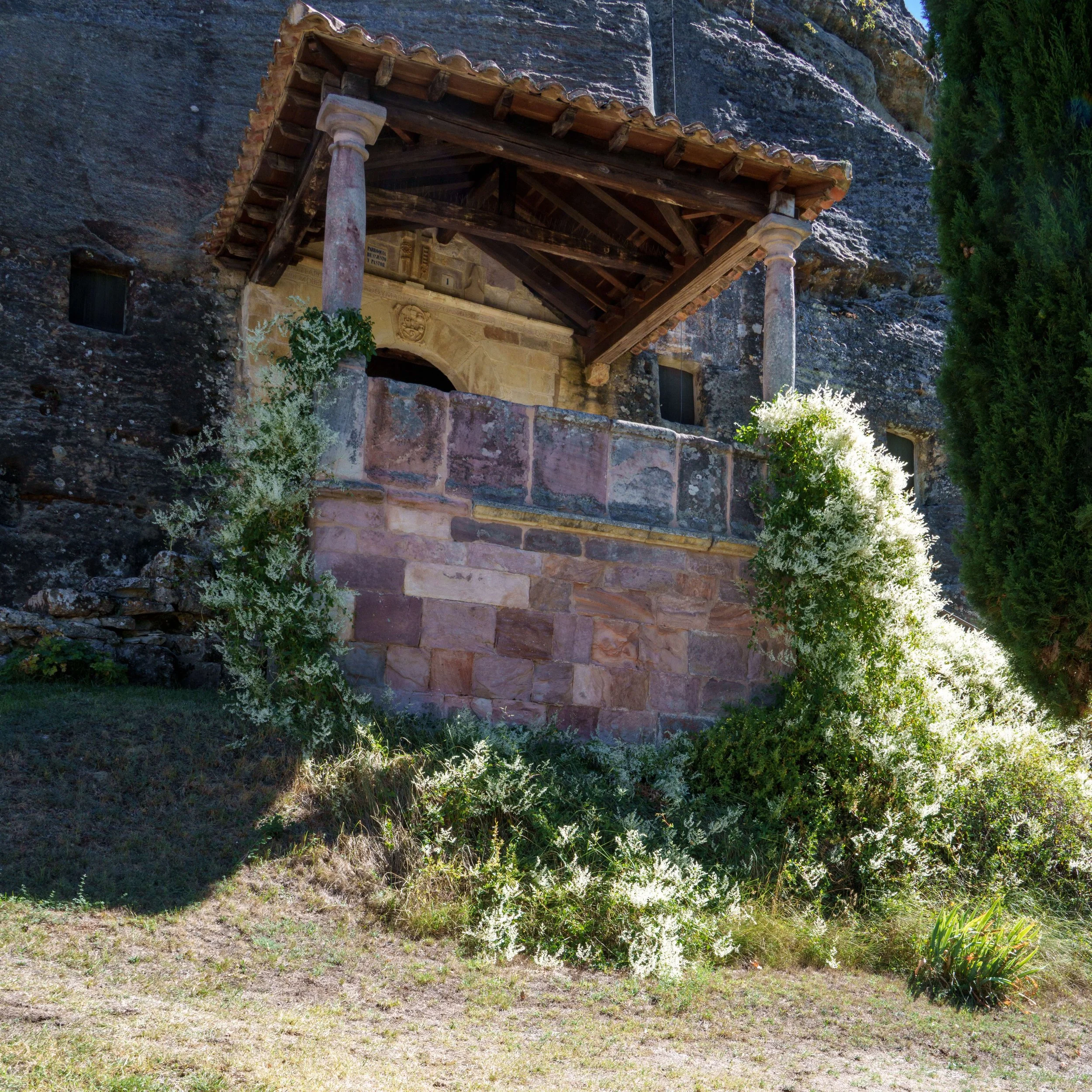
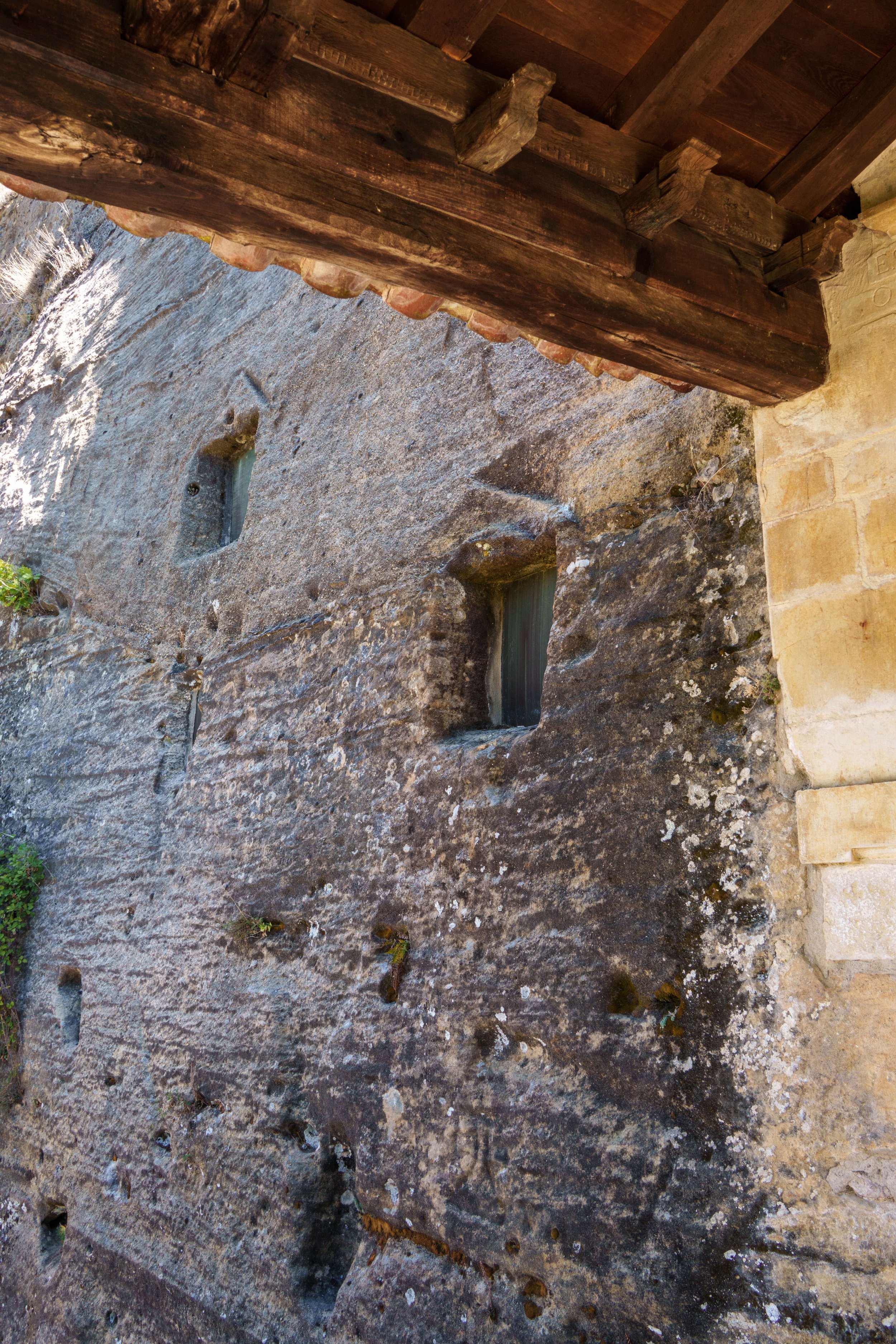
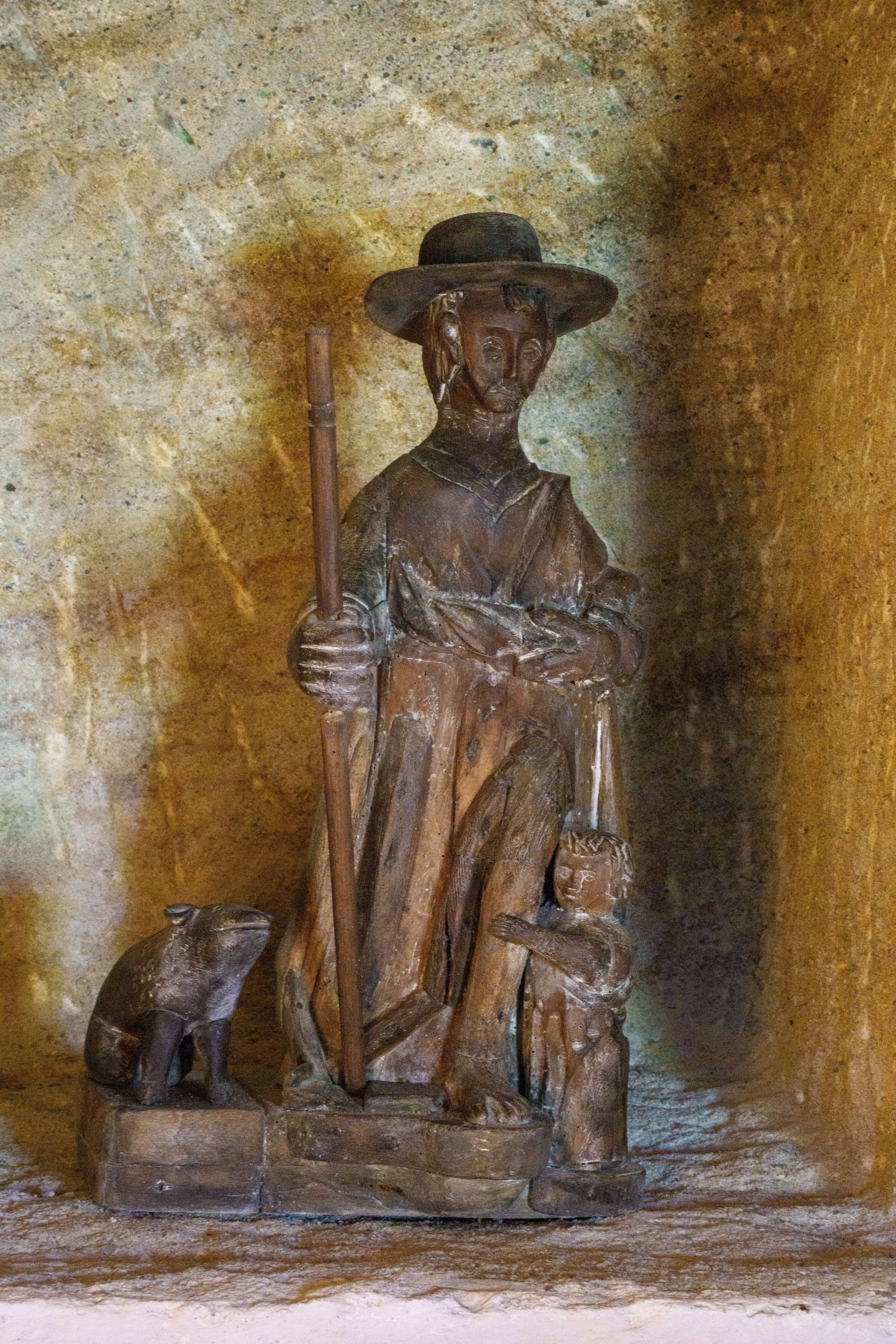
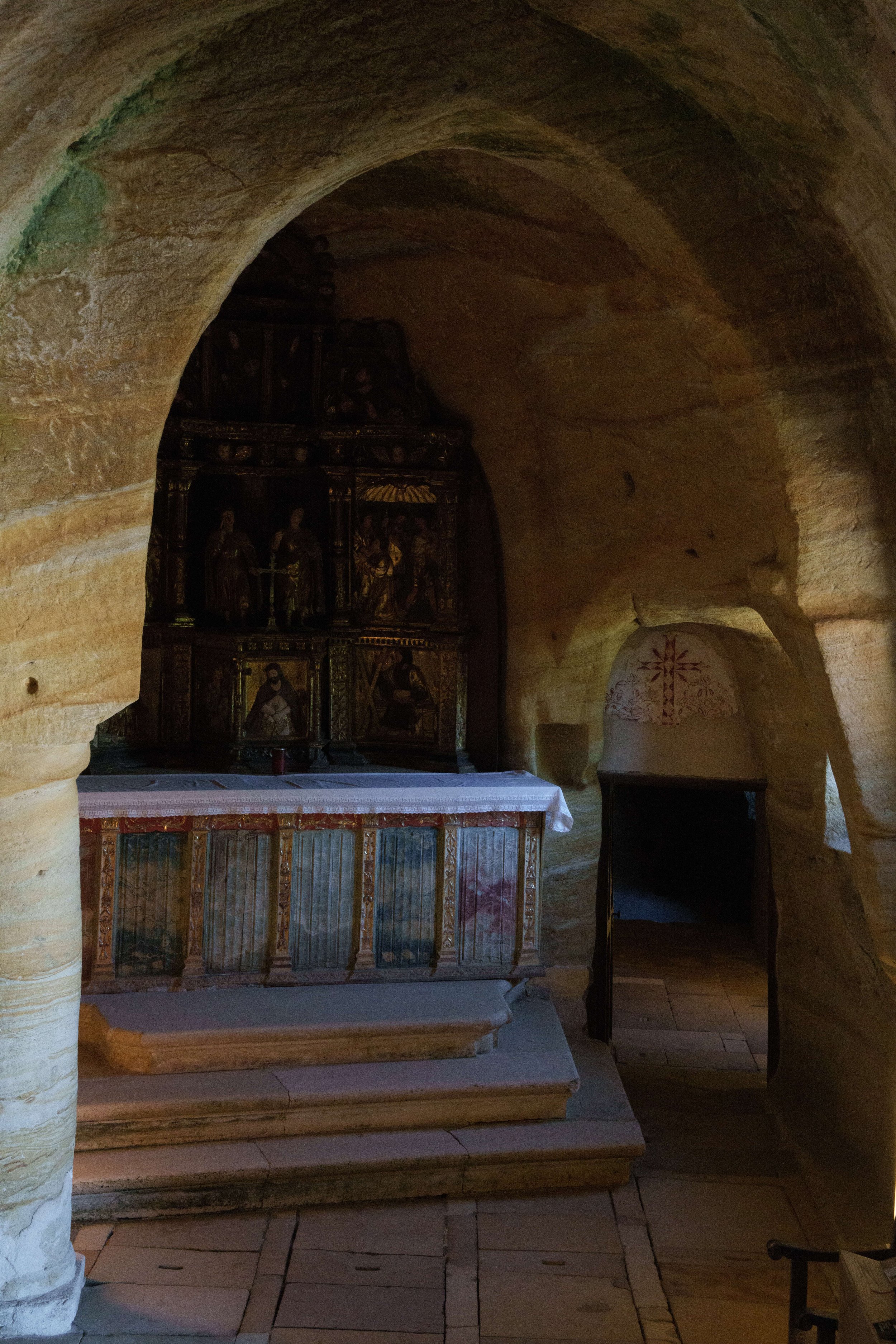
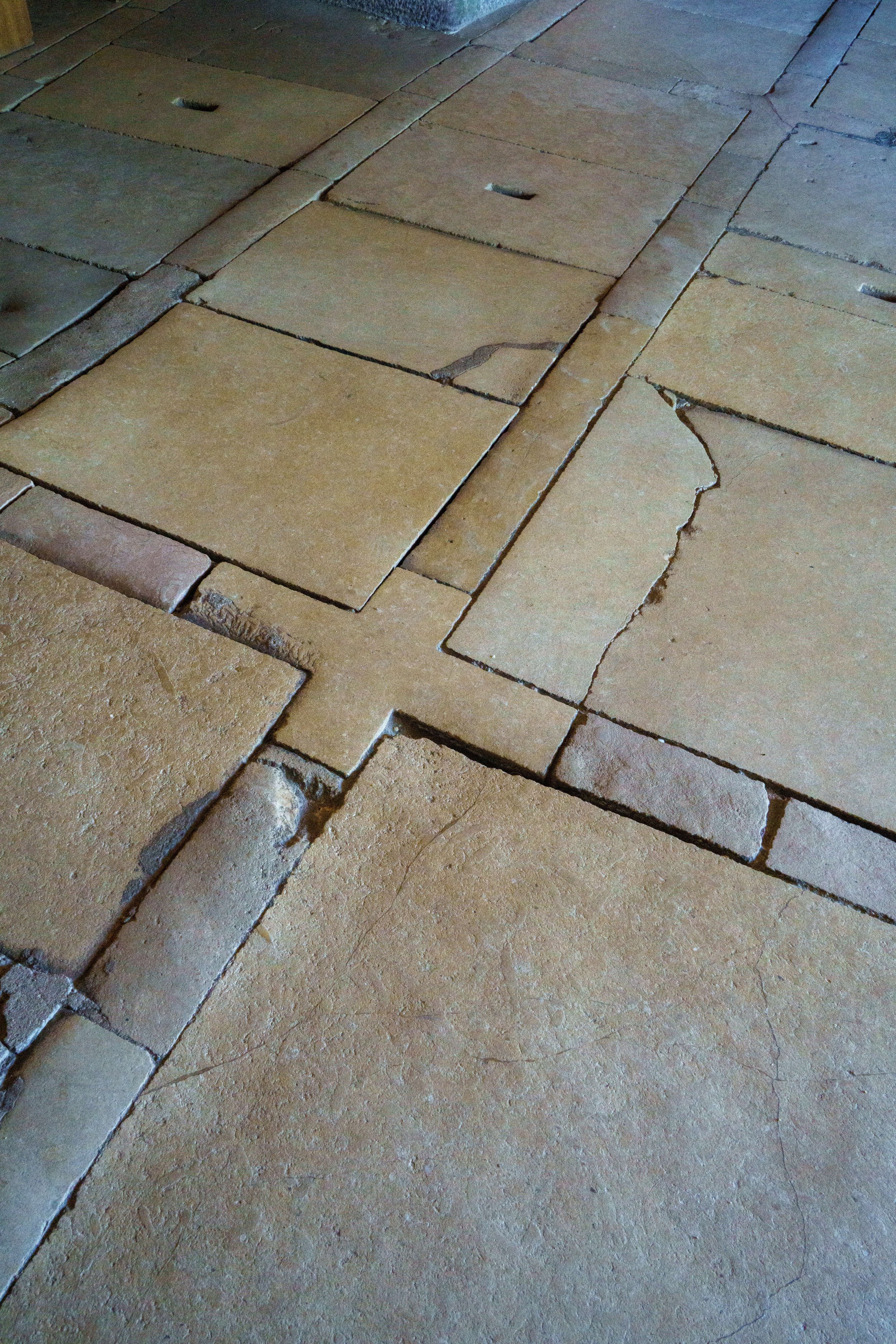
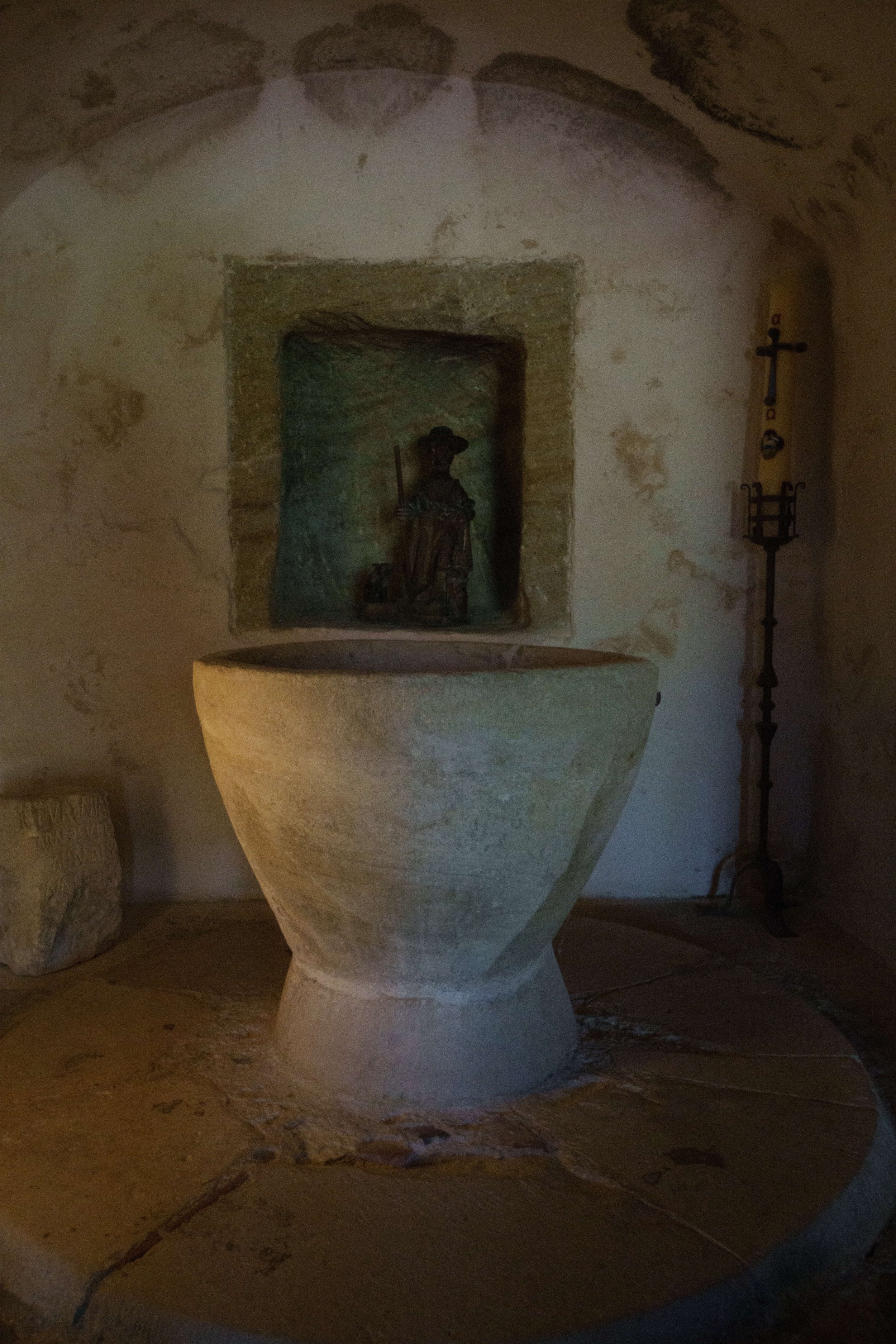
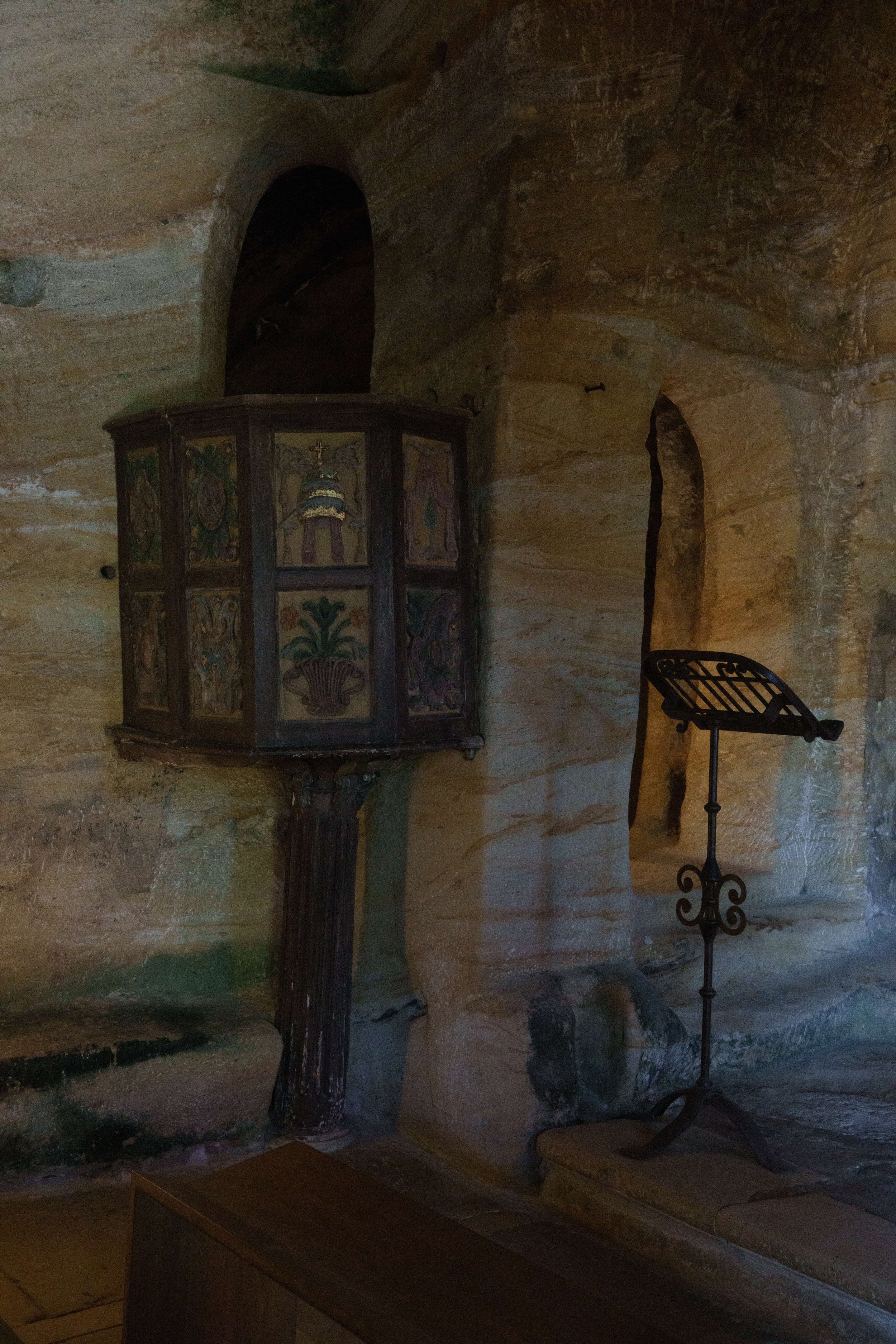
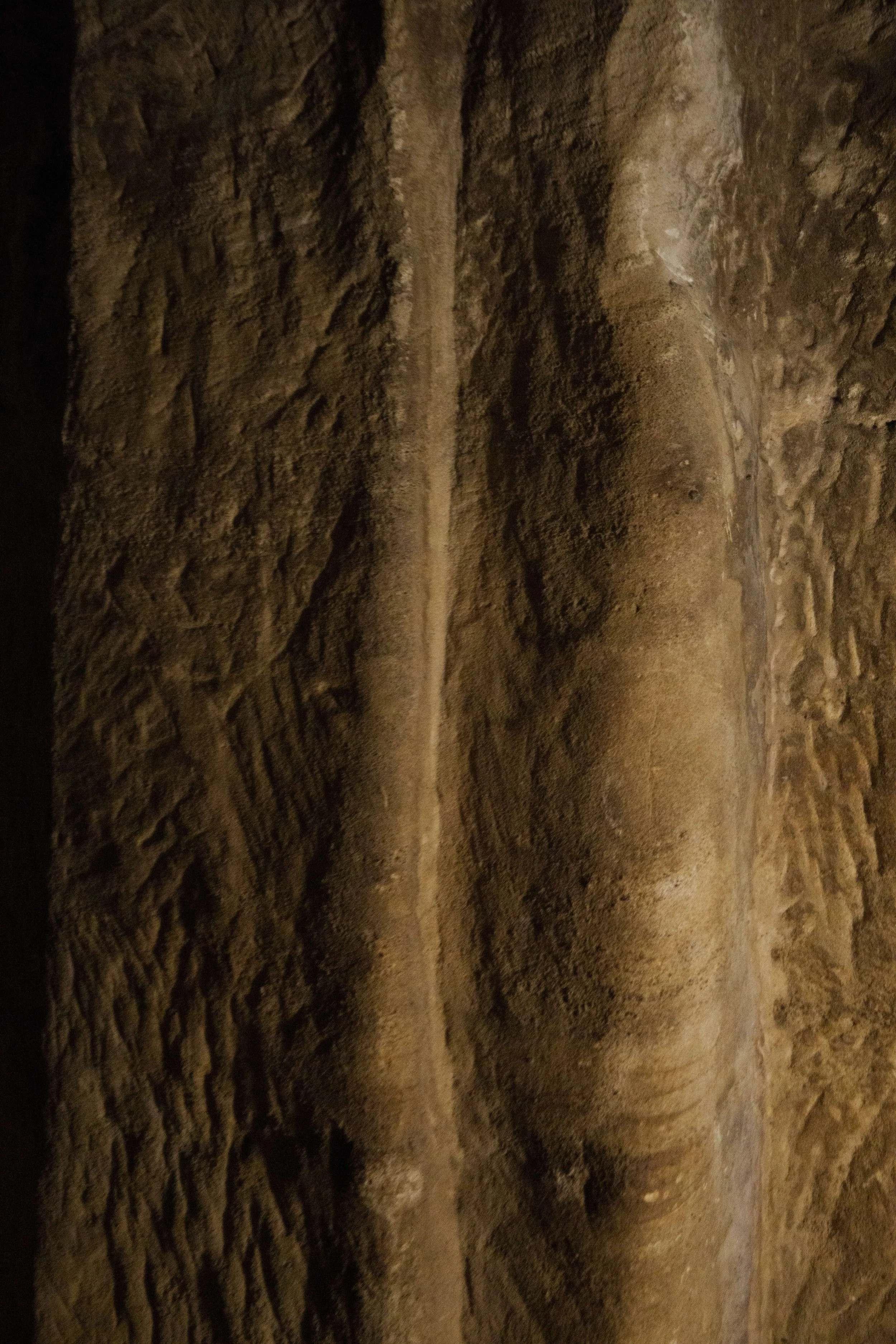
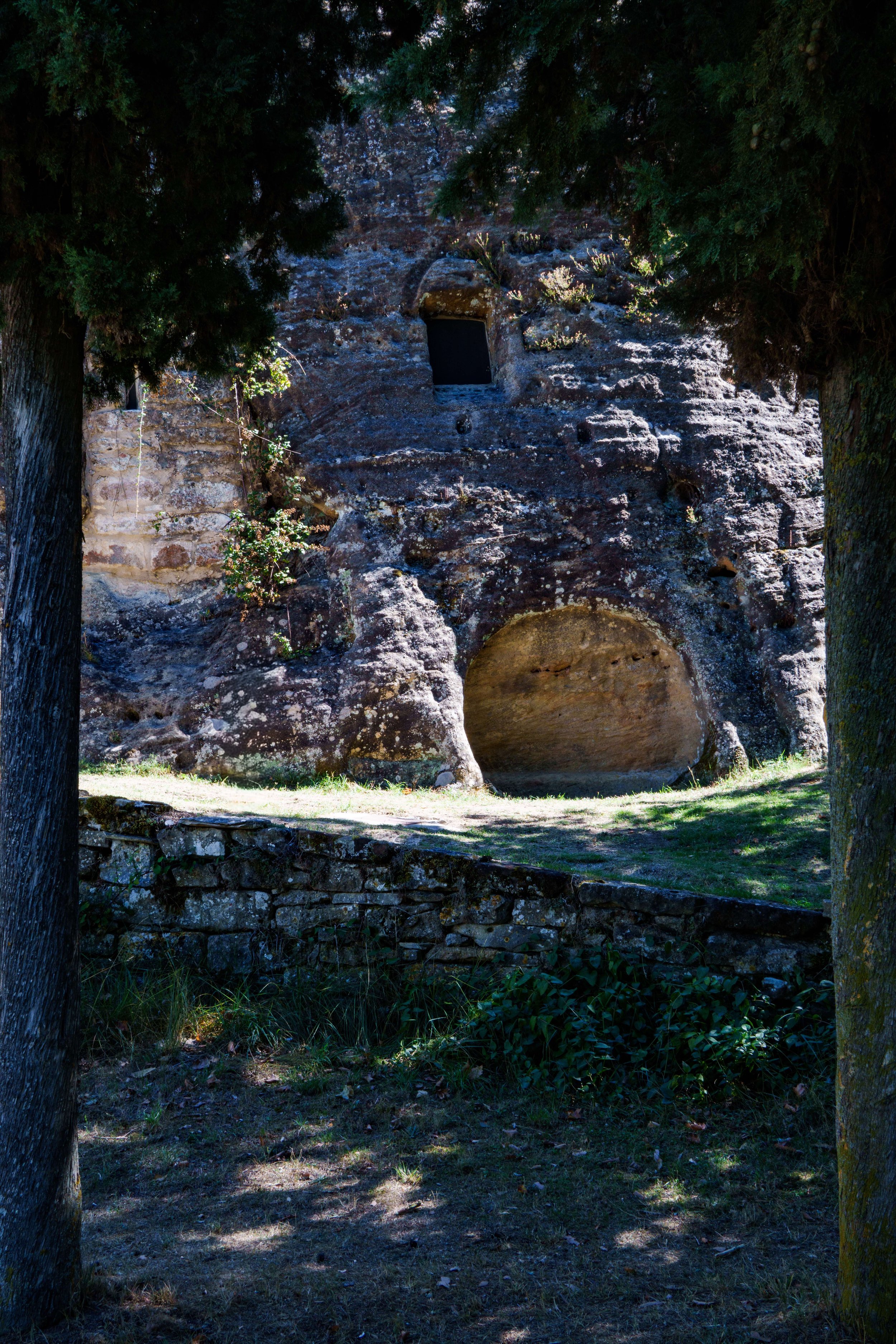
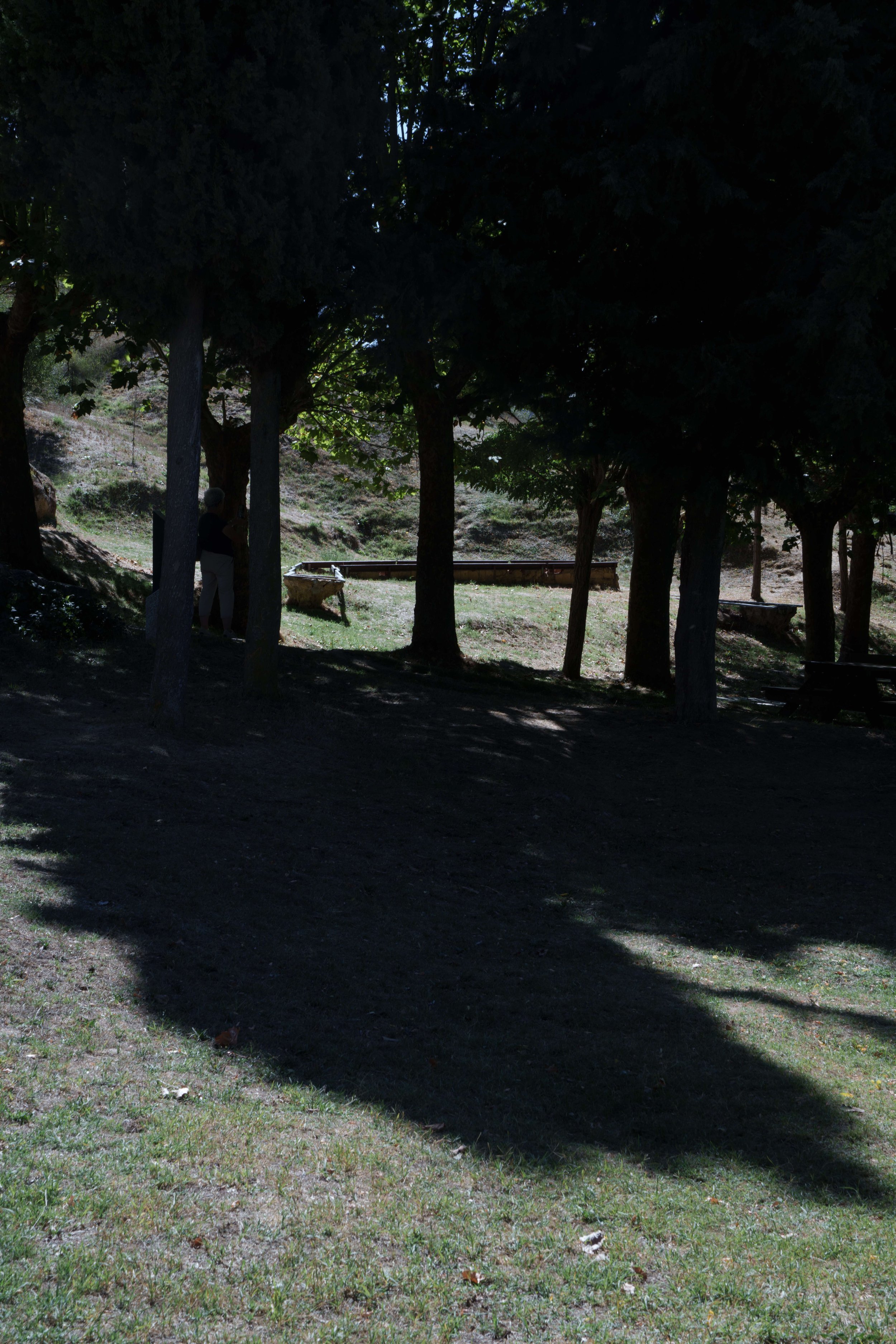
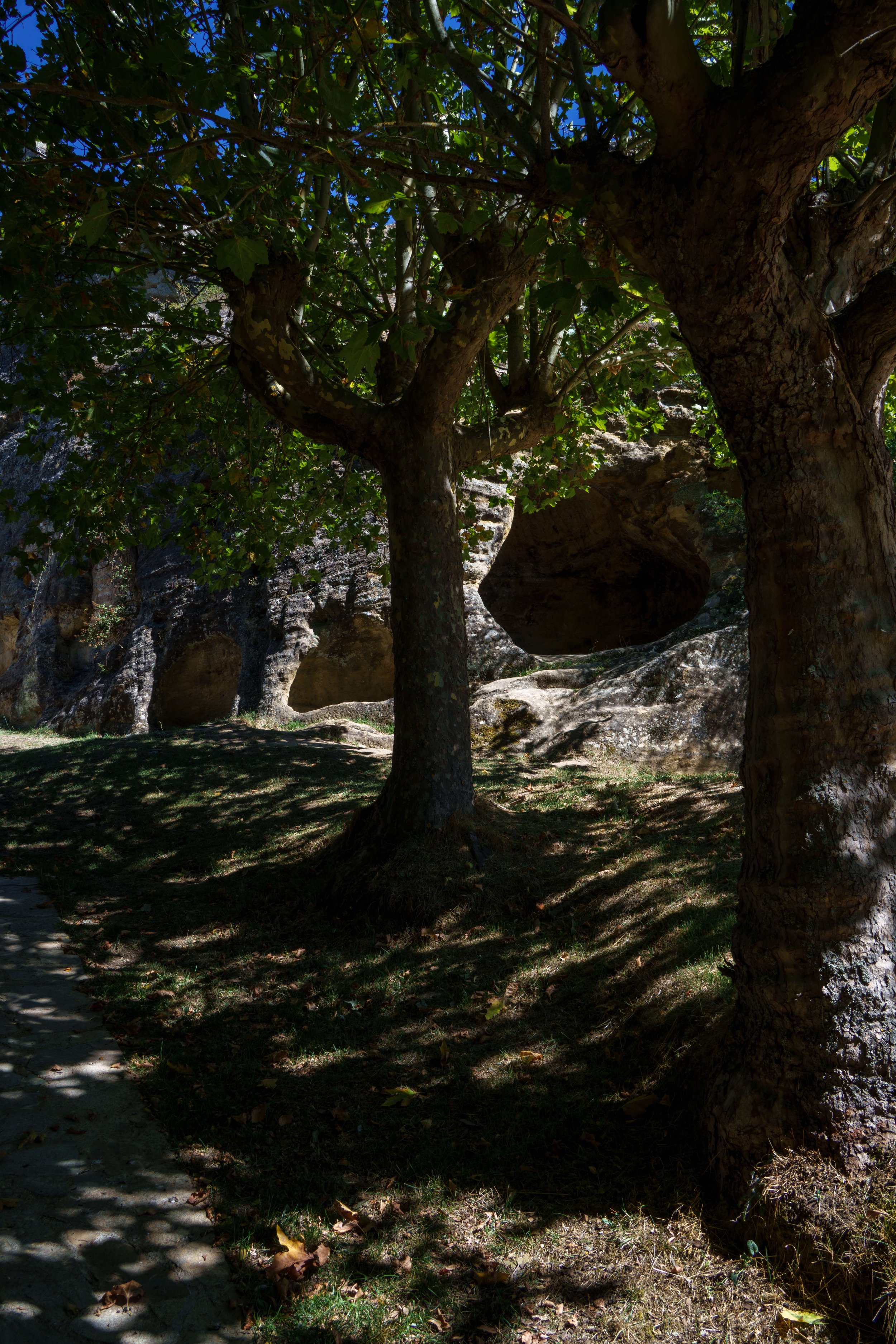
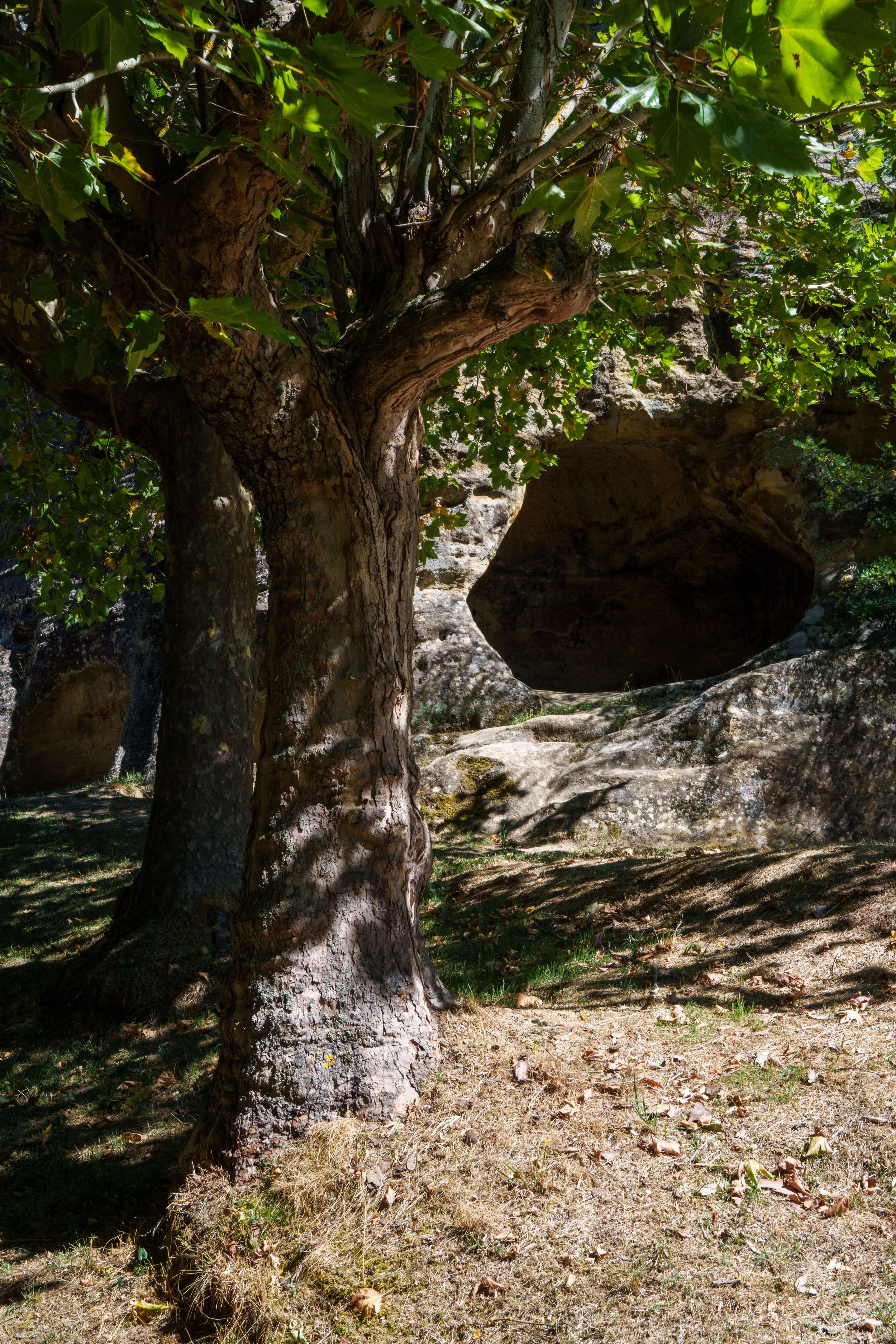
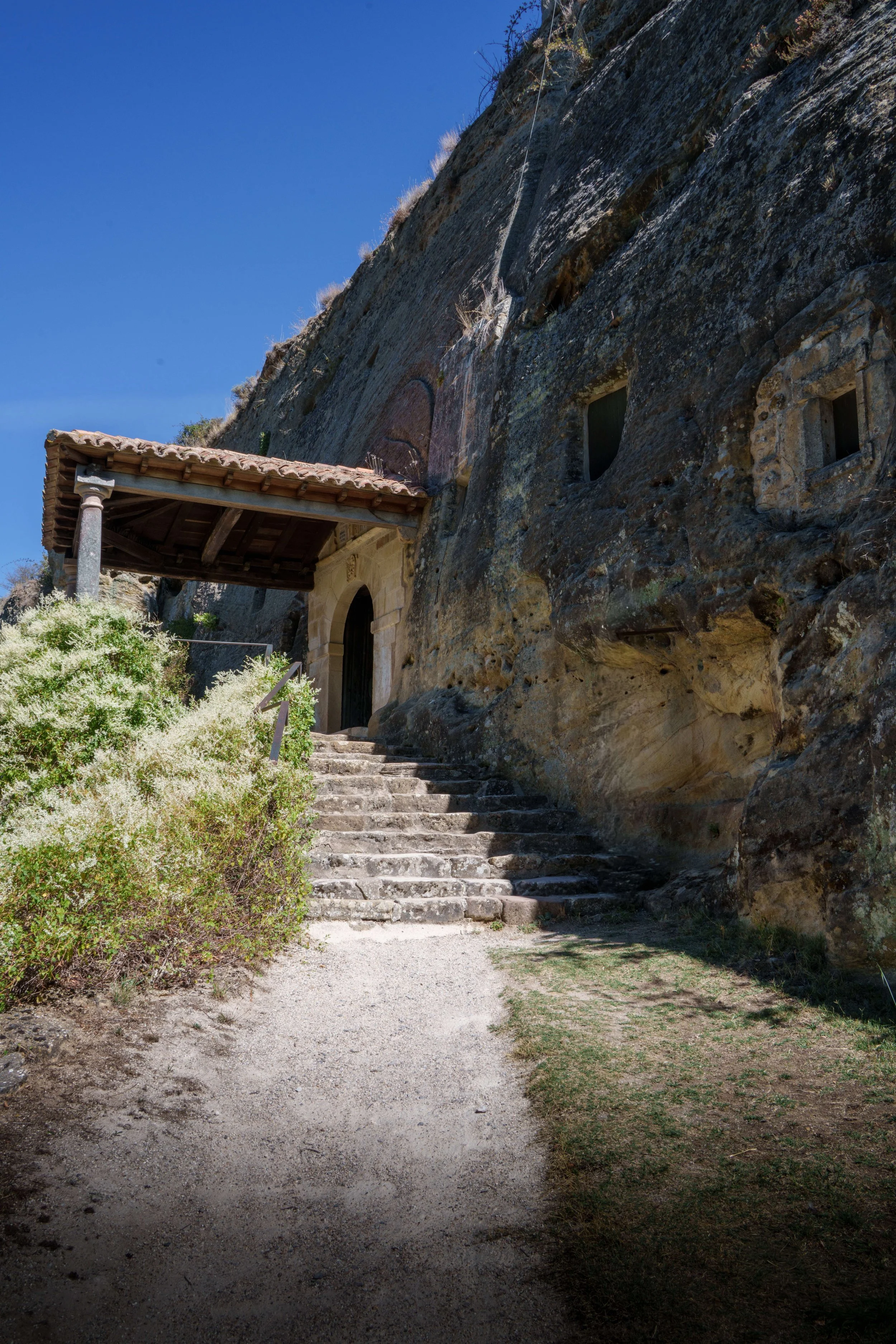
Olleros de Pisuerga lies on the right bank of the Pisuerga, beneath the slopes of Monte Cildá and within the Las Loras Geopark, close to the Cañón de la Horadada. Its small cluster of traditional stone and farm buildings has a quiet, rural character, but the village is dominated by one extraordinary monument: the church of Santos Justo y Pastor, an early medieval church excavated directly into a sandstone outcrop and subsequently adapted in the Romanesque tradition. Beside it are rock-cut tombs, former hermit cells and a seventeenth-century freestanding bell tower, while the smaller Ermita de Nuestra Señora del Rosario preserves traces of late rural Romanesque. The surrounding land is largely agricultural and pastoral, with cereals, grazing and woodland, while the Pisuerga provides a greener contrast. What makes Olleros exceptional is the combination of an otherwise modest farming village with one of Spain’s finest and most unusual surviving examples of rupestrian religious architecture.
As part of our tour of the Romanesque churches of the region, we had to visit Olleros de Pisuerga, best known for its extraordinary church of Santos Justo y Pastor, excavated directly into the sandstone rock. The village itself is small and a little run-down in places, although there was evidence of some rebuilding and renewal. What really stayed with us, though, was the friendliness of the people. A young woman met us and offered to take us to the church, where our guide was equally welcoming and told us that she had been married there many years before. On the way back we got chatting to some children playing in the fountain in the village square, and then another local woman came over to tell us that she too had been married in the church. It was one of those places where the encounters with people became as memorable as the building itself. We were very glad we had made the visit.