Mérida - provincia de Badajoz - M1 2026
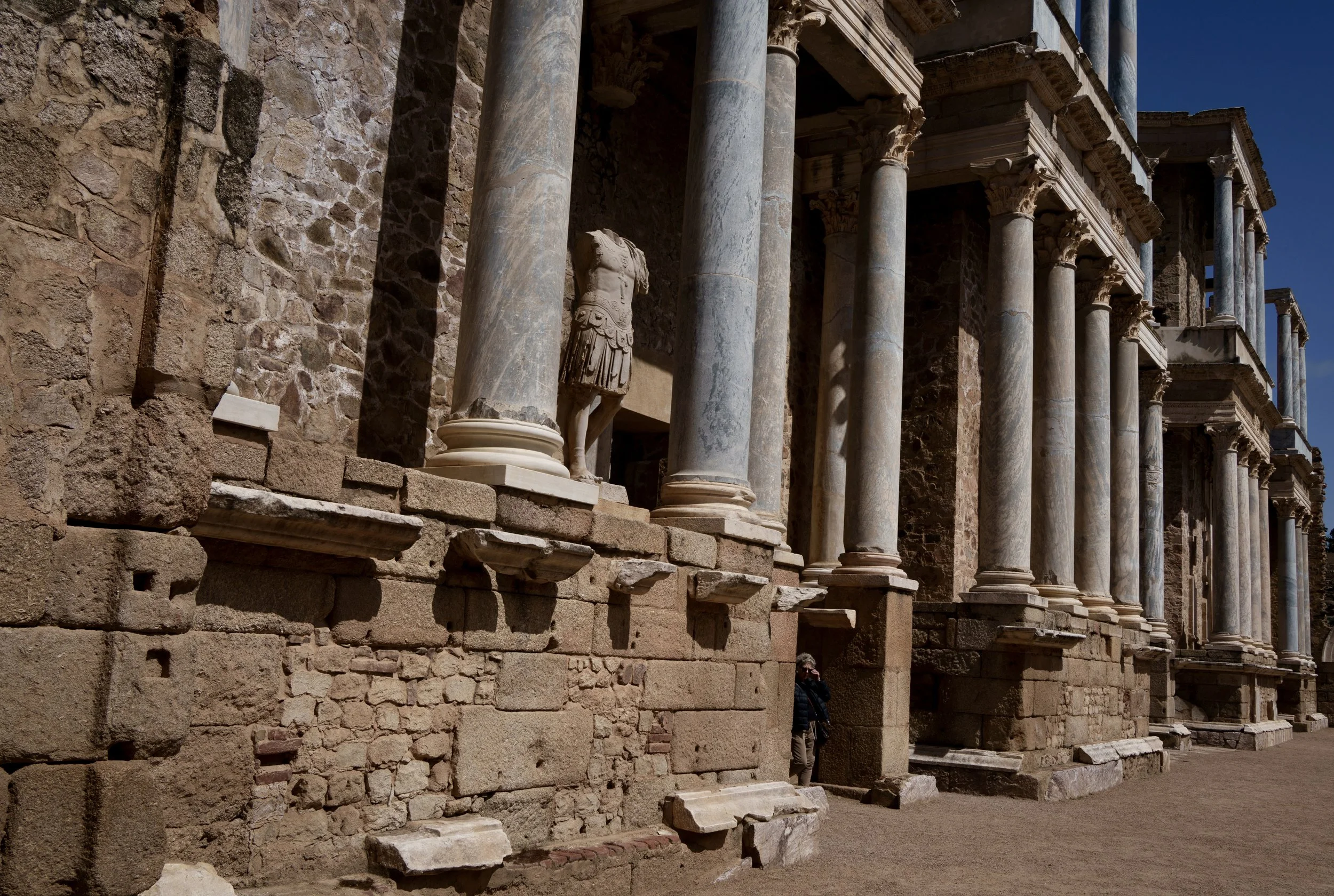
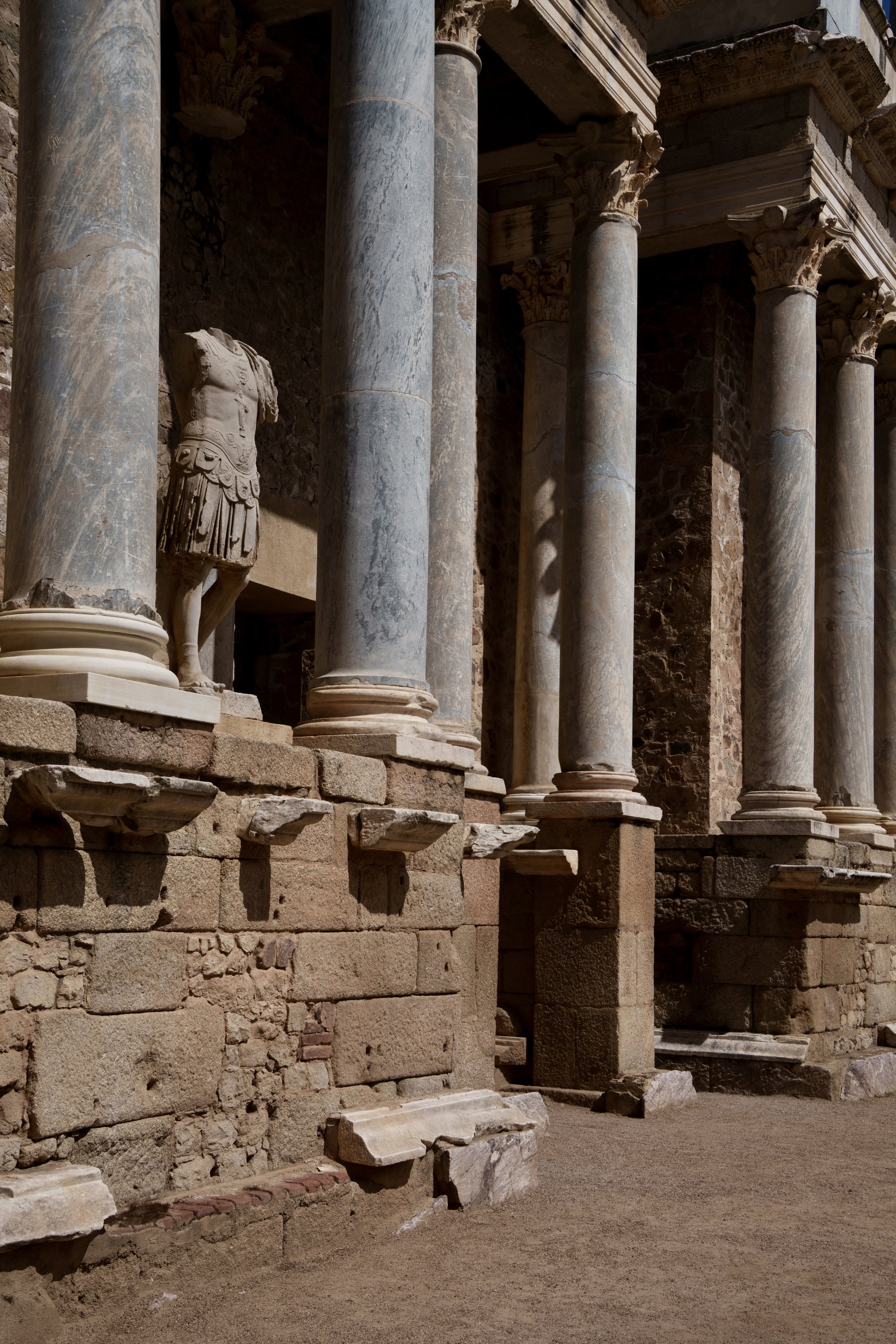
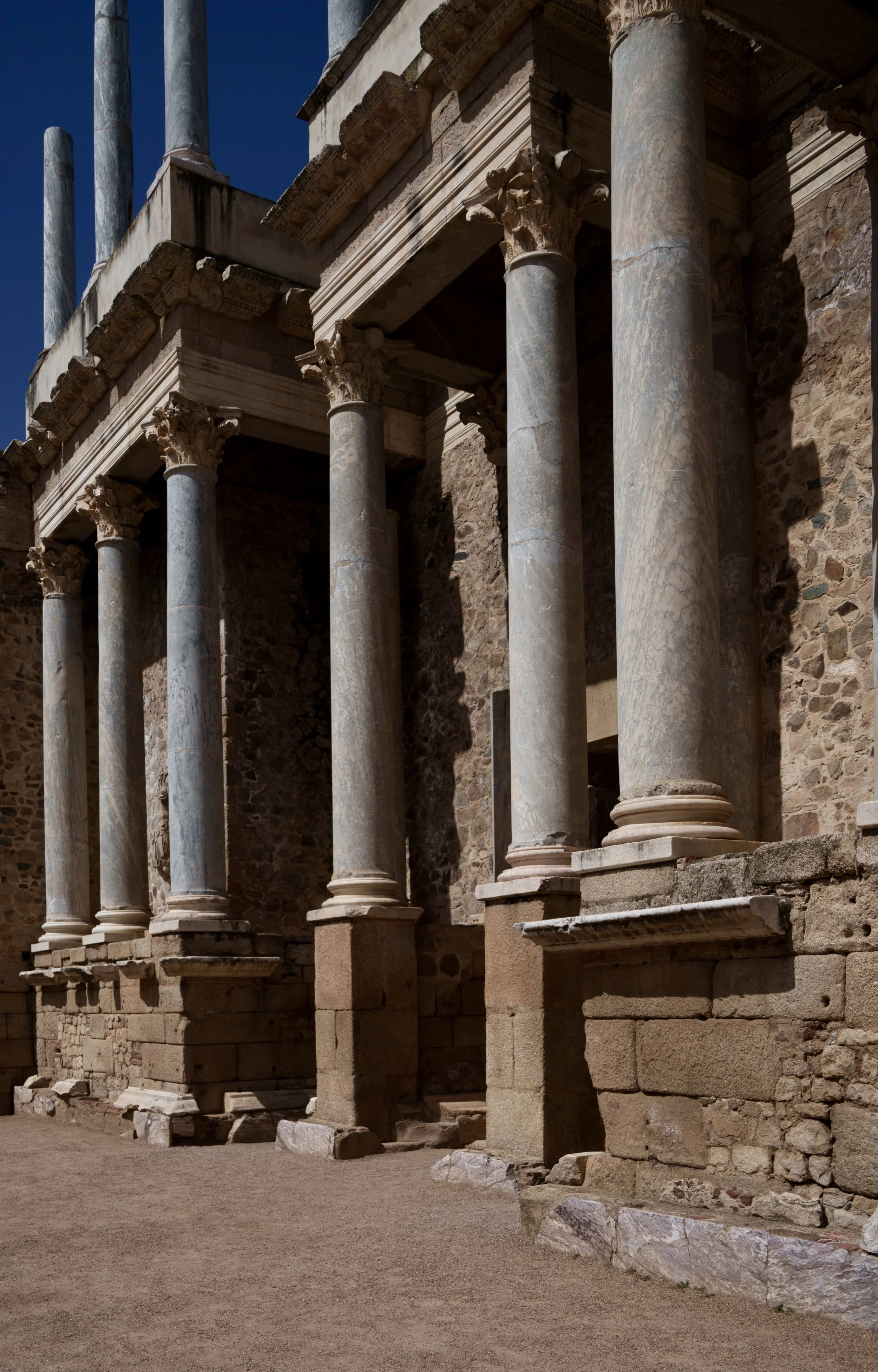
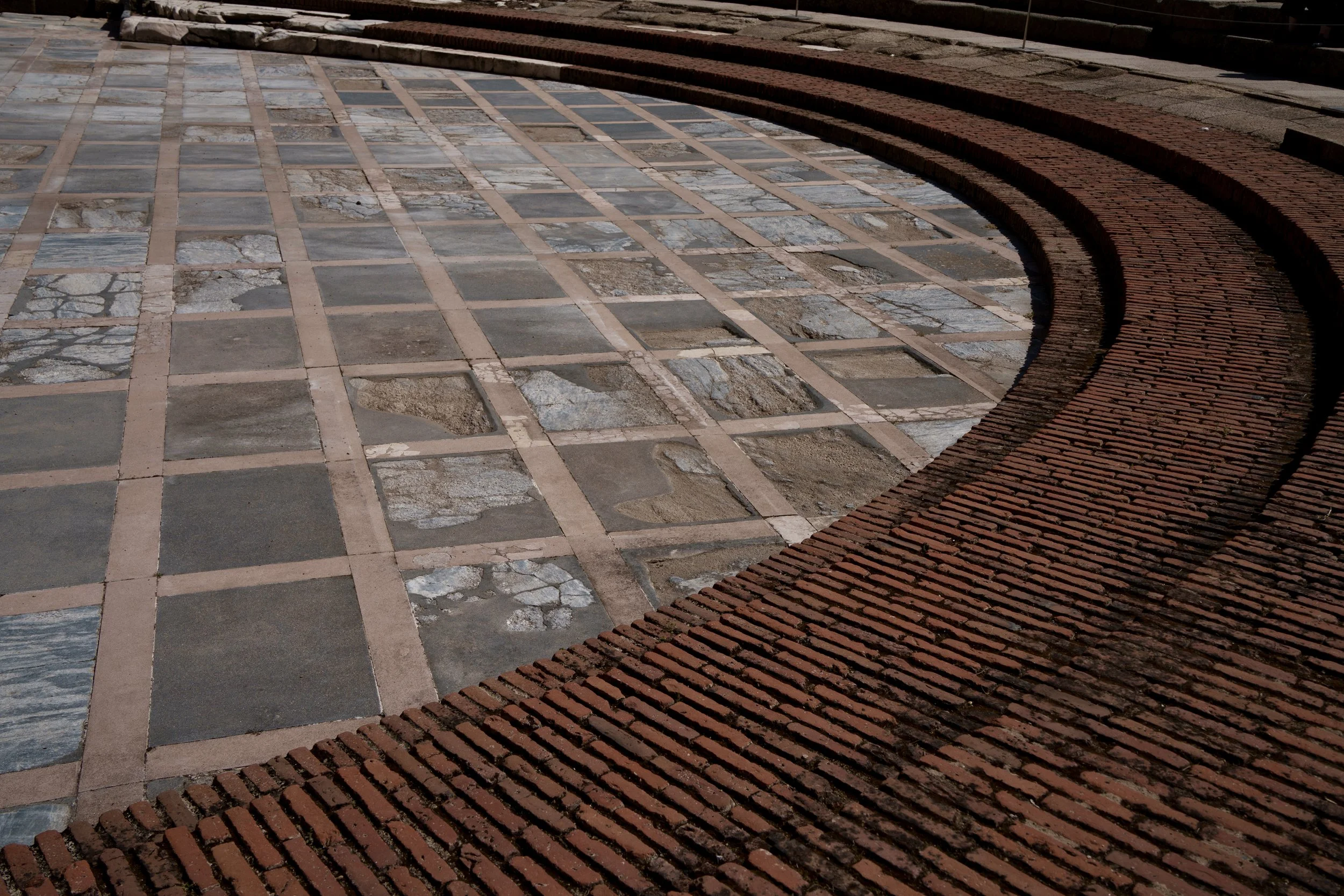
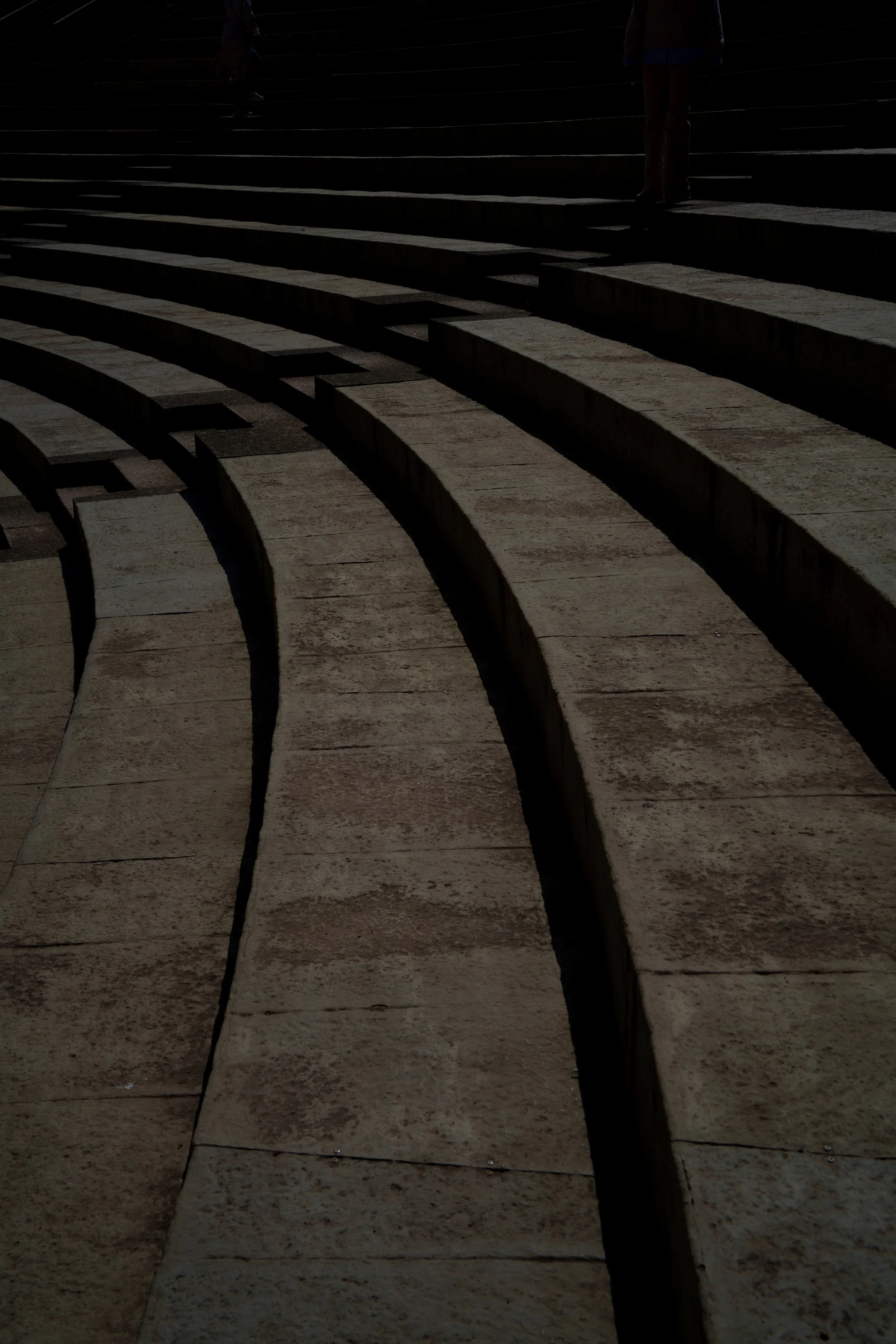
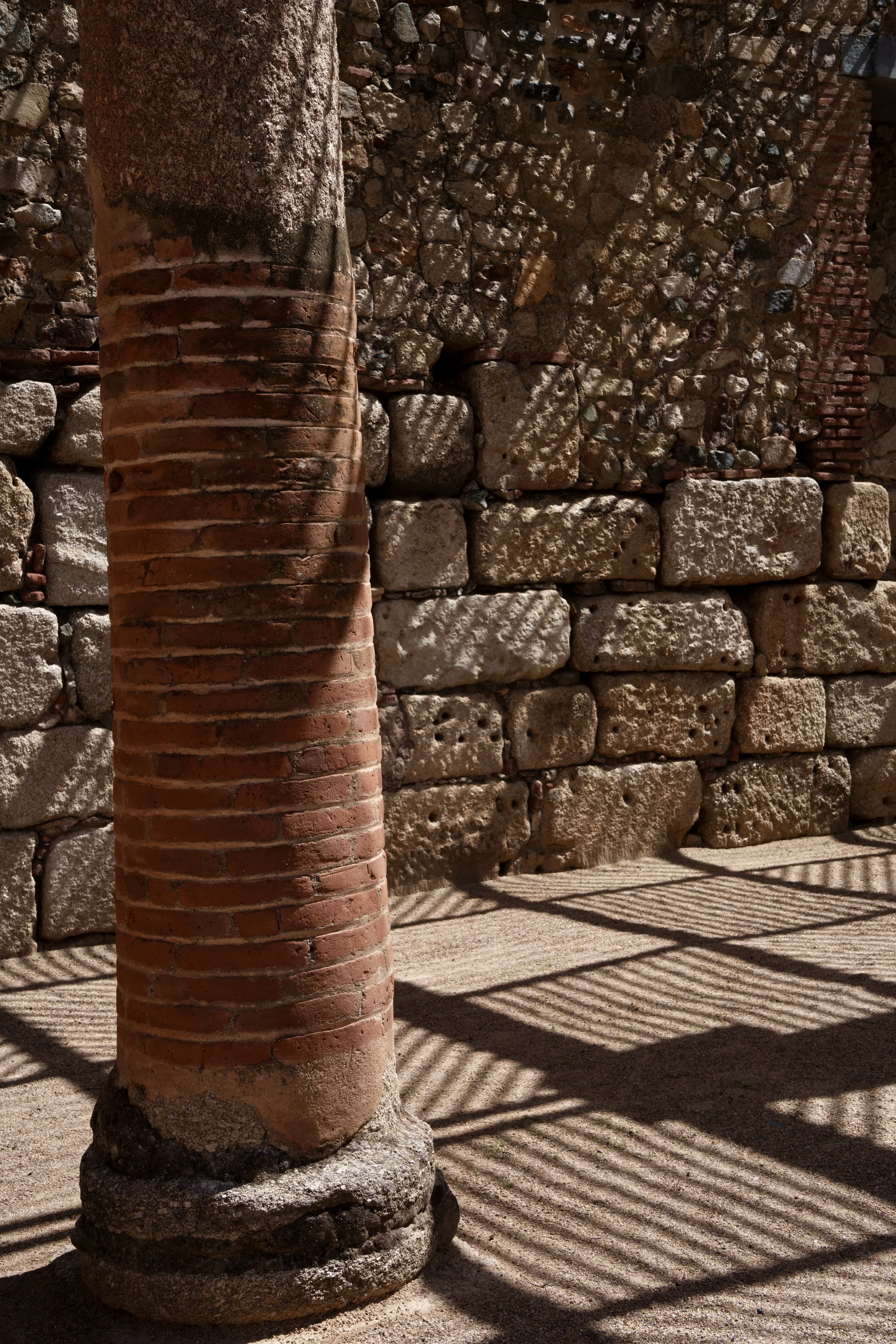
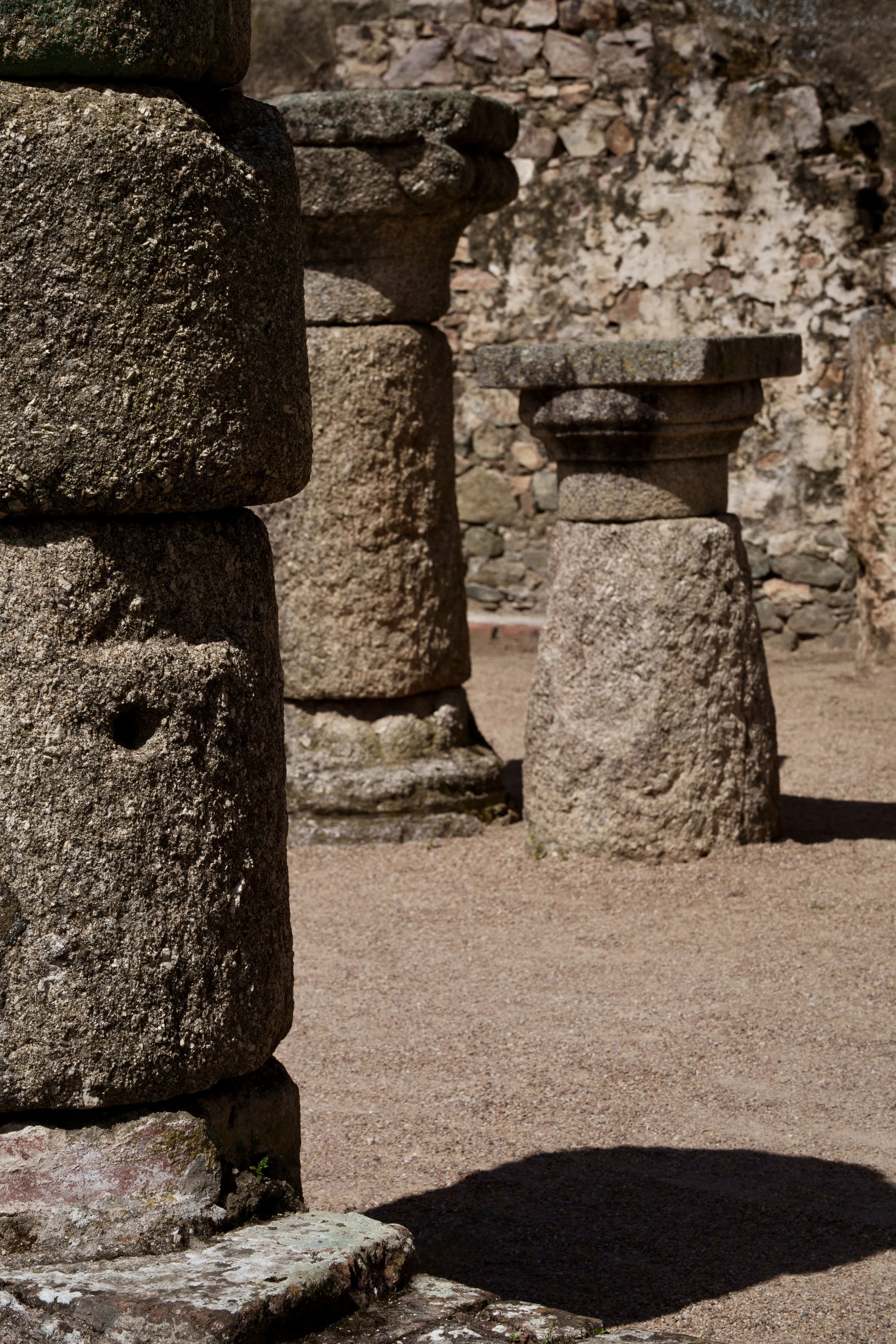
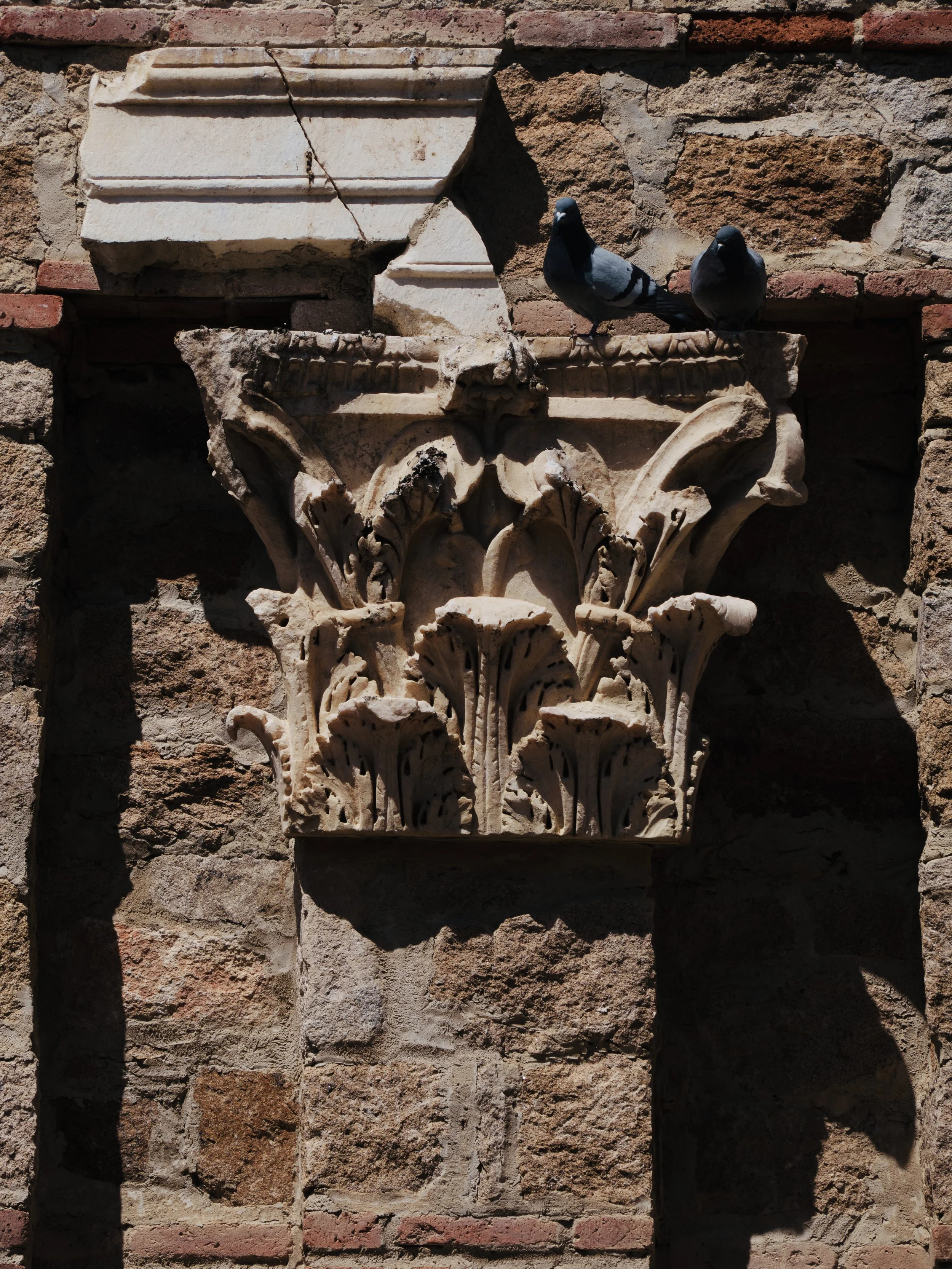
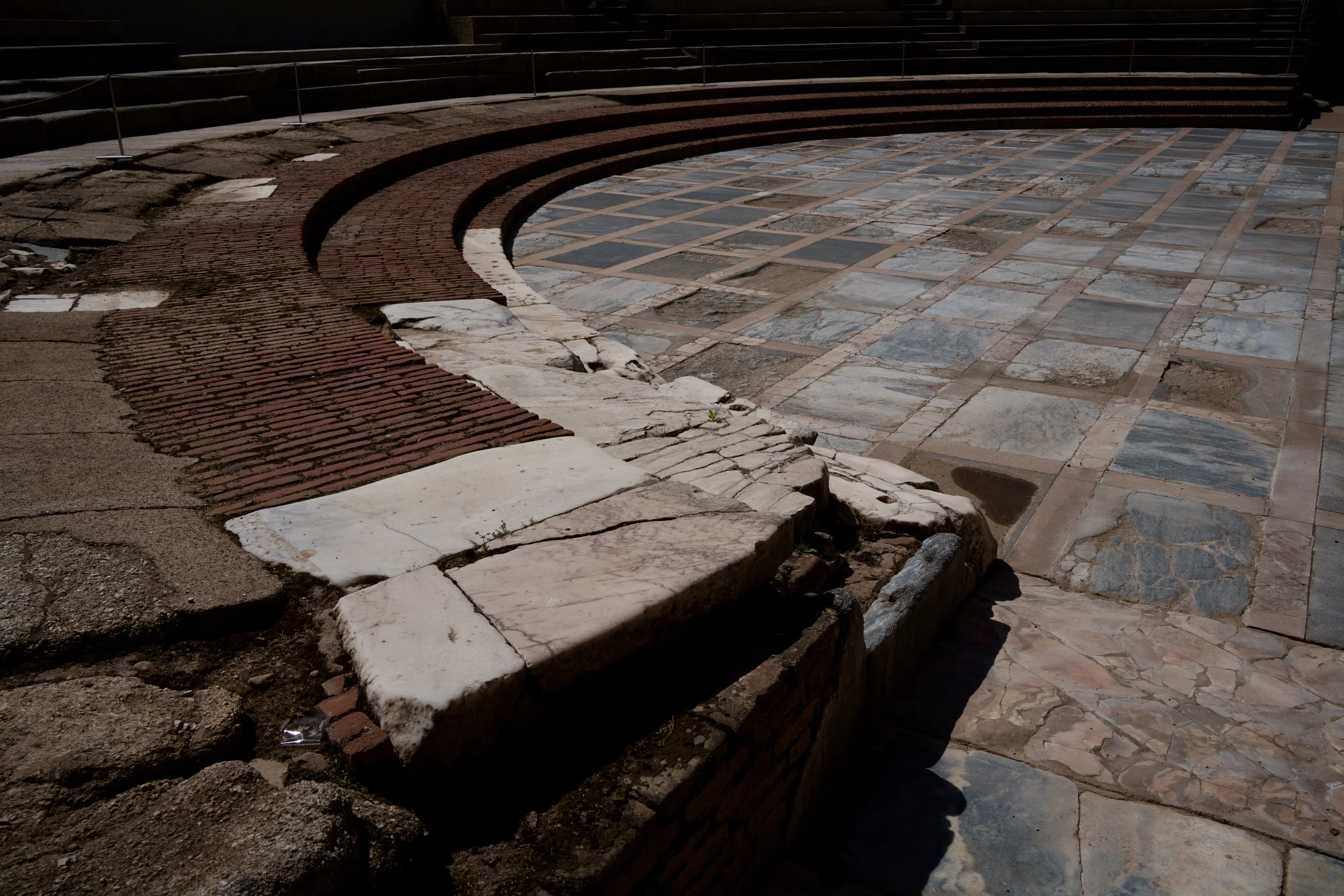
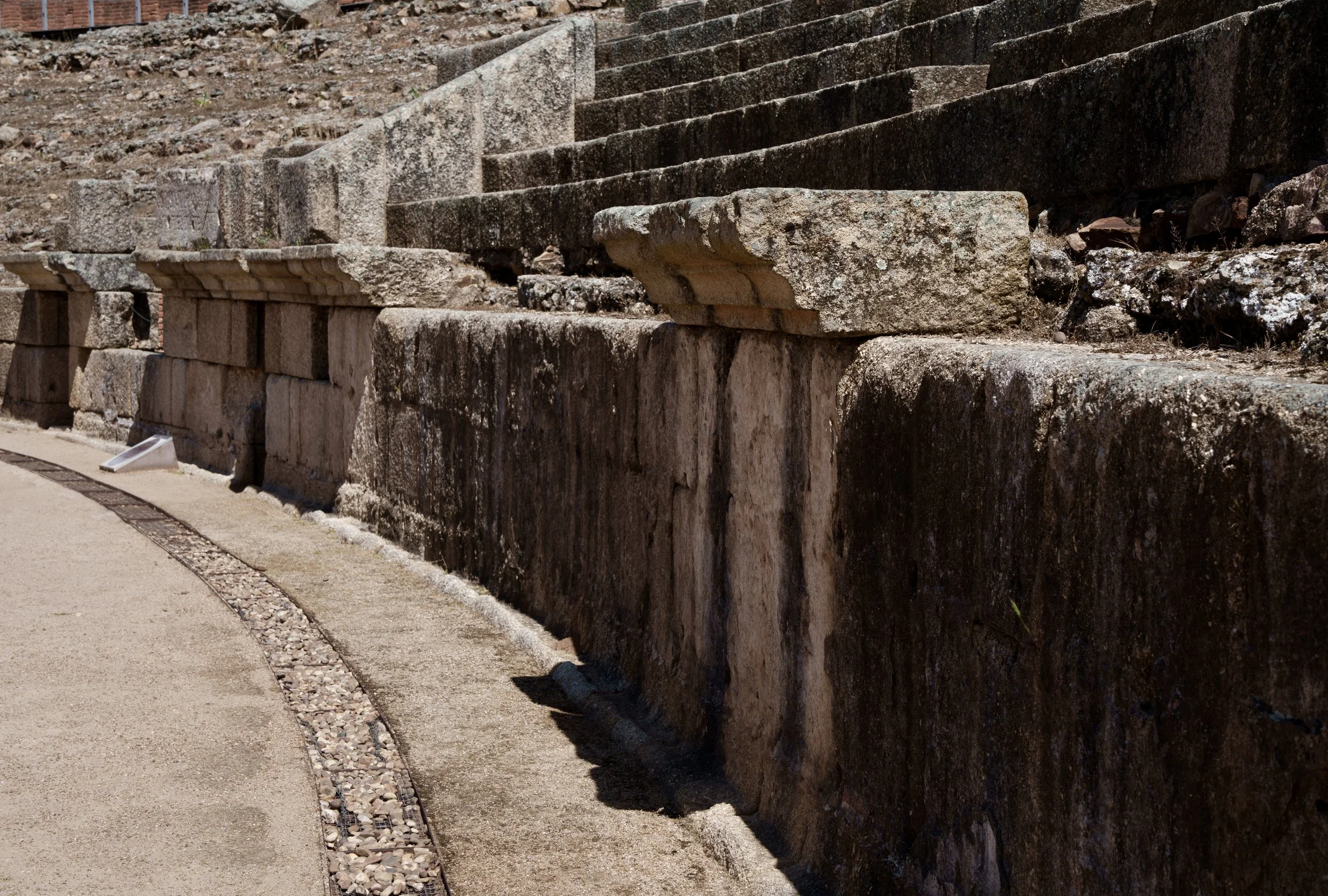
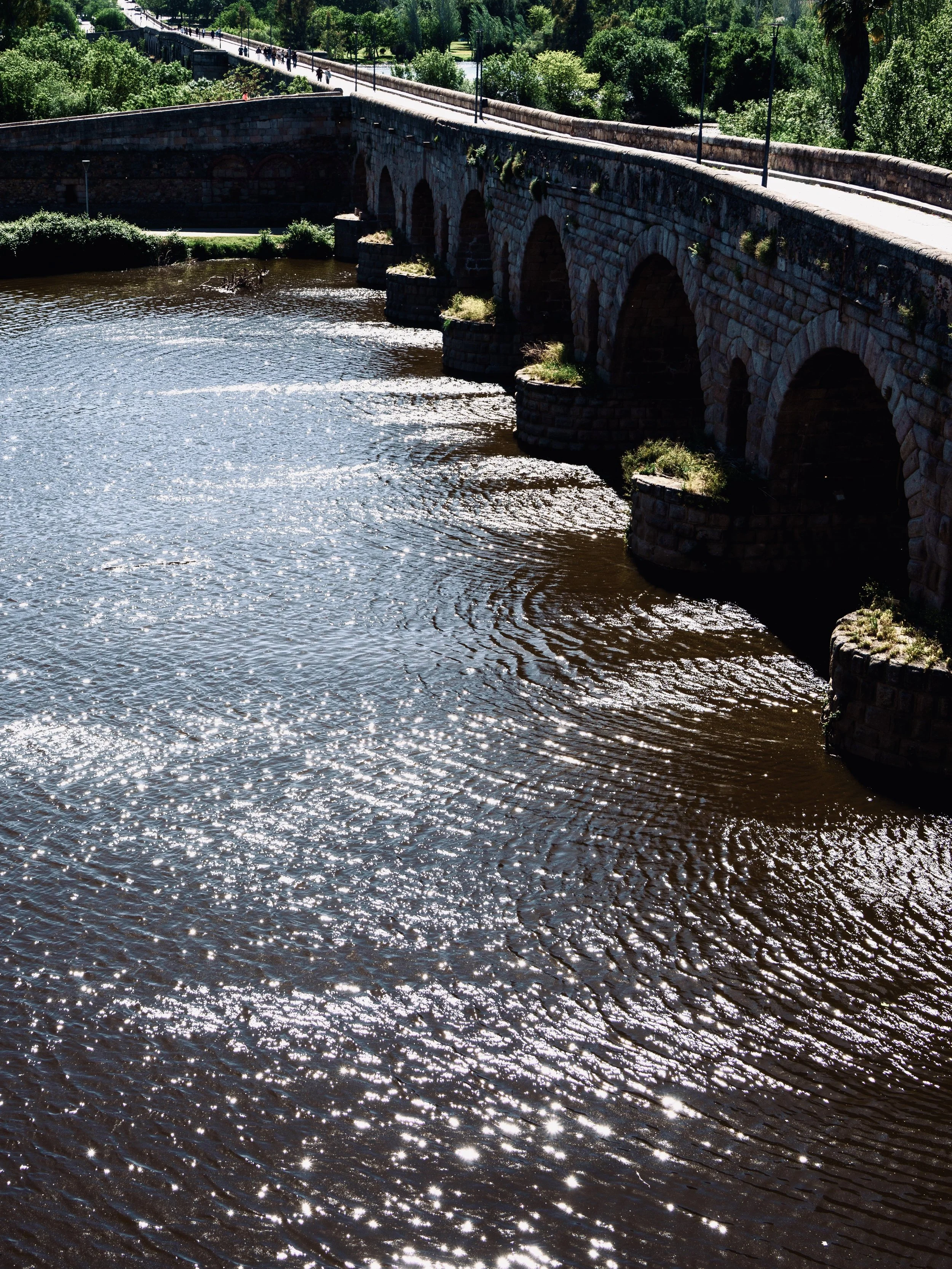
Mérida is the capital of the autonomous community of Extremadura in western Spain. Its vernacular architecture includes traditional whitewashed and stone buildings with tiled roofs, while its historic centre is renowned for an exceptional collection of Roman monuments. Significant buildings include the Roman Theatre of Mérida, the Amphitheatre of Mérida, the Temple of Diana, and the Roman Bridge of Mérida, all forming part of the UNESCO World Heritage-listed Archaeological Ensemble of Mérida. The surrounding countryside is characterised by the dehesa landscape, supporting olive groves, vineyards, cereal cultivation, and livestock farming, particularly Iberian pigs and sheep. Mérida stands out from similar historic towns because it was the Roman capital of Lusitania and contains one of the most extensive and best-preserved collections of Roman architecture in Europe, with many monuments still used for cultural events today
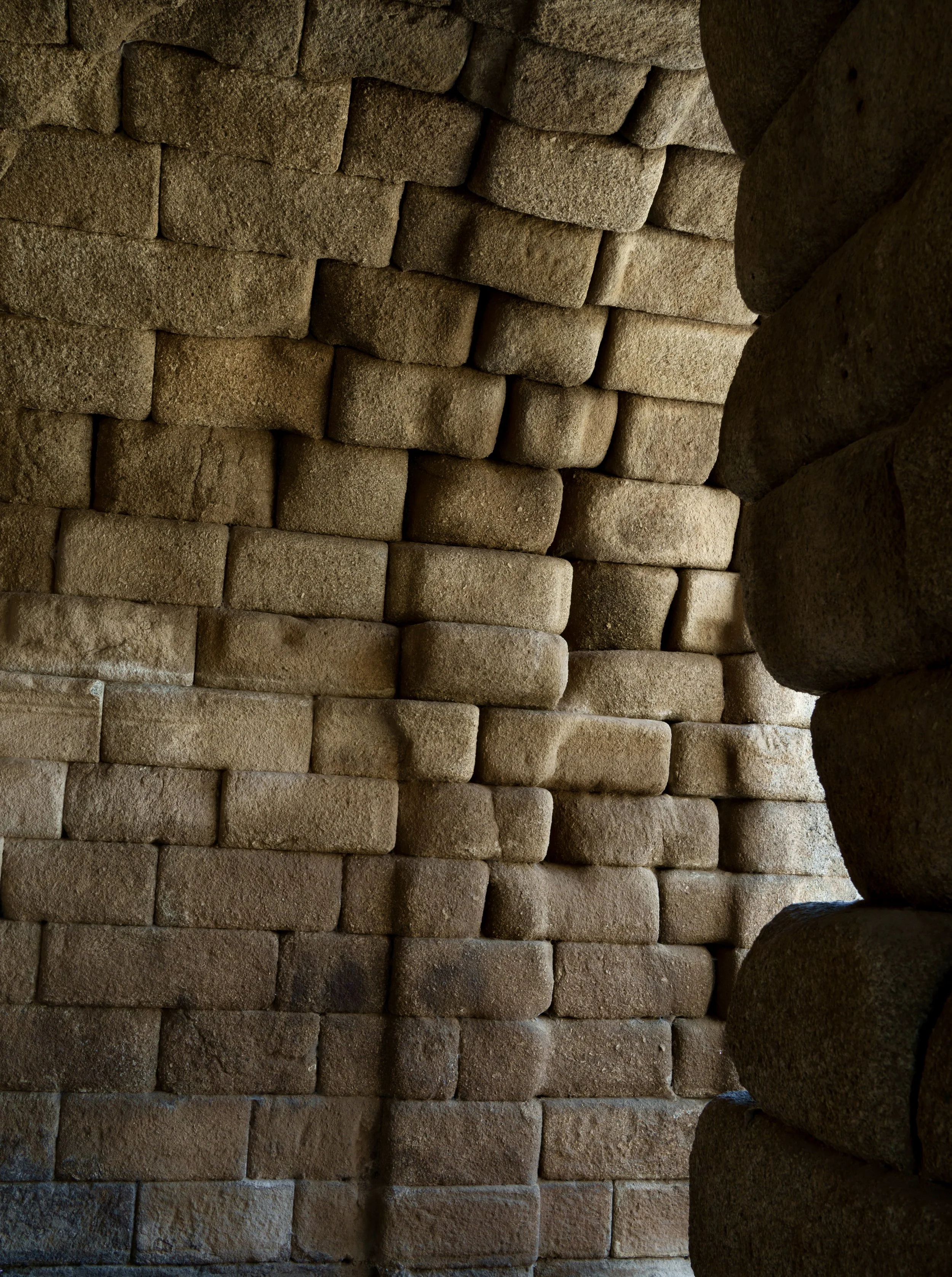
We have passed through Mérida many times on our way to somewhere else, but on this trip we finally decided to stay for a few days. It proved to be an excellent decision. The Roman archaeology is quite magnificent and remarkably well preserved. We sought out both of the city’s surviving aqueducts, crossed the great Roman bridge over the Guadiana, explored the amphitheatre and adjacent theatre, and admired the elegant Temple of Diana standing proudly in the heart of the modern city. Even after seeing so much, it felt as though there was plenty left to discover. Mérida is one of Spain’s outstanding archaeological cities, and we could easily have stayed much longer.
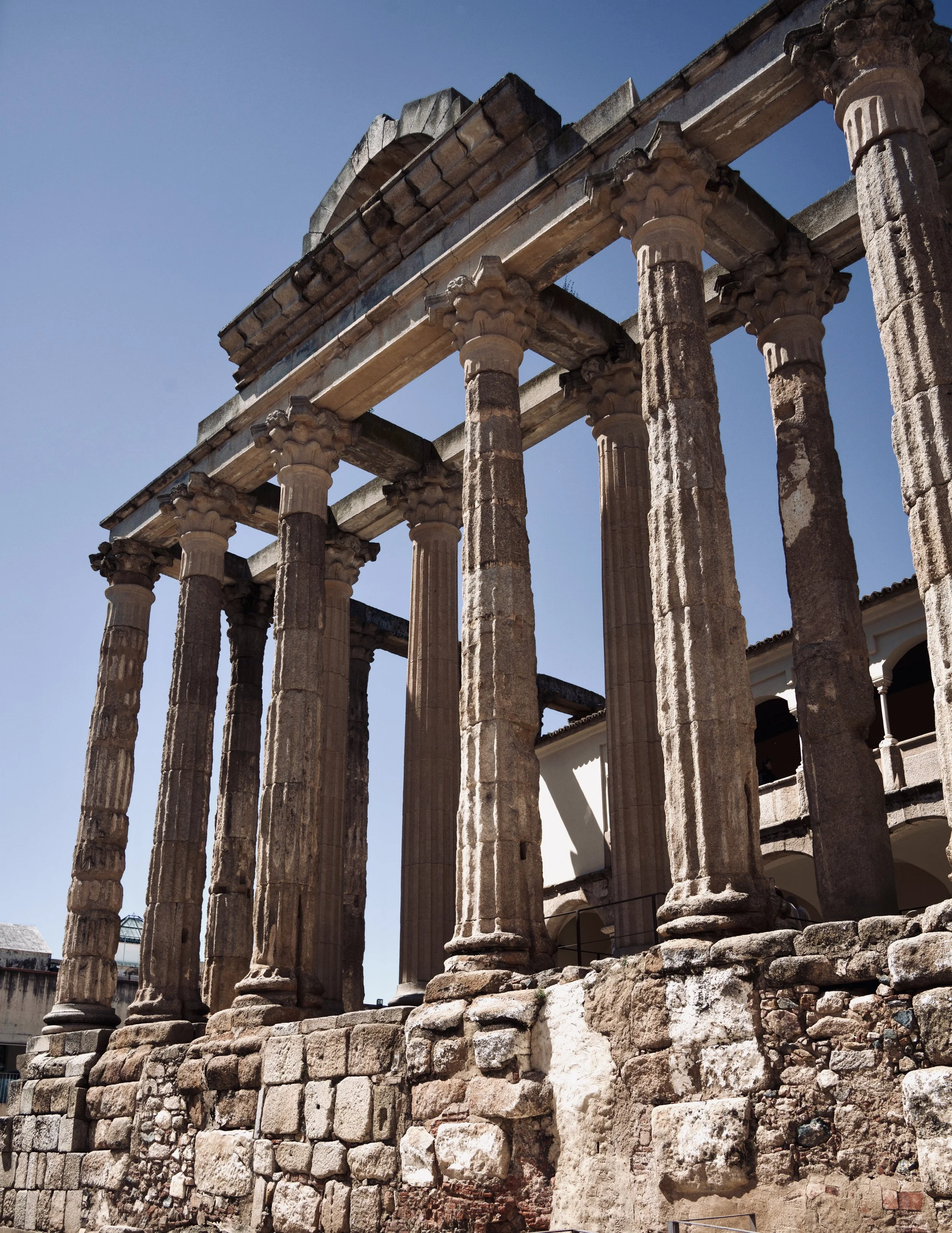
El templo de Diana
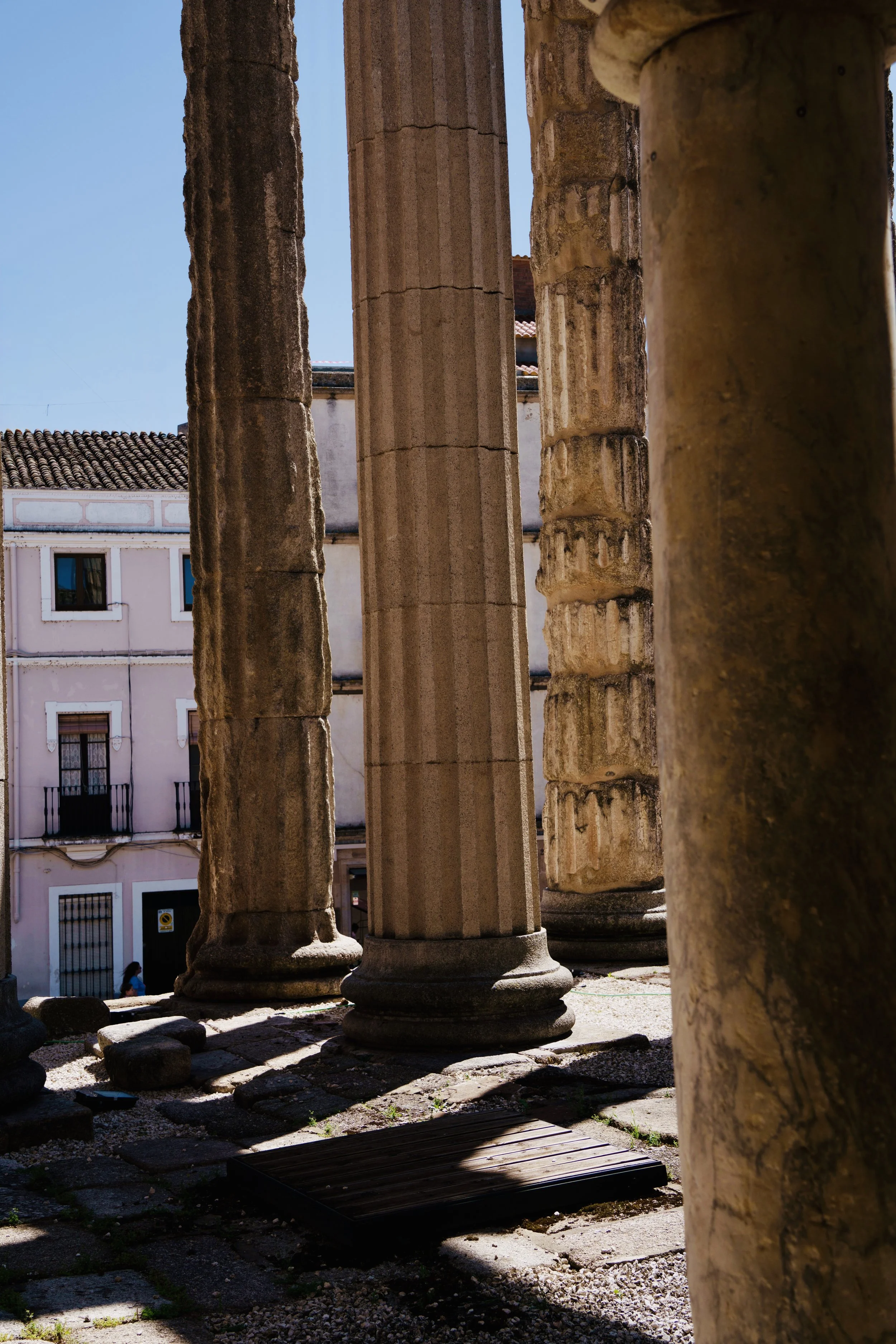
El templo de Diana
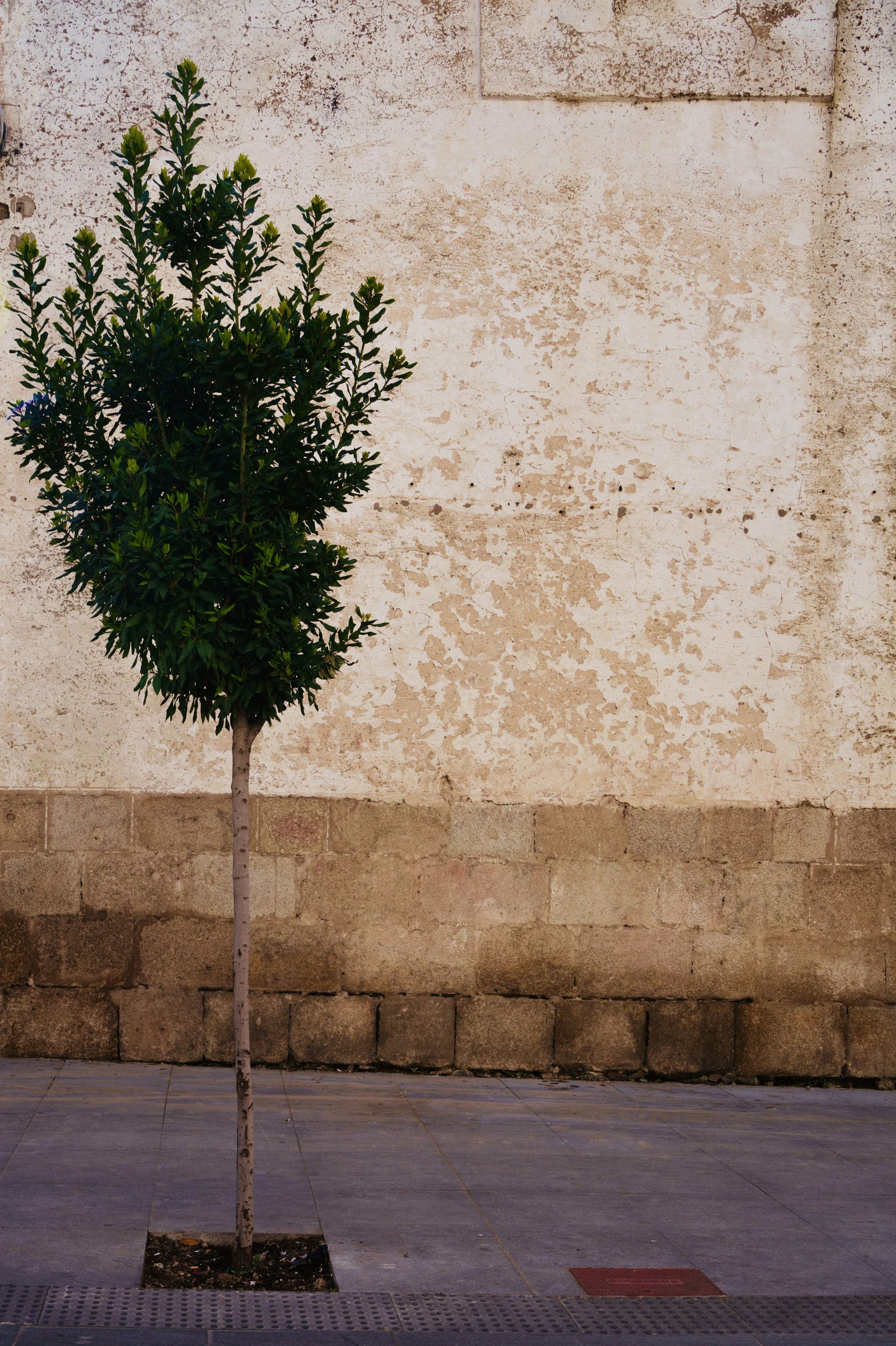
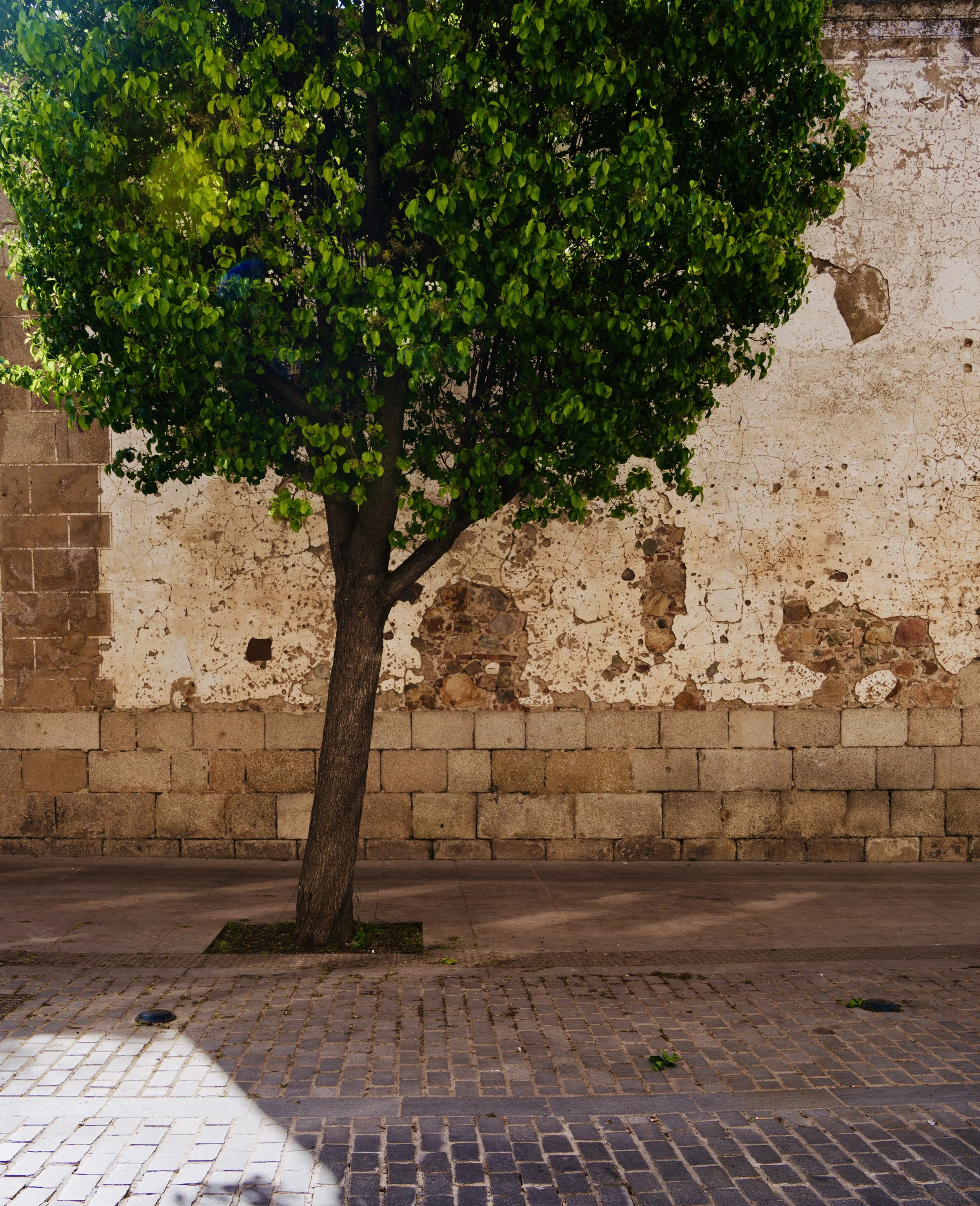
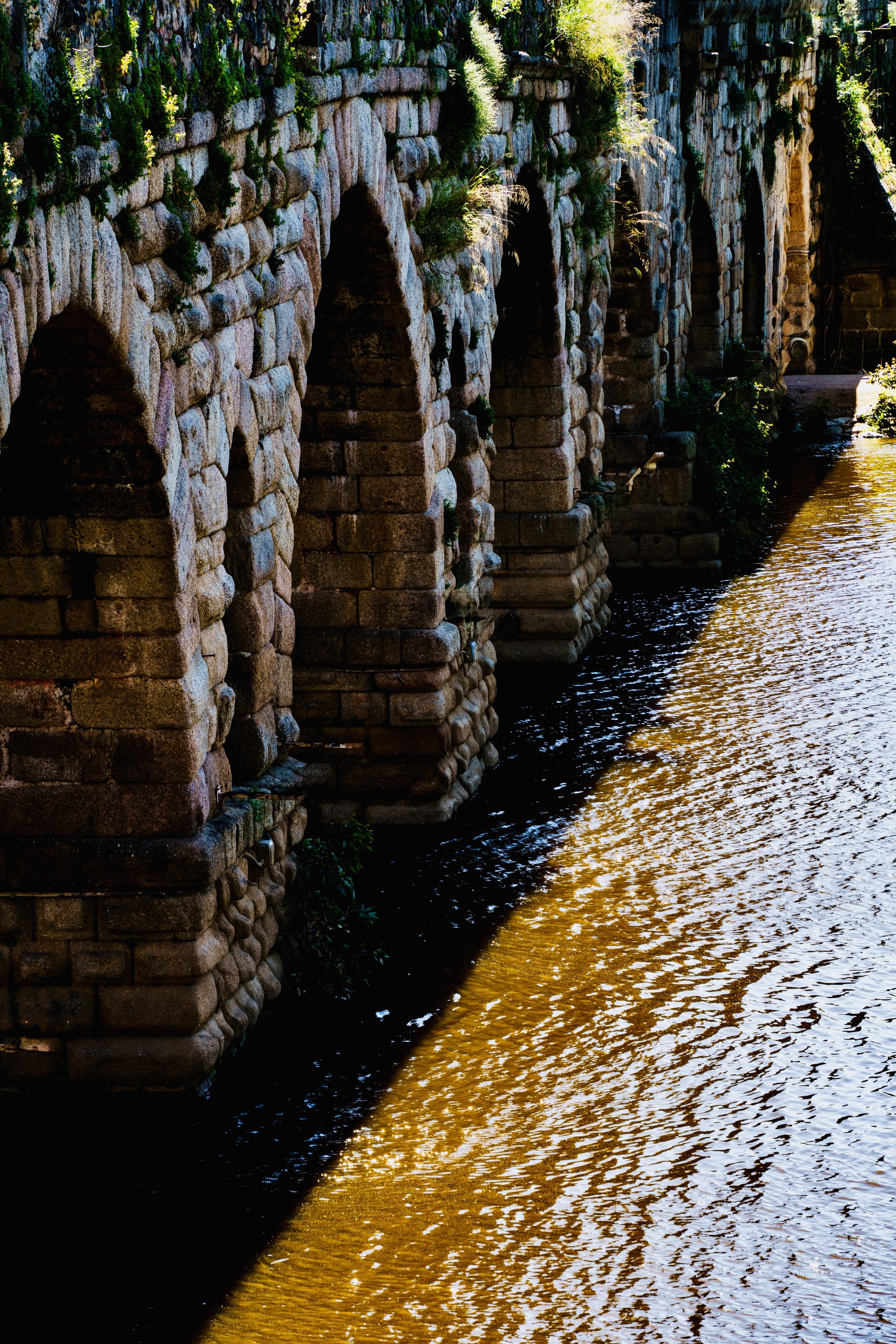
Puente romano
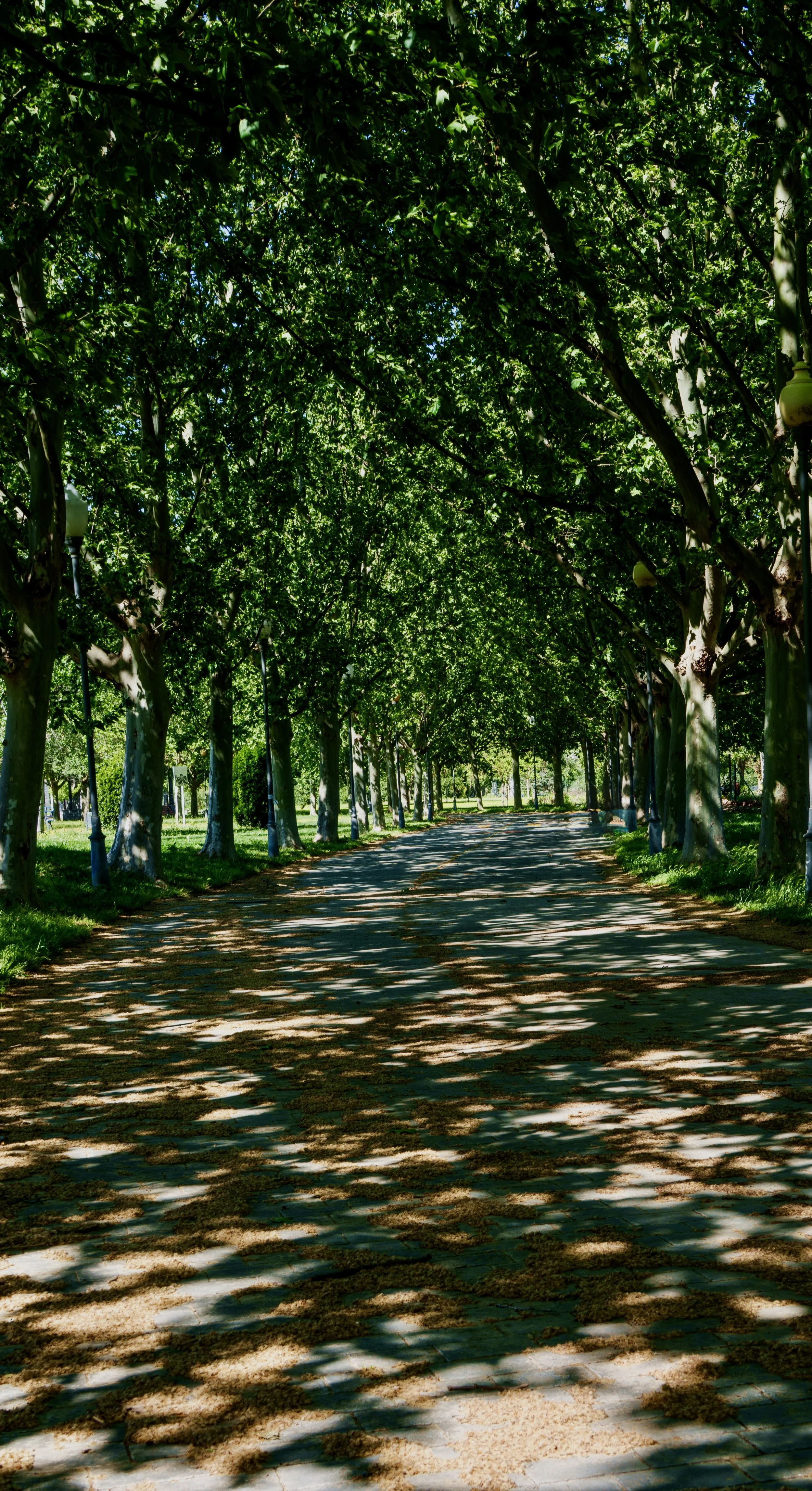
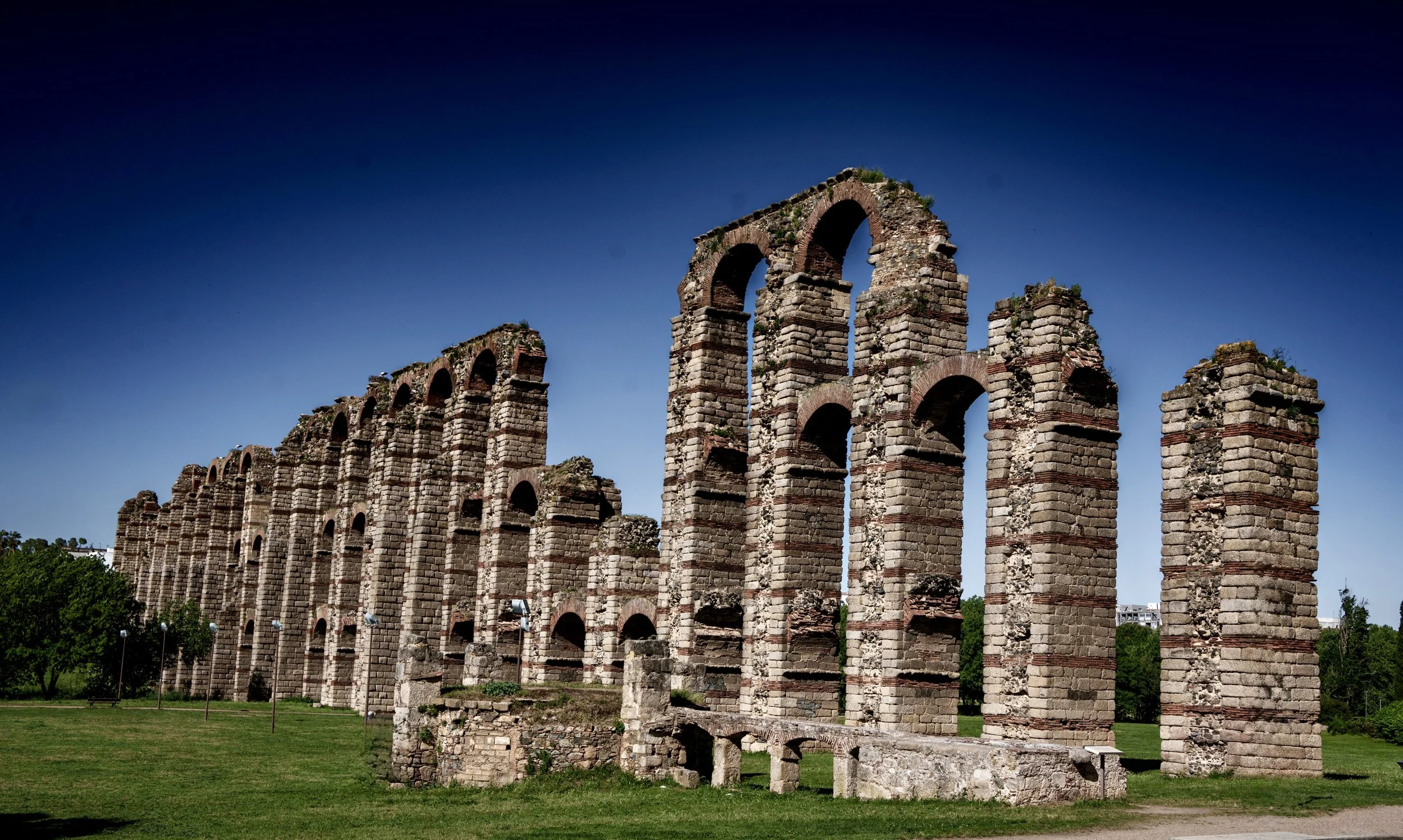
Acueducto de los Milagros
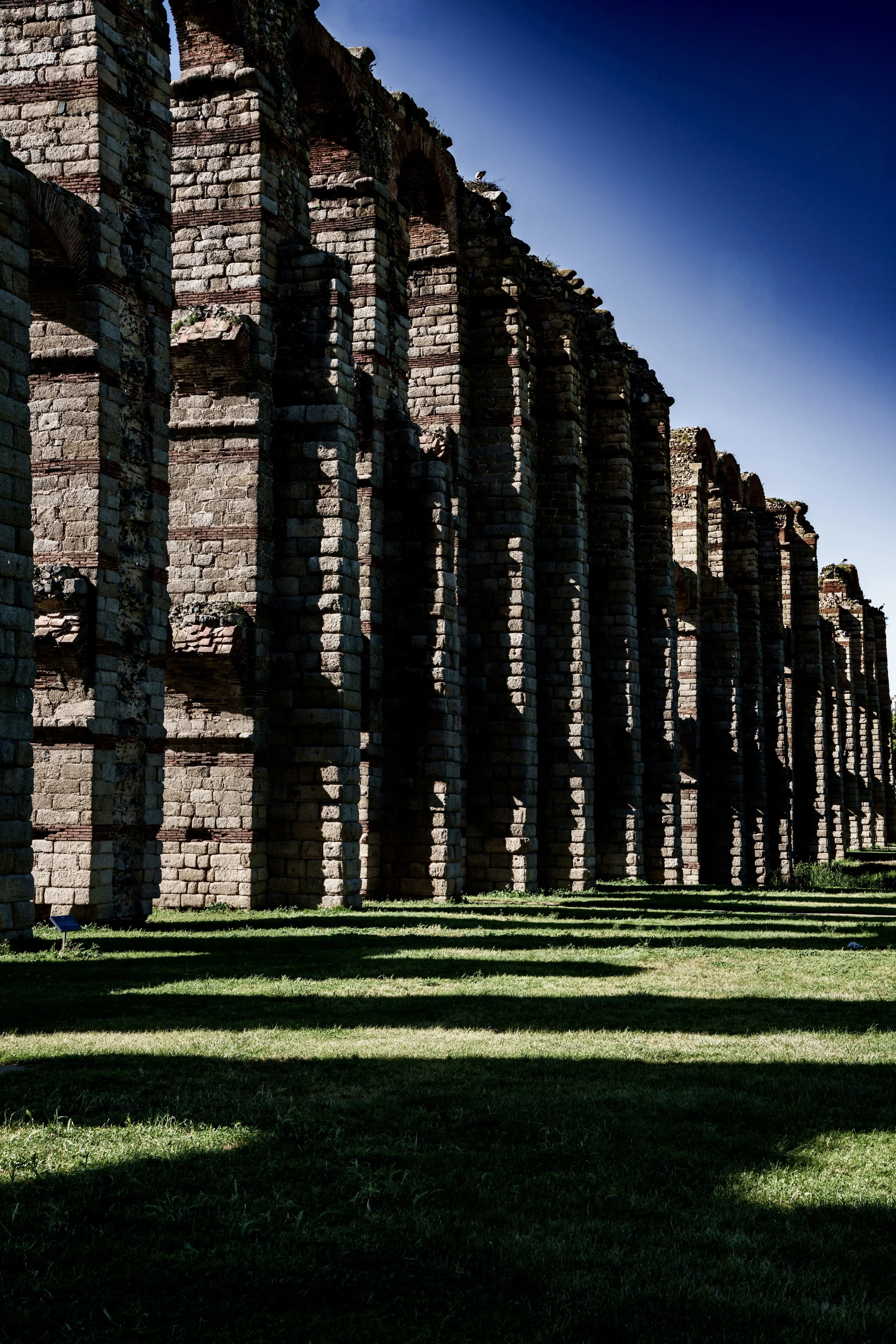
Acueducto de los Milagros
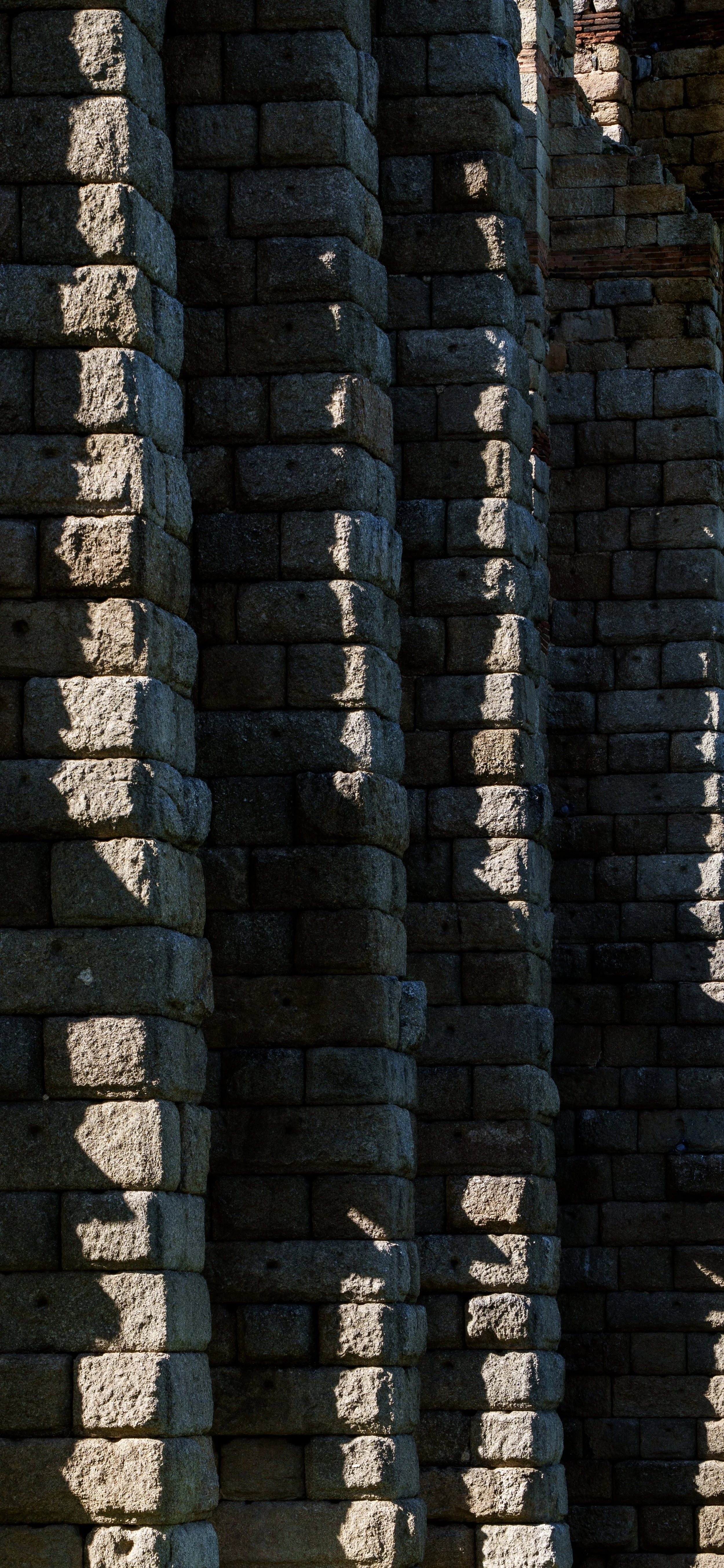
Acueducto de los Milagros
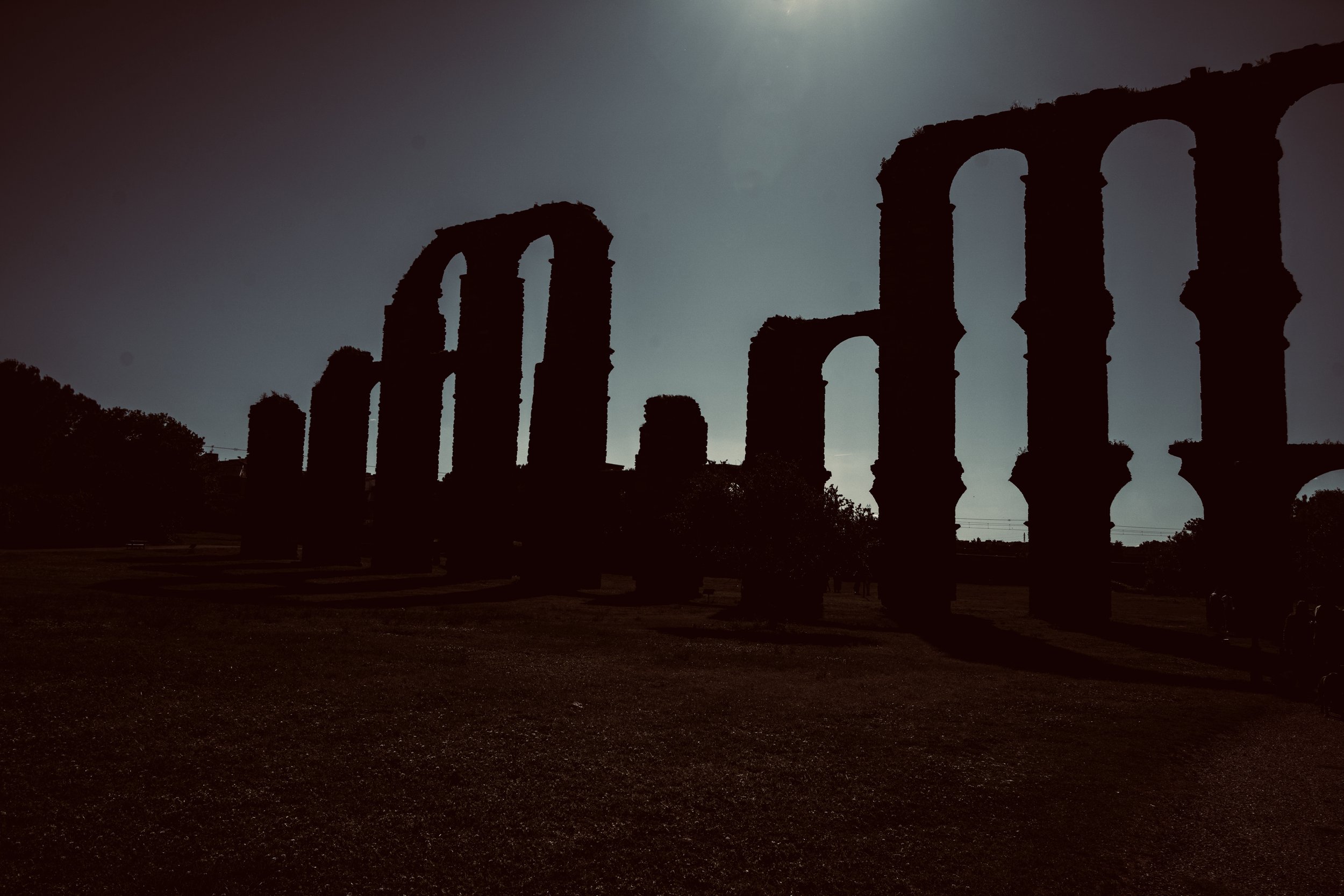
Acueducto de los Milagros
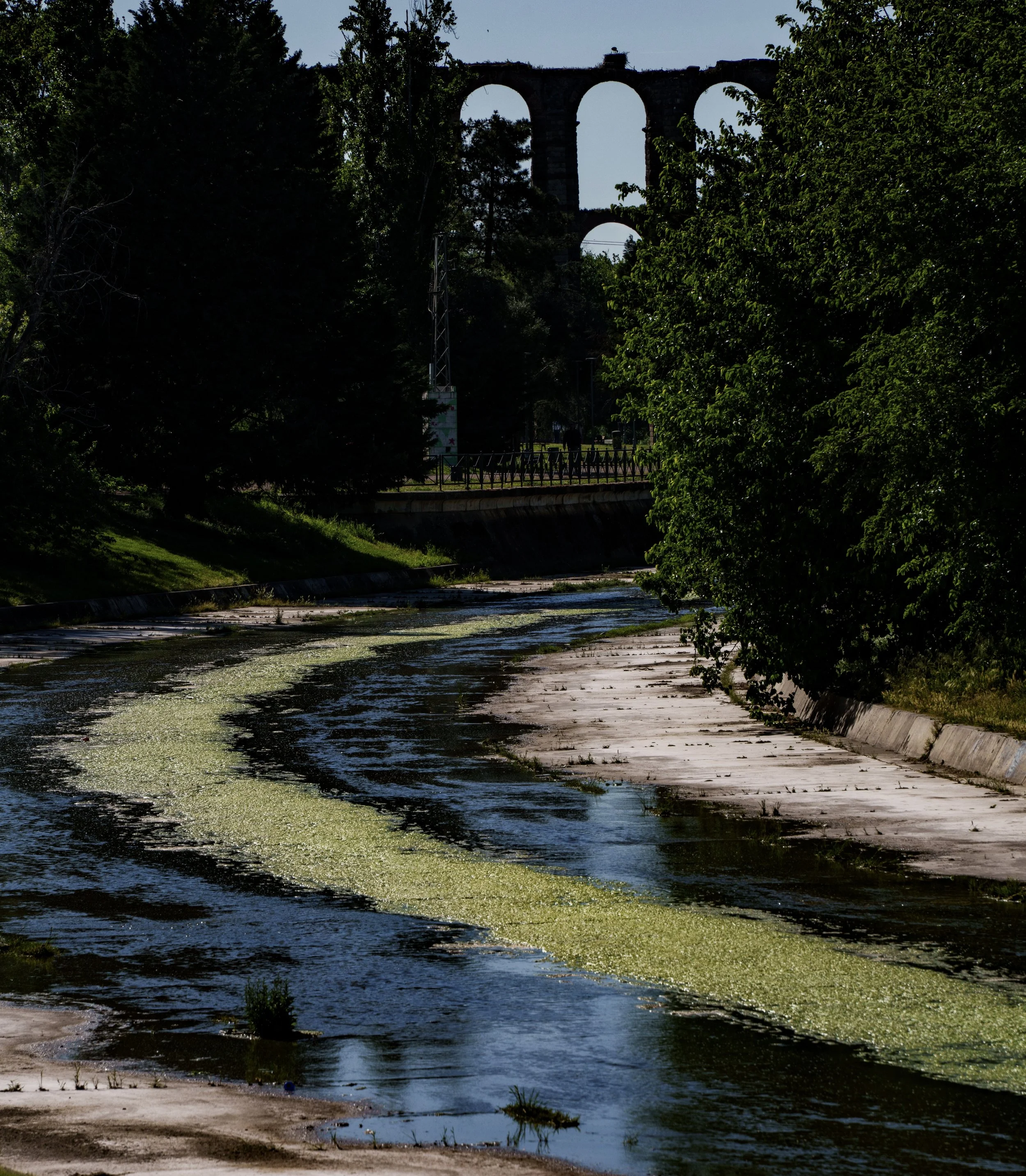
Acueducto de los Milagros
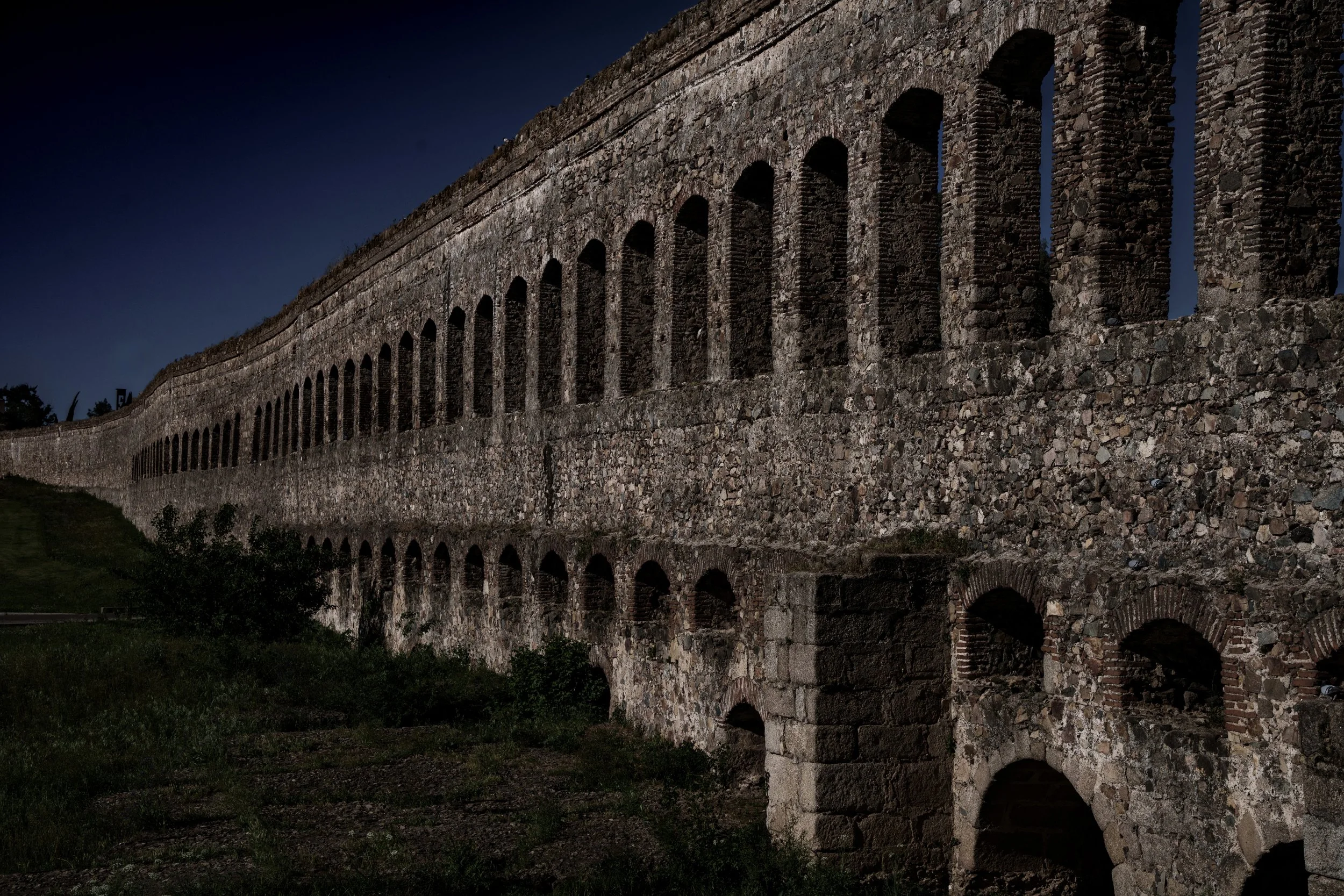
Acueducto de San Lazaro
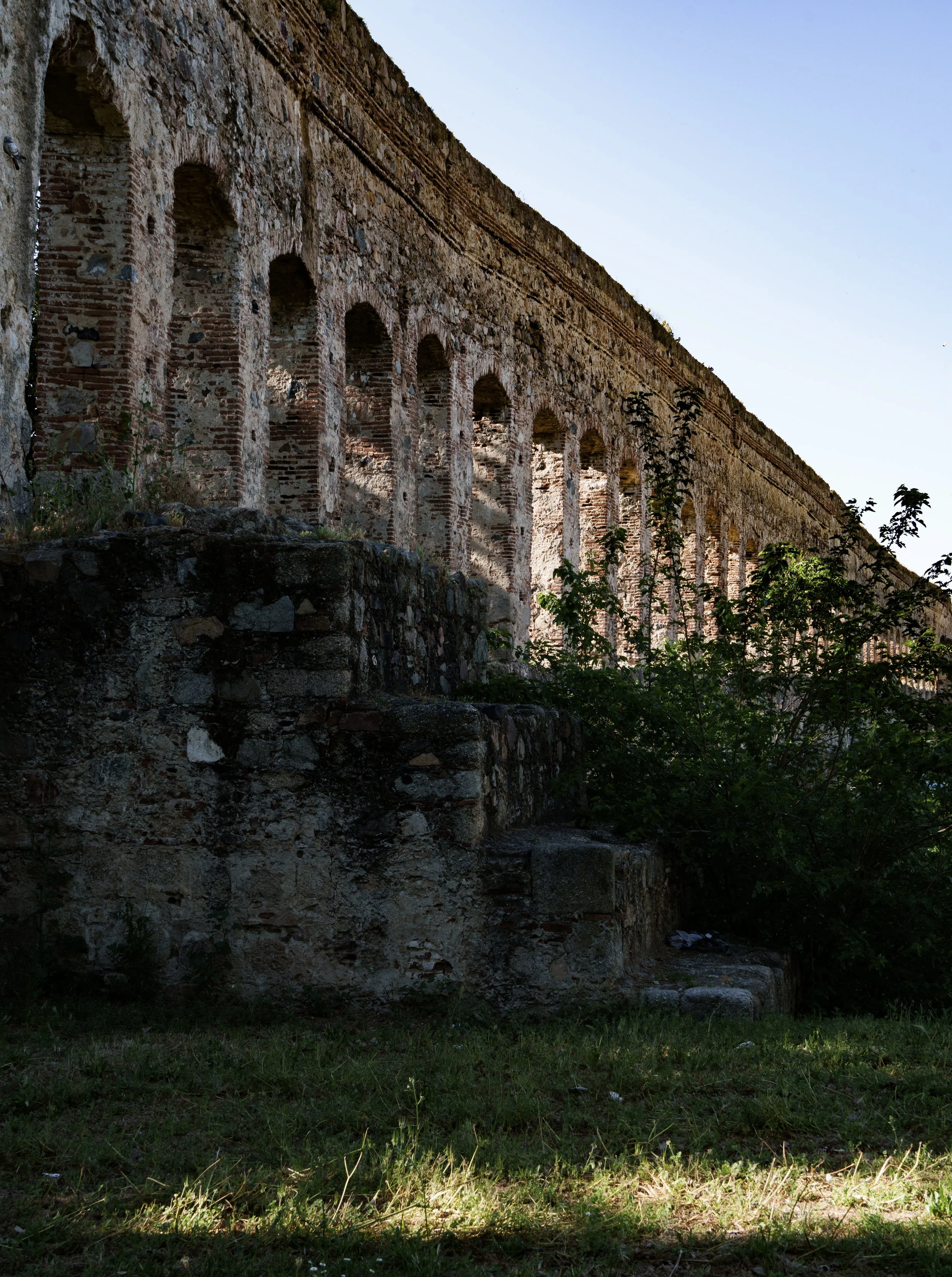
Acueducto de San Lazaro
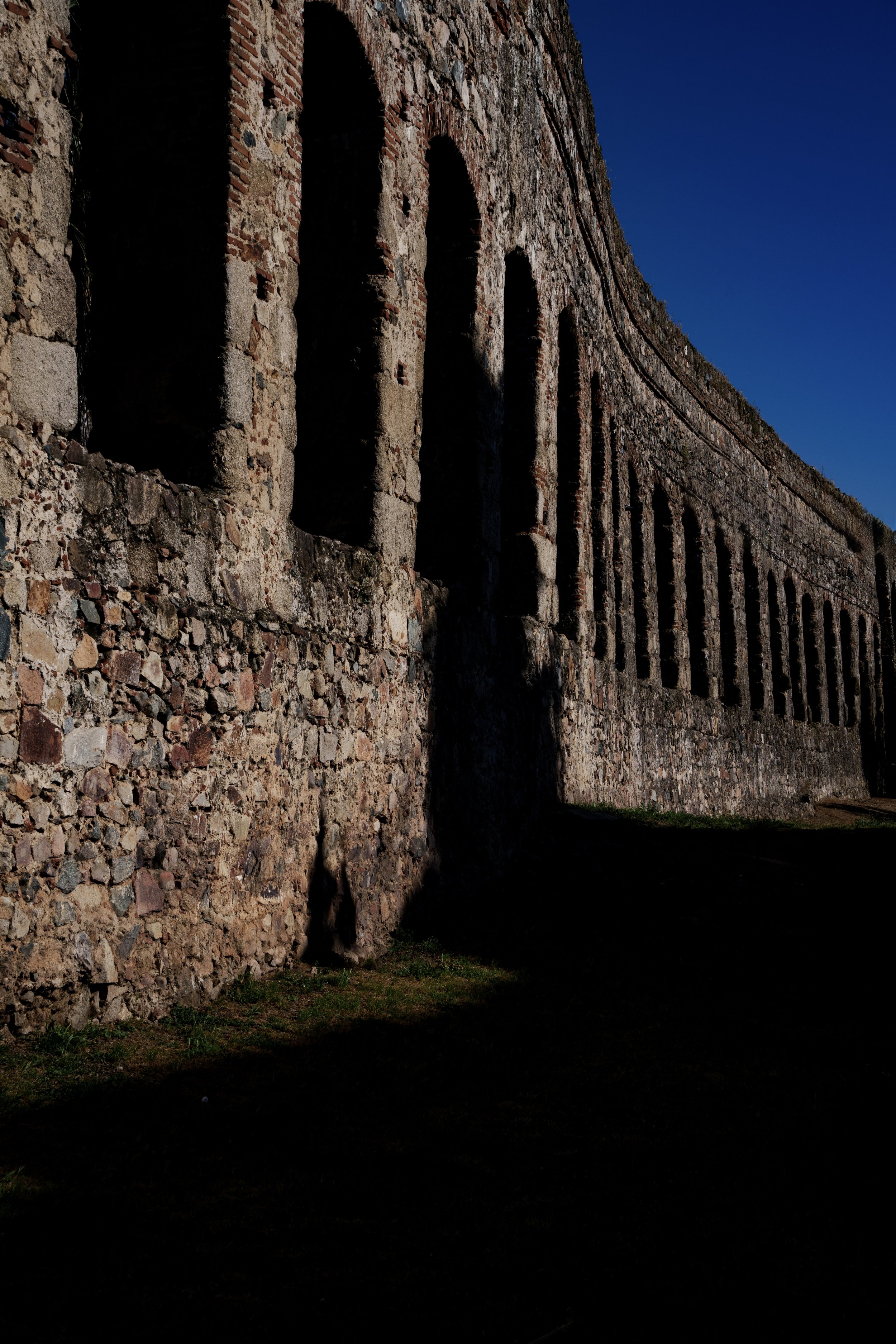
Acueducto de San Lazaro
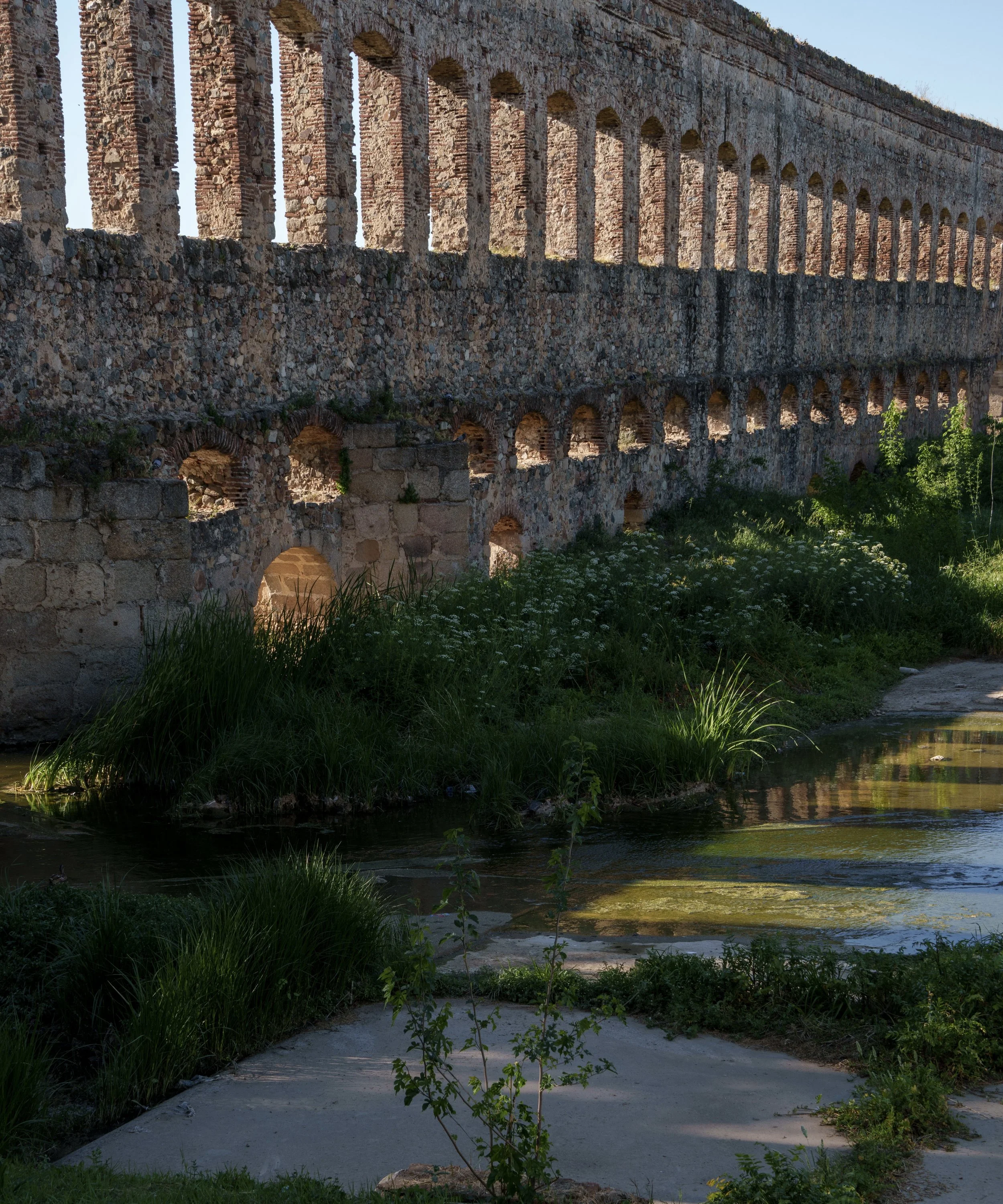
Acueducto de San Lazaro
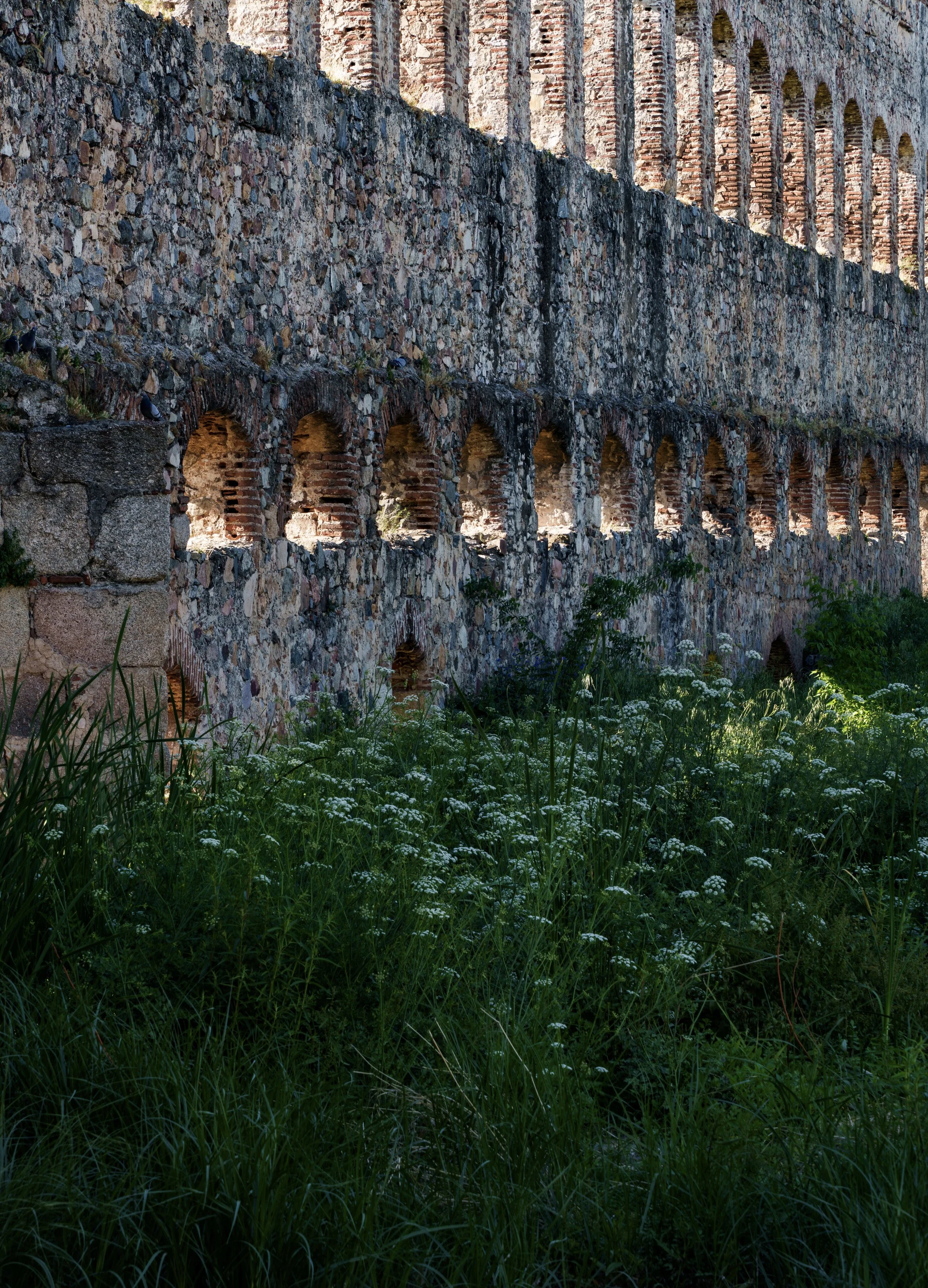
Acueducto de San Lazaro