Meknès - prefecture de Meknès M3 - 2026
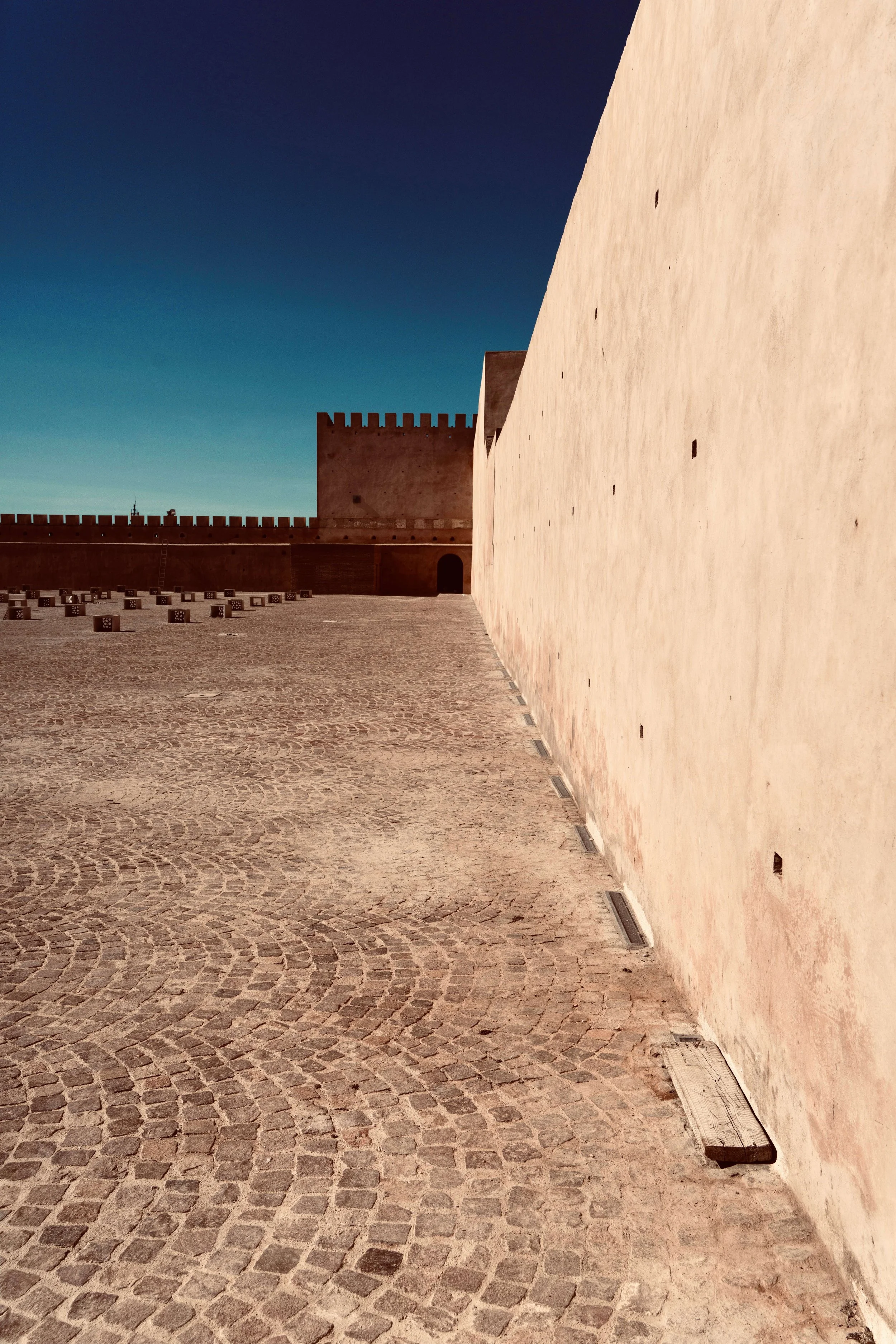
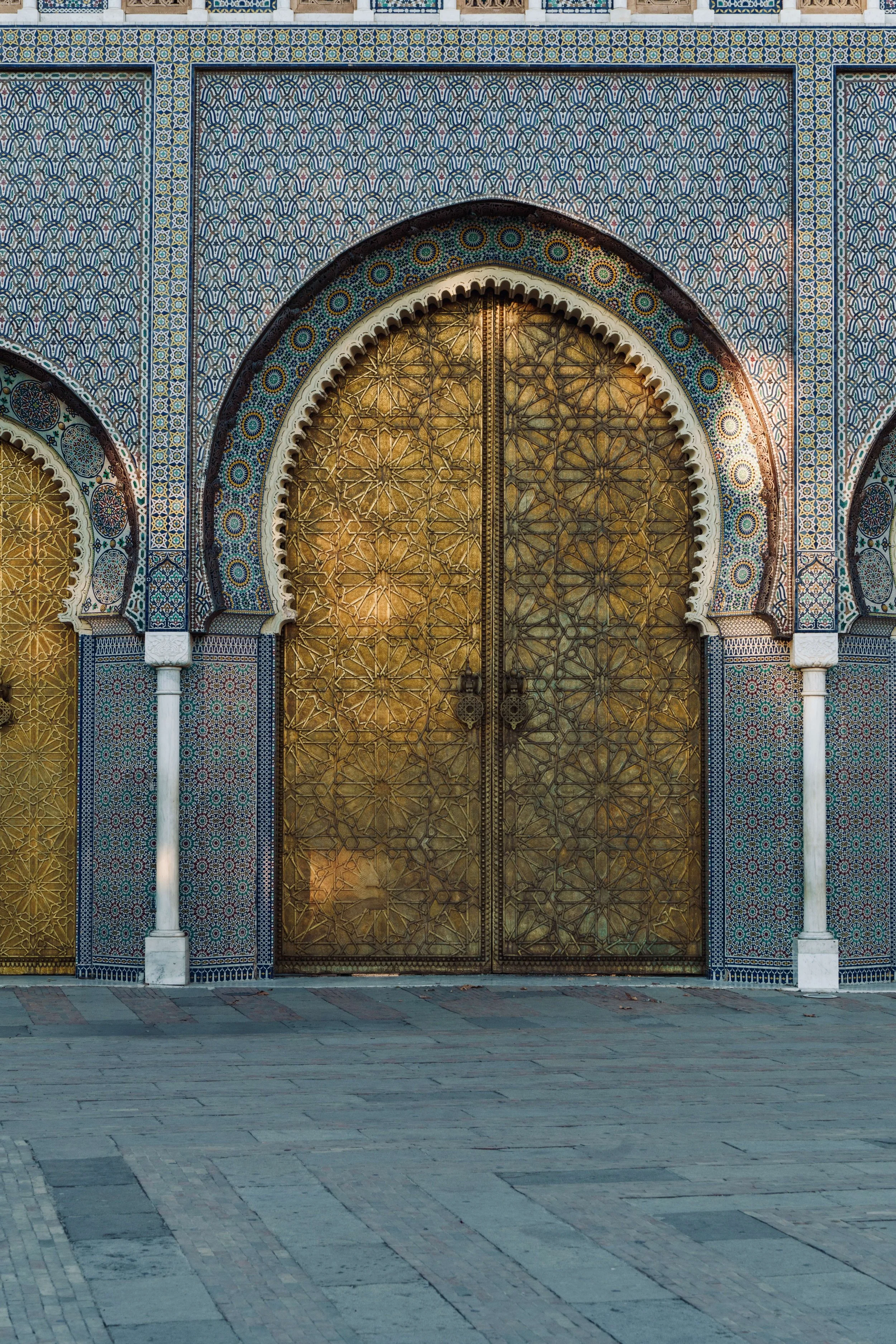
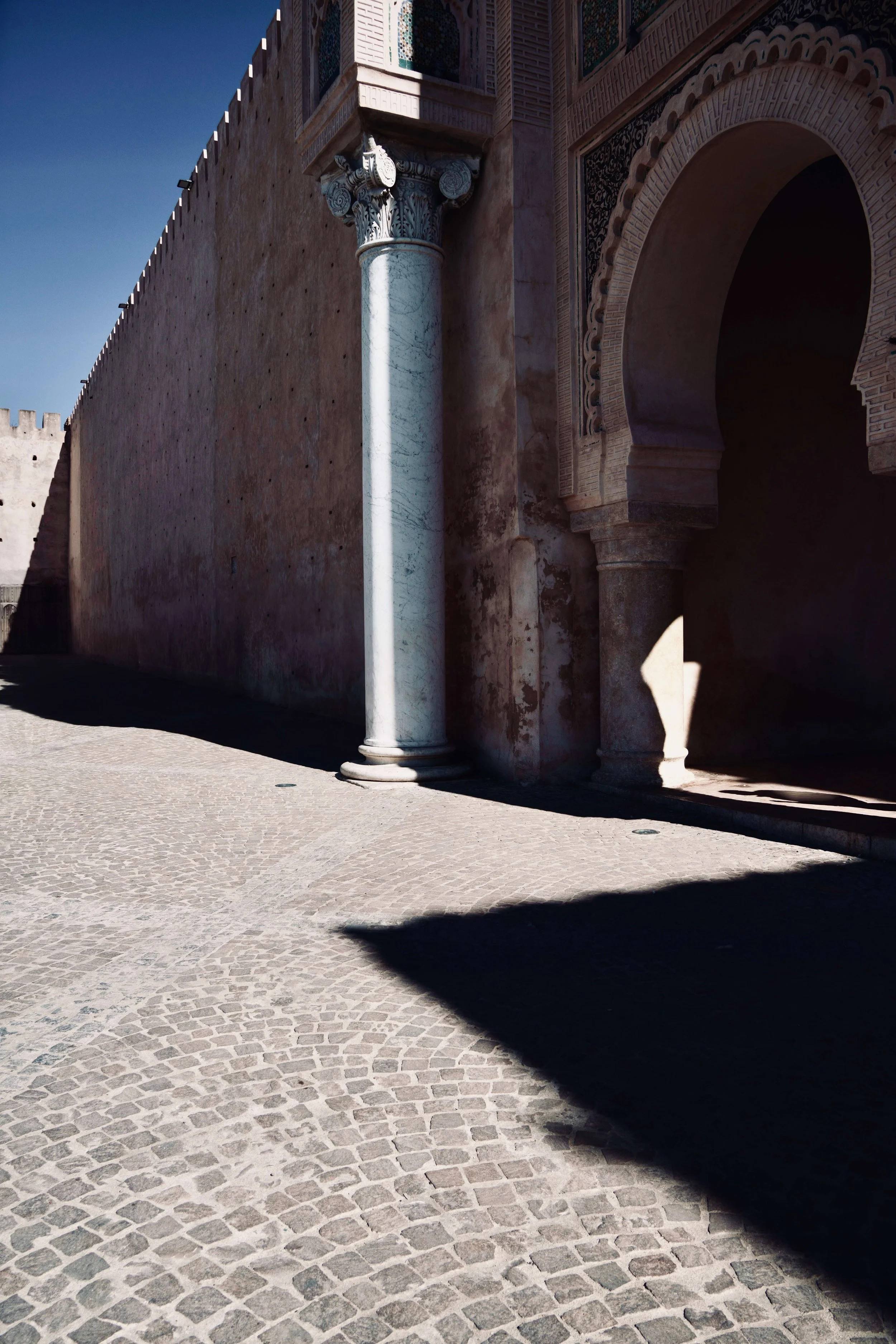
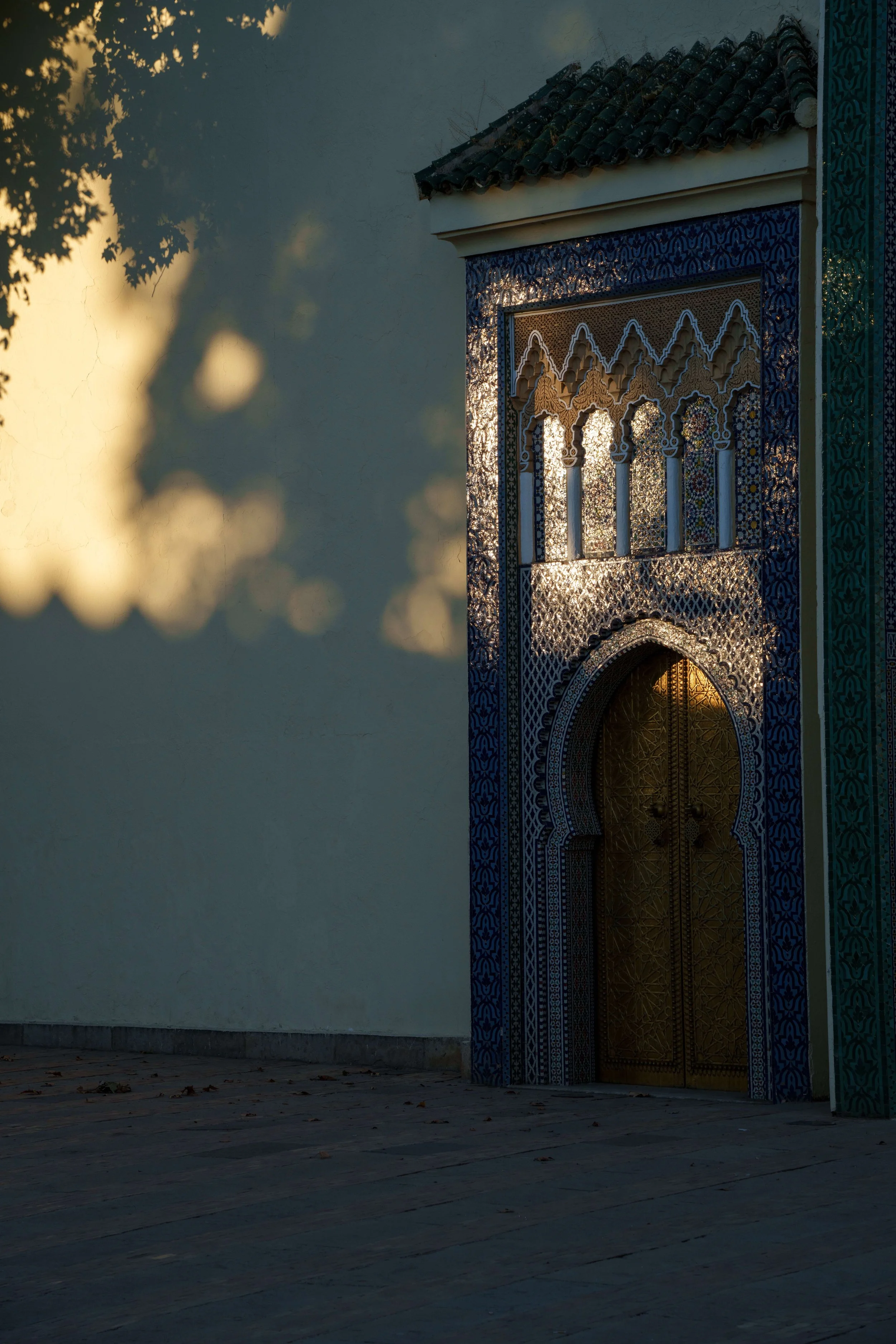
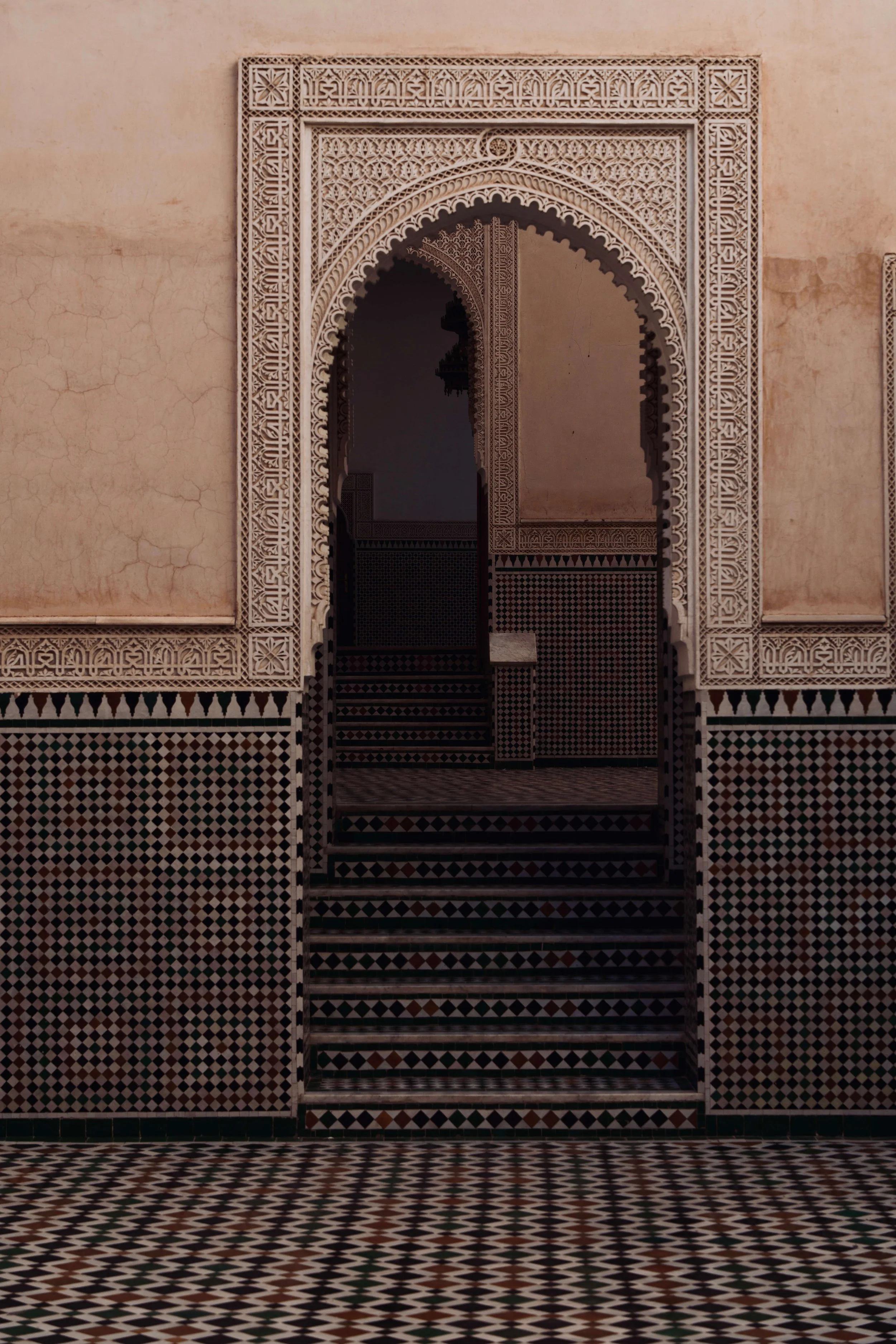
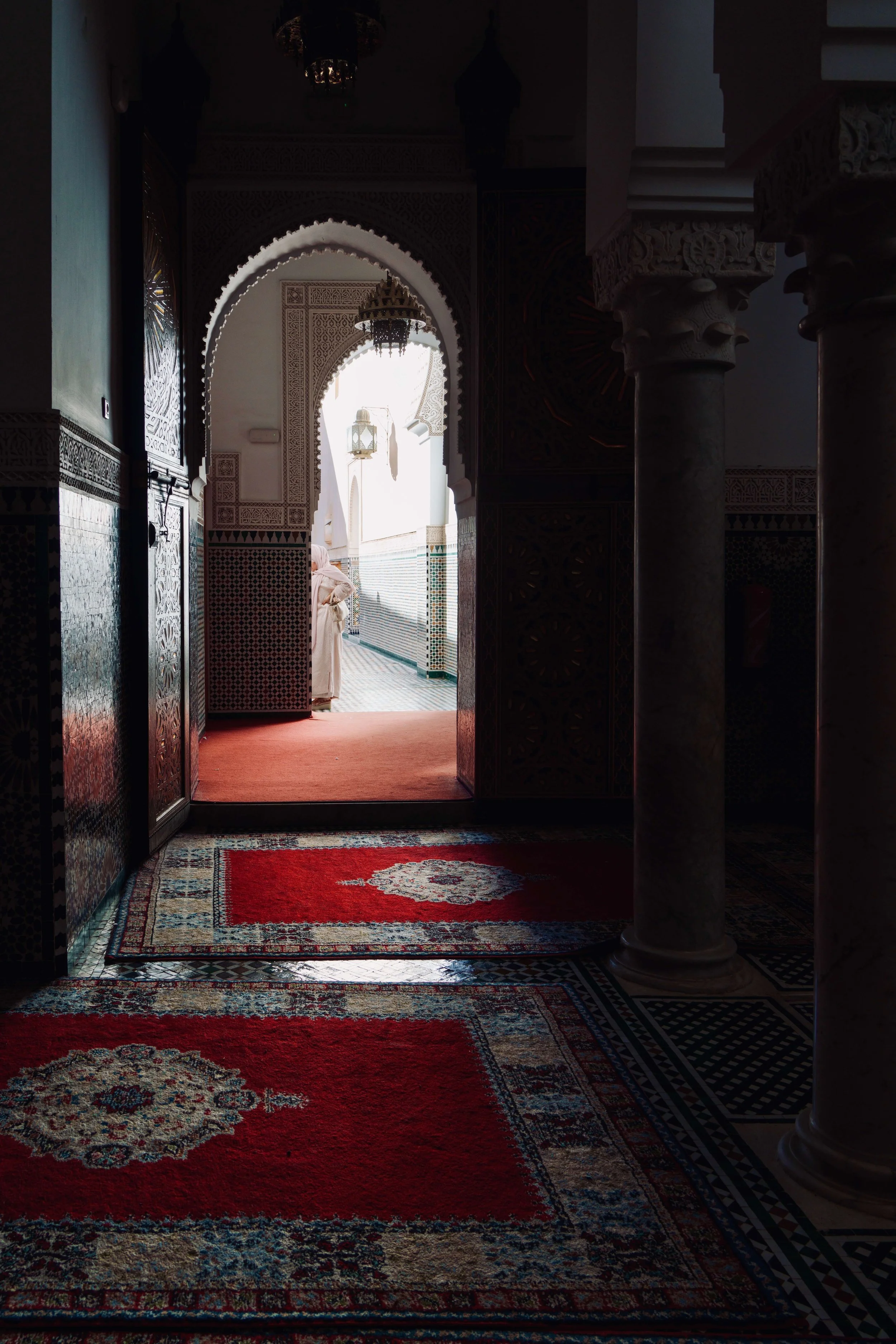
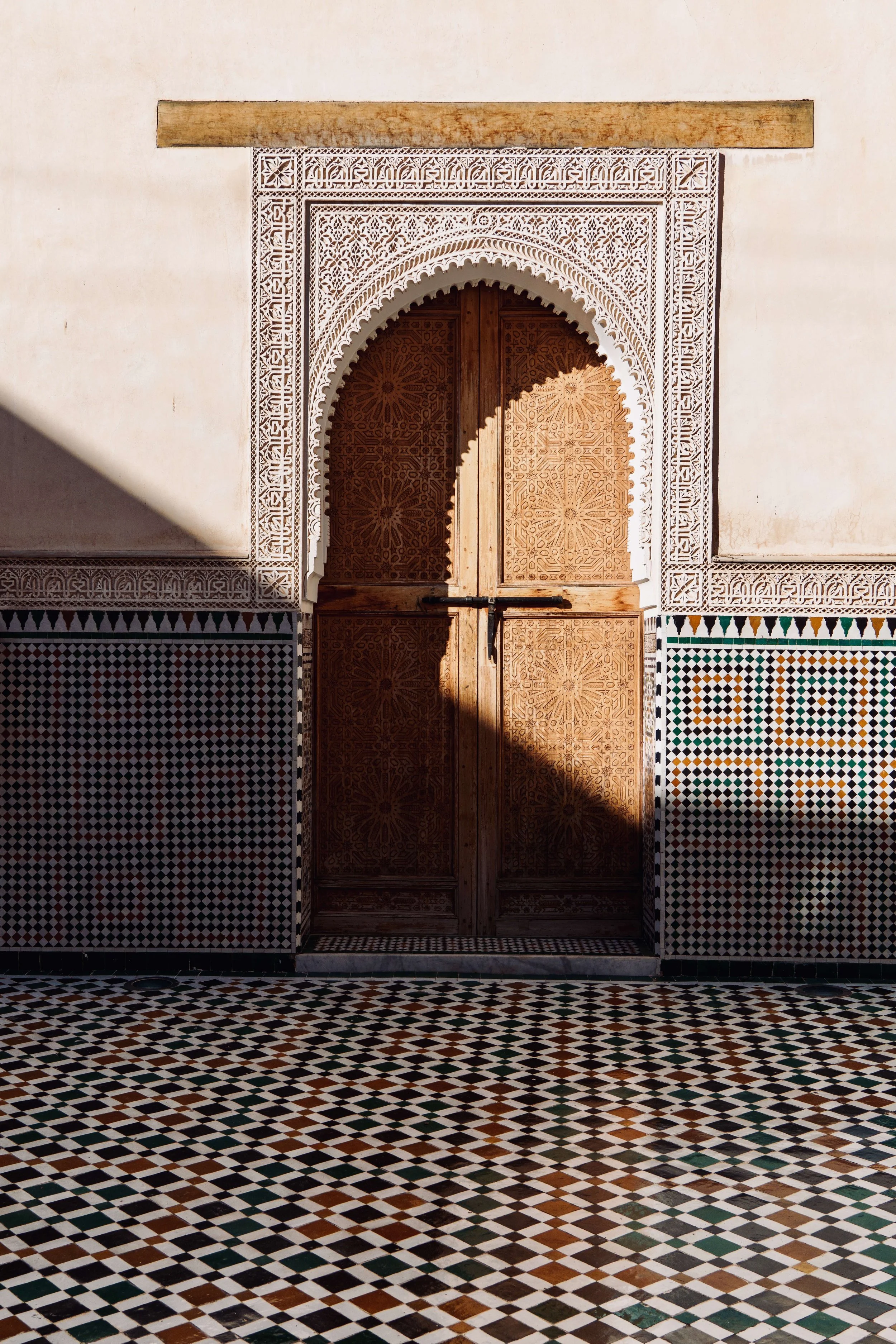
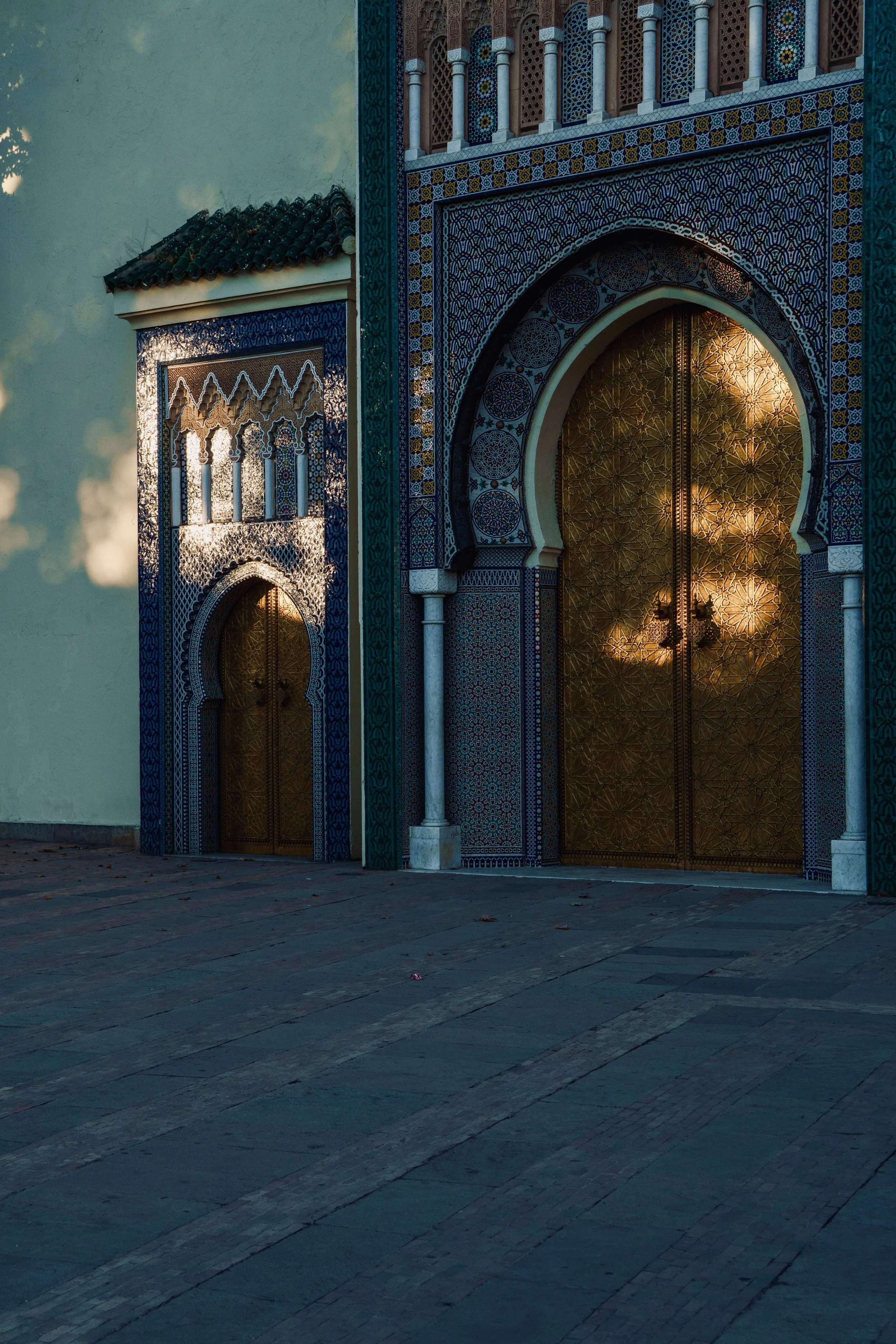
Meknès lies in northern-central Morocco, on the fertile Saïs plain between the Middle Atlas mountains and the hills of Jebel Zerhoun. Its traditional architecture combines whitewashed houses, narrow medina streets, shaded courtyards and richly decorated doorways with the monumental earthen walls and elaborate Hispano-Moorish gateways of its imperial past. The magnificent Bab Mansour, facing Place El Hedim, is the city’s most celebrated landmark, while other important sites include the Mausoleum of Moulay Ismaïl, the Bou Inania Madrasa, and the vast Heri es-Souani granaries and royal stables. The surrounding countryside is highly productive, with extensive olive groves, vineyards, fruit orchards and cereal fields. What distinguishes Meknès from Morocco’s other imperial cities is the sheer scale of the seventeenth-century royal city created by Sultan Moulay Ismaïl: its immense ramparts, monumental gates, gardens, water basins and storage buildings convey an ambition that feels quite different from the denser, more intricate medinas of Fes or Marrakech. The historic city is recognised as a UNESCO World Heritage site.
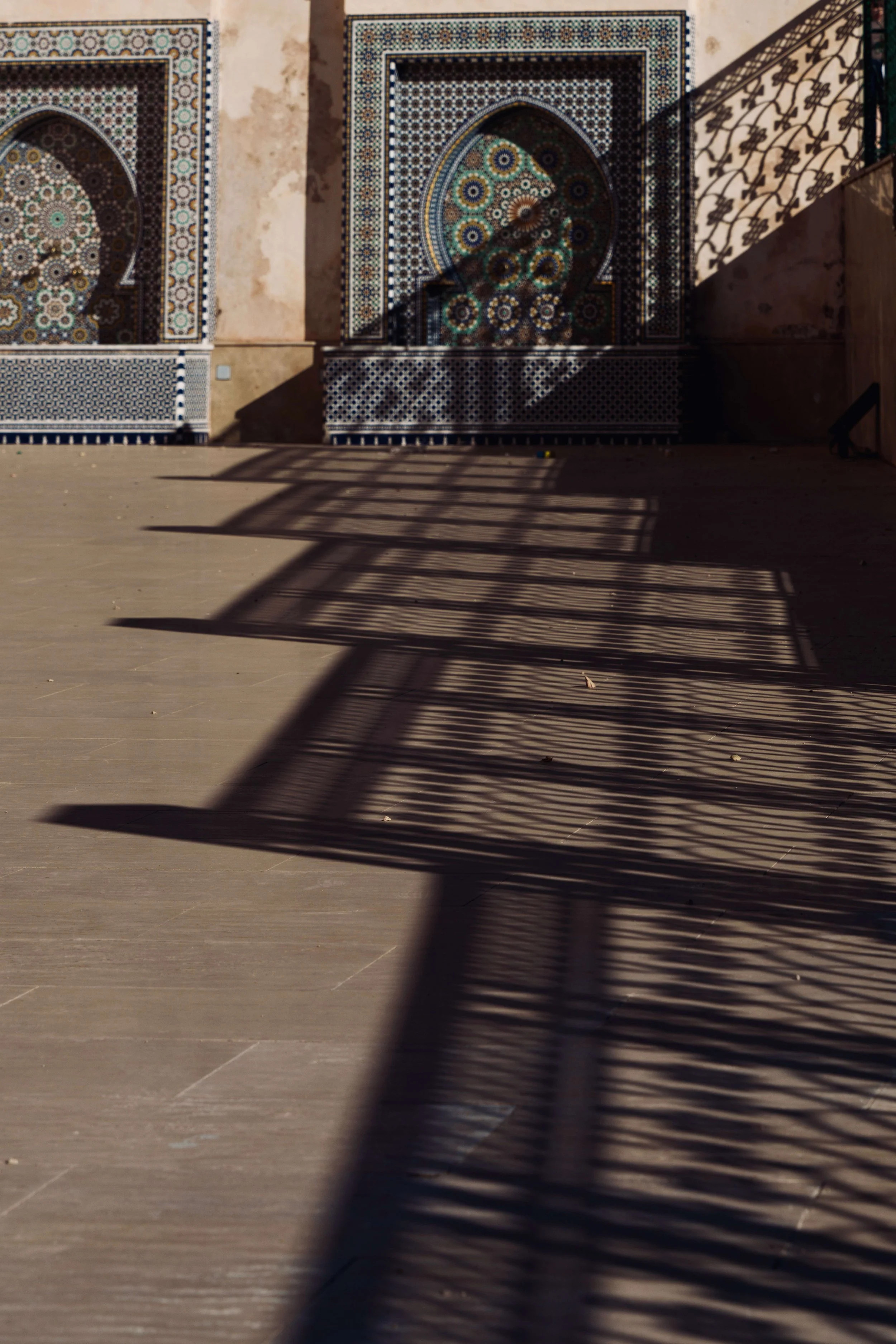
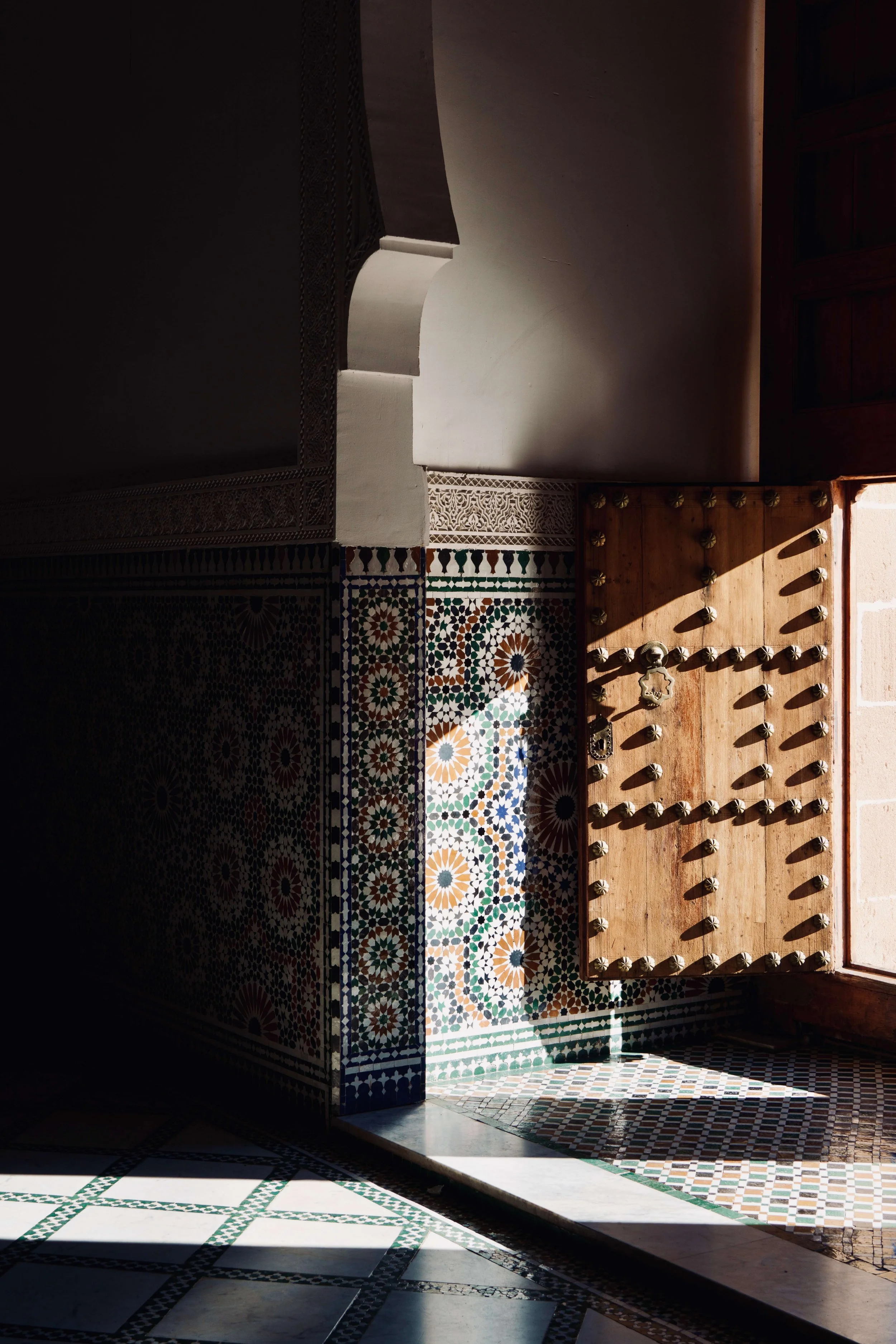
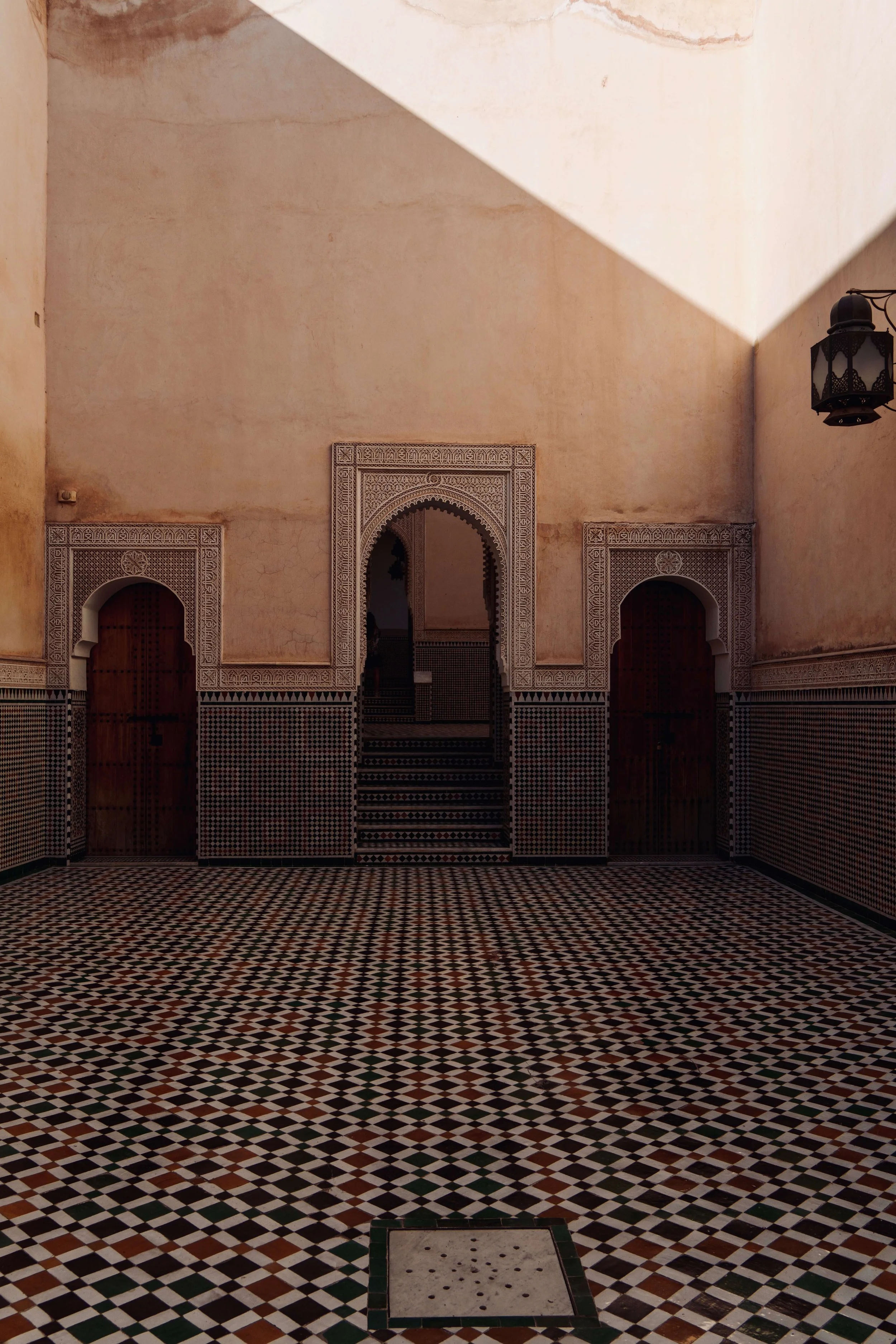
From Moulay Idriss, we continued to Meknès, where we visited the Mausoleum of Moulay Ismail and Bab Mansour, the monumental gateway overlooking Place el-Hedim. The mausoleum offered a glimpse of Morocco’s intricate decorative craftsmanship, while Bab Mansour impressed with its scale, tiled surfaces and imposing arches. With time limited, these two landmarks provided a rewarding introduction to a city whose imperial history is still very much in evidence. We then returned to Fès.