La Alberca - provincia de Salamanca - M1 2026
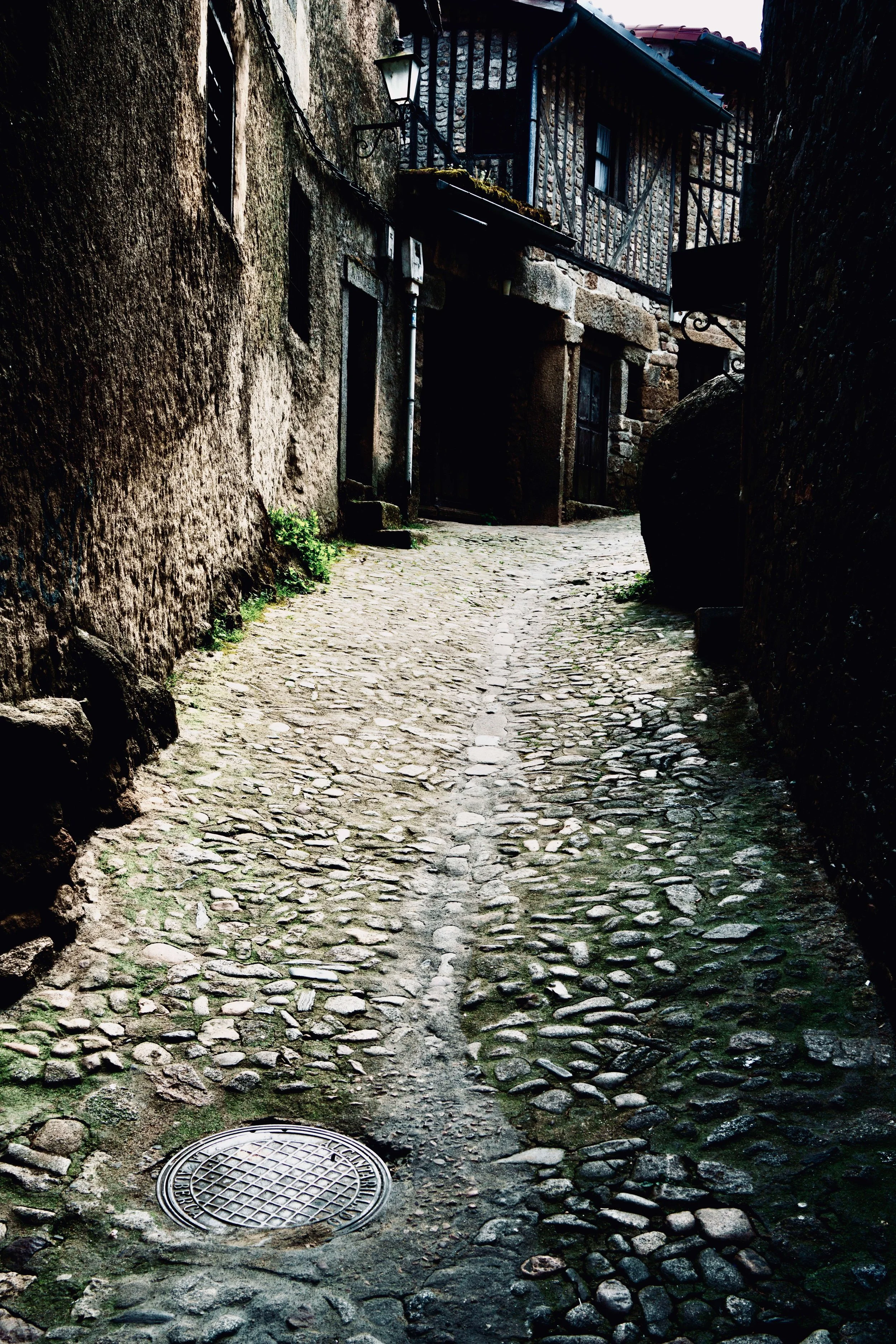
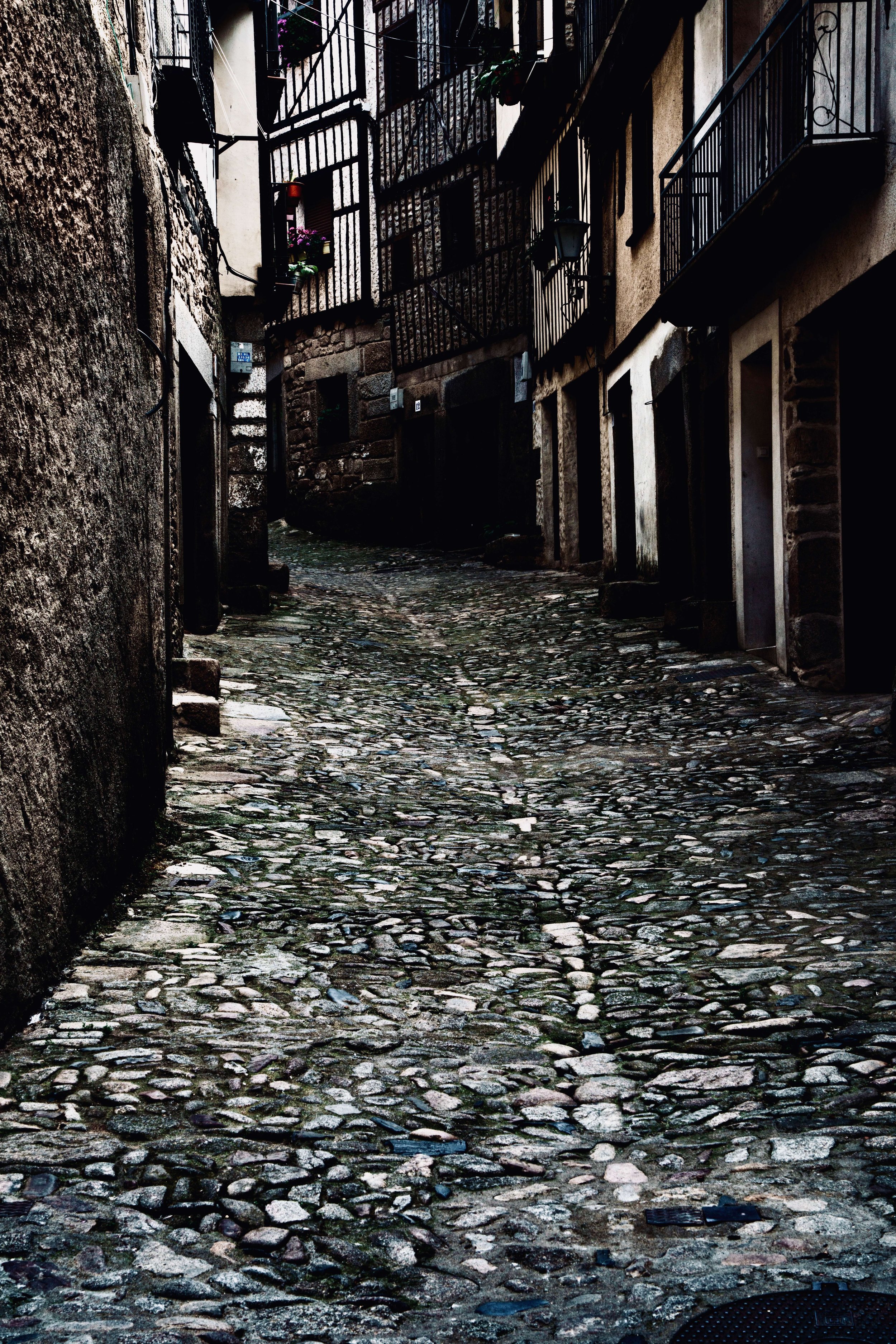
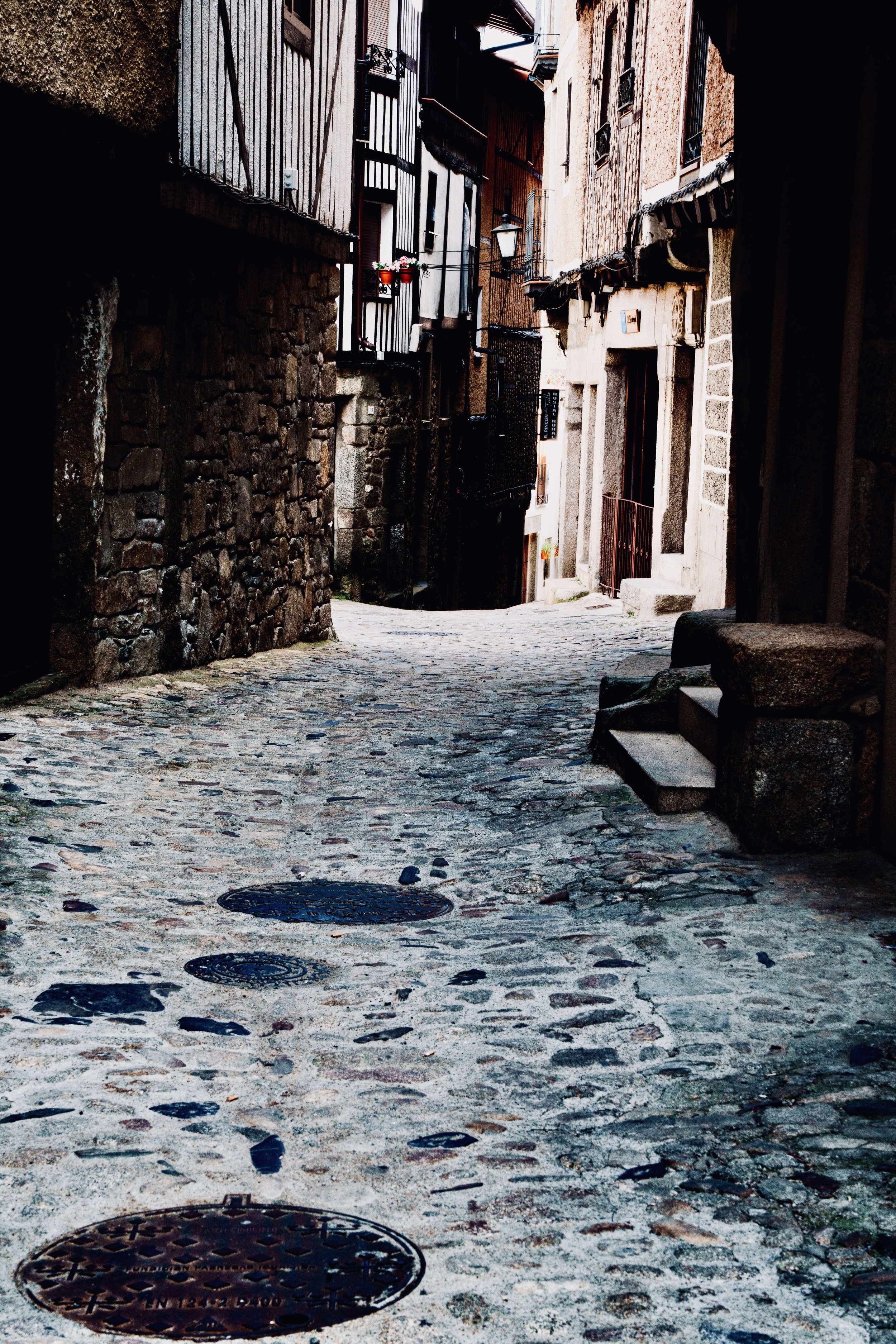
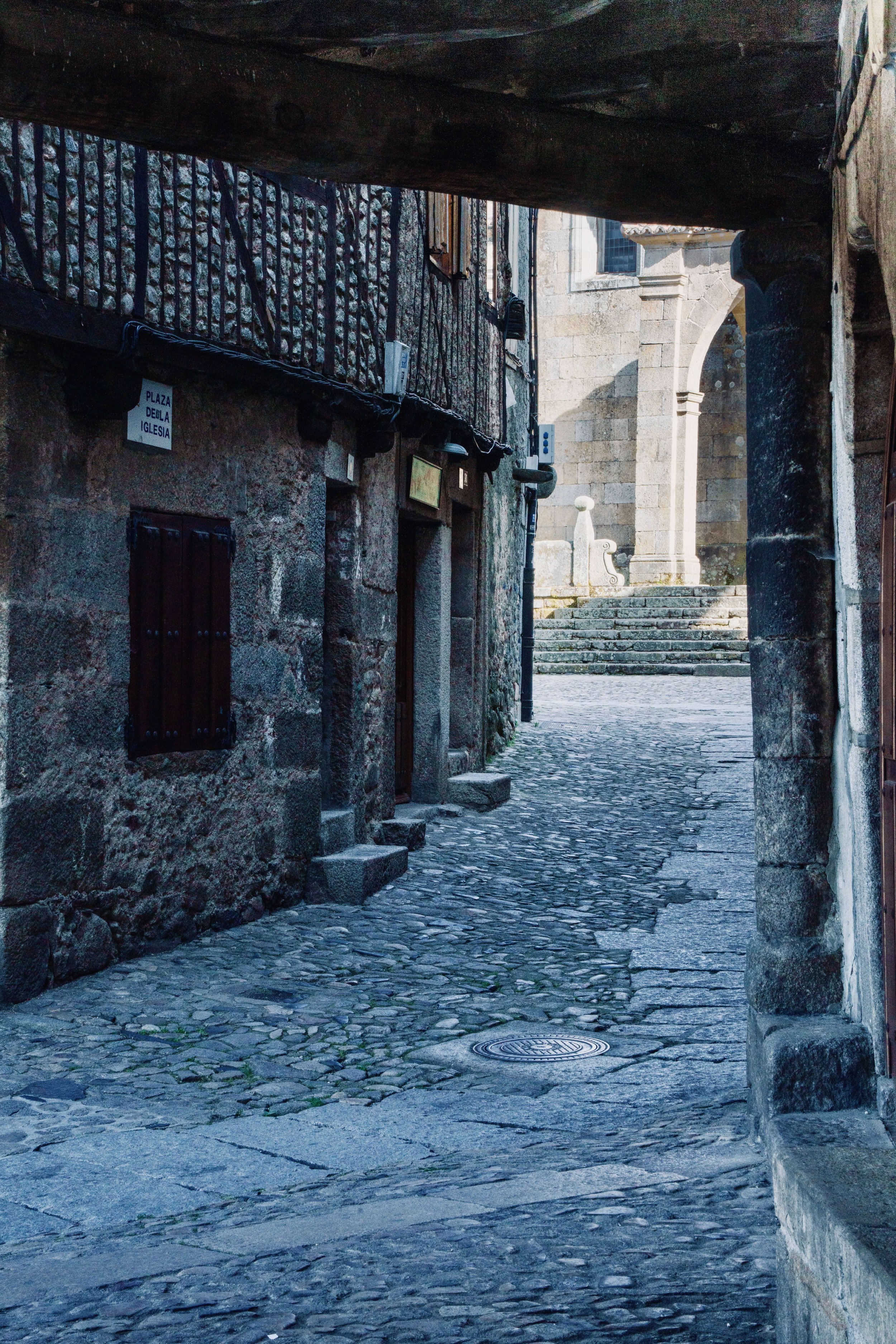
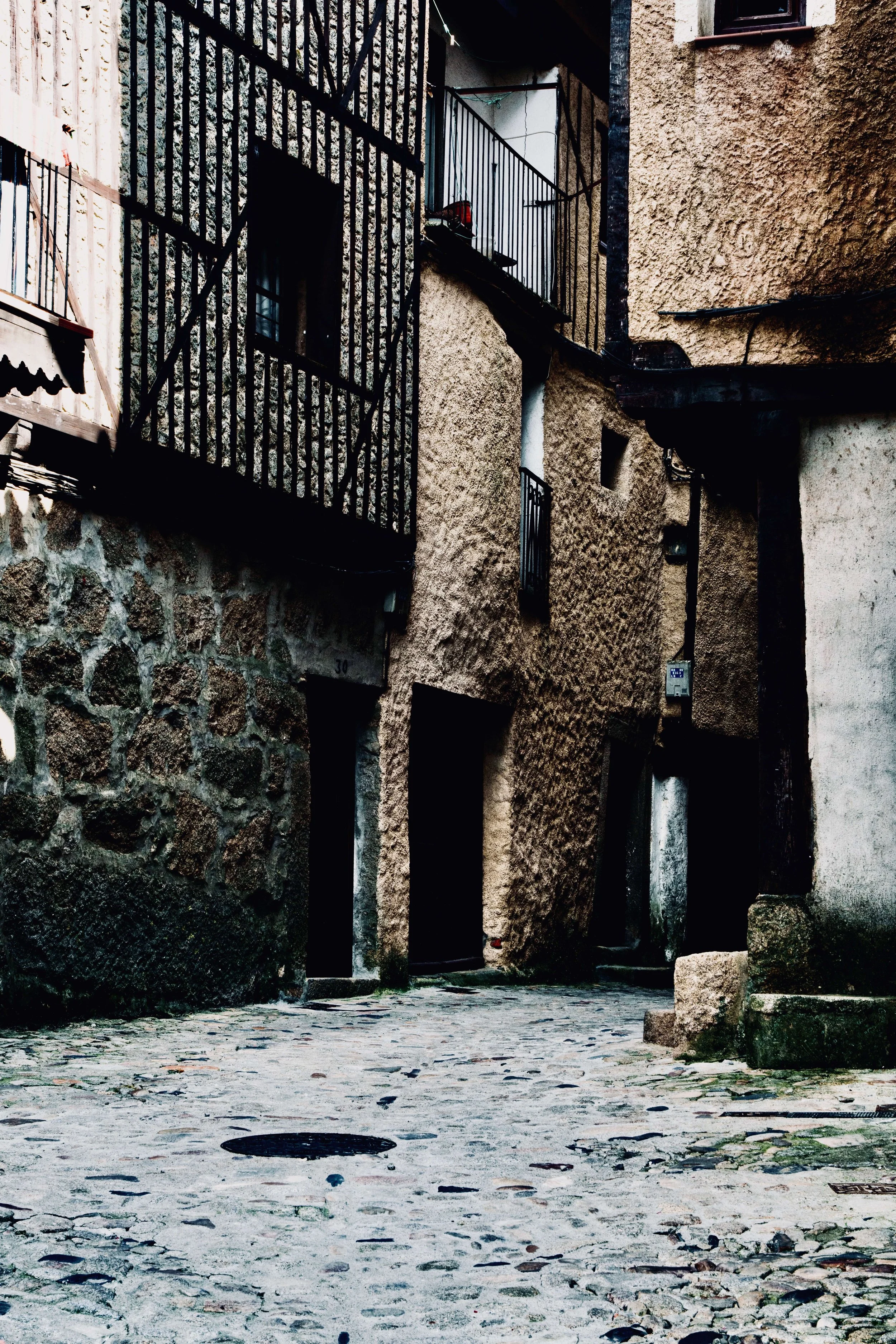
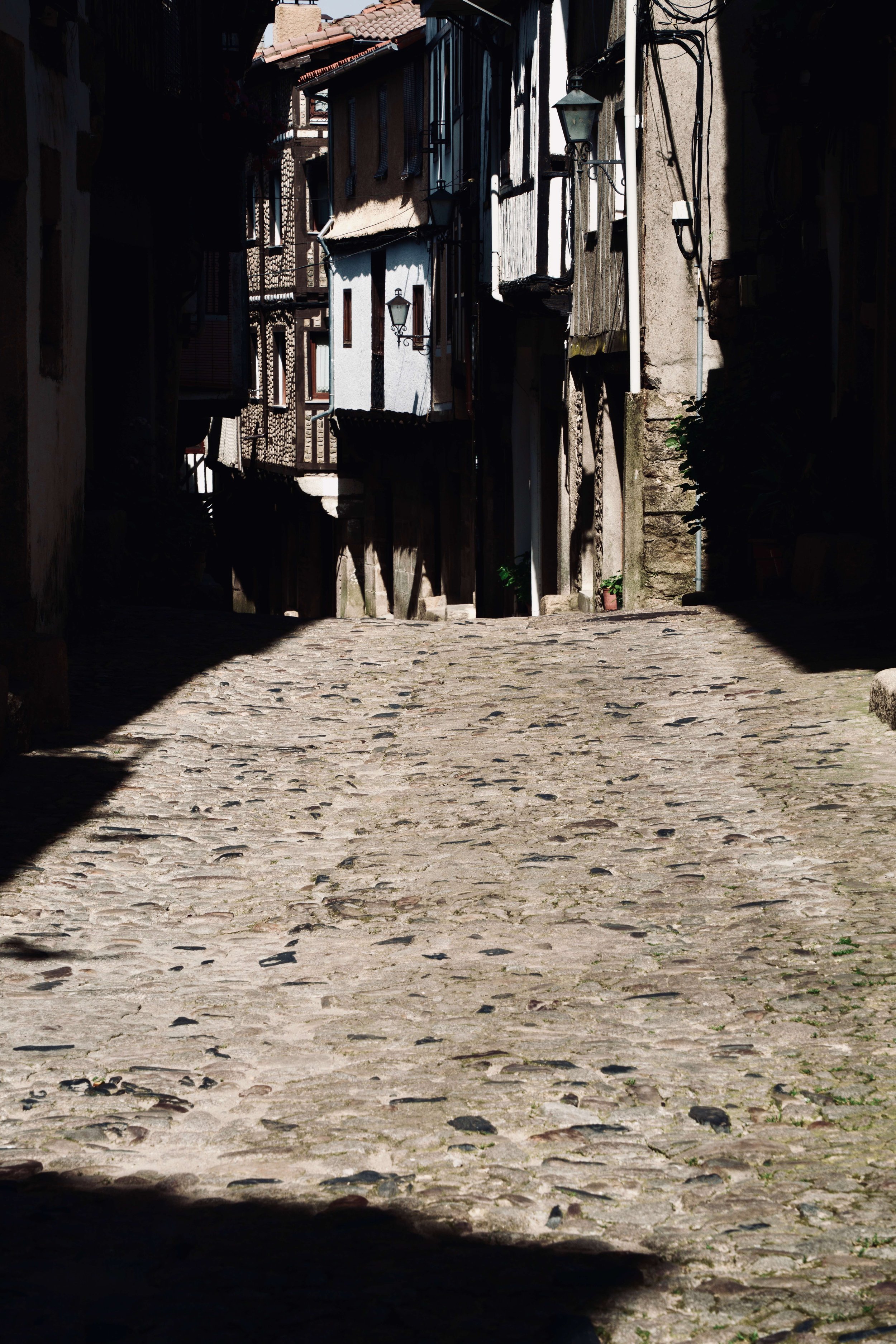
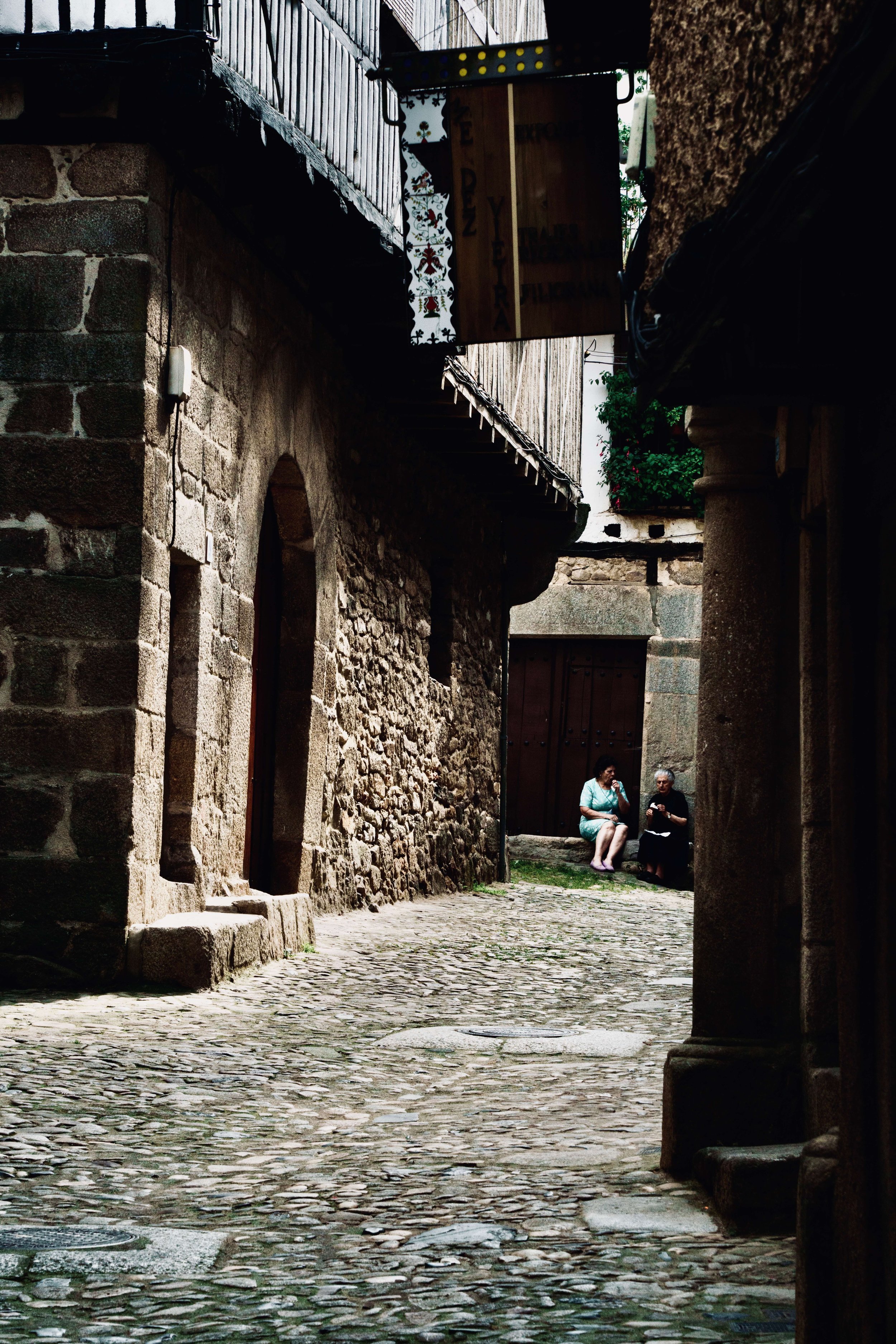
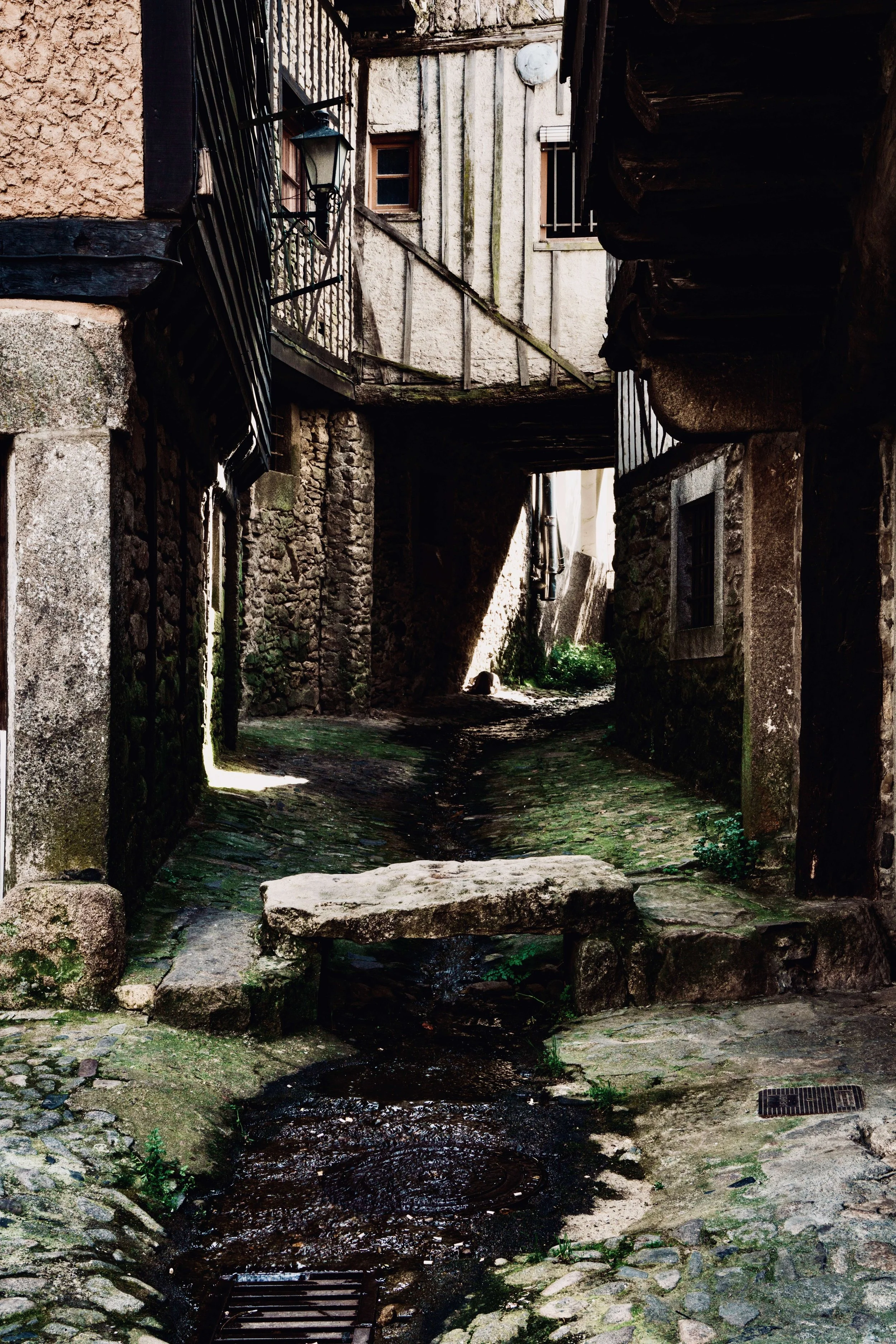
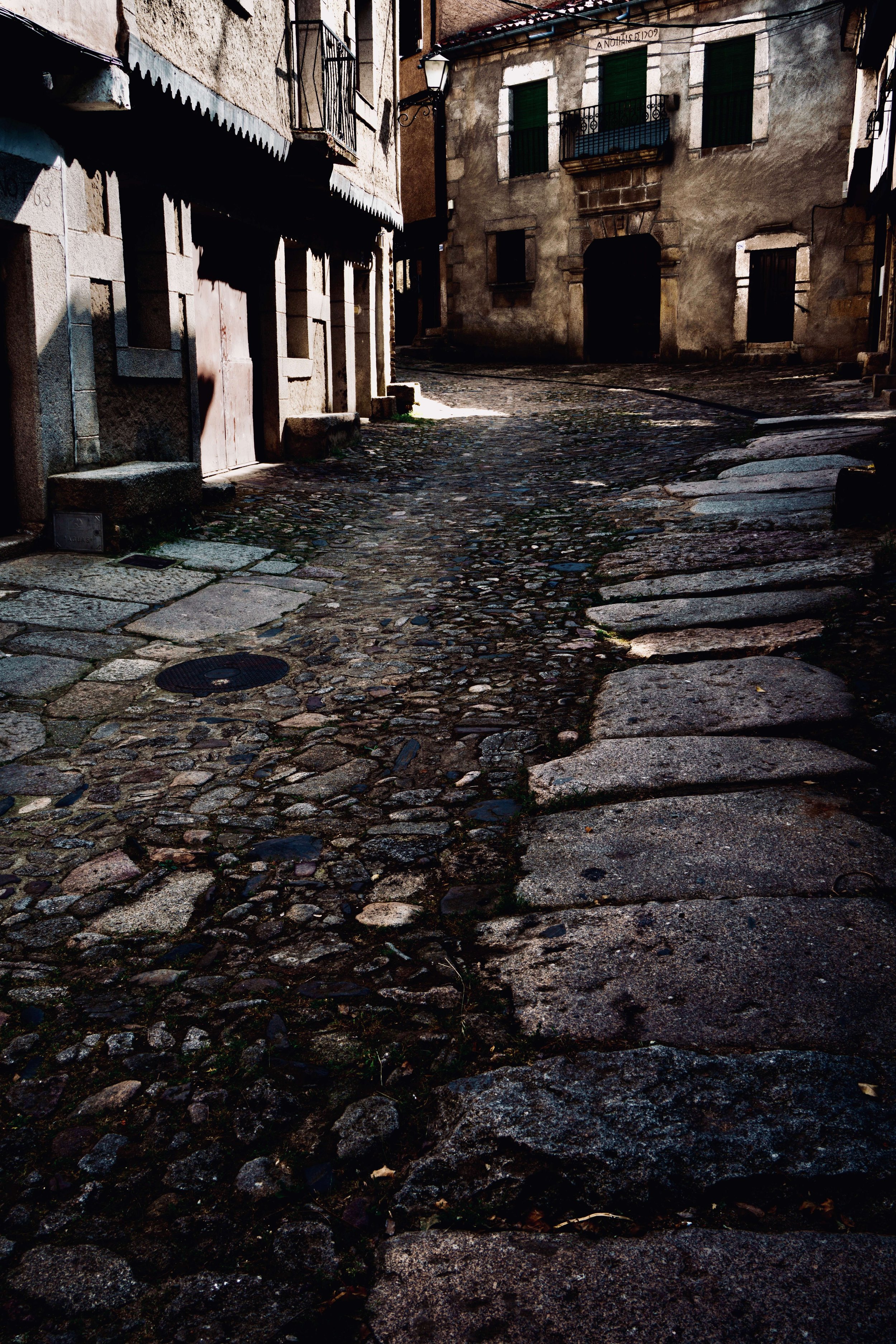
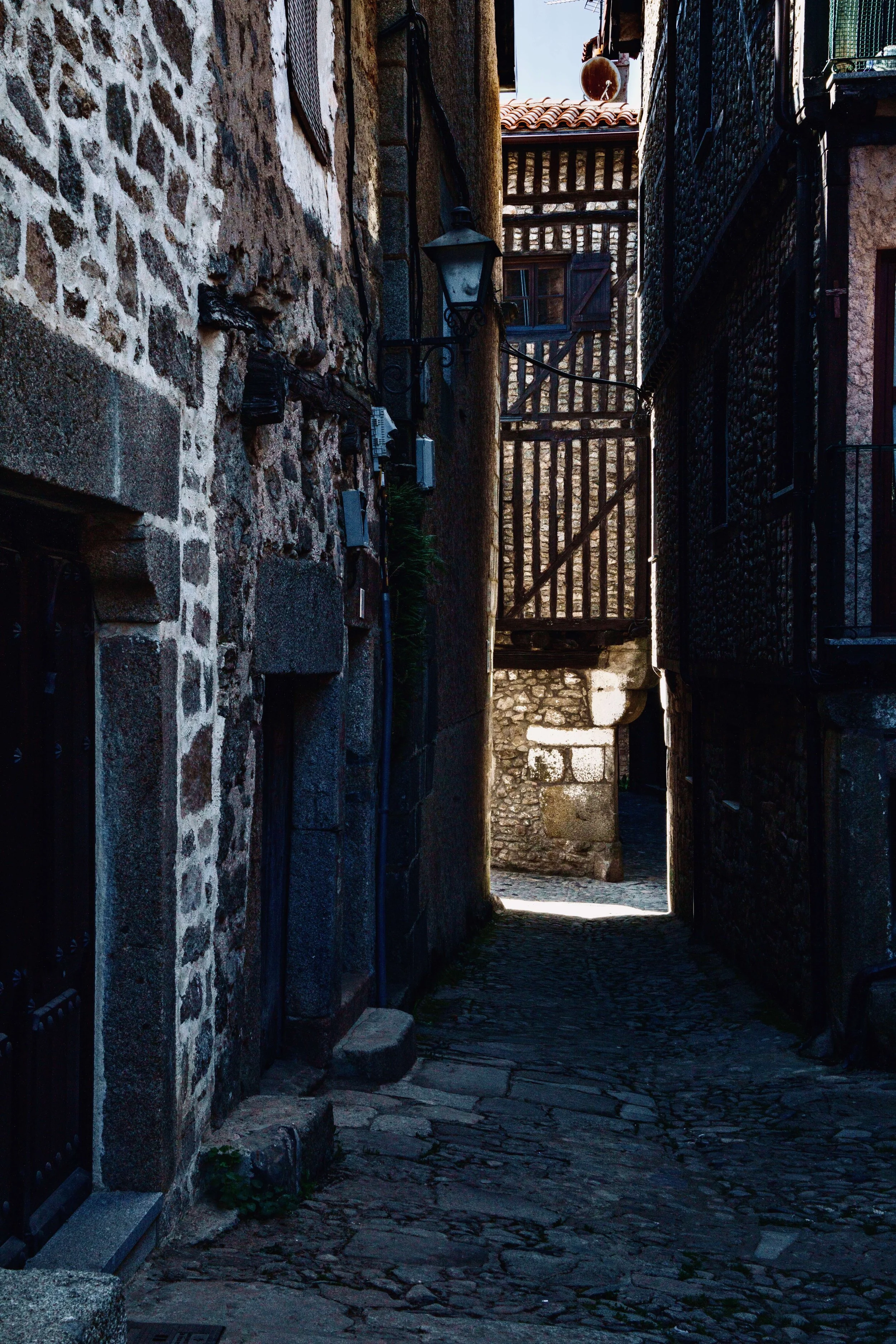
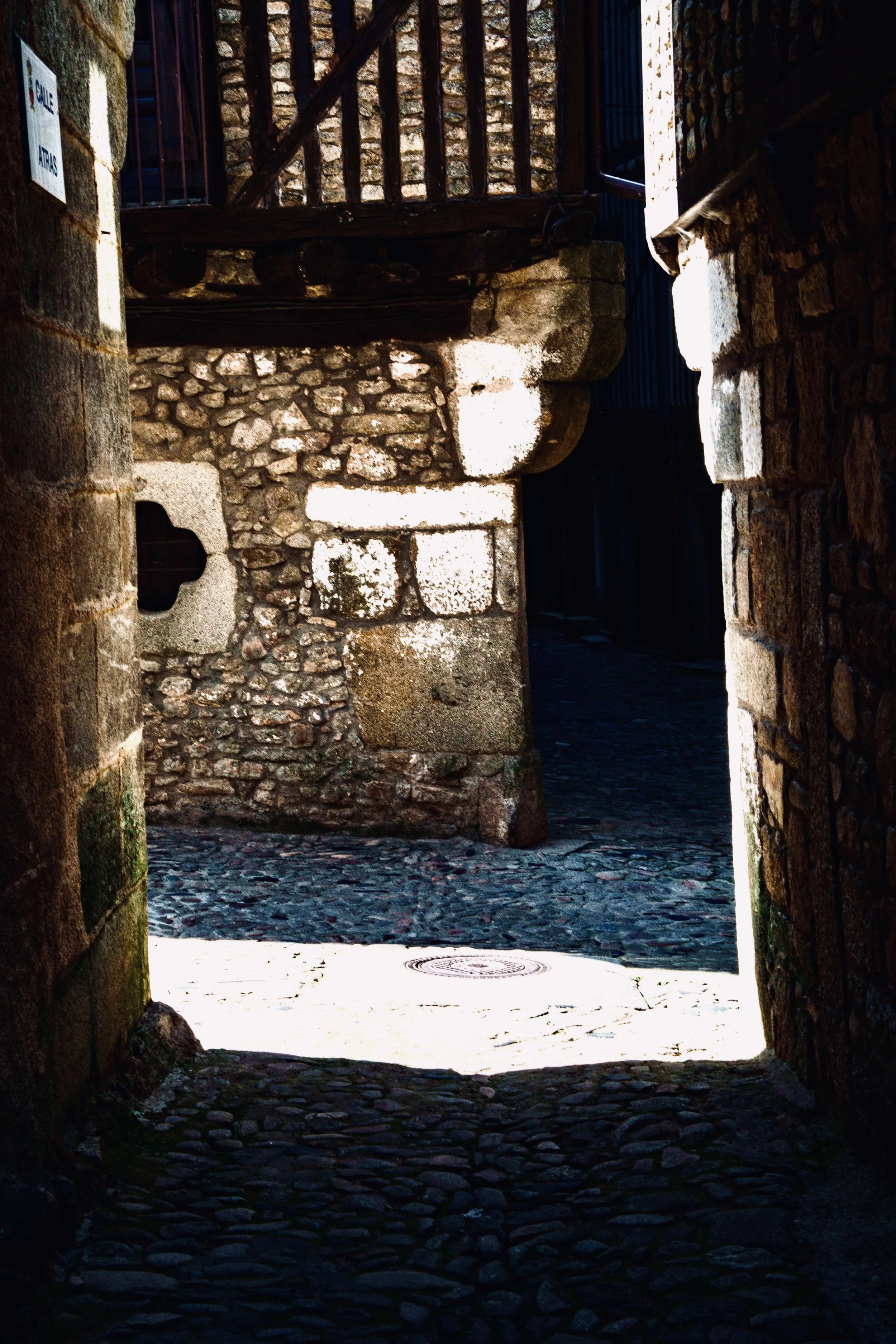
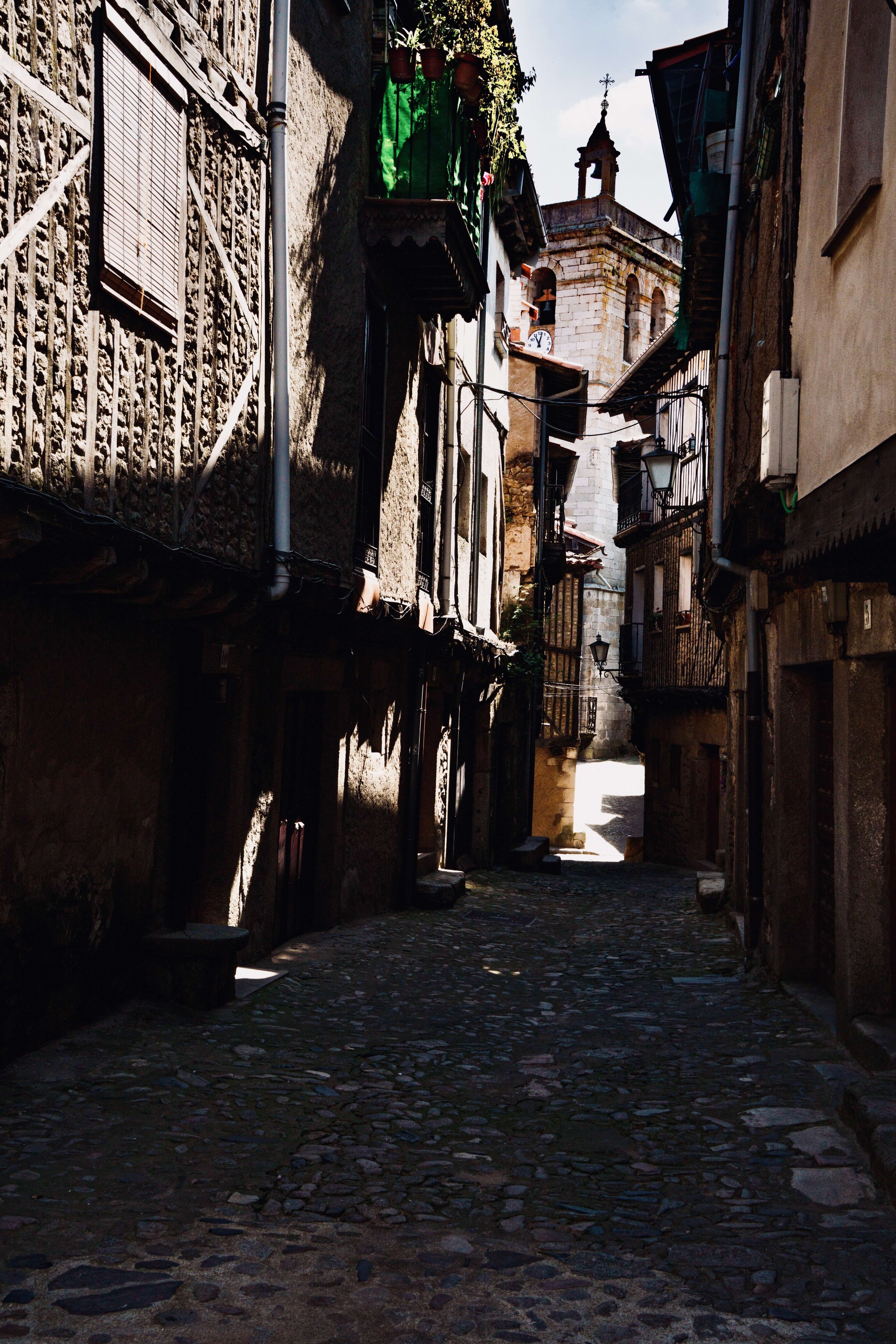
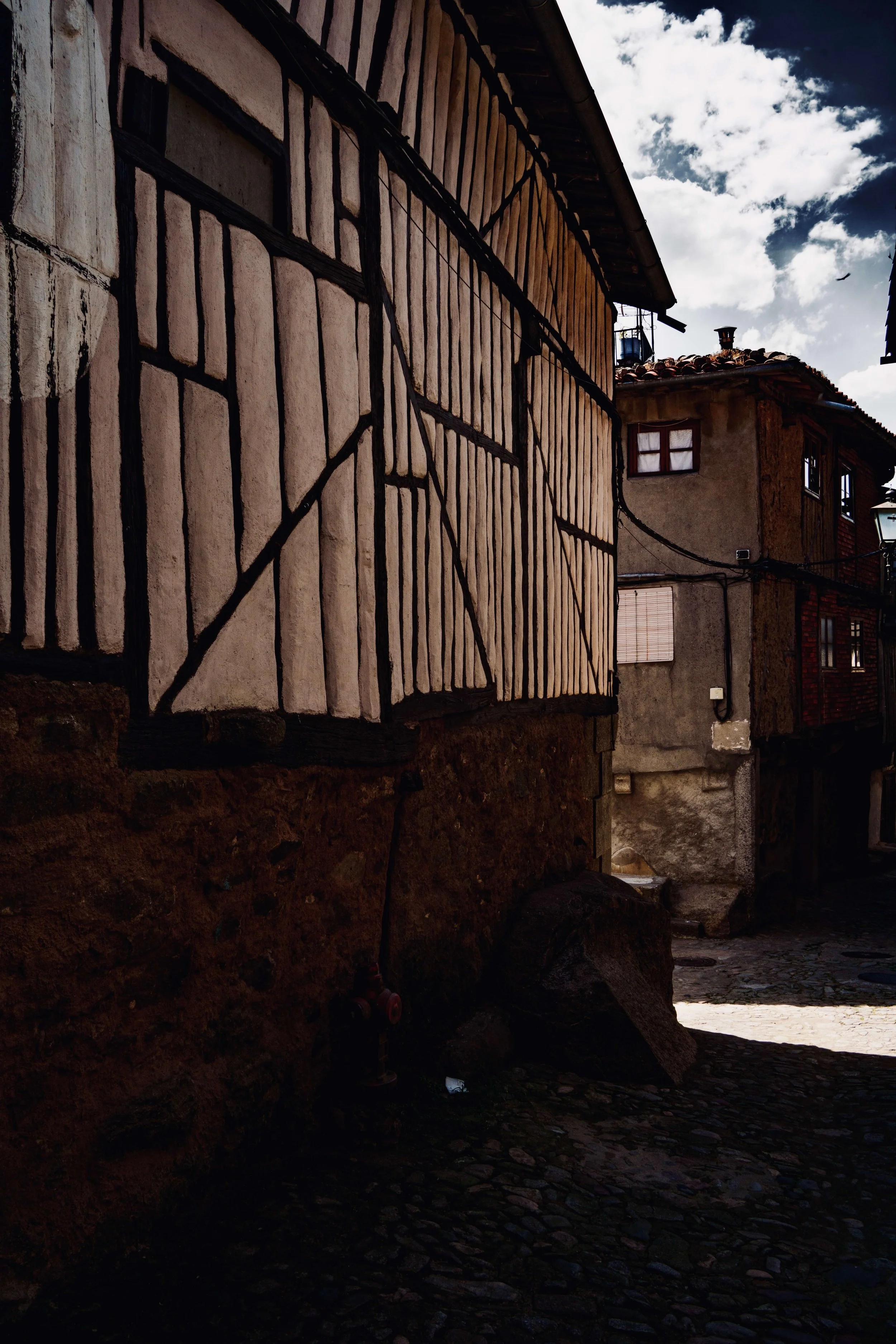
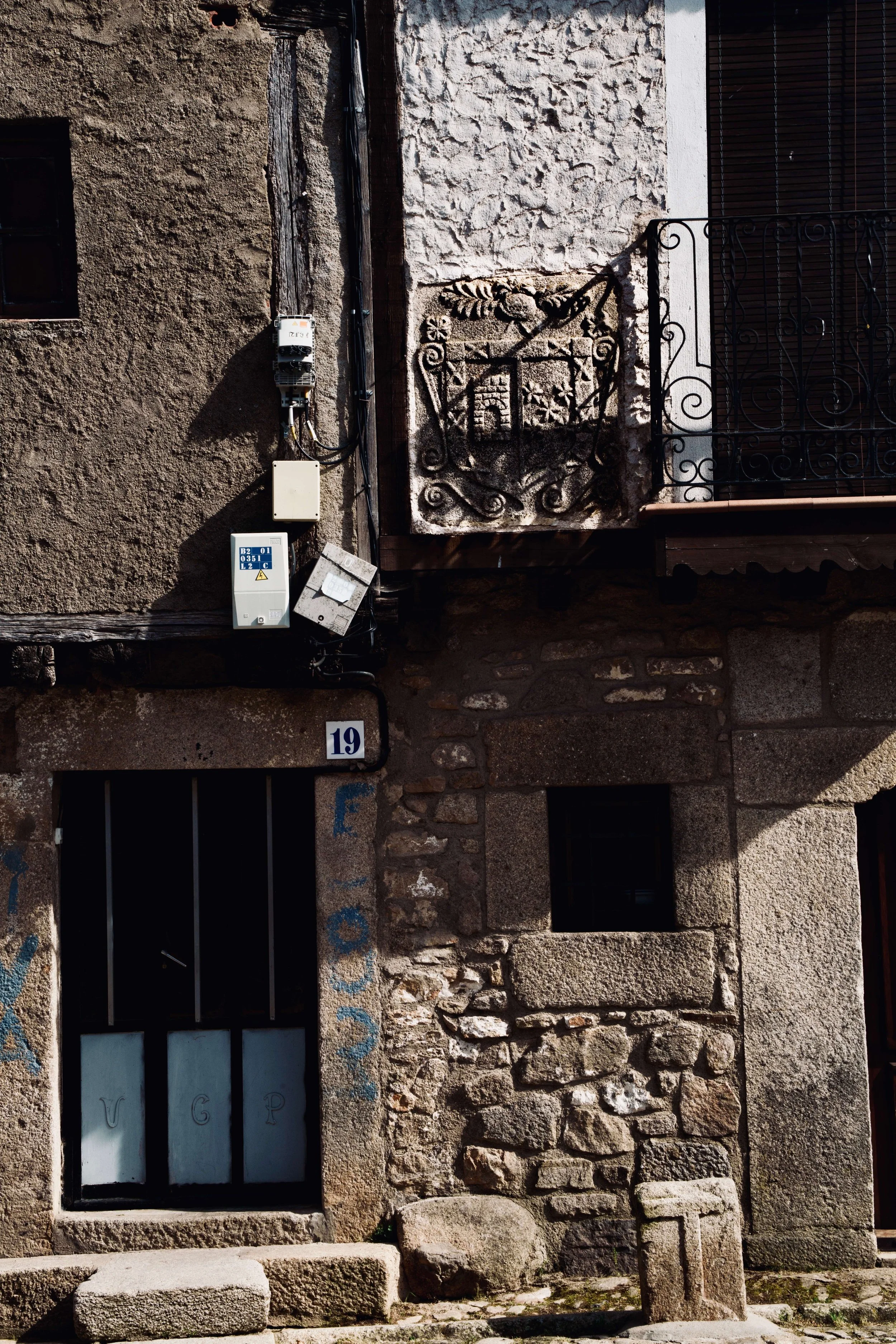
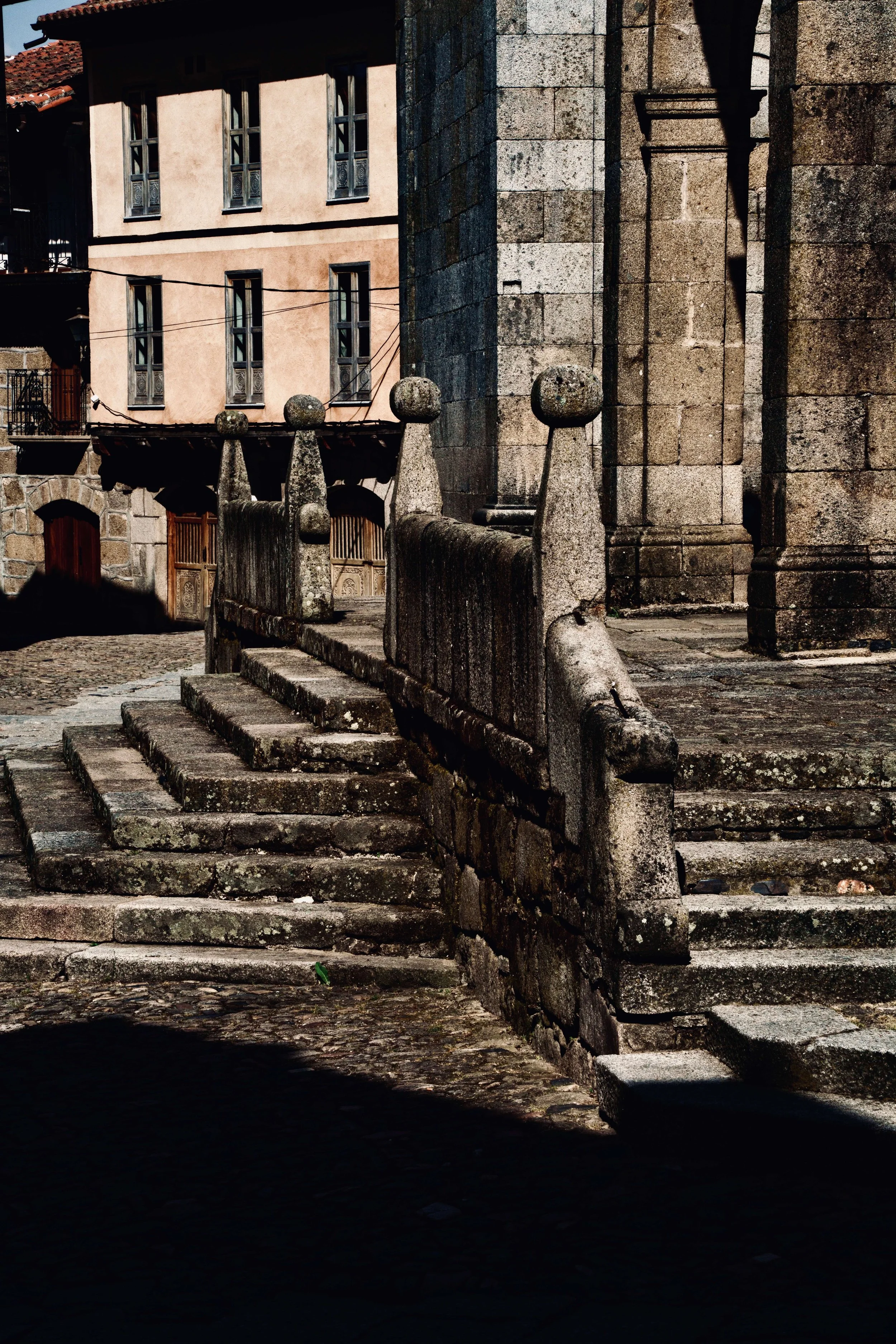
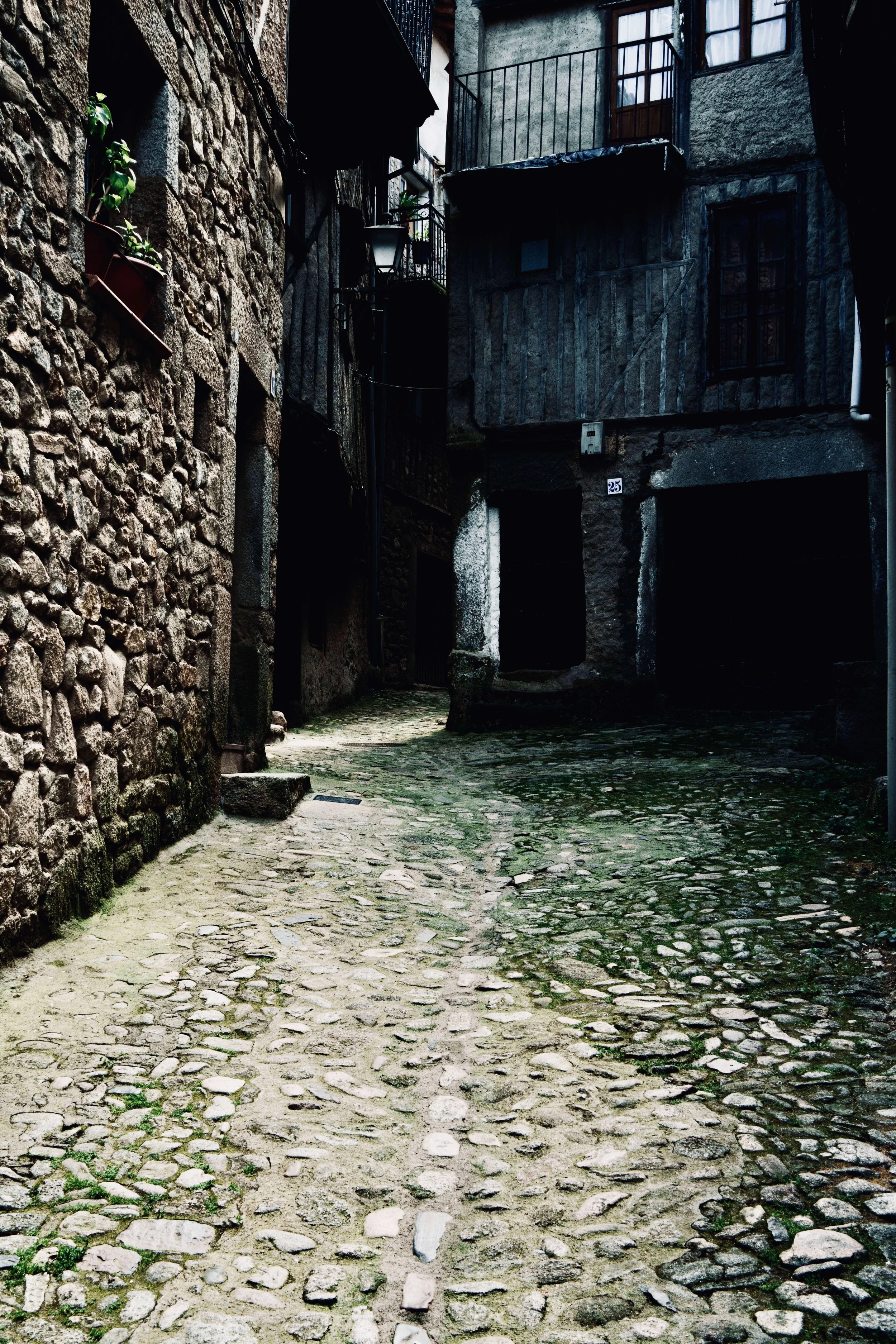
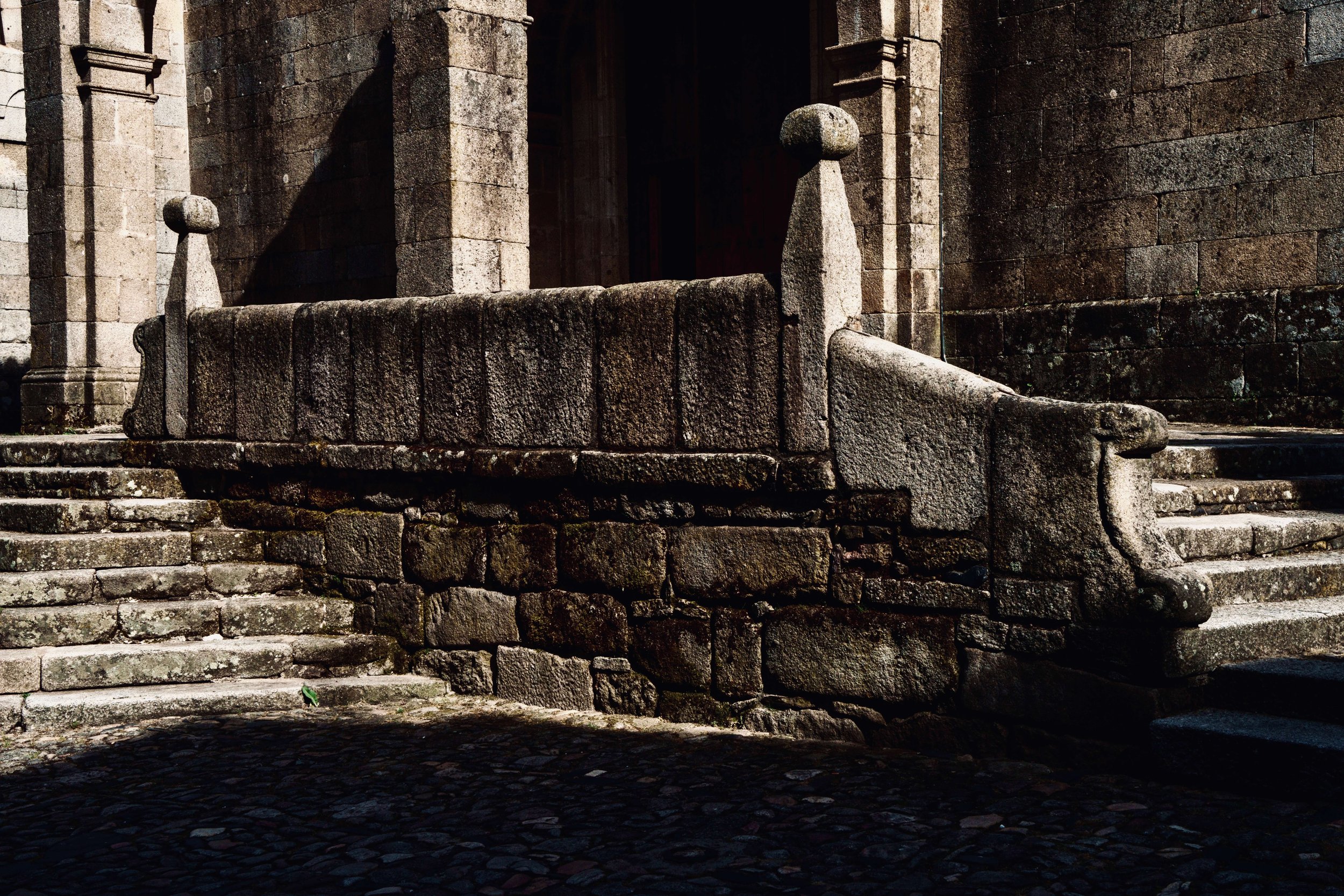
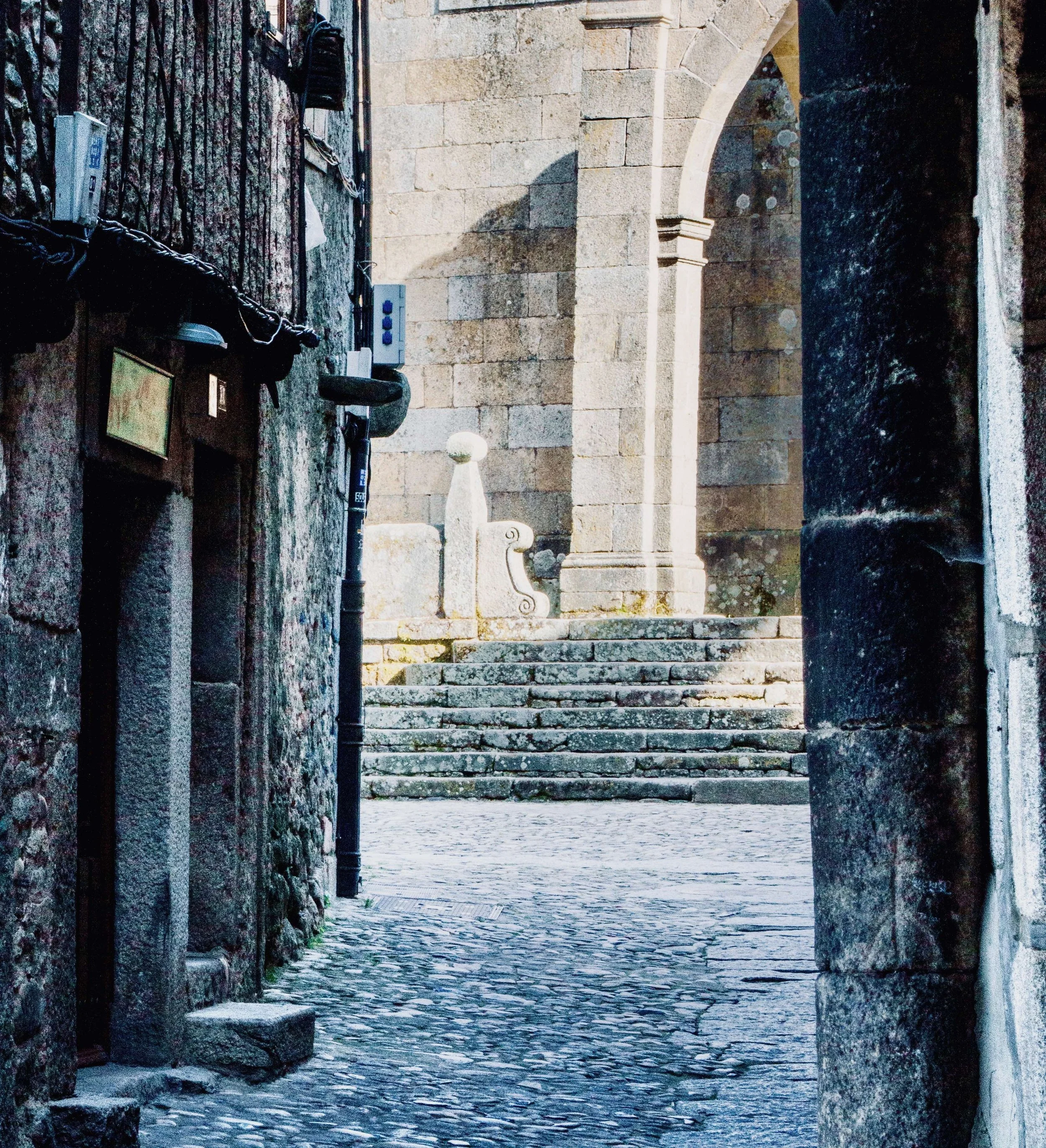
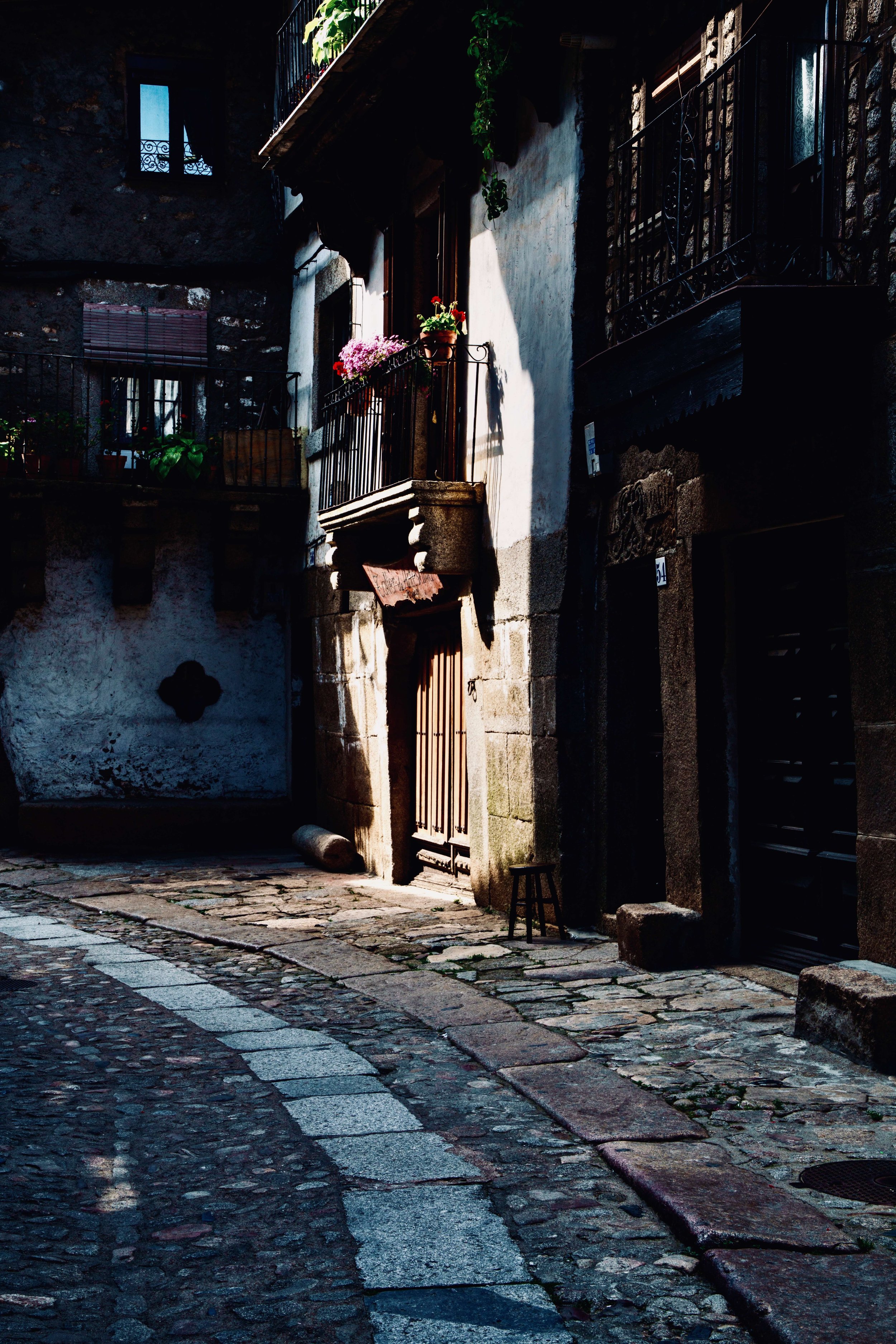
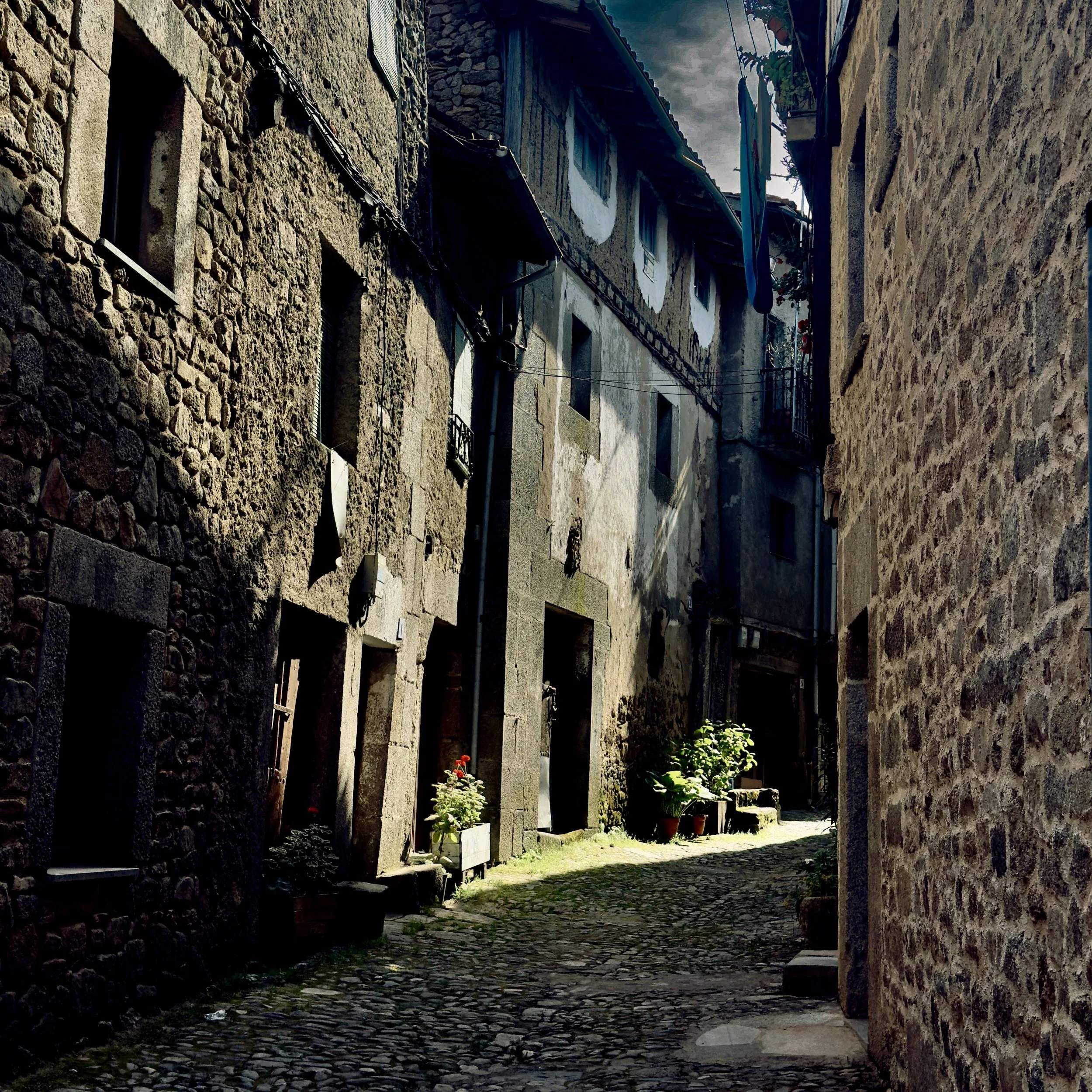
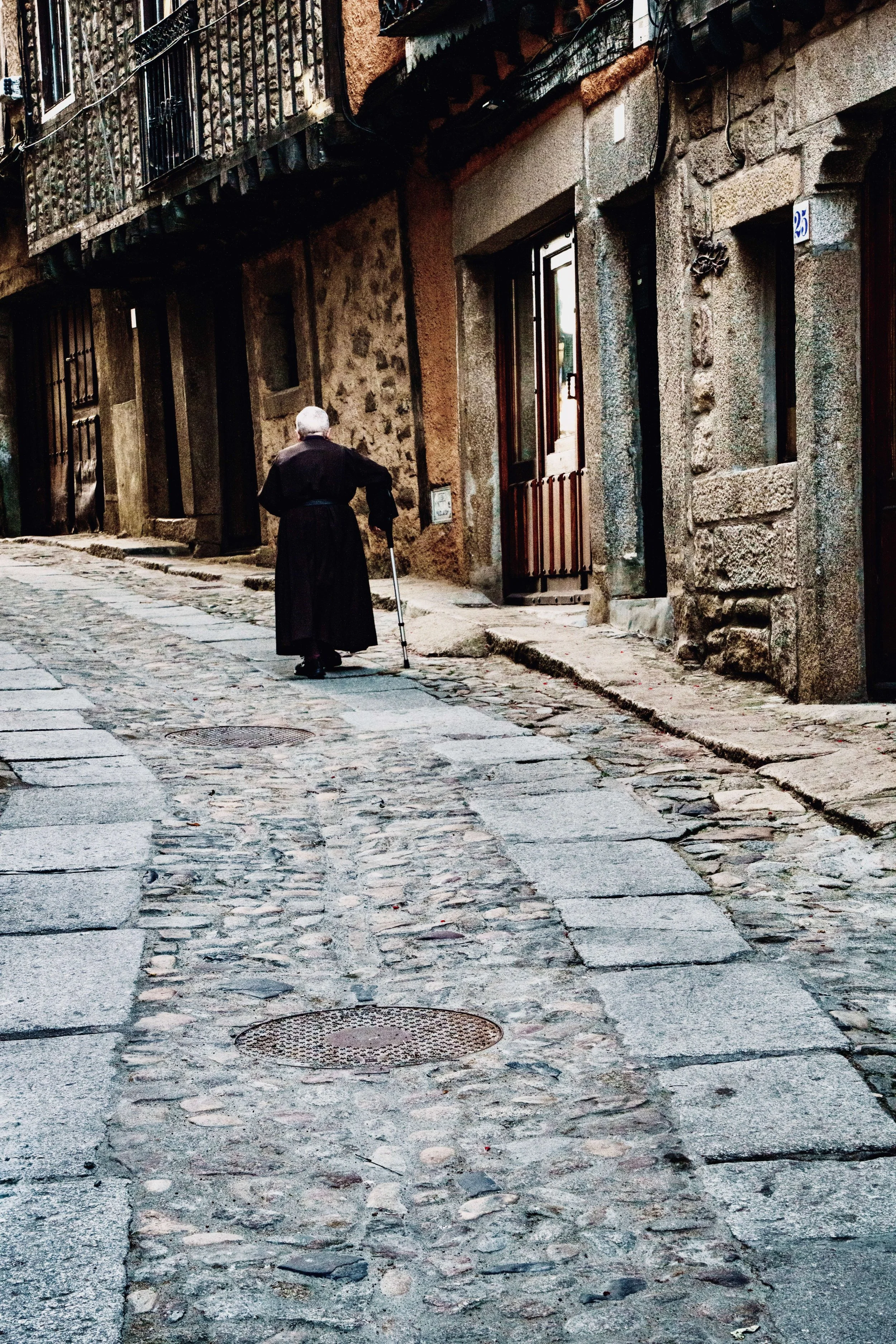
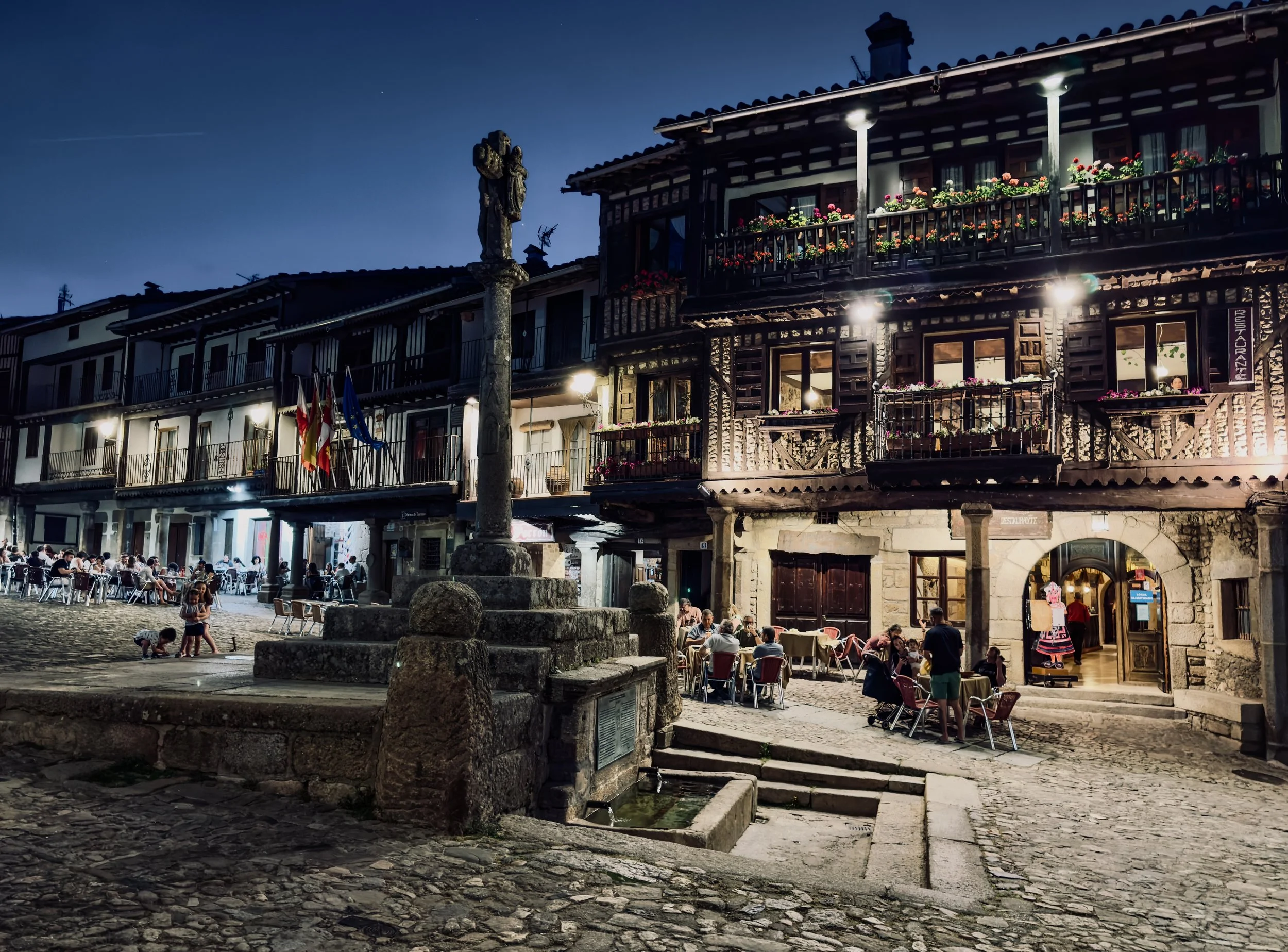
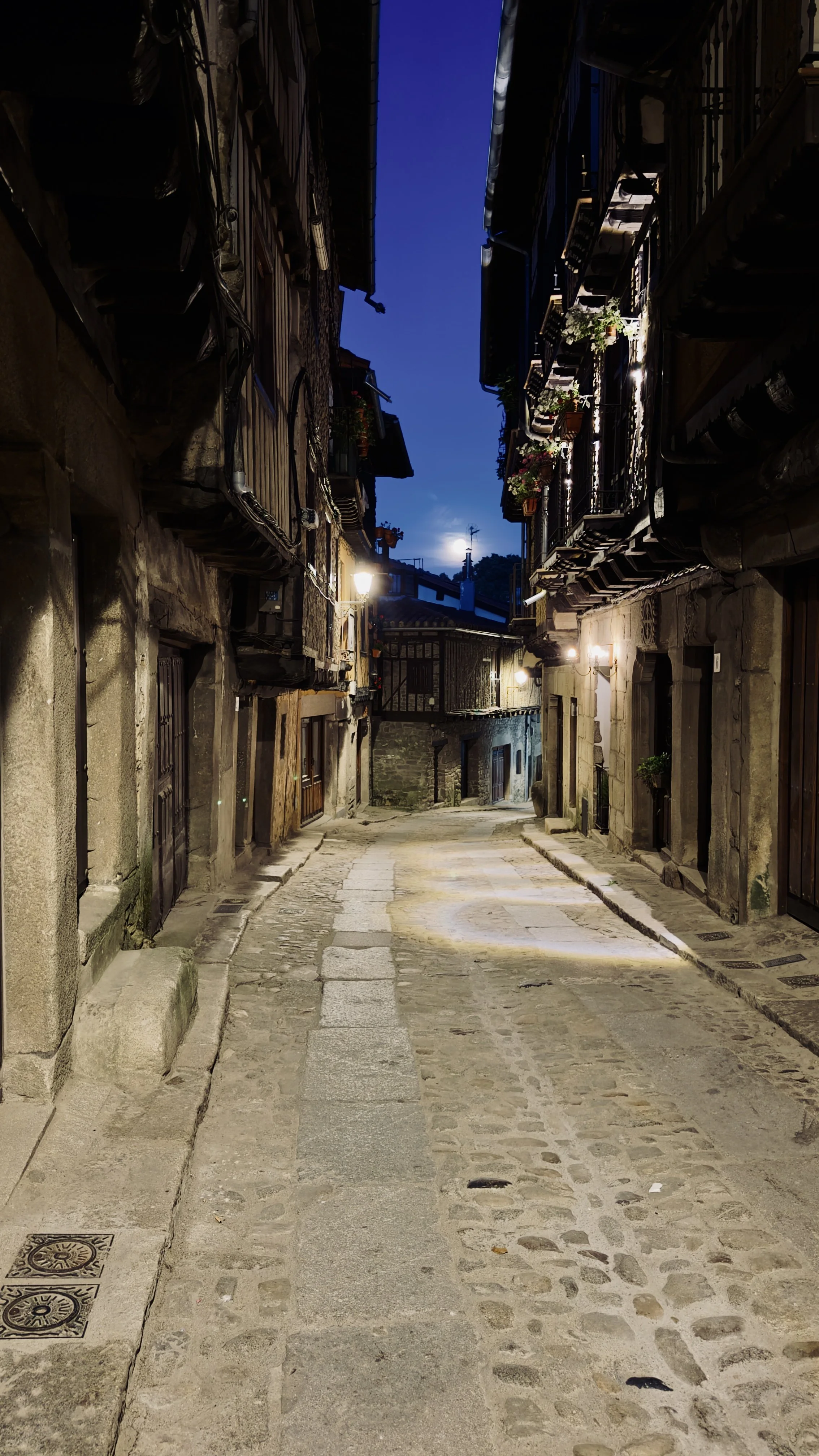
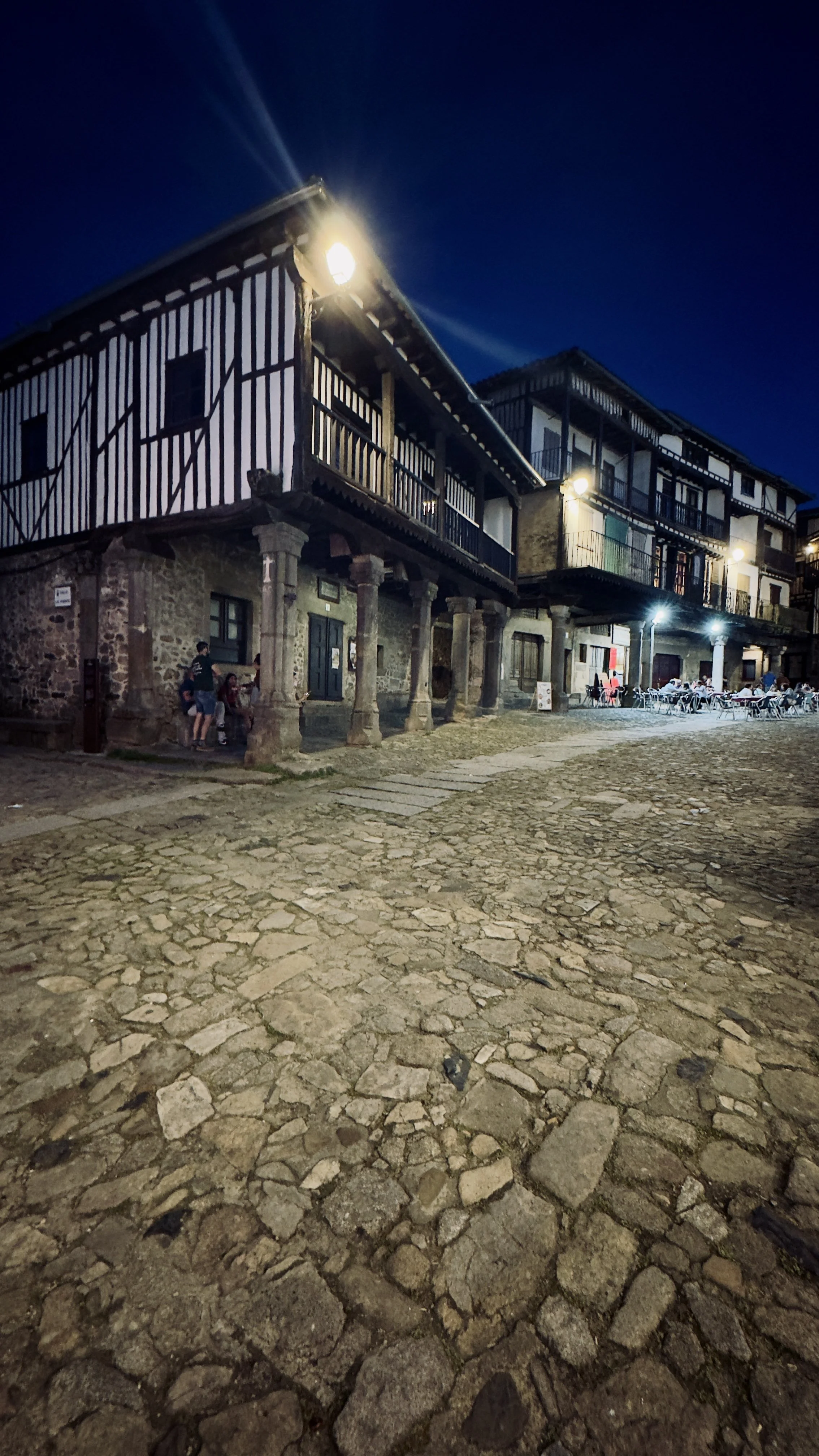
Located in the Sierra de Francia this pueblo was the first rural town in Spain to be declared a National Historic Monument. Its medieval architecture is characterised by stone and timber construction: the ground floors are typically built using local granite to provide structural stability, while the upper levels feature interwoven half-timbering with adobe or brick infill. Upper floors frequently cantilever outward, which shades the narrow, cobblestone streets below. The half-timbered style is historically attributed to French immigrants and settlers who populated the area centuries ago.
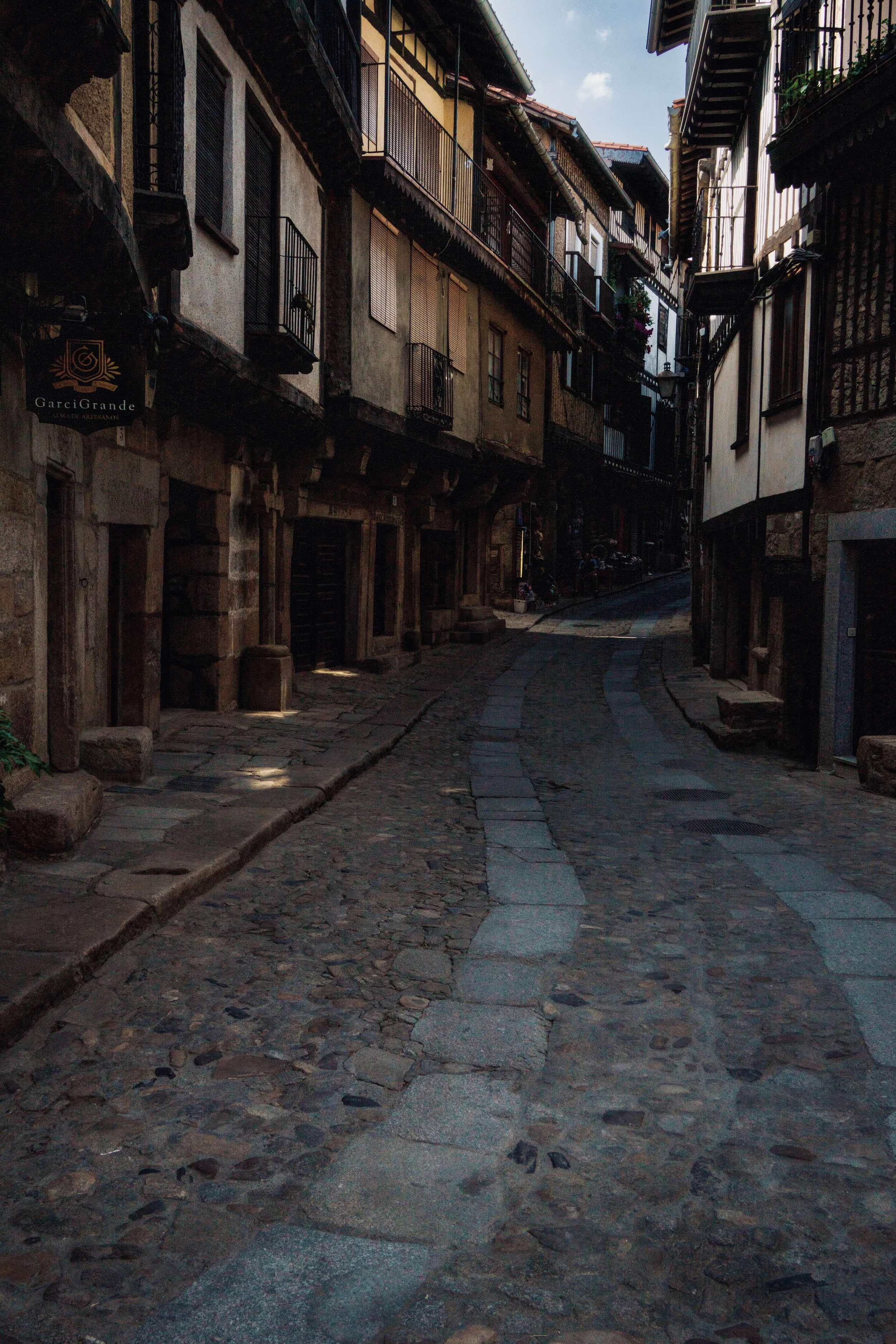
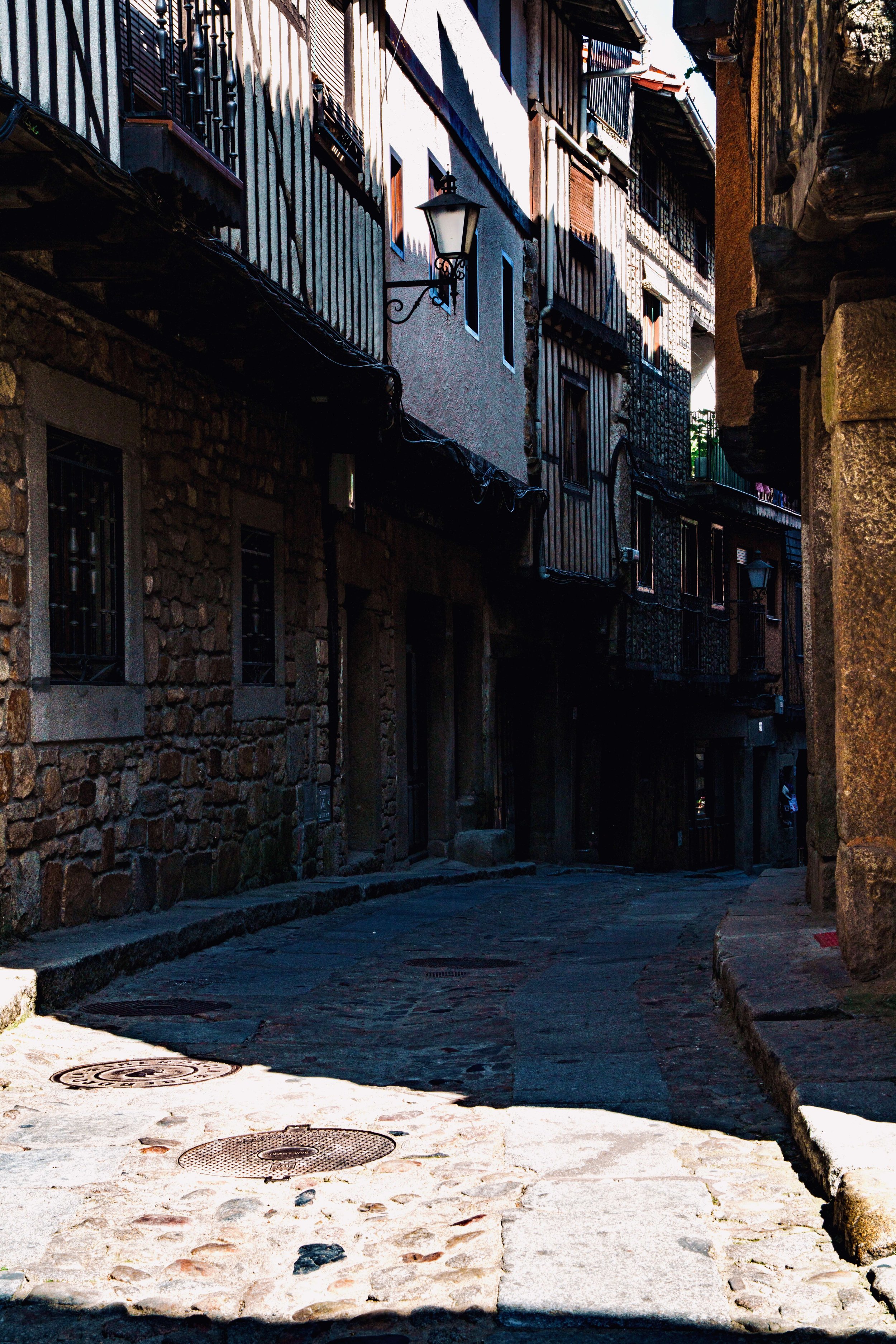
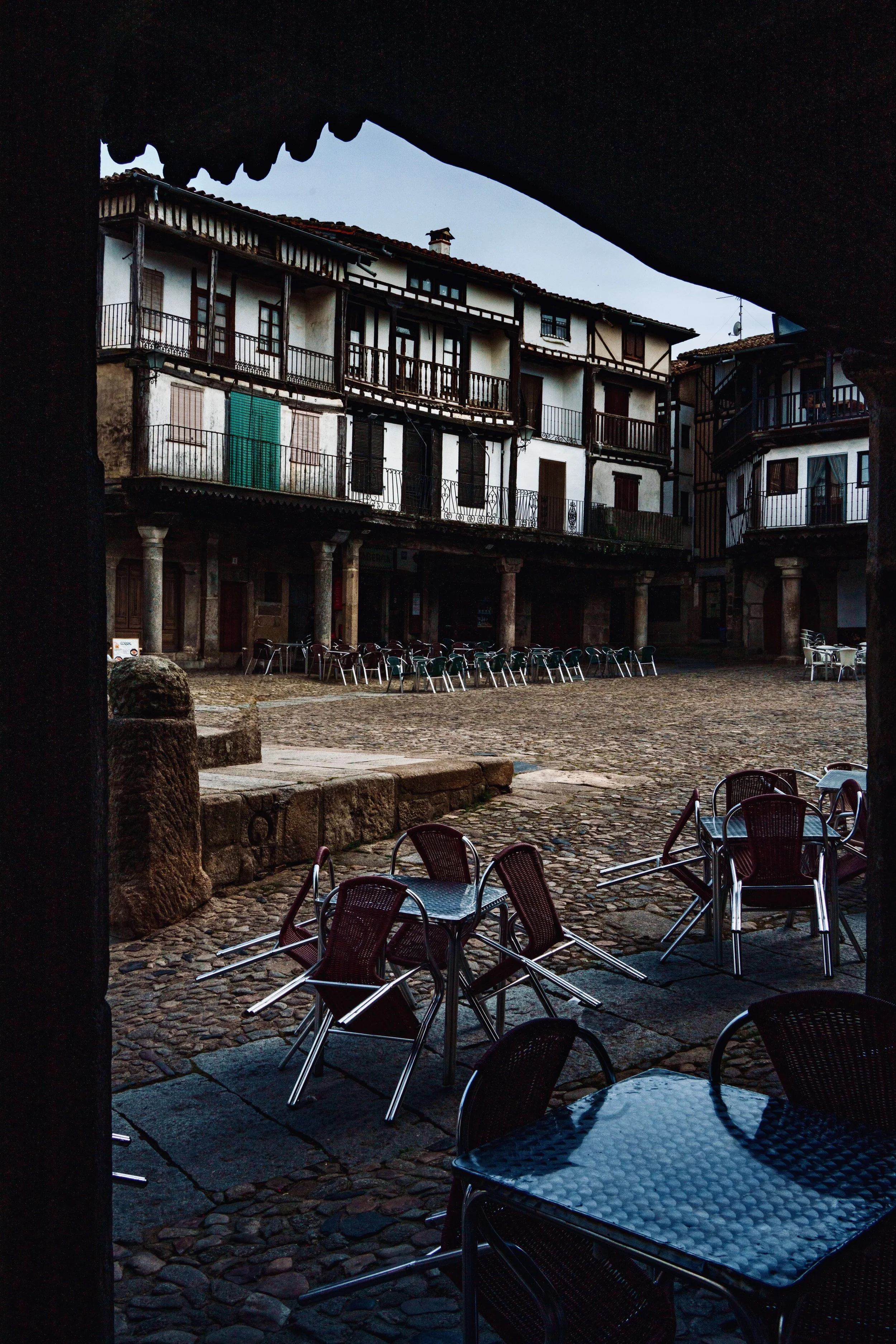
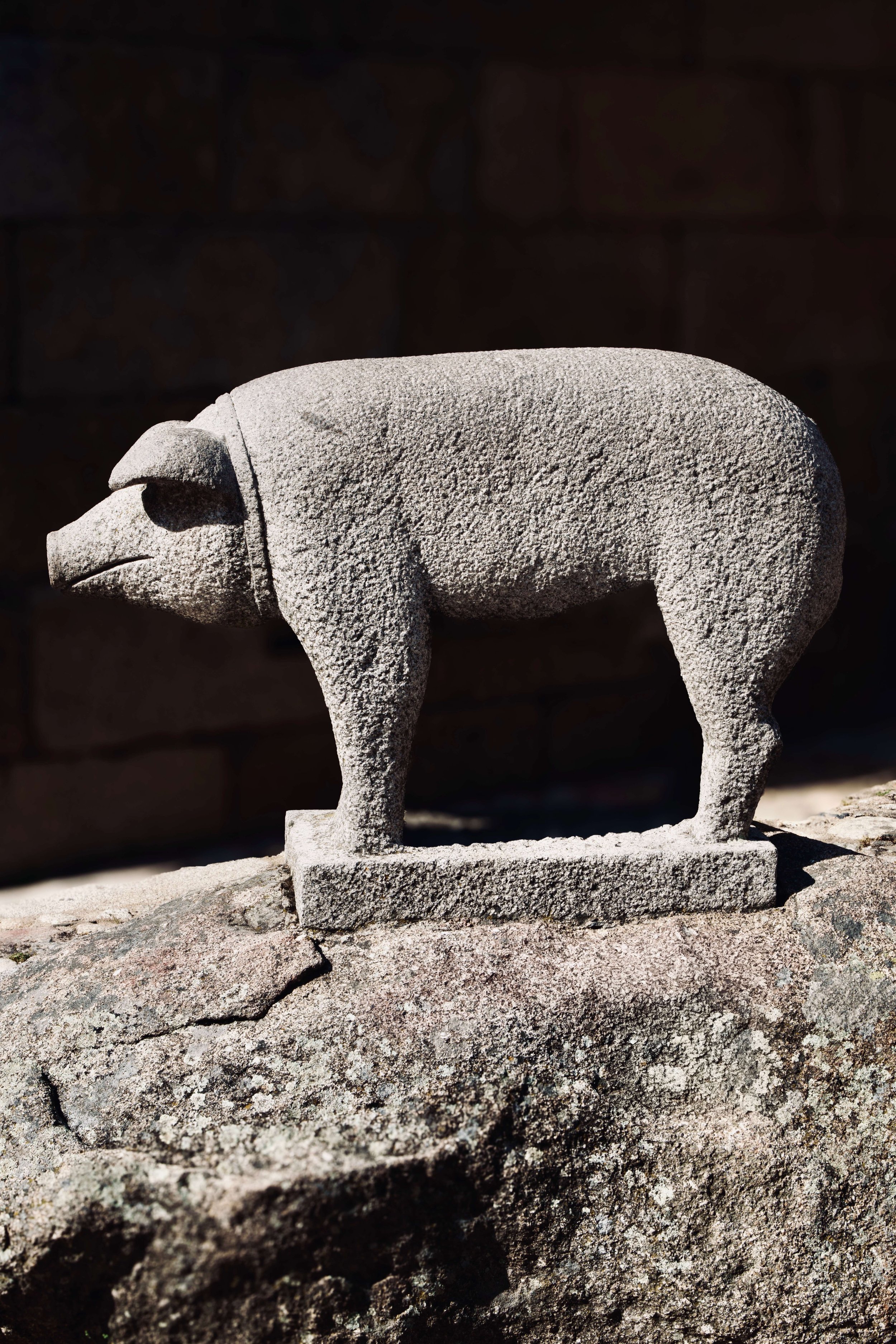
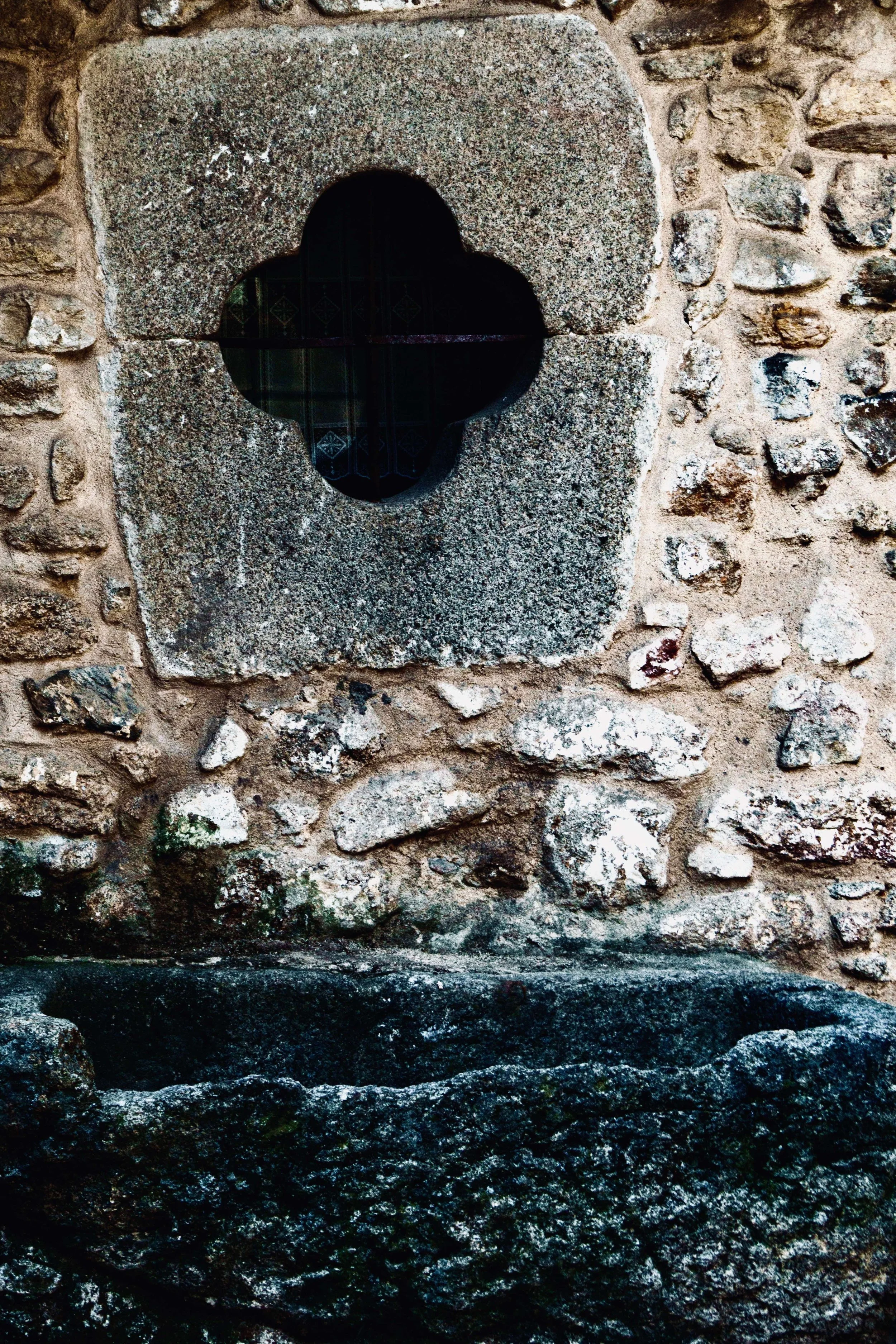
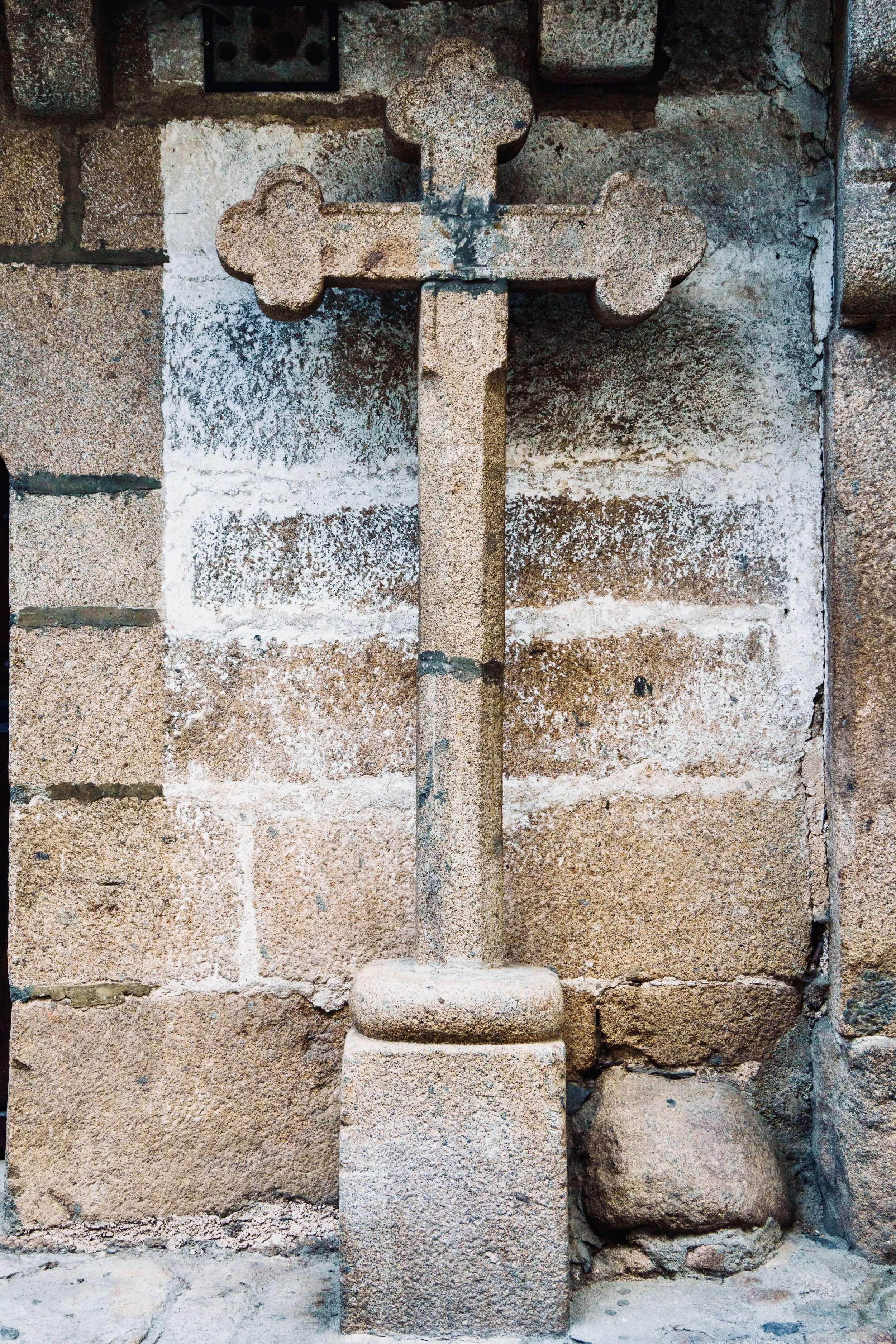
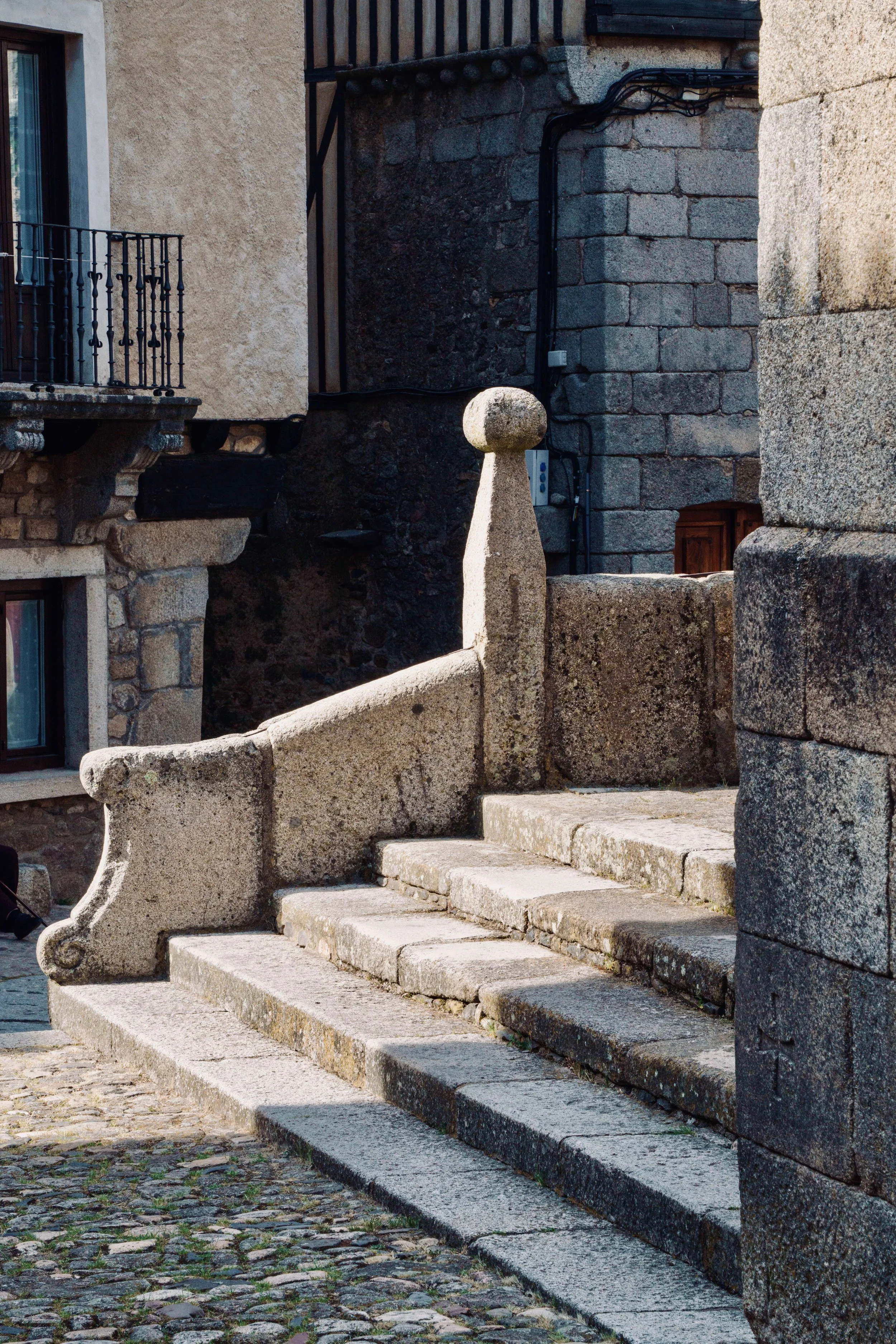
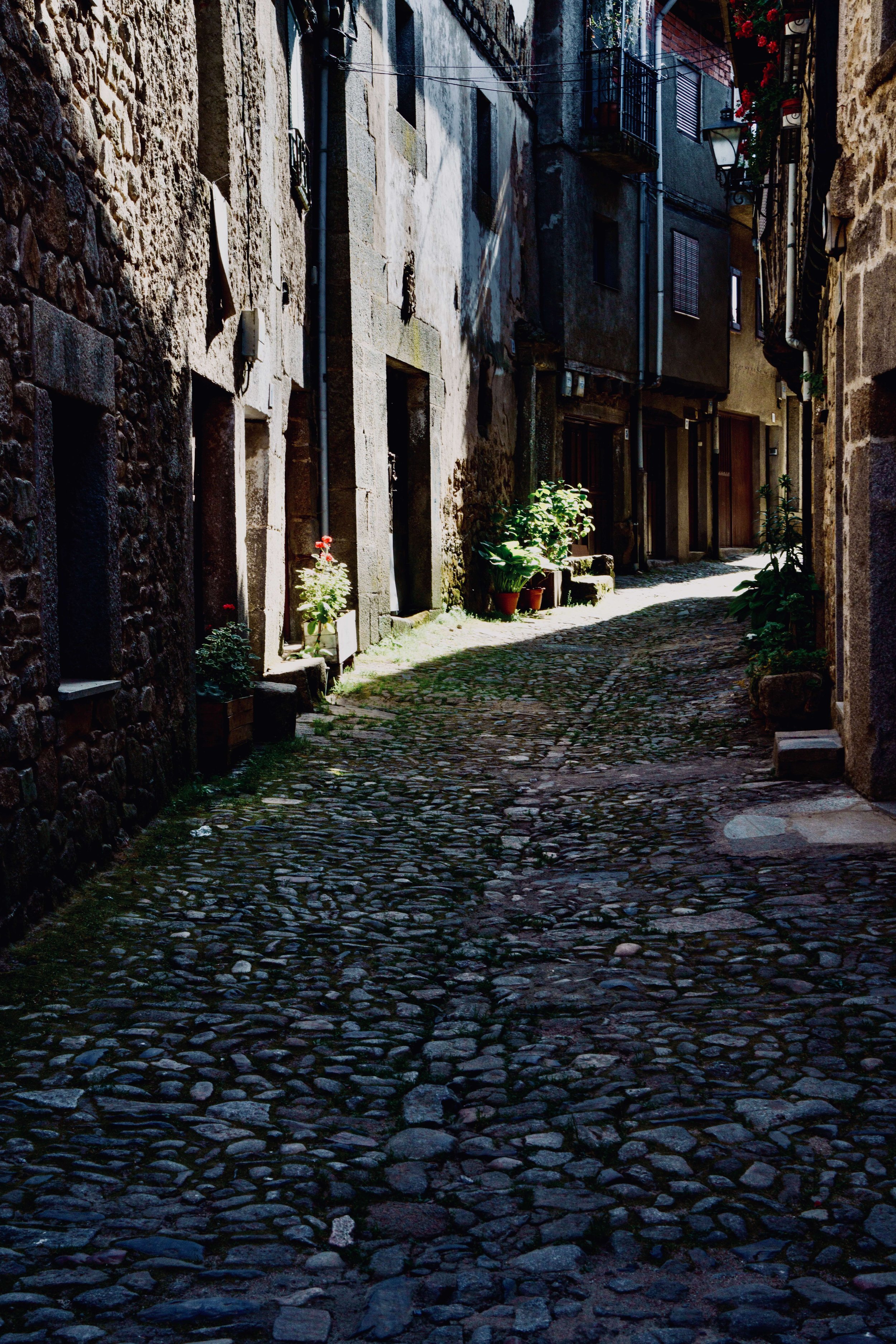
We arrived in La Alberca in the middle of the afternoon and checked into the Doña Teresa just as the last of a wedding party was drifting away, leaving behind an air of celebration. We walked up the hill into town; it was delightful. Each street seemed more picturesque than the last, with dappled sunlight and cool shade drawing us onward. Weathered wood, lime-washed plaster, and rough-hewn granite gave the village a timeless character. The local fable of the marrano of San Antón—the village pig that once wandered the streets wearing a bell and was fed by the townspeople—was, the locals told us, largely a story for tourists these days. Whatever truth there may once have been in the tradition, it was no longer really practised. The town really did have a French feel; it could have been anywhere in southwestern France. The combination of stone, timber, plaster, and the intimate scale of the streets created an atmosphere that, at first glance, felt more French than Spanish, despite its unmistakably Castilian setting.