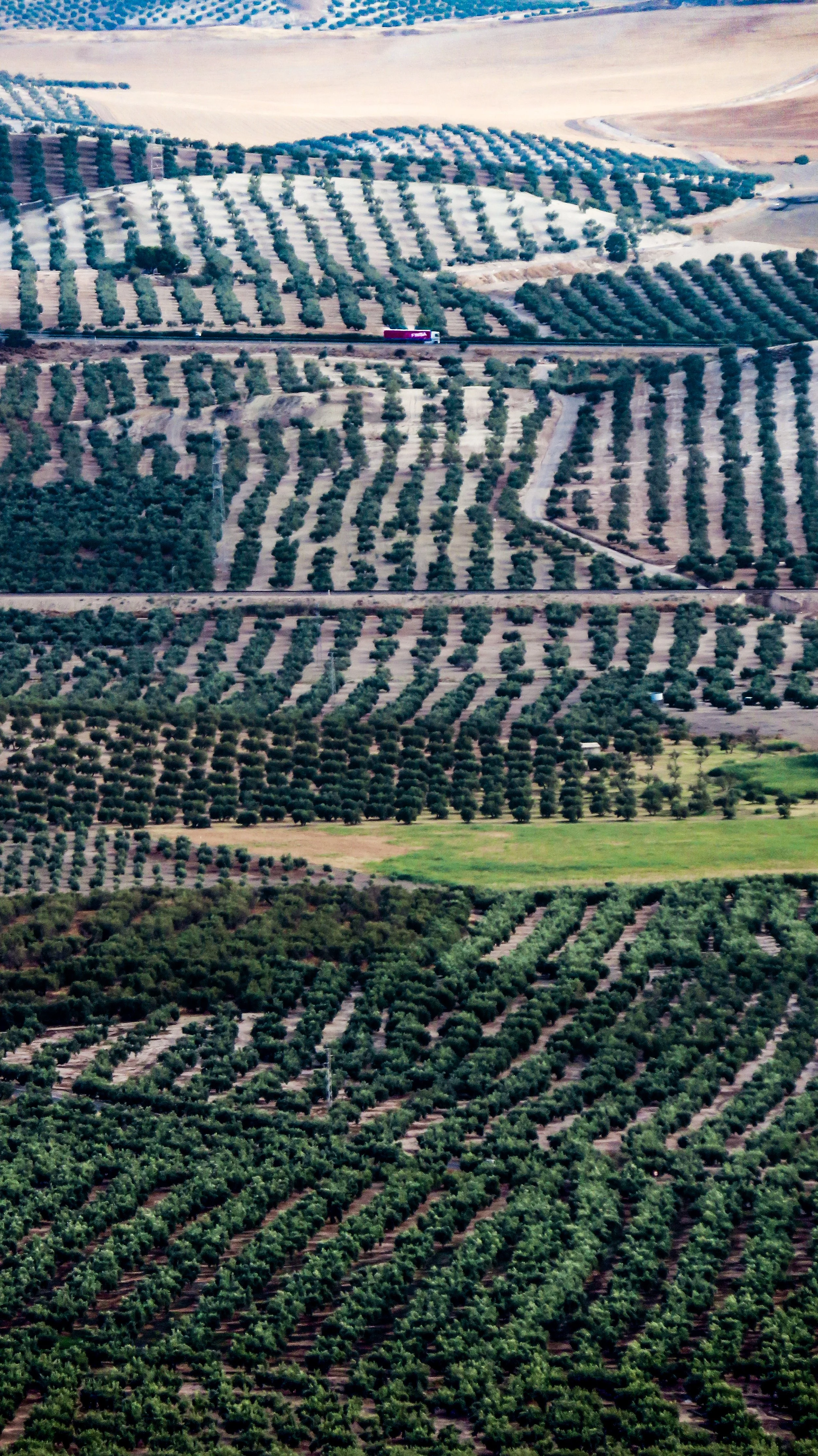
Jaén - provincia de Jaén M2 - 2015
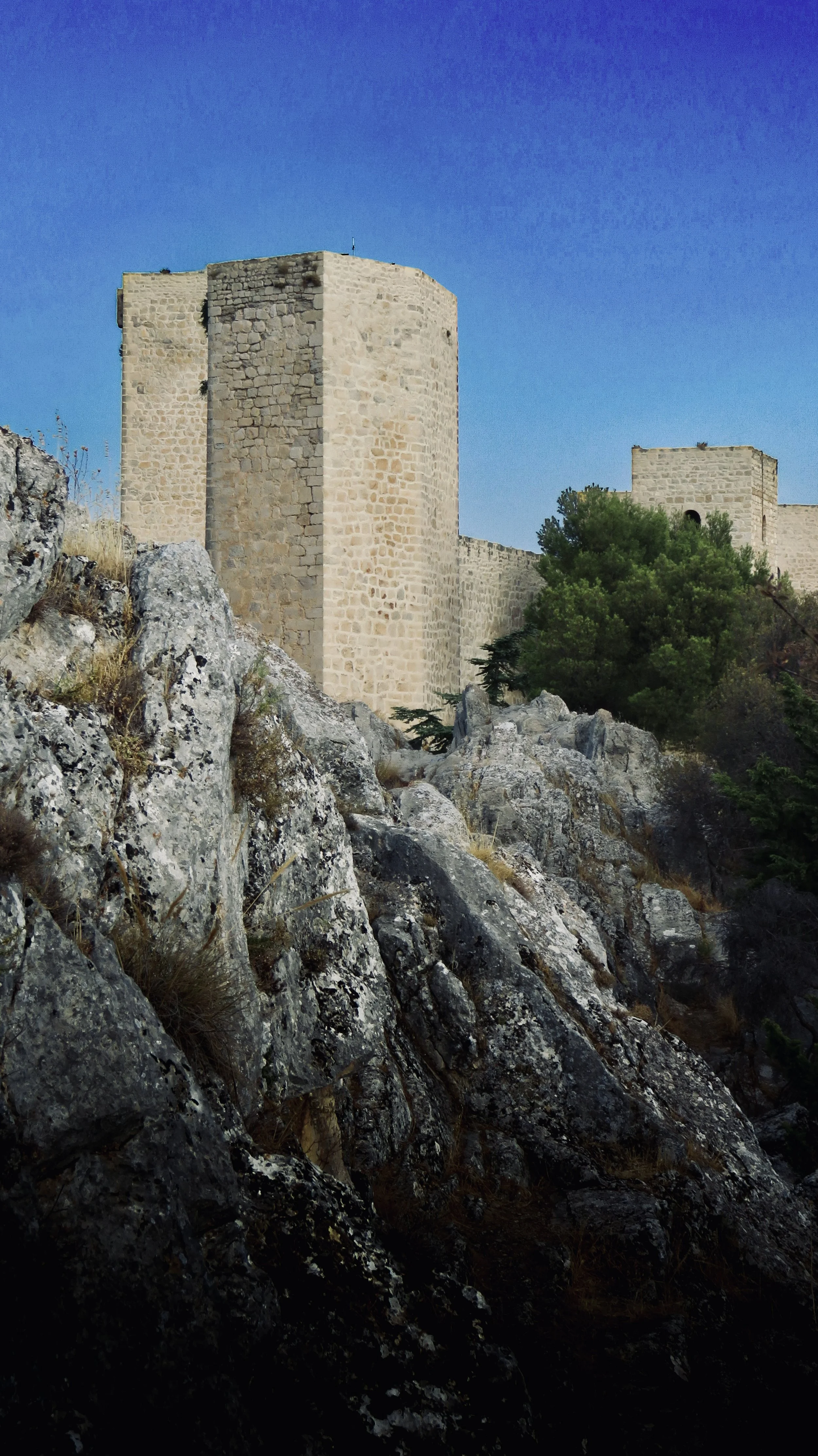
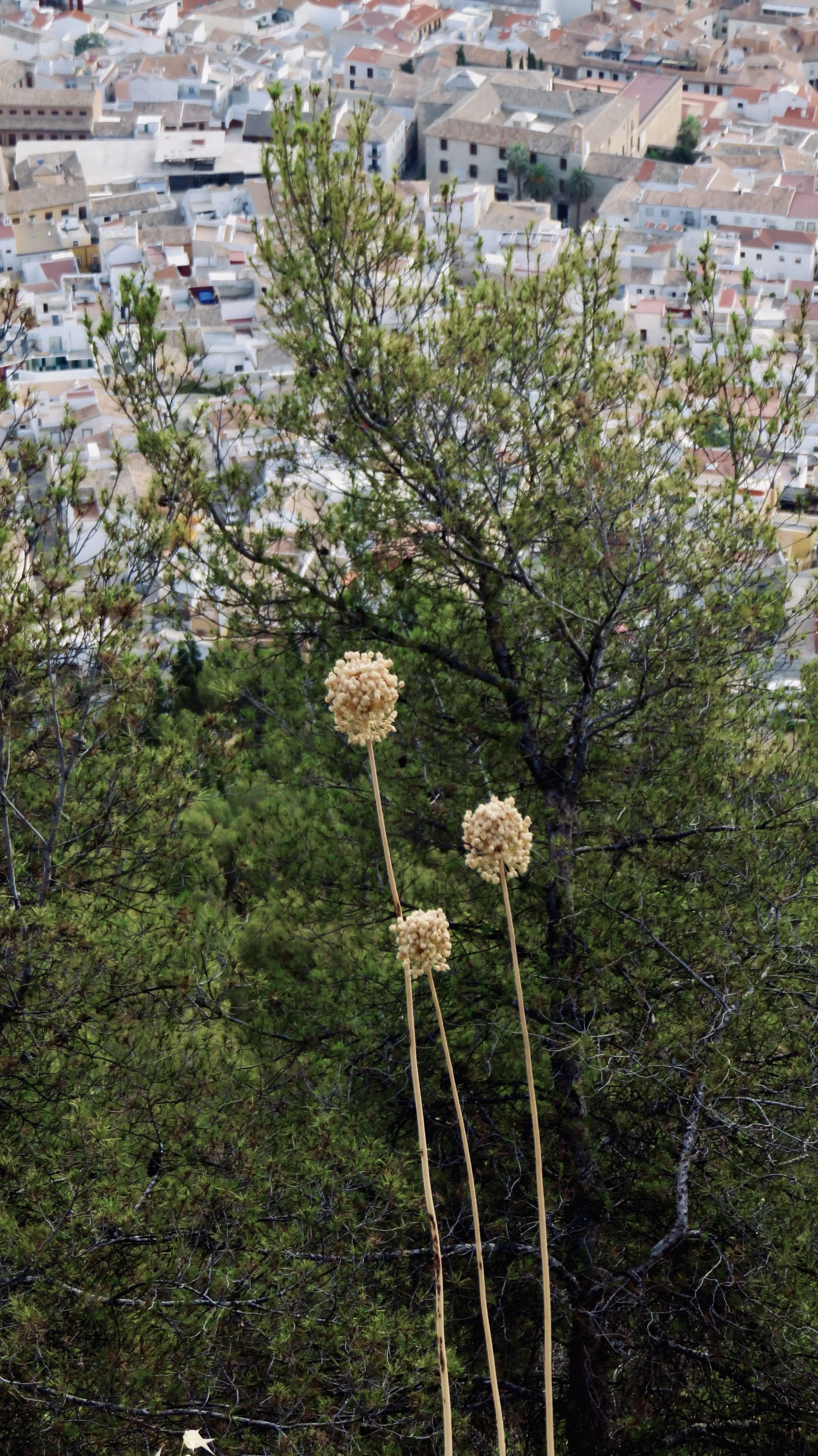
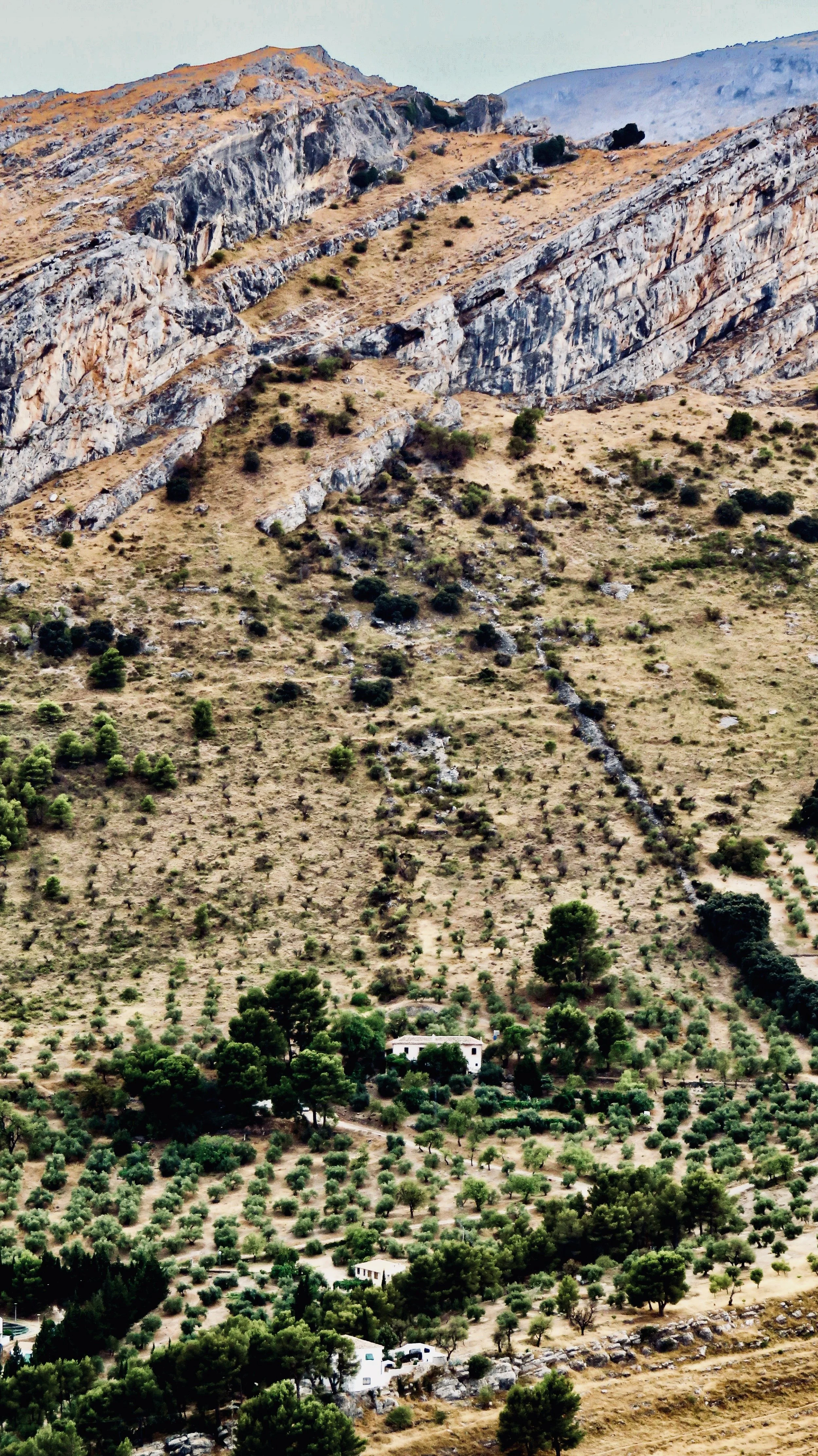
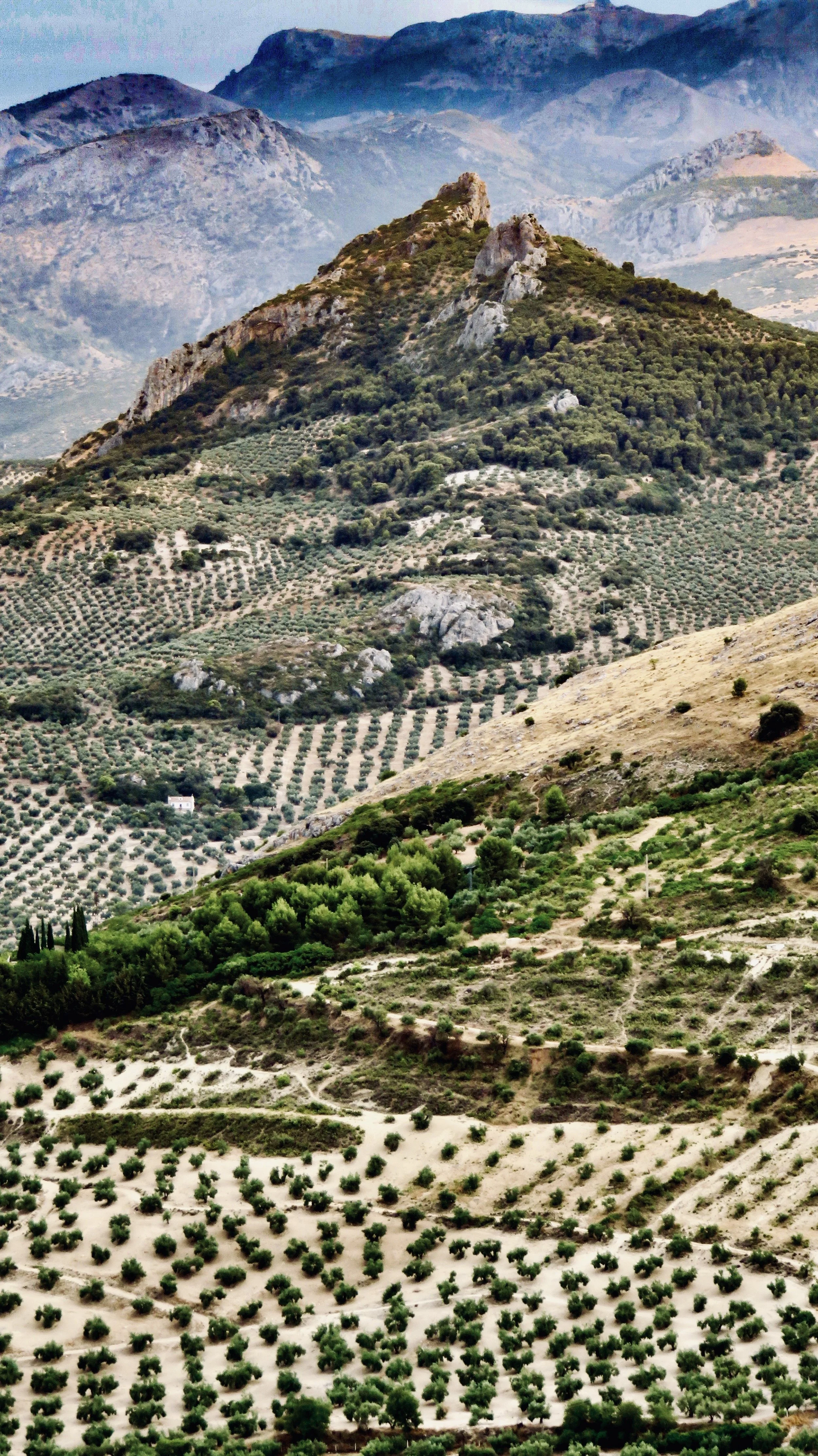
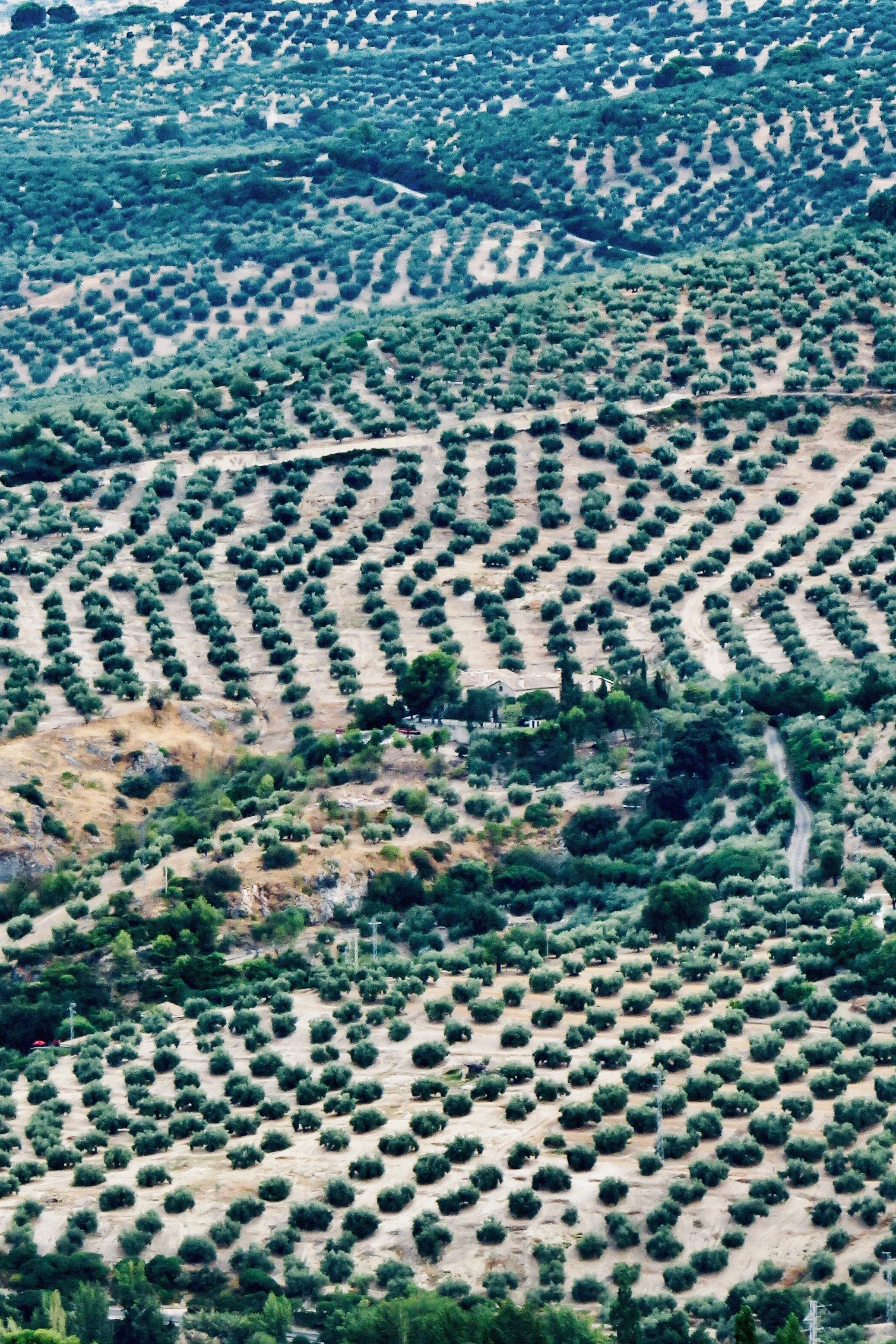
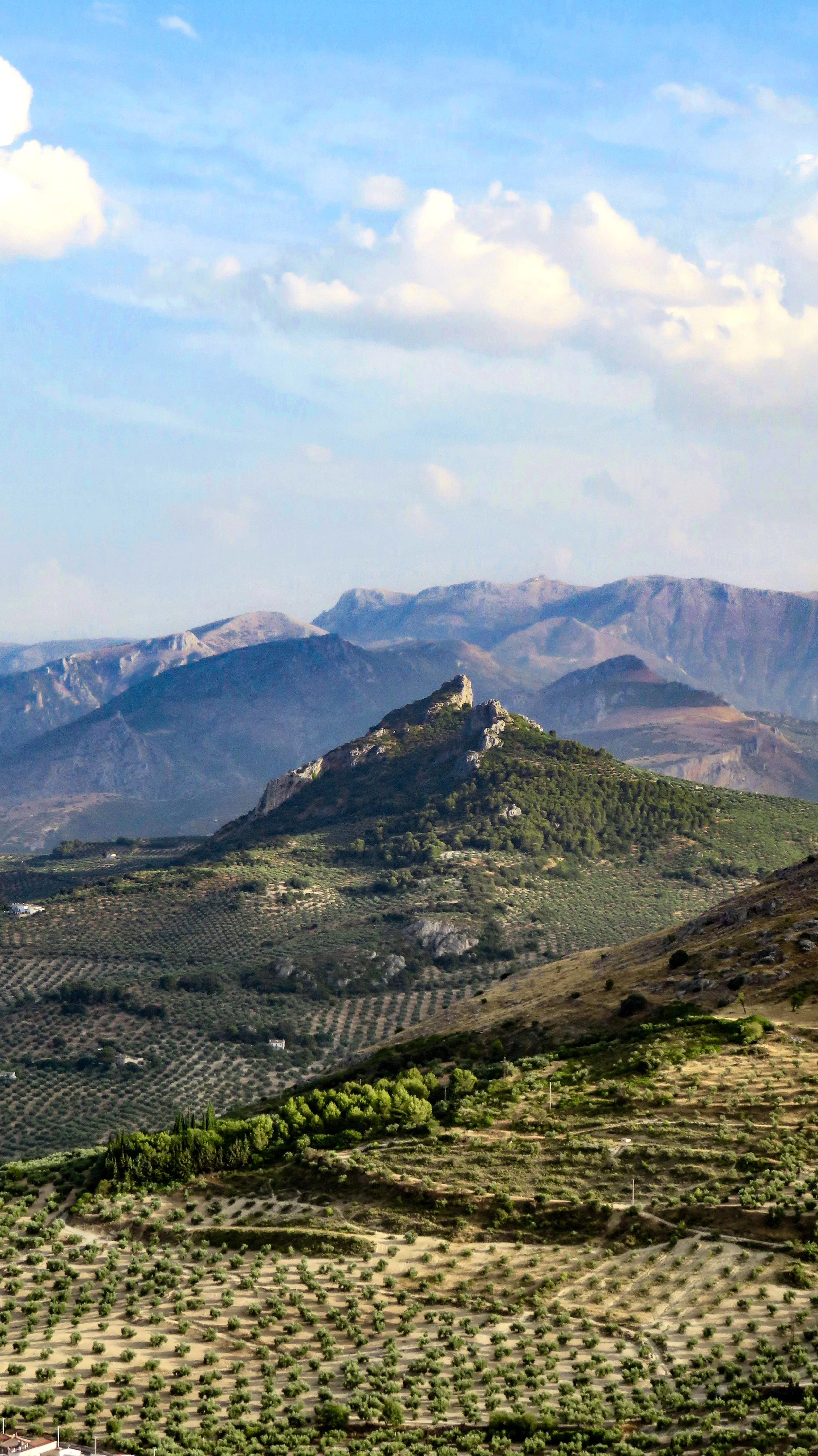
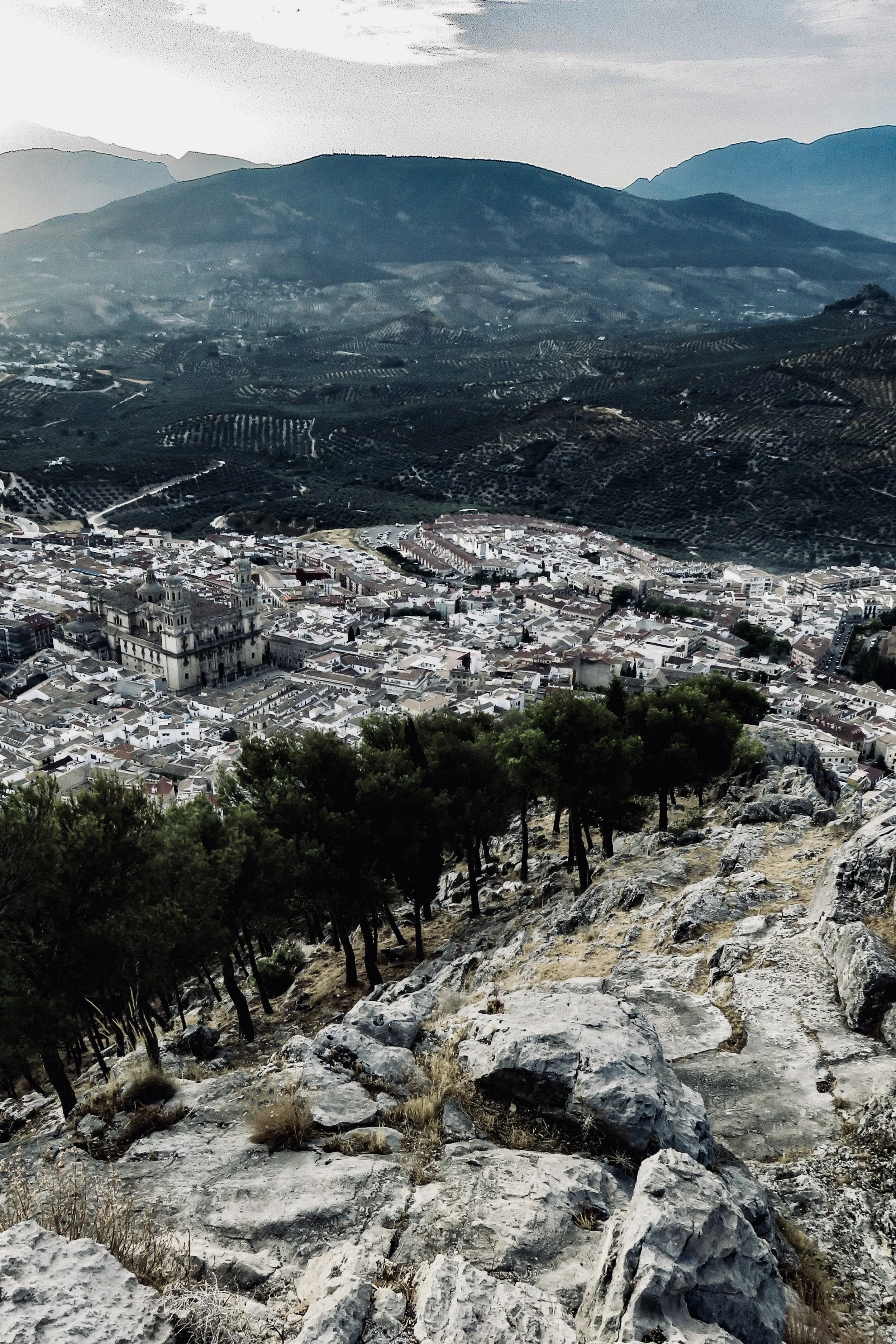
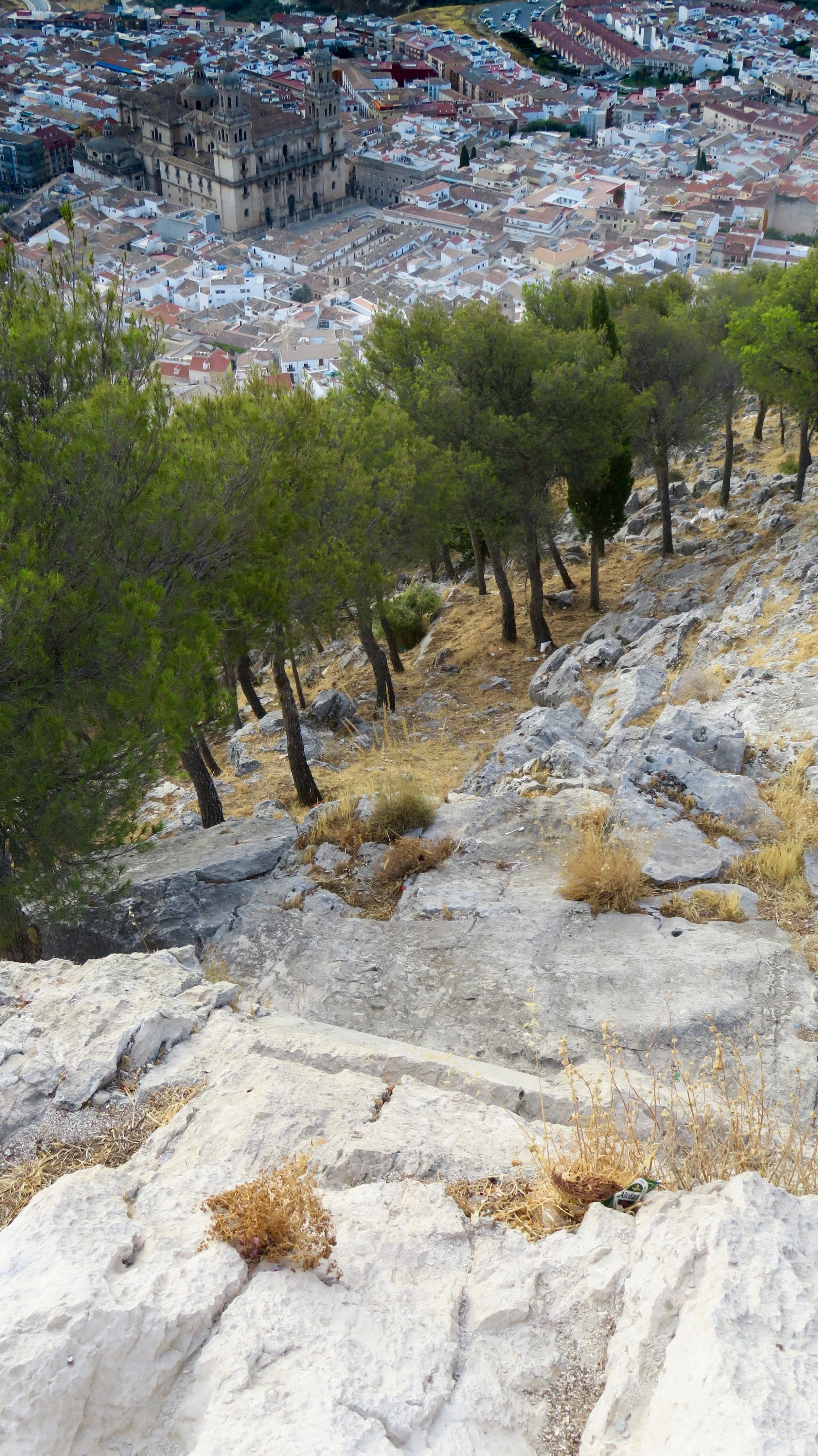
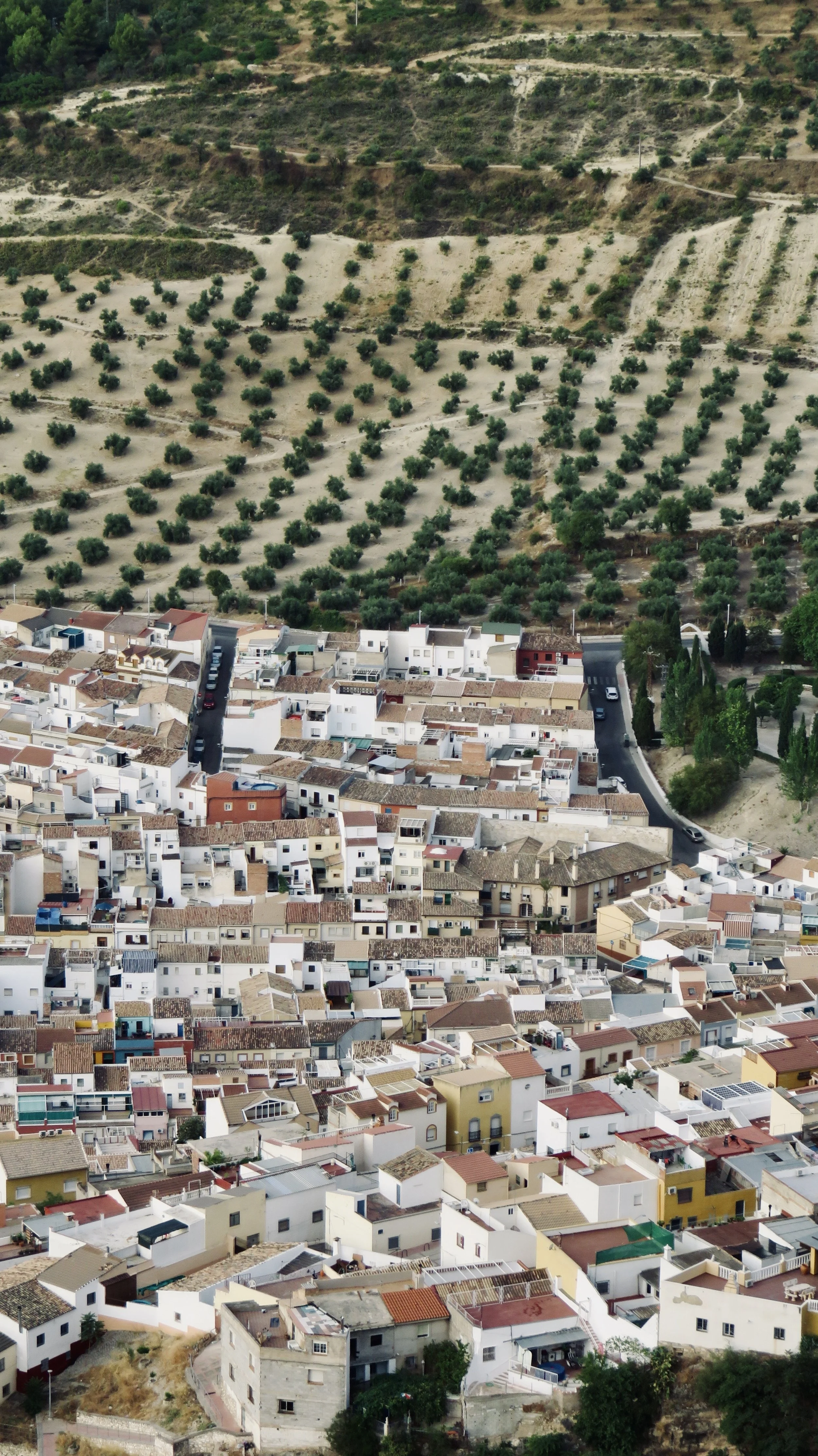
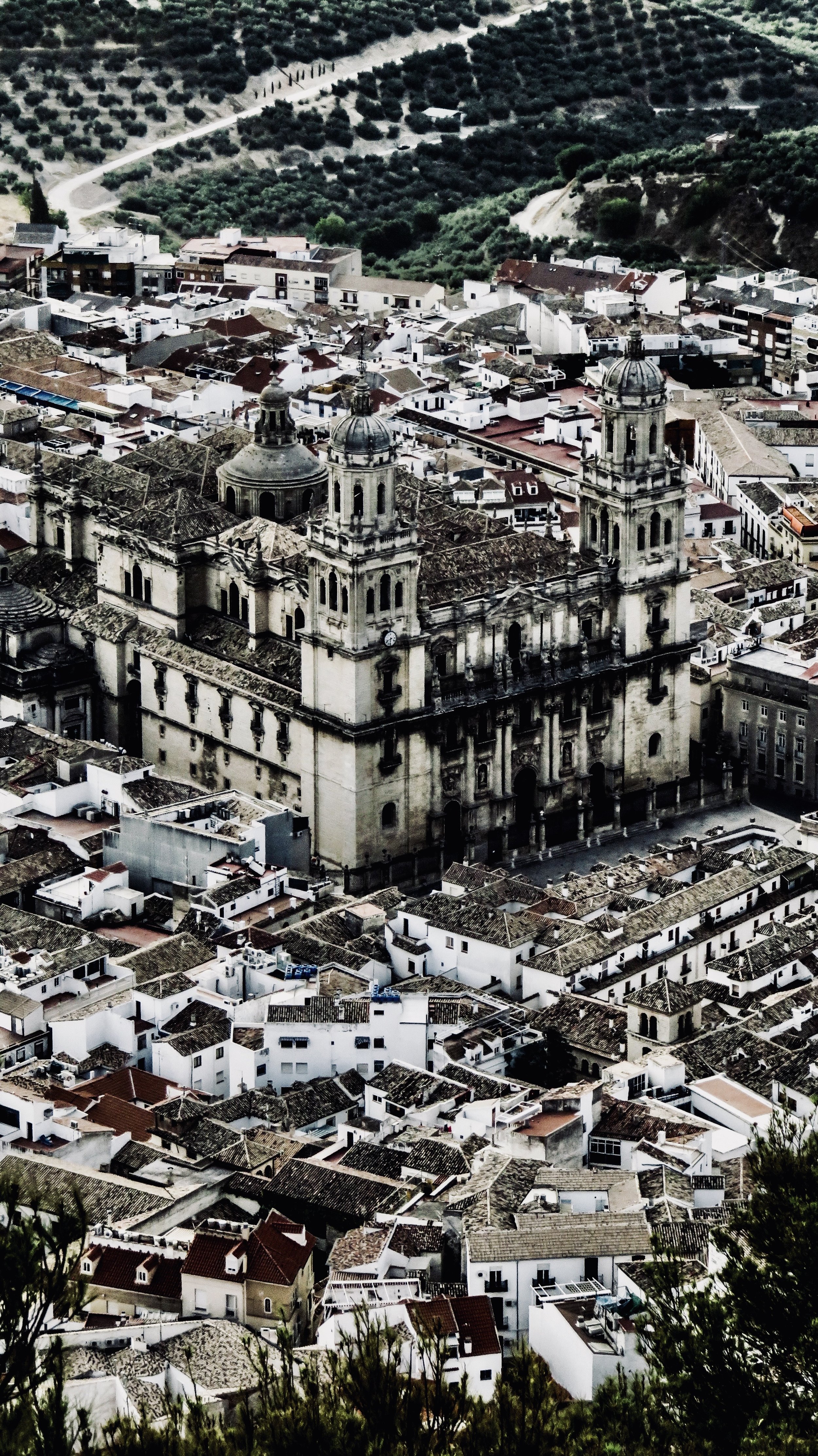
Jaén rises on the slopes of the Santa Catalina hill in Andalucía, surrounded by an extraordinary landscape of olive groves stretching across the Guadalquivir valley. Its traditional whitewashed houses climb the hillside in narrow, winding streets, creating a strong contrast with the monumental stone of the Renaissance Cathedral, while the Castle of Santa Catalina dominates the skyline above the city. Other notable buildings include the Arab Baths beneath the Villardompardo Palace, the churches of La Magdalena, San Juan and San Ildefonso, and the old Jewish quarter. Olive cultivation is the defining agriculture of the area, with the province containing vast expanses of groves and a long-established culture of olive oil production. What makes Jaén different from many other Andalusian cities is this unusually close relationship between city and countryside: from the castle, the urban landscape falls away into what seems like an endless sea of olive trees, while the city’s architecture reflects its successive Iberian, Islamic, medieval and Renaissance histories.
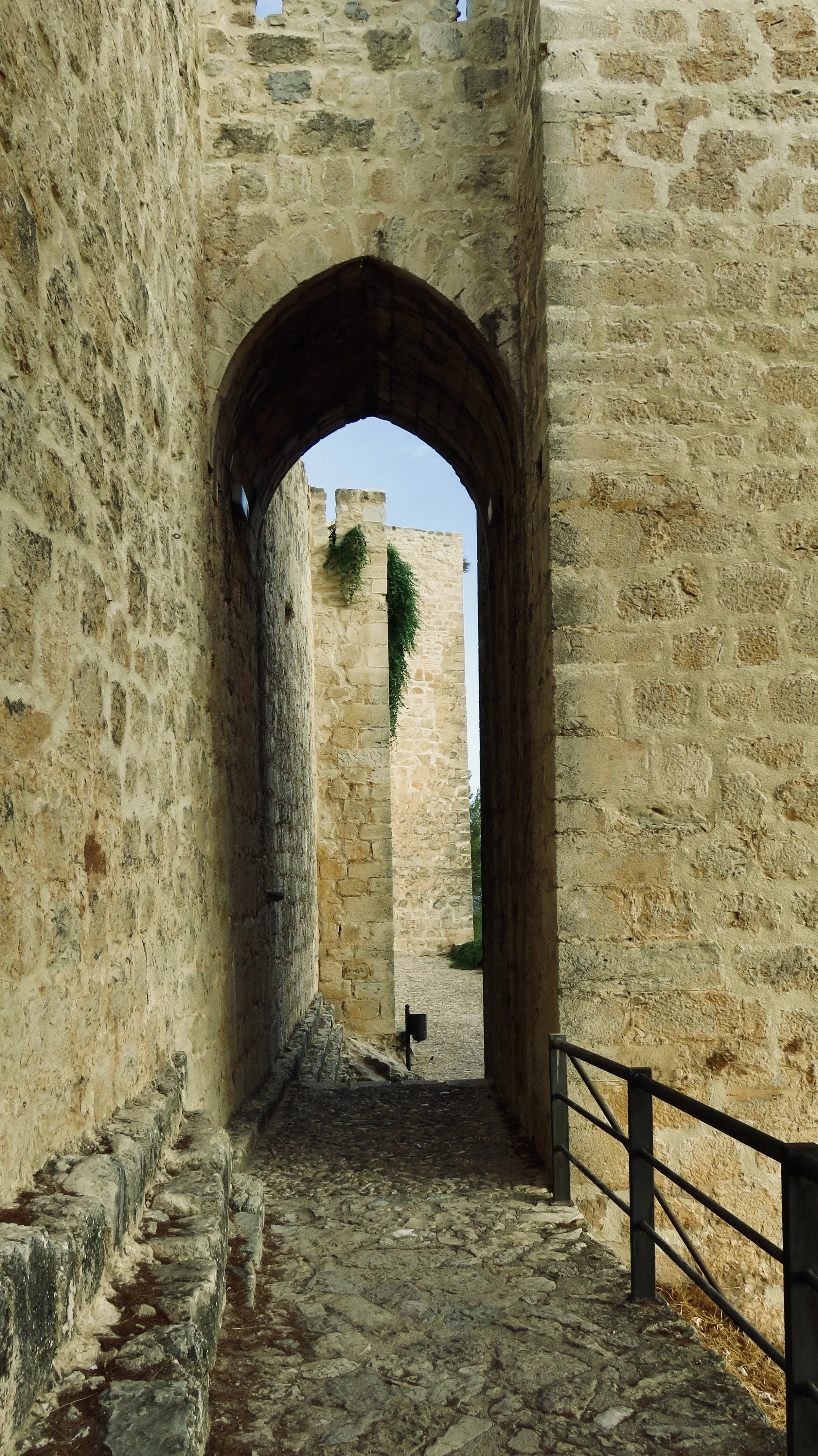
We stayed at the Parador in the Castle of Santa Catalina, which ticked every box: the setting and views, the accommodation and the restaurant. From the castle we had a good perspective over Jaén and the surrounding olive groves. We spent some time in the city itself, including a visit to the cathedral, although there is relatively little else that held our attention. Its real value for us was as a base for exploring the UNESCO-listed towns of Baeza and Úbeda.