Frómista - provincia de Palencia M3 - 2026
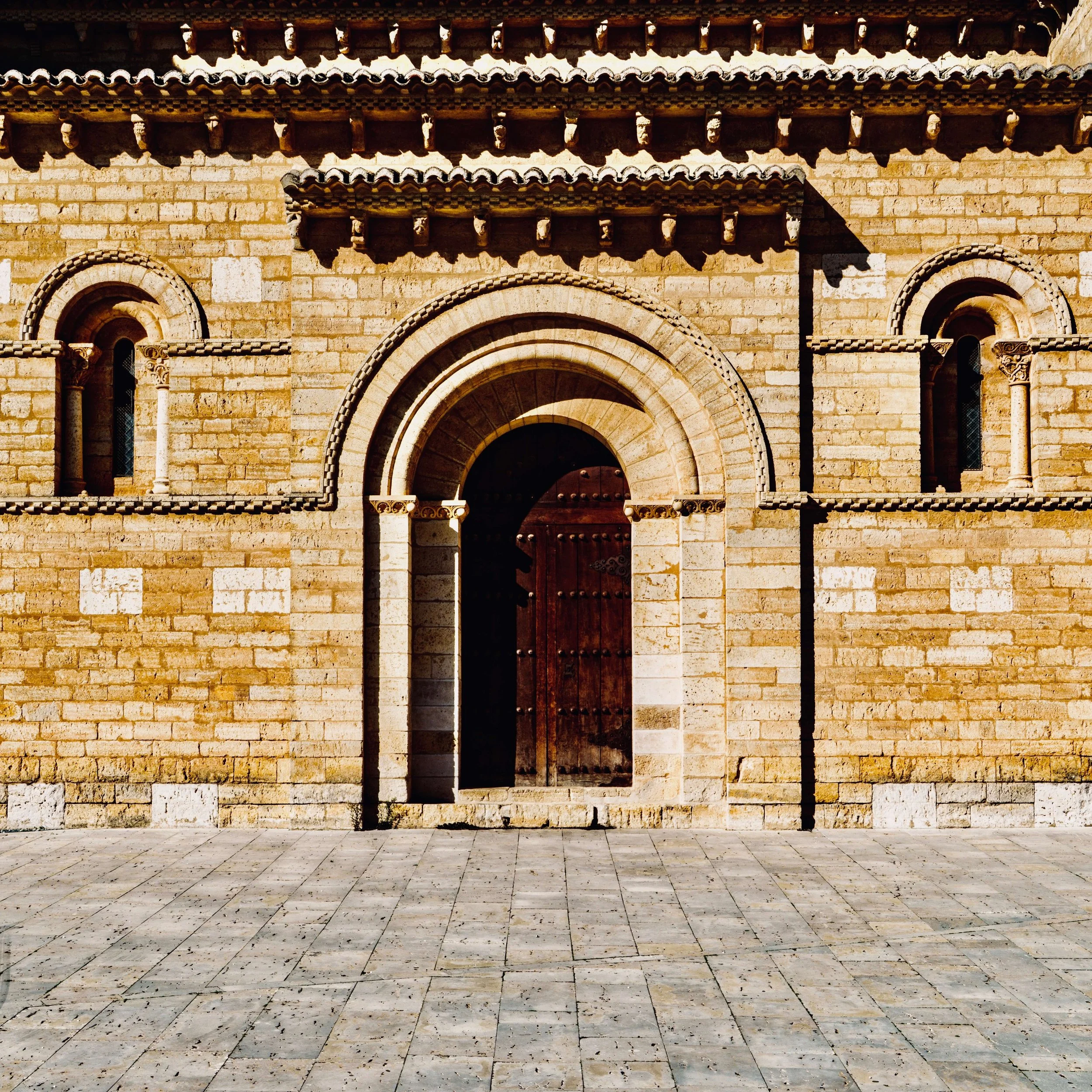
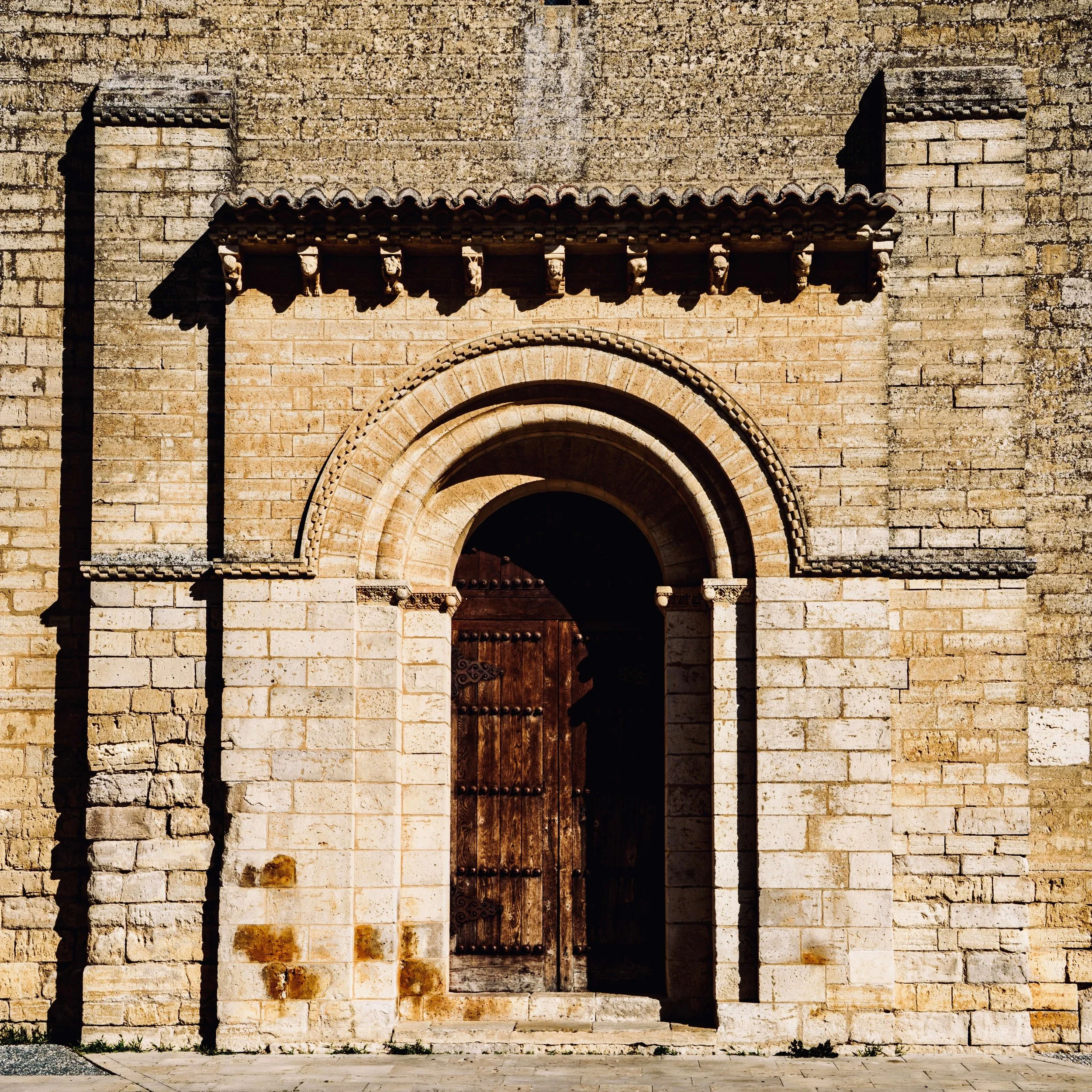
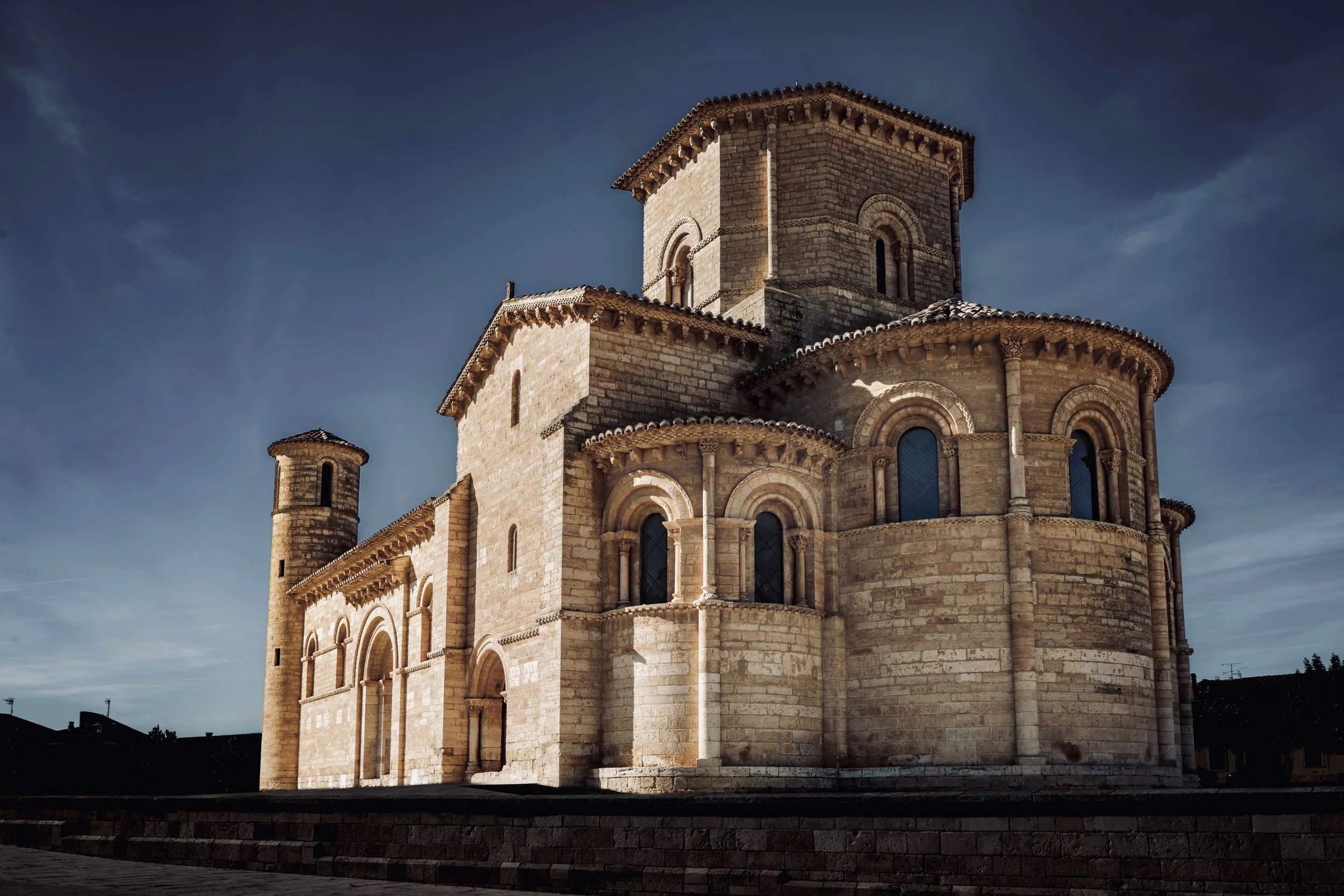
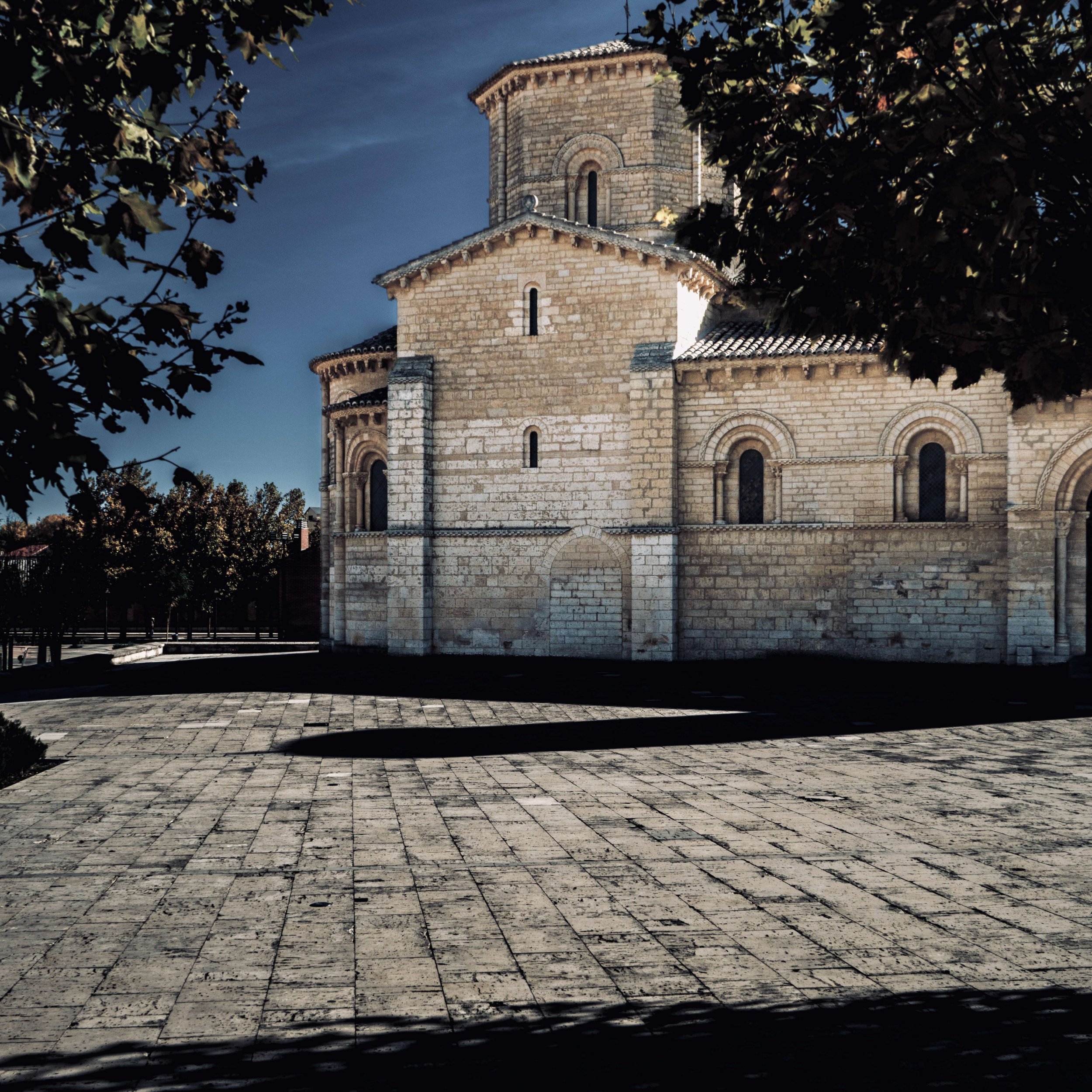
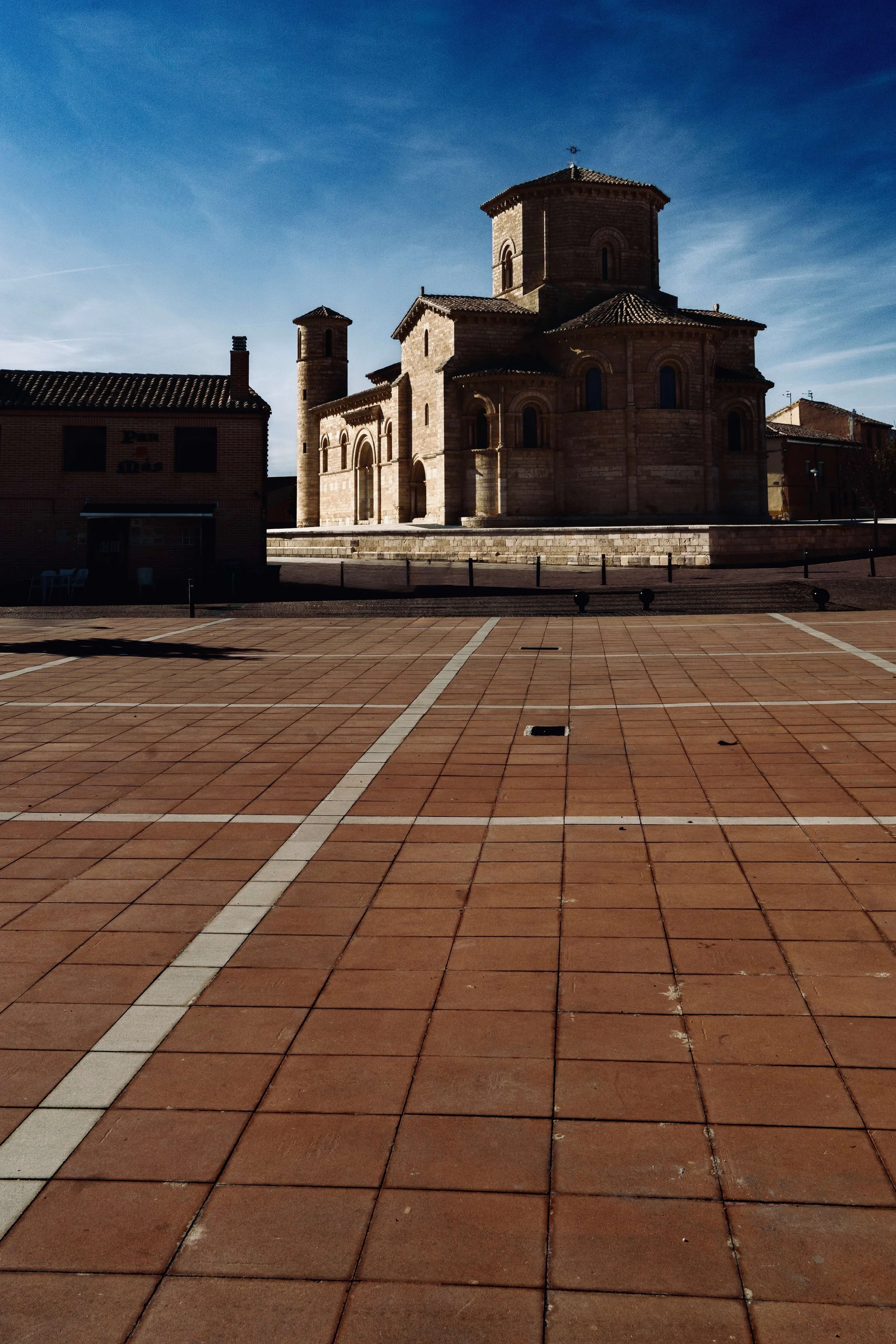
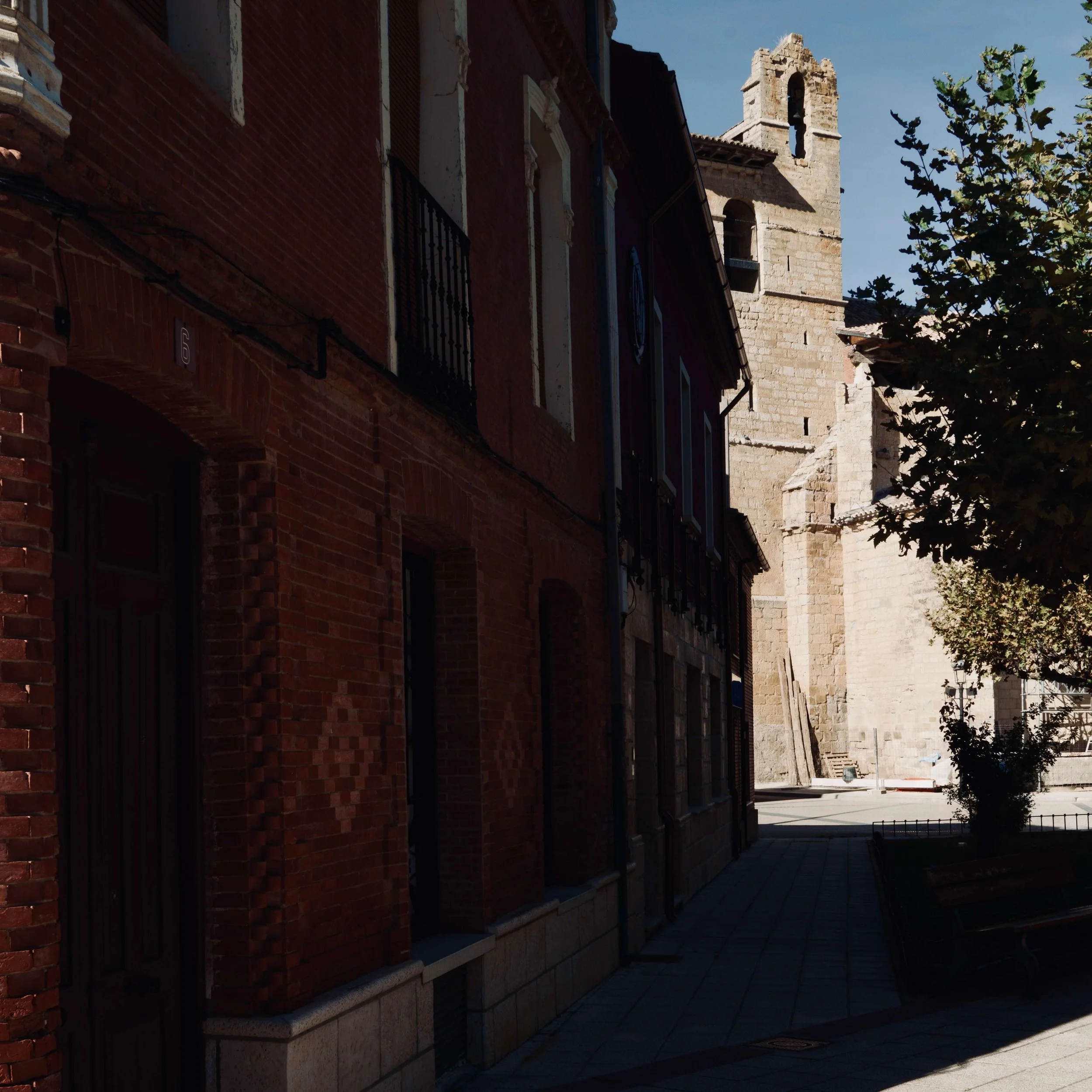
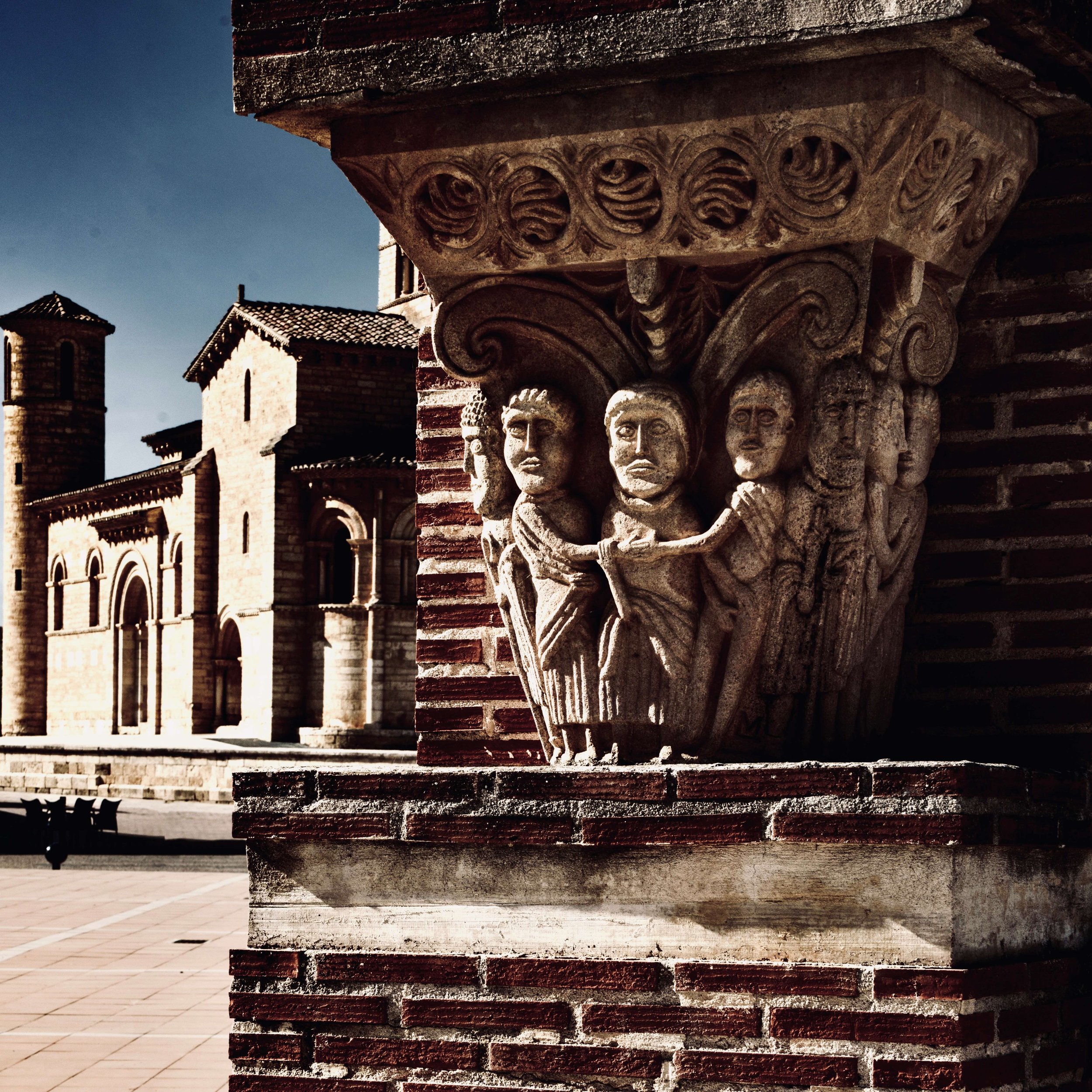
Frómista lies in the province of Palencia, in the open cereal-growing plains of Tierra de Campos, around 32 kilometres north of Palencia city. Its traditional Castilian architecture is relatively modest, with stone and brick houses, tiled roofs and simple rural buildings, but the town has an exceptional collection of historic monuments. The outstanding landmark is the eleventh-century church of San Martín de Tours, one of the finest and most harmonious examples of Romanesque architecture in Spain, with its distinctive cylindrical towers, central dome and richly carved capitals. Other important buildings include the Gothic churches of San Pedro and Santa María del Castillo. Just outside the town, the Canal de Castilla crosses the Camino de Santiago, with an impressive group of four connected locks, an aqueduct and the former lock-keeper’s house. Agriculture is dominated by cereals and livestock, although the canal brought irrigation and new opportunities for farming. What makes Frómista particularly distinctive is this unusual meeting of two great engineering and cultural routes: the medieval pilgrimage road to Santiago and the eighteenth-century Canal de Castilla, with the magnificent church of San Martín providing a remarkable focal point in an otherwise understated agricultural town.
On our drive back from Plasencia to Santander, we stopped for lunch in Frómista, a village we had hoped to visit earlier in the year but never quite managed. We were only there for a short time, less than half an hour, but long enough to take photographs of two of its notable churches: the remarkable Romanesque Church of San Martín and the Church of San Pedro. A brief visit, but at least we finally got to see and photograph somewhere that had been on our list for some time.