Albarracín - provincia de Teruel M2 - 2015
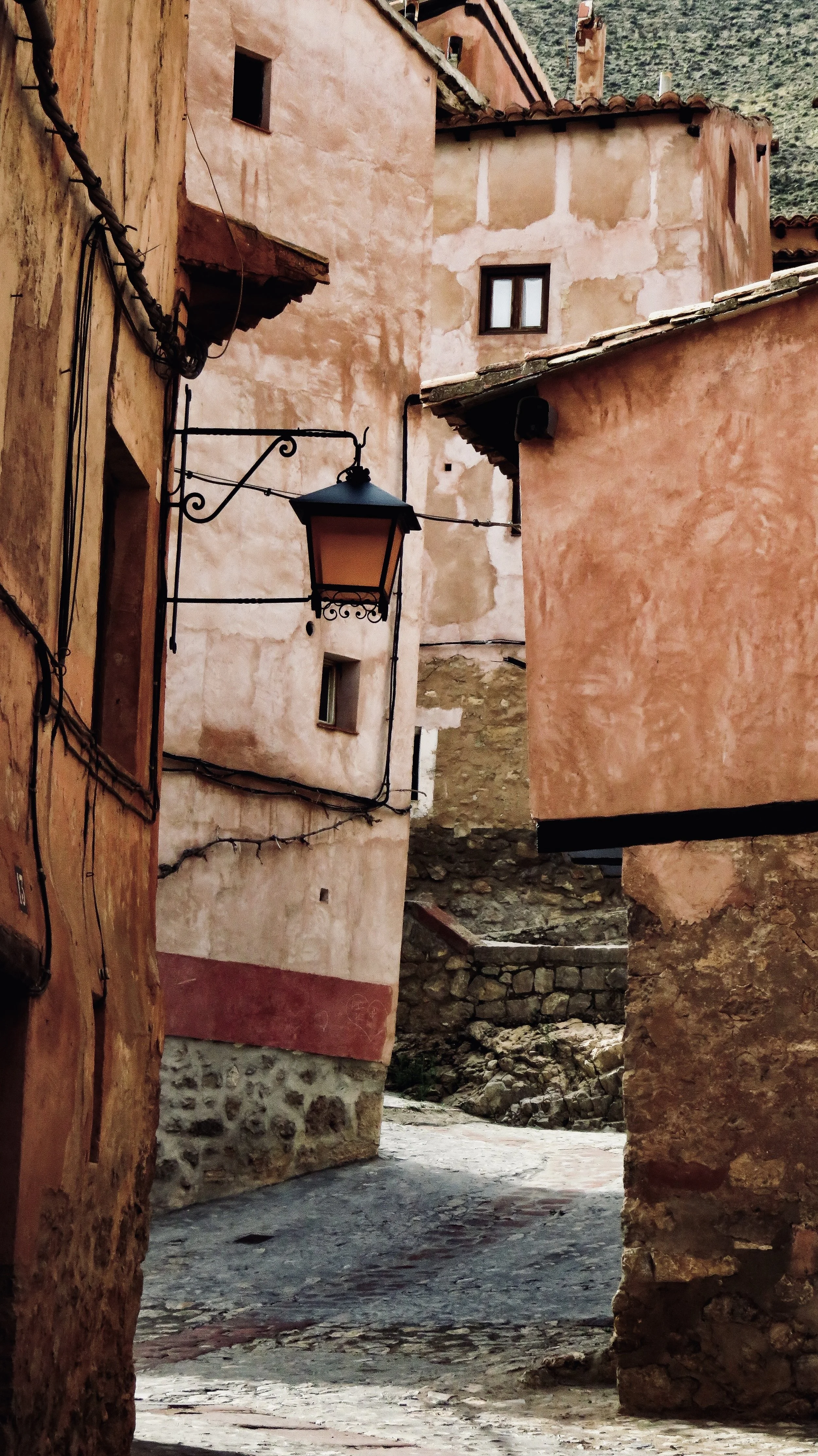
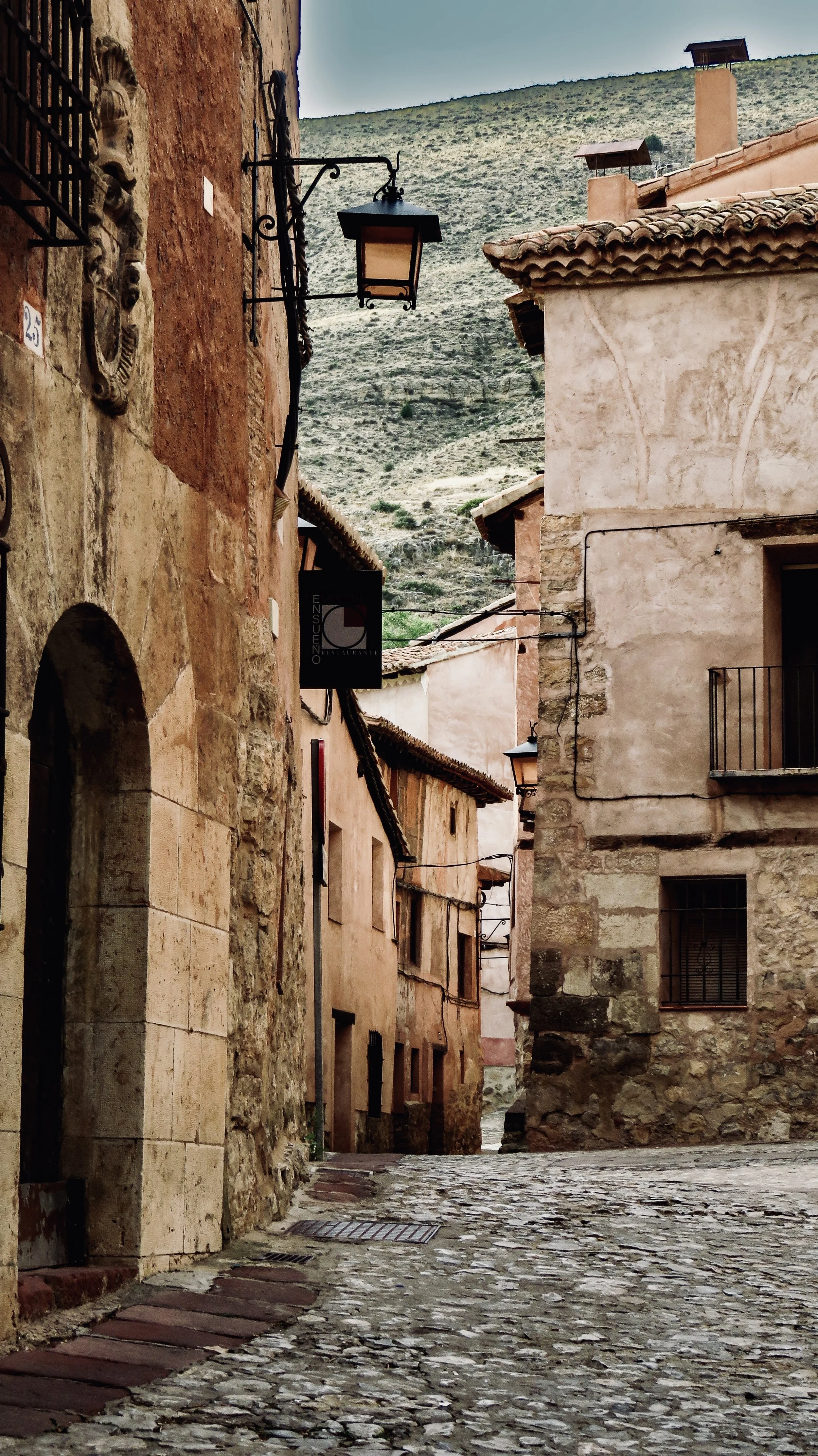
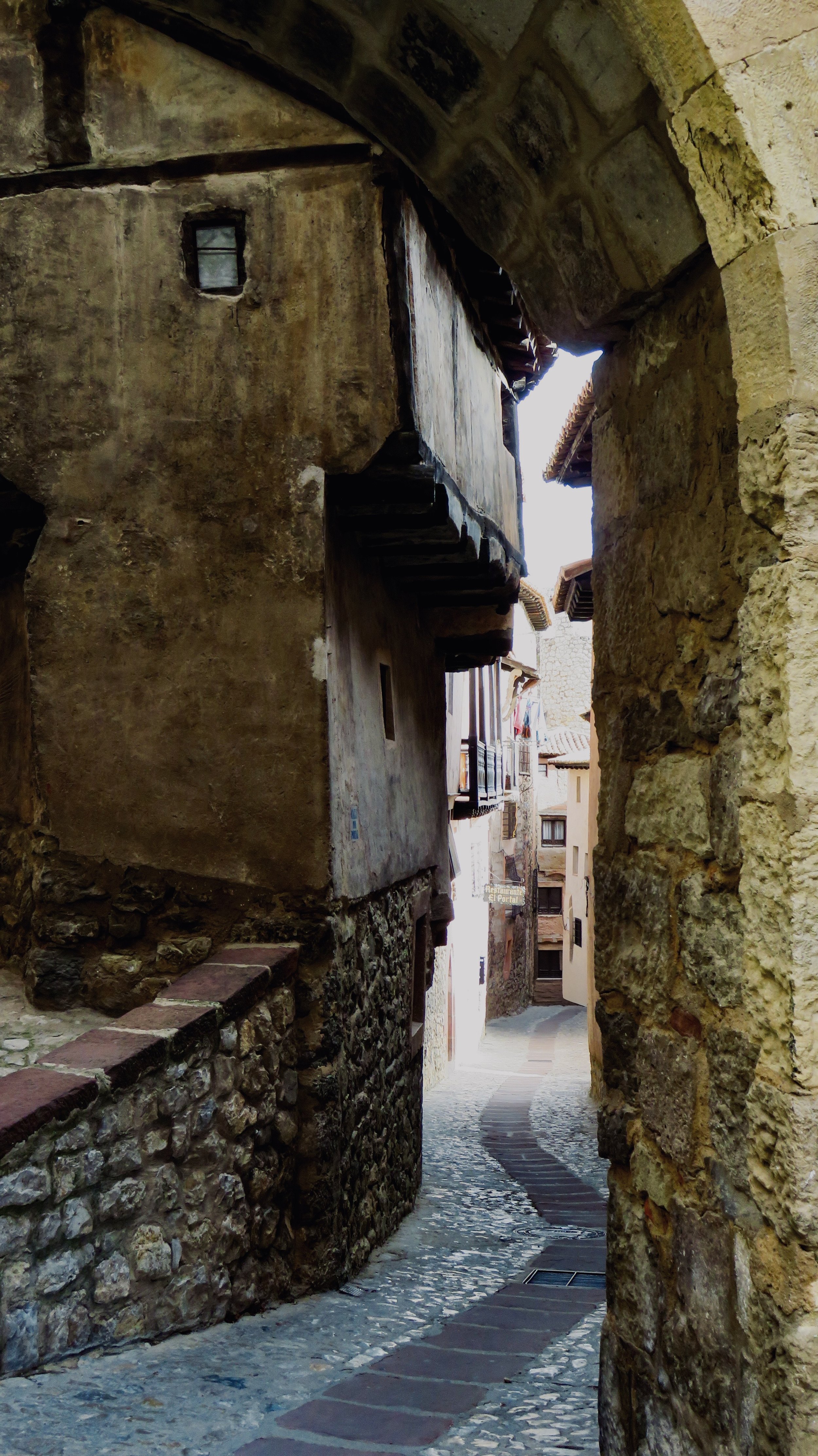
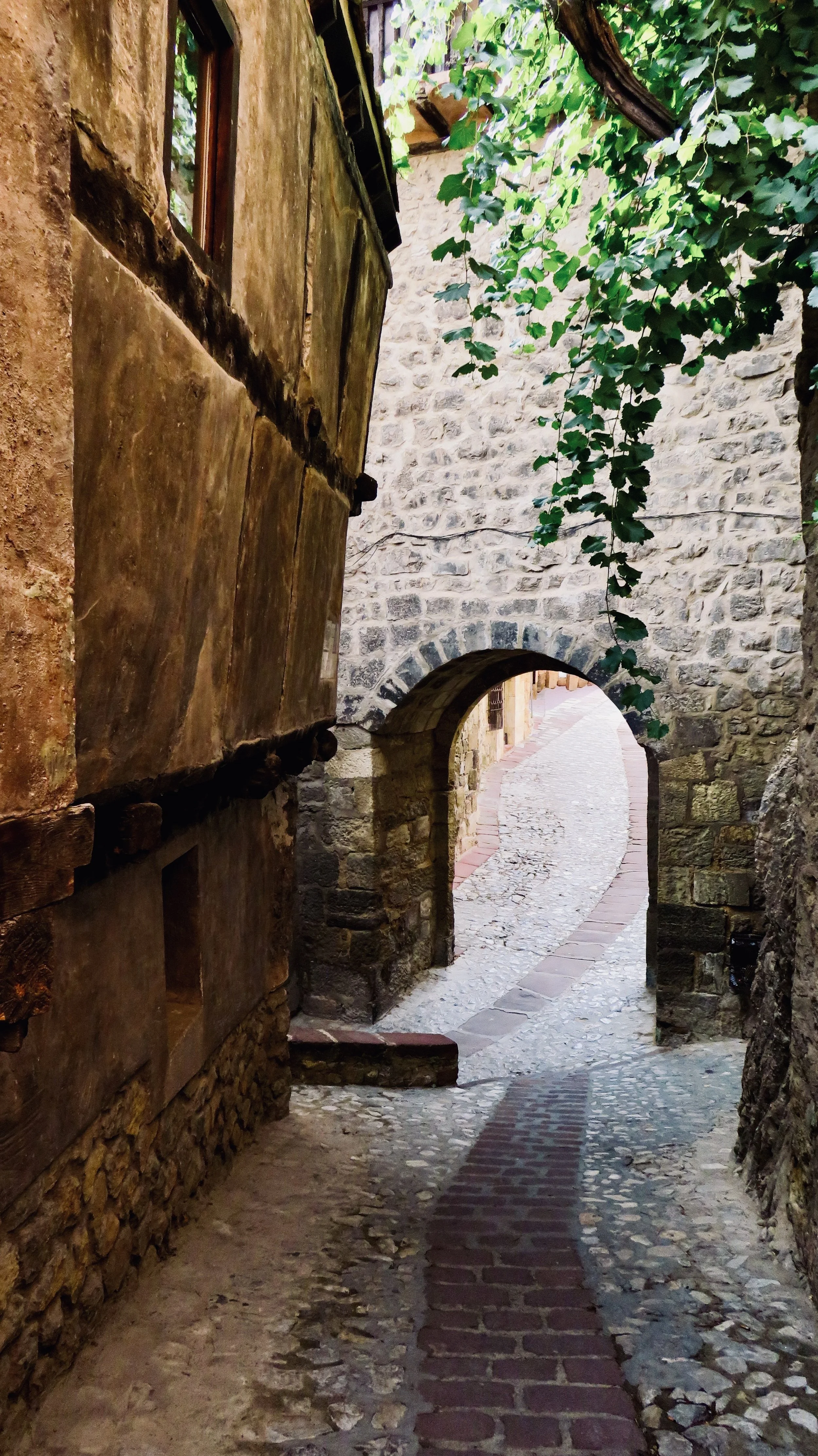
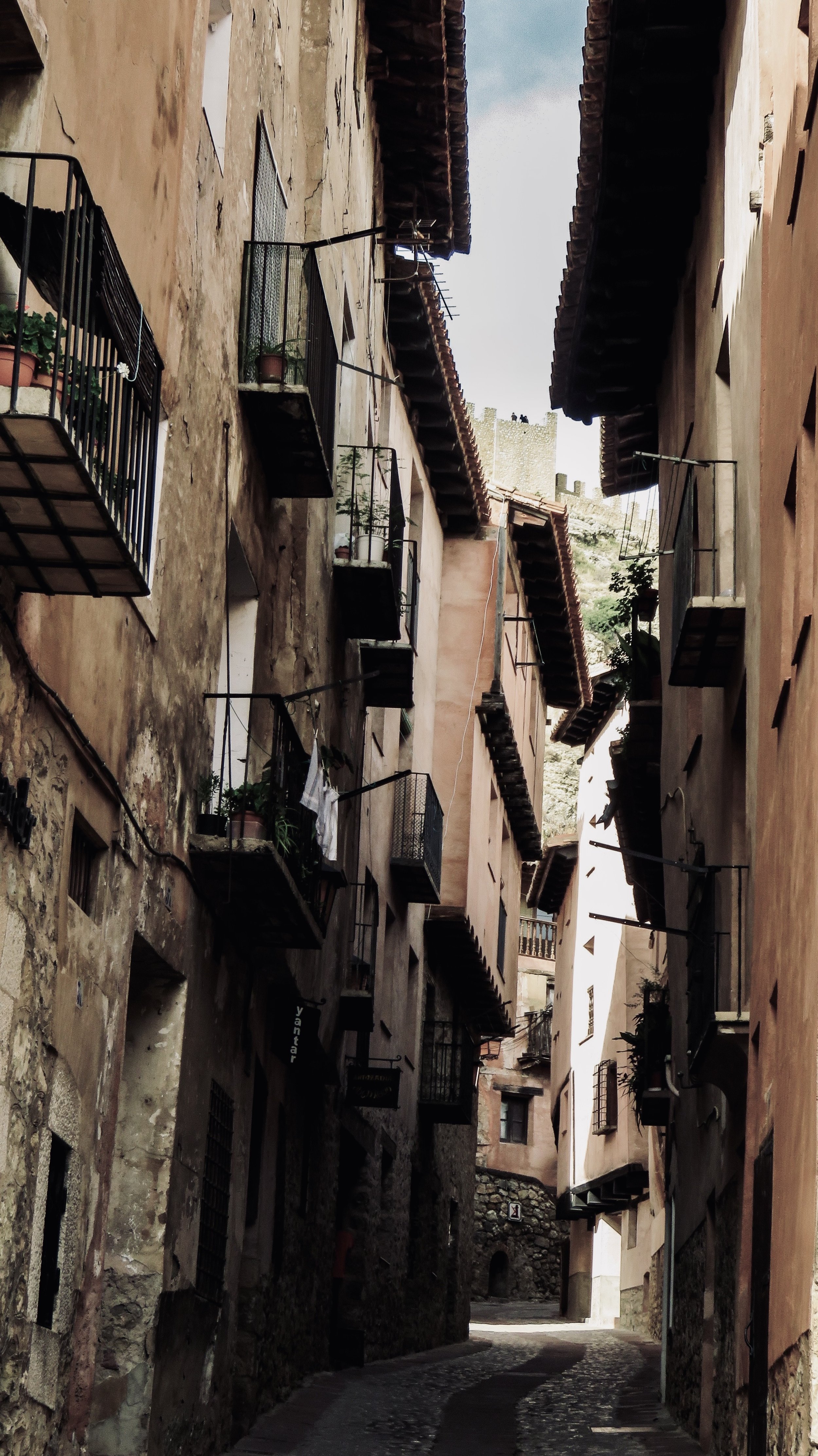
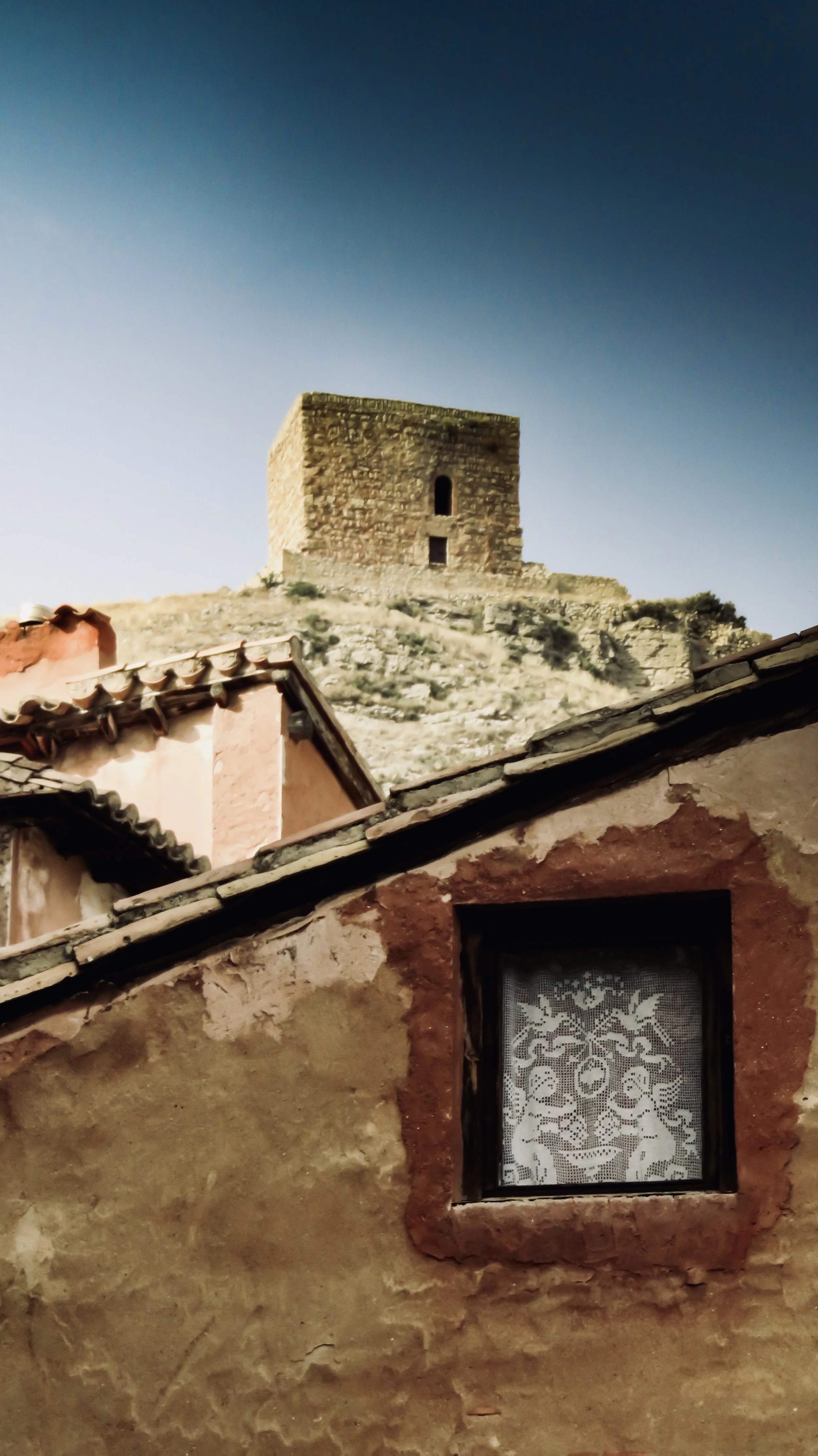
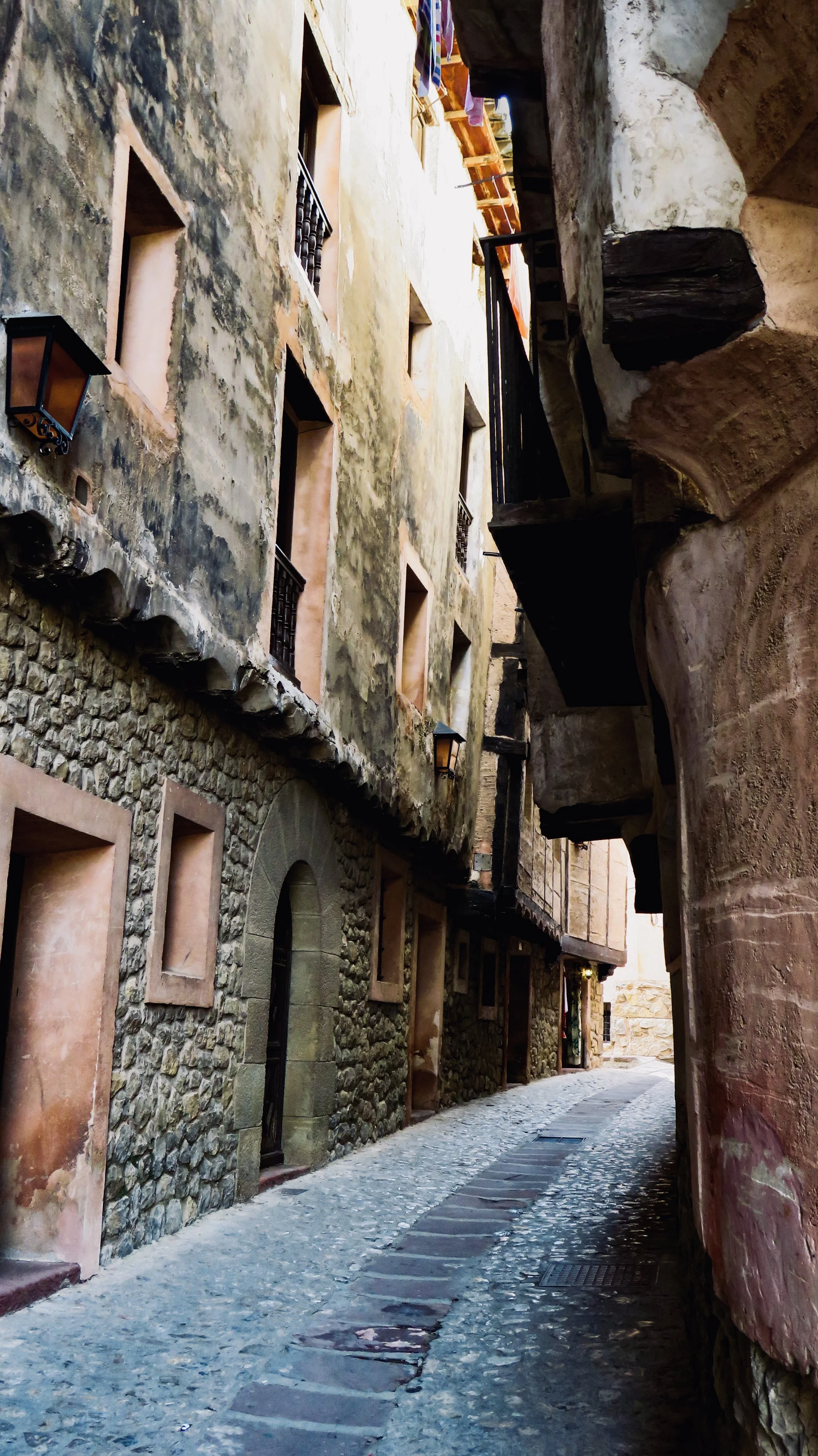
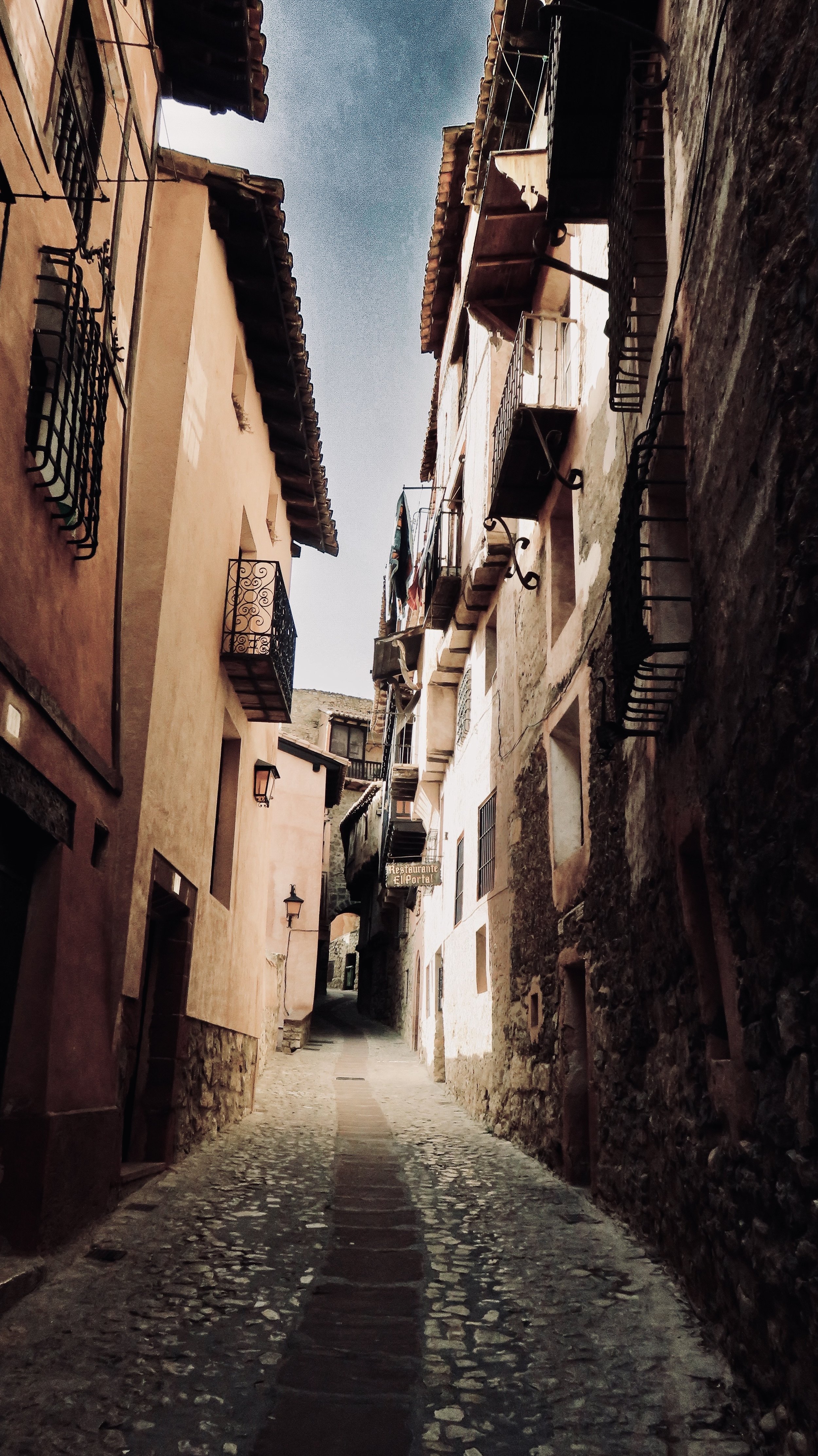
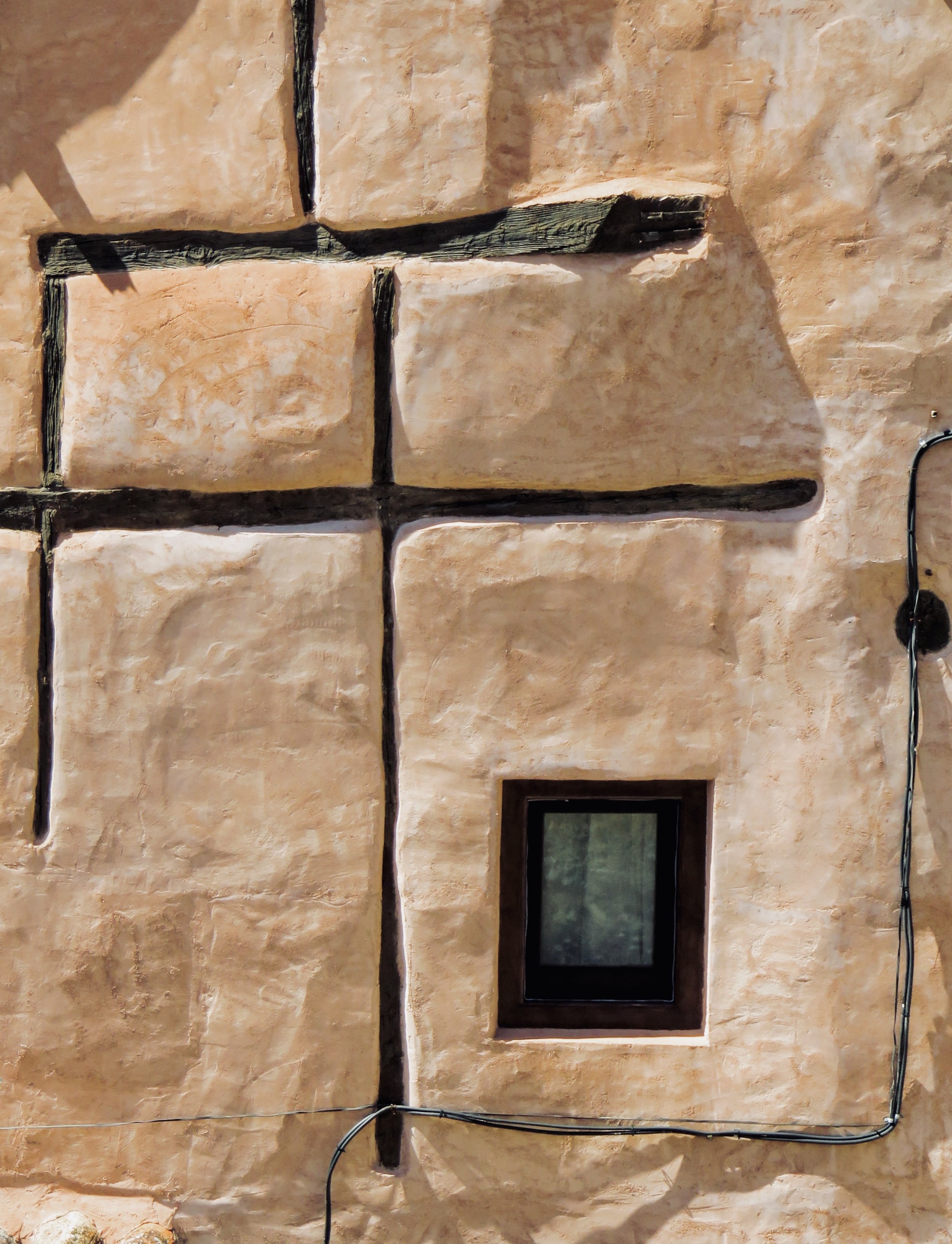
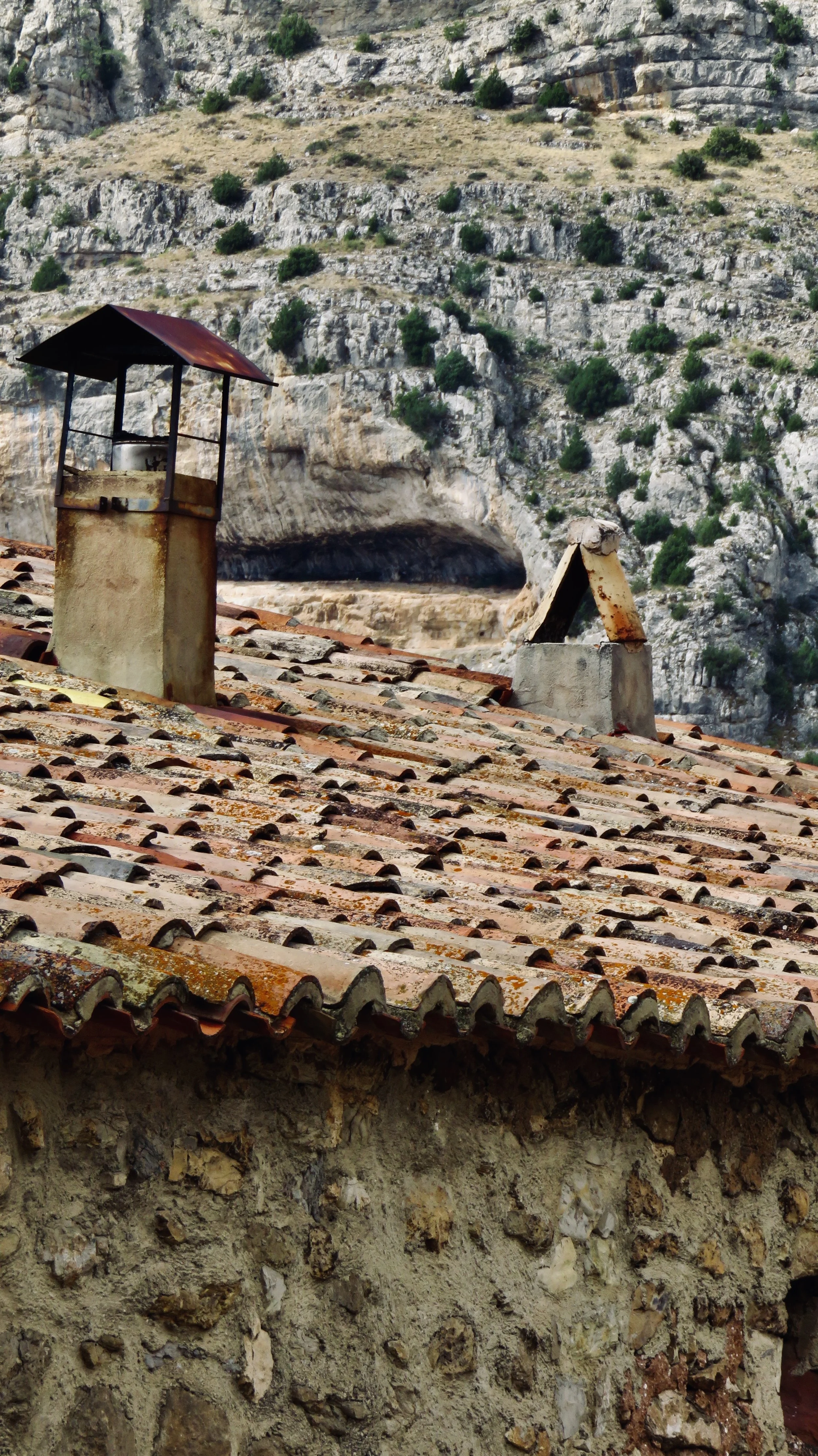
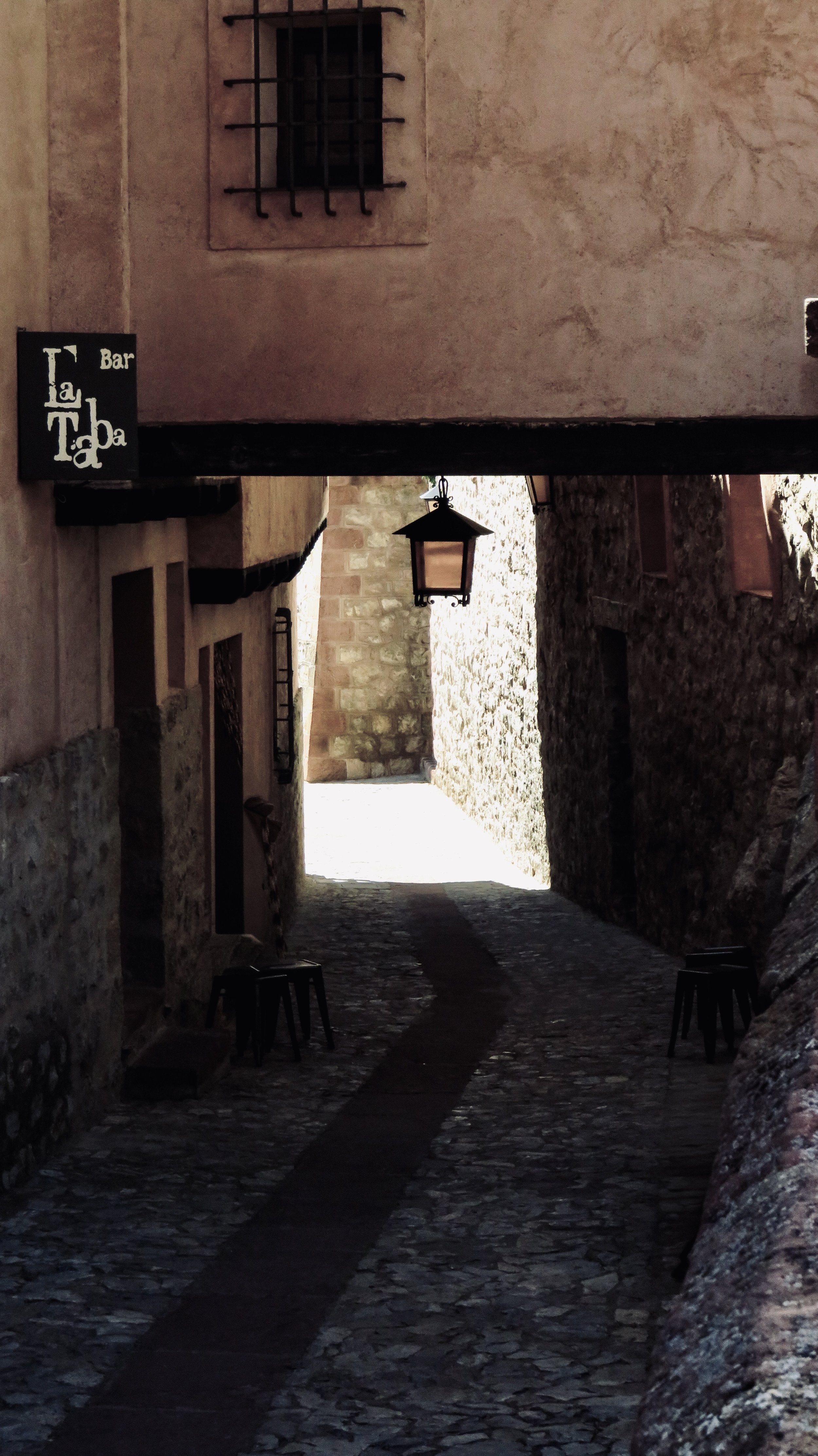
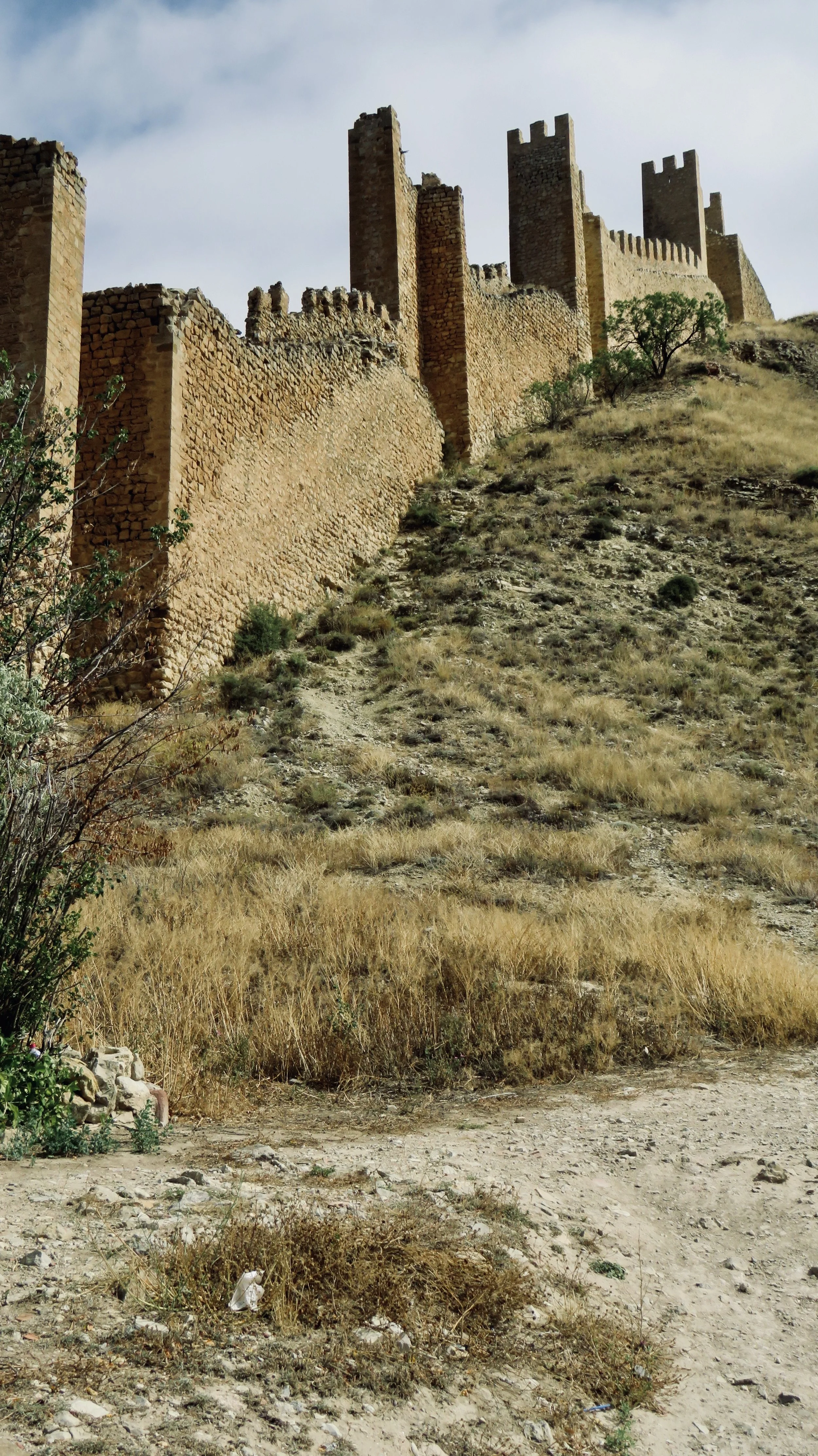
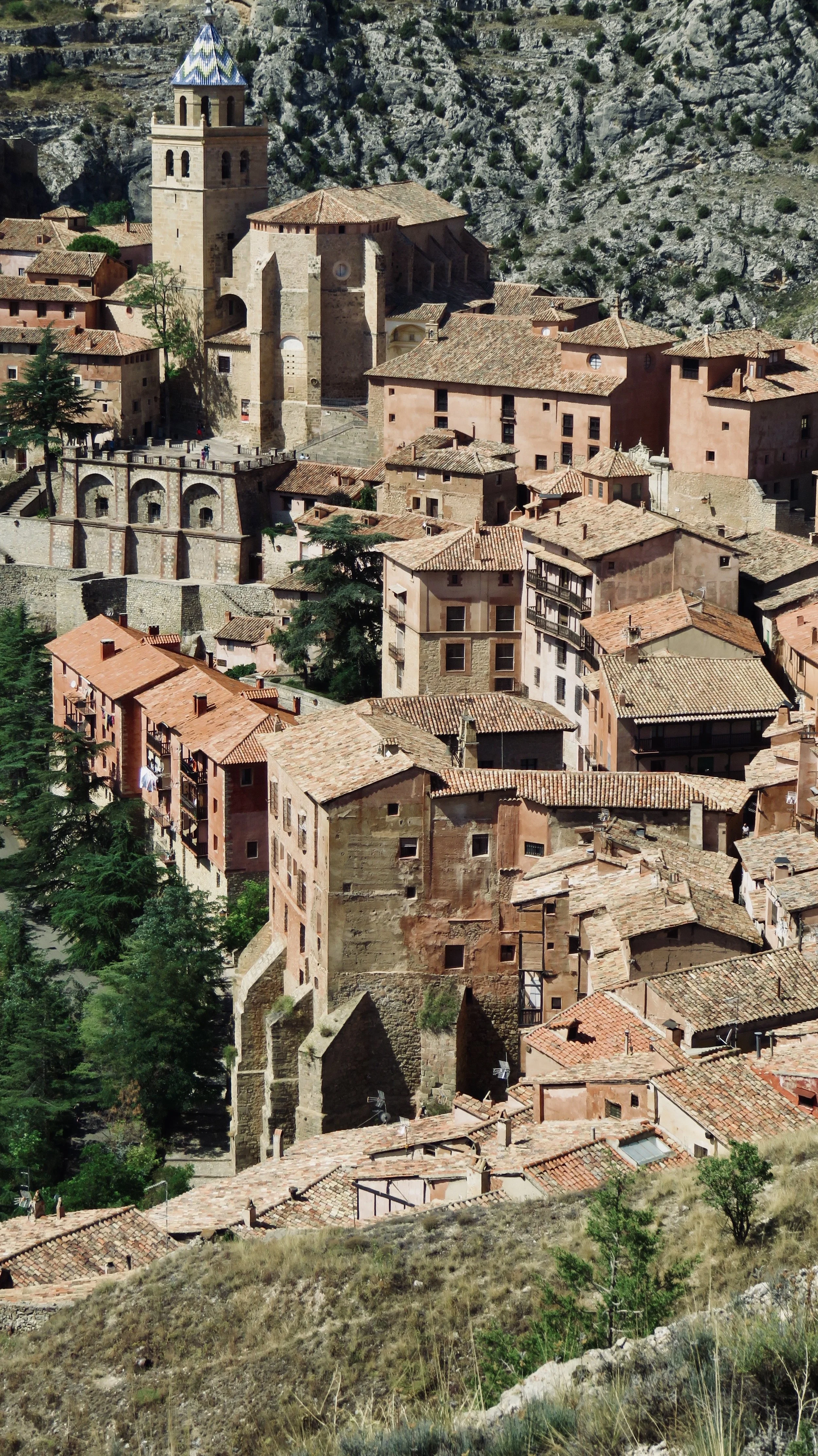
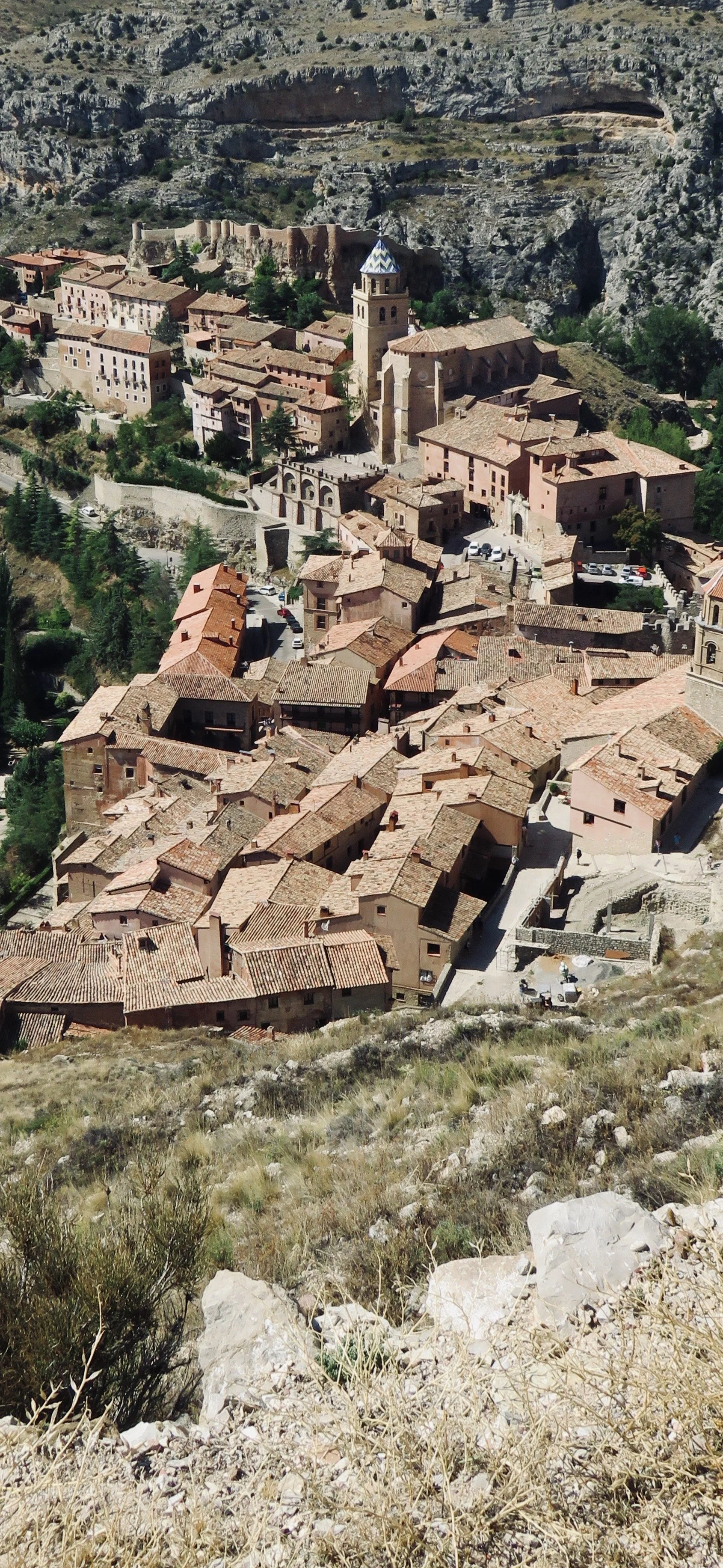
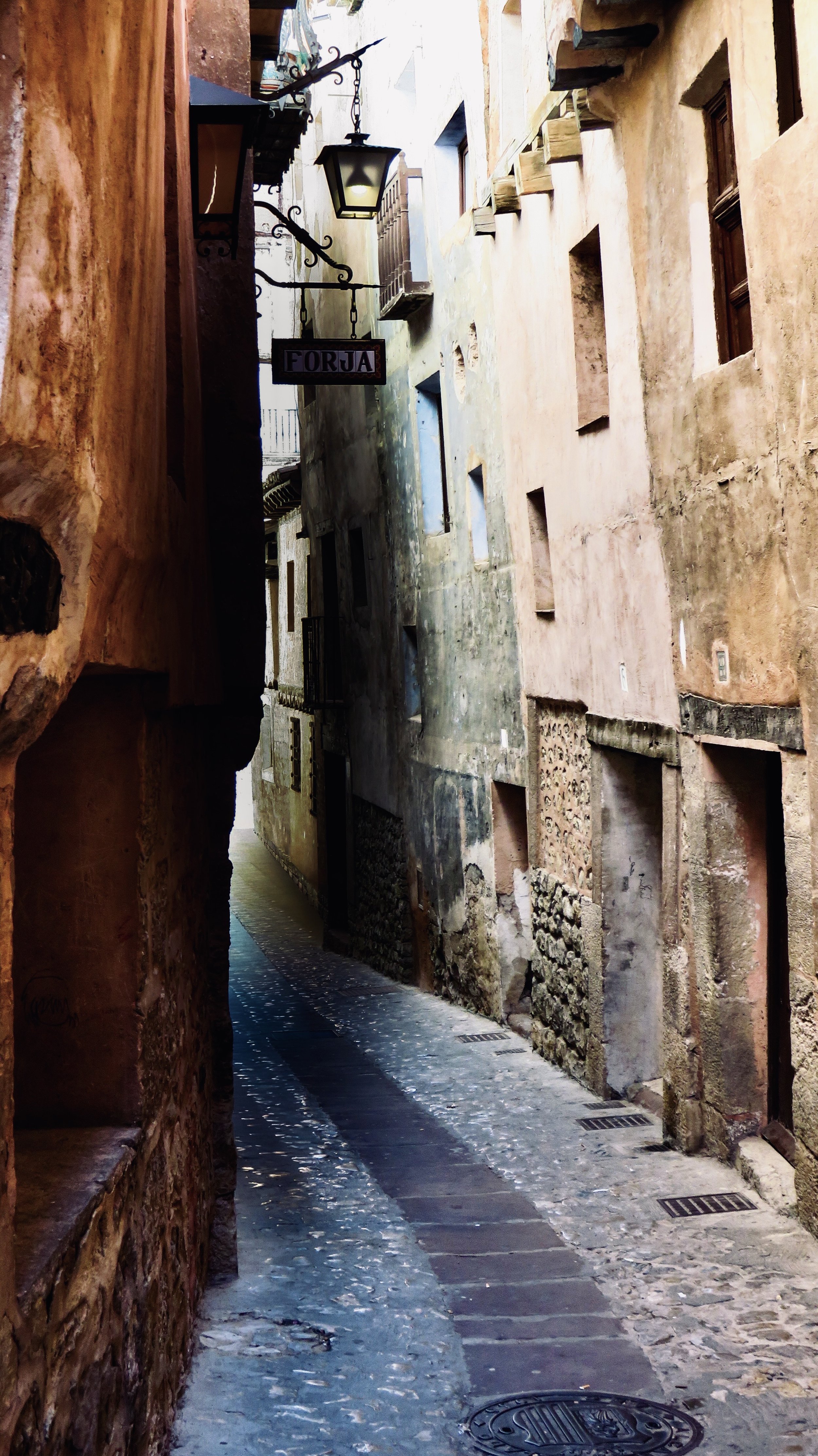
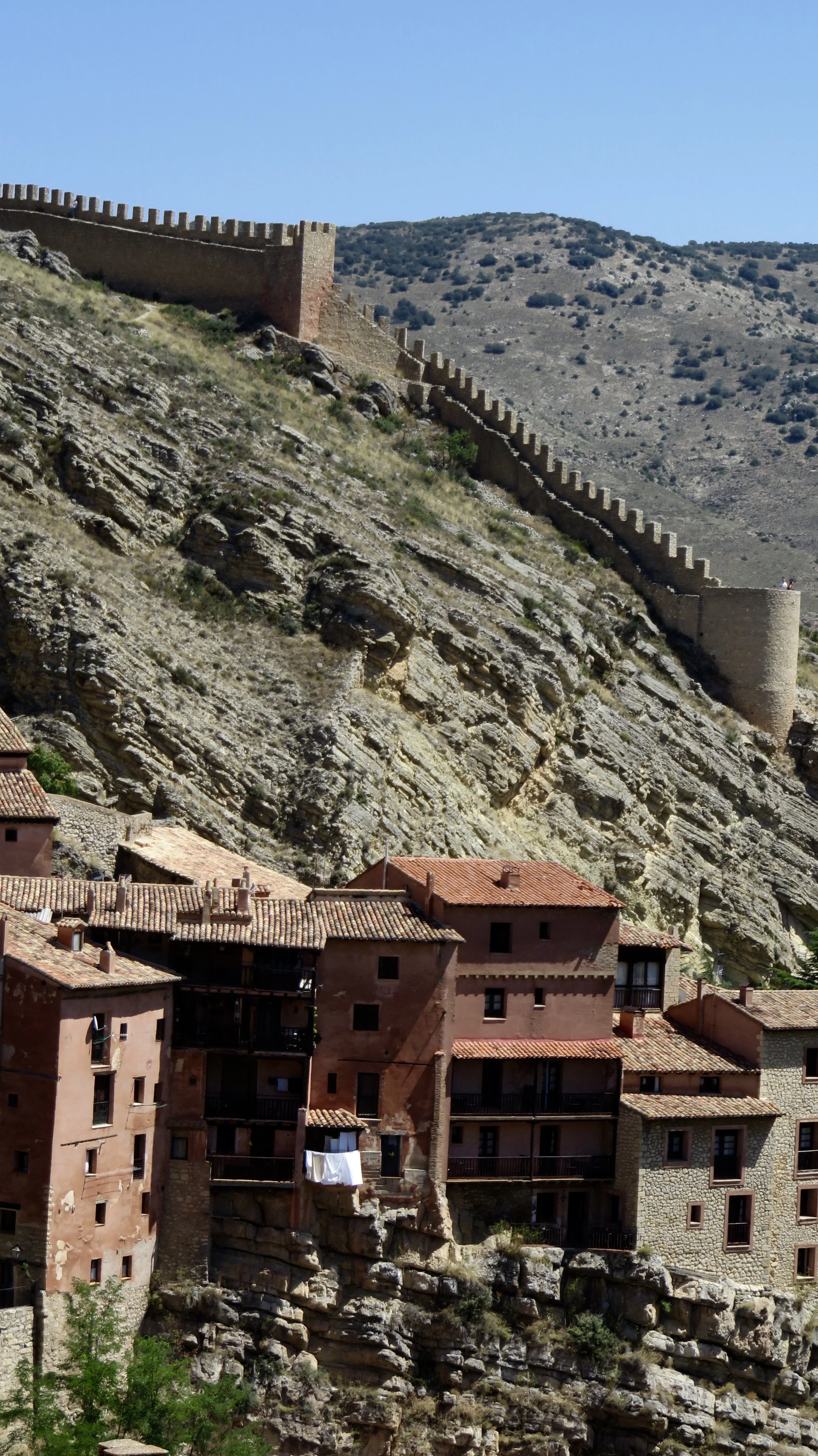
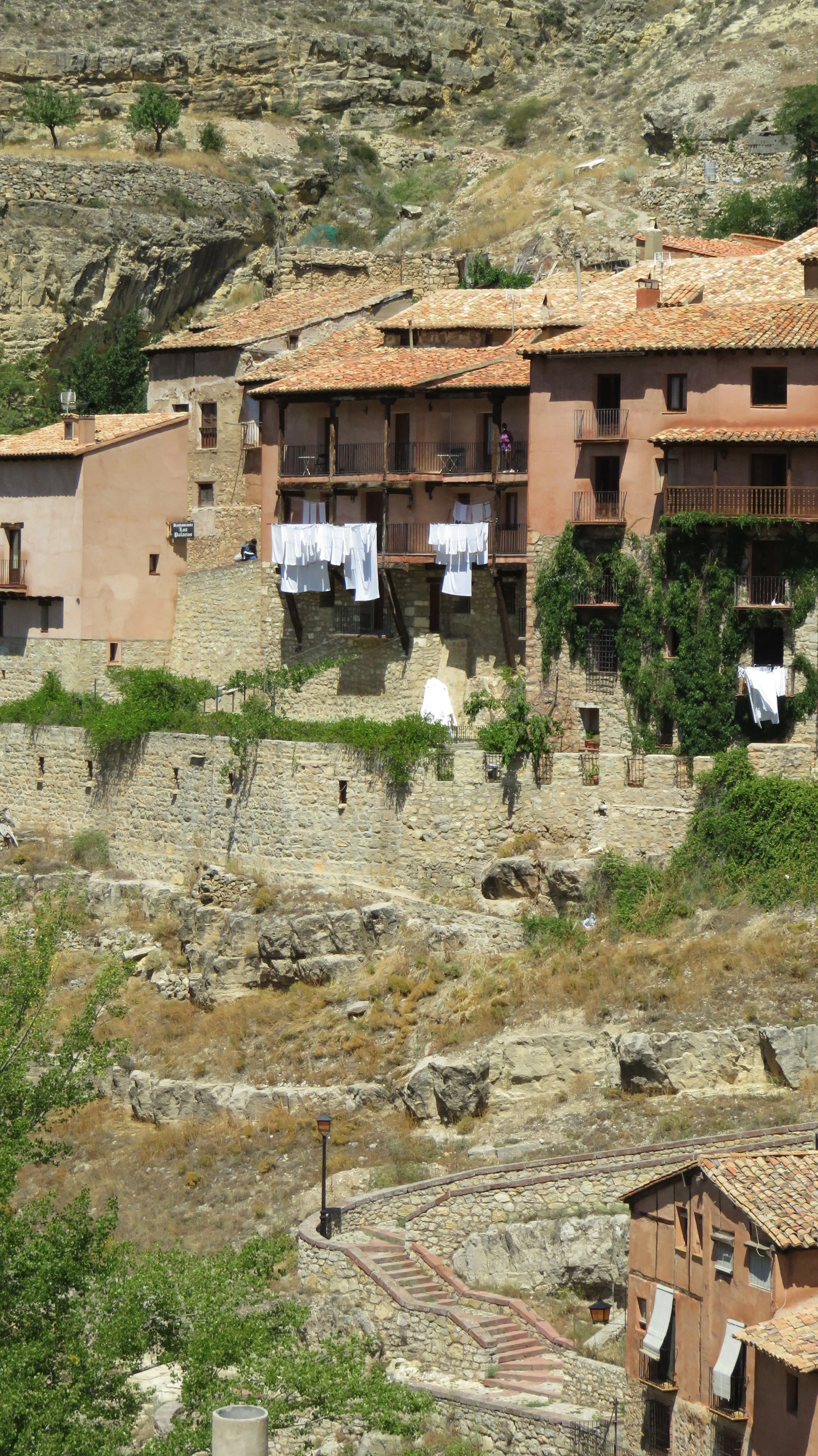
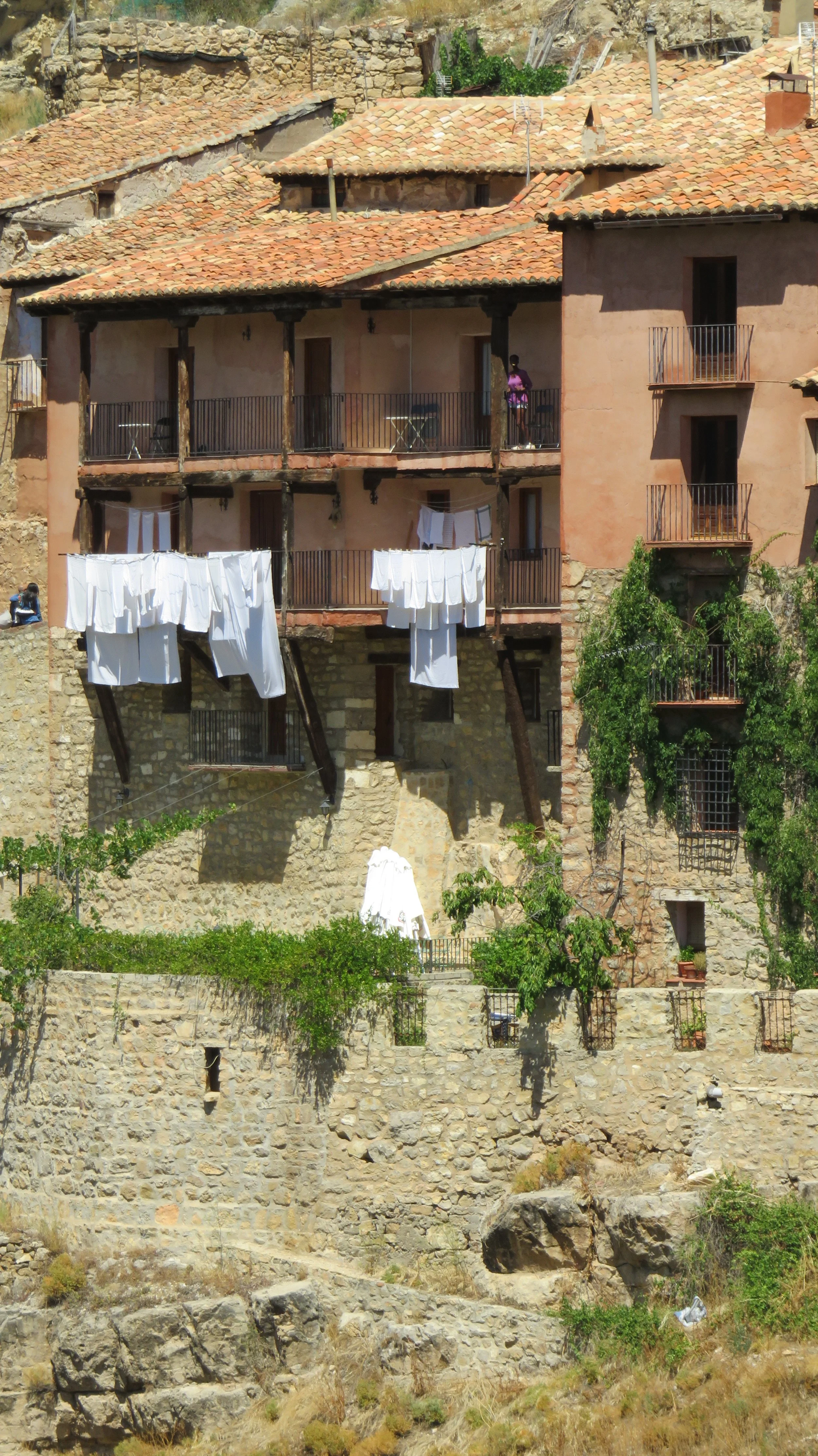
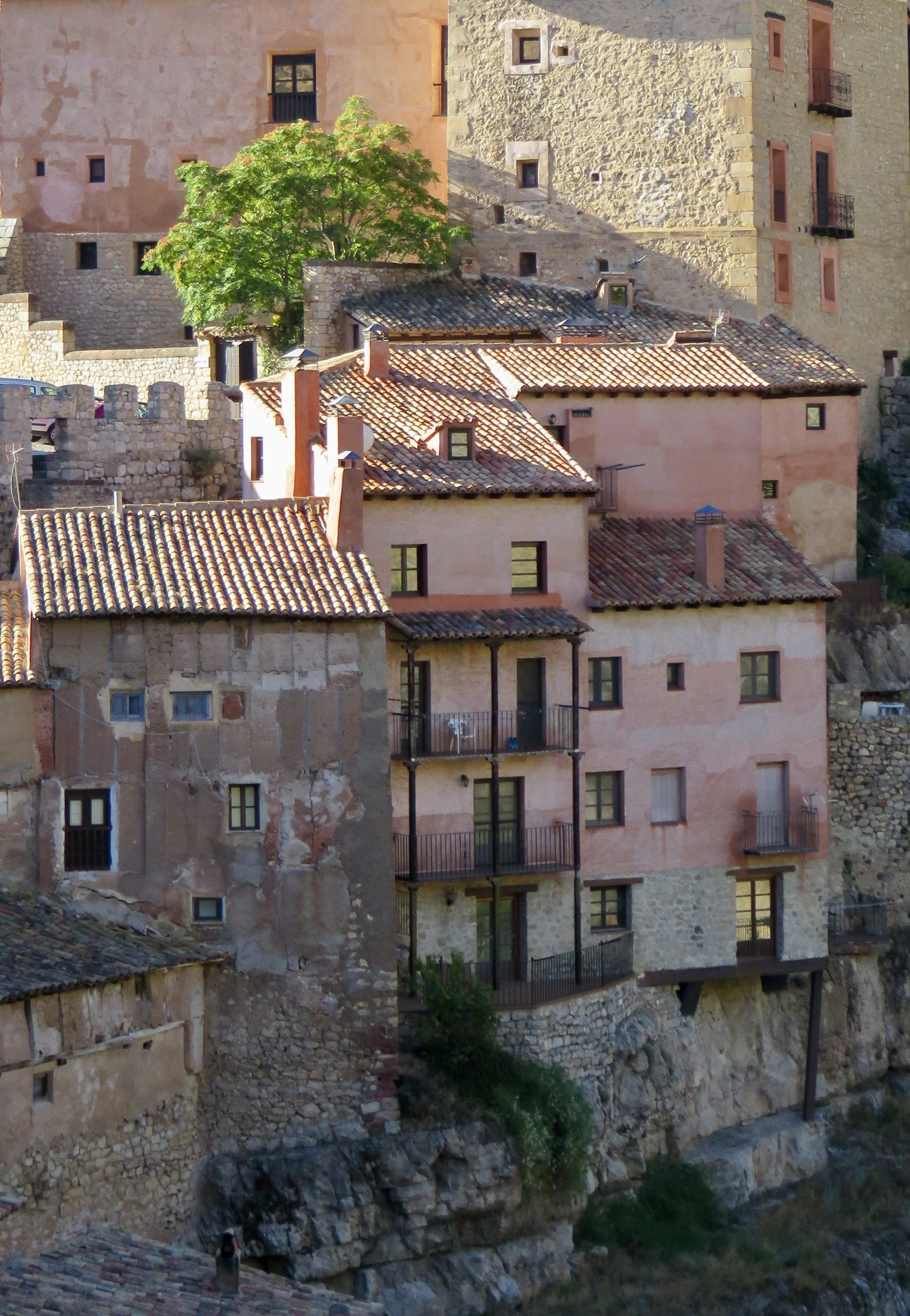
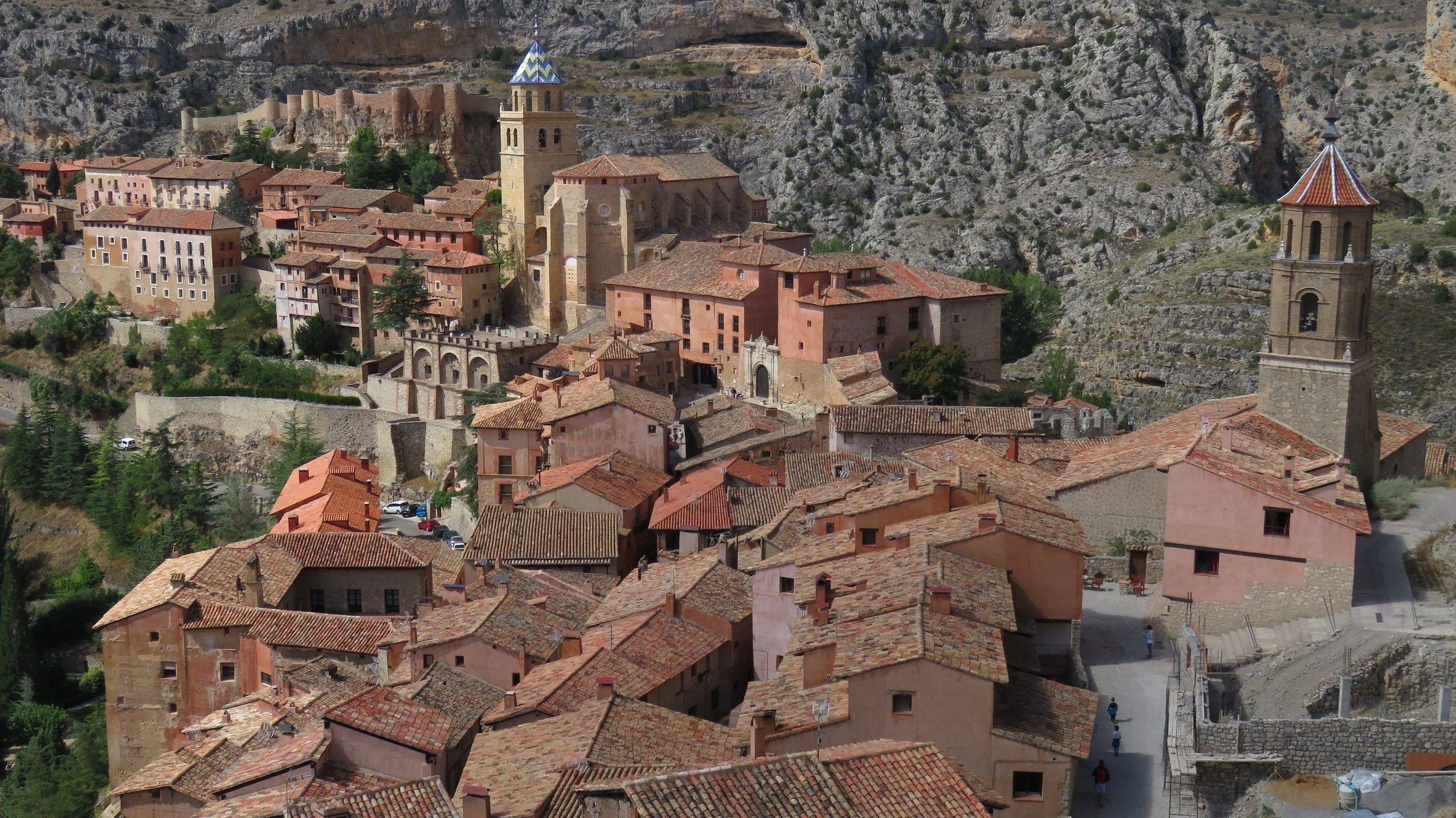
Albarracín lies in the Sierra de Albarracín in the province of Teruel in southern Aragón, about 40 kilometres from Teruel, dramatically perched on a rocky promontory above the Guadalaviar. Its tightly packed medieval streets are lined with distinctive reddish-pink plaster houses, projecting wooden balconies, tiled roofs and elaborate ironwork, with the castle and extensive medieval walls climbing the surrounding slopes. The castle, originally the Islamic fortress of the Banu Razín, occupies the highest rocky point and contains important archaeological remains of the medieval settlement. Below it are the Gothic-Renaissance Cathedral of El Salvador, the Episcopal Palace and the arcaded Ayuntamiento in the Plaza Mayor, together with numerous fine medieval and later houses. Agriculture has always been constrained by the high, mountainous terrain, with sheep farming, forestry and pastoralism more important than arable cultivation. What distinguishes Albarracín from other Spanish hill towns is the extraordinary relationship between its architecture and landscape: the red buildings, rocky cliffs, winding streets, castle and fortifications appear to form a single, remarkably coherent medieval landscape.
We stayed in Albarracín on our journey from San Sebastián to Jaén, choosing the charming La Casa del Tío Americano, just outside the old town, with its wonderful views across to the castle and cathedral. We spent the day exploring the remarkably atmospheric medieval streets, climbing the castle walls and taking in the views across the surrounding hills. In the evening, we ate in the lively, crowded Plaza Mayor, drinking the local Cariñena red wine and enjoying the atmosphere. It was a memorable stop on the journey, and Albarracín proved every bit as interesting as we had hoped.